Kruger National Park
Limpopo · Best Apr to Sep
41 places

Wildlife
The caracal (Caracal caracal) is a medium-sized wild cat native to Africa, the Middle East, Central Asia and India.
Recorded year-round
Recorded in every month, so no month is the wrong month to look. We would rather say that than invent a best time.
Curve from 1,533 national iNaturalist observations, not from one property. Single-month spikes are discarded as upload artefacts, and below 50 records we show no curve at all.
Western Cape and beyond
Provinces where Caracal is most recorded. Tap one to find places to stay.
1,533 records, iNaturalist
Across South Africa
Nottingham Road

Caracal recorded here

Kruger National Park

Caracal recorded here

Kruger National Park
Caracal recorded here

Kruger National Park
Caracal recorded here

Kruger National Park
Caracal recorded here

Stanford

Caracal recorded here

Oudtshoorn

Caracal recorded here

Benguela Cove, Hermanus
Caracal recorded here

Kruger National Park

Caracal recorded here
Magudu
Caracal recorded here
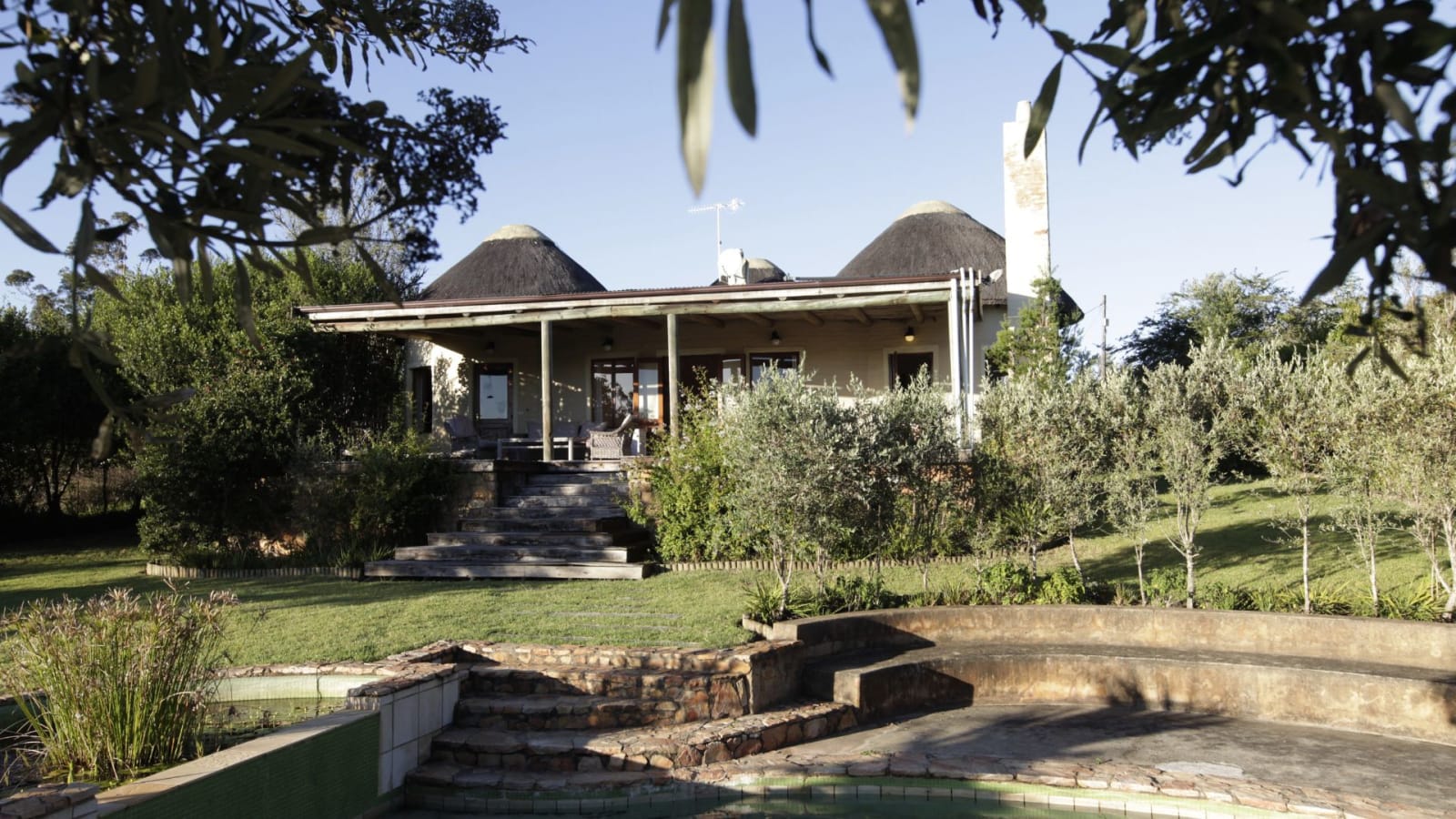
Rheenendal, Knysna

Caracal recorded here

Marakele National Park
Caracal recorded here

Sundays River Valley, Addo

Caracal recorded here

Kruger National Park
Caracal recorded here
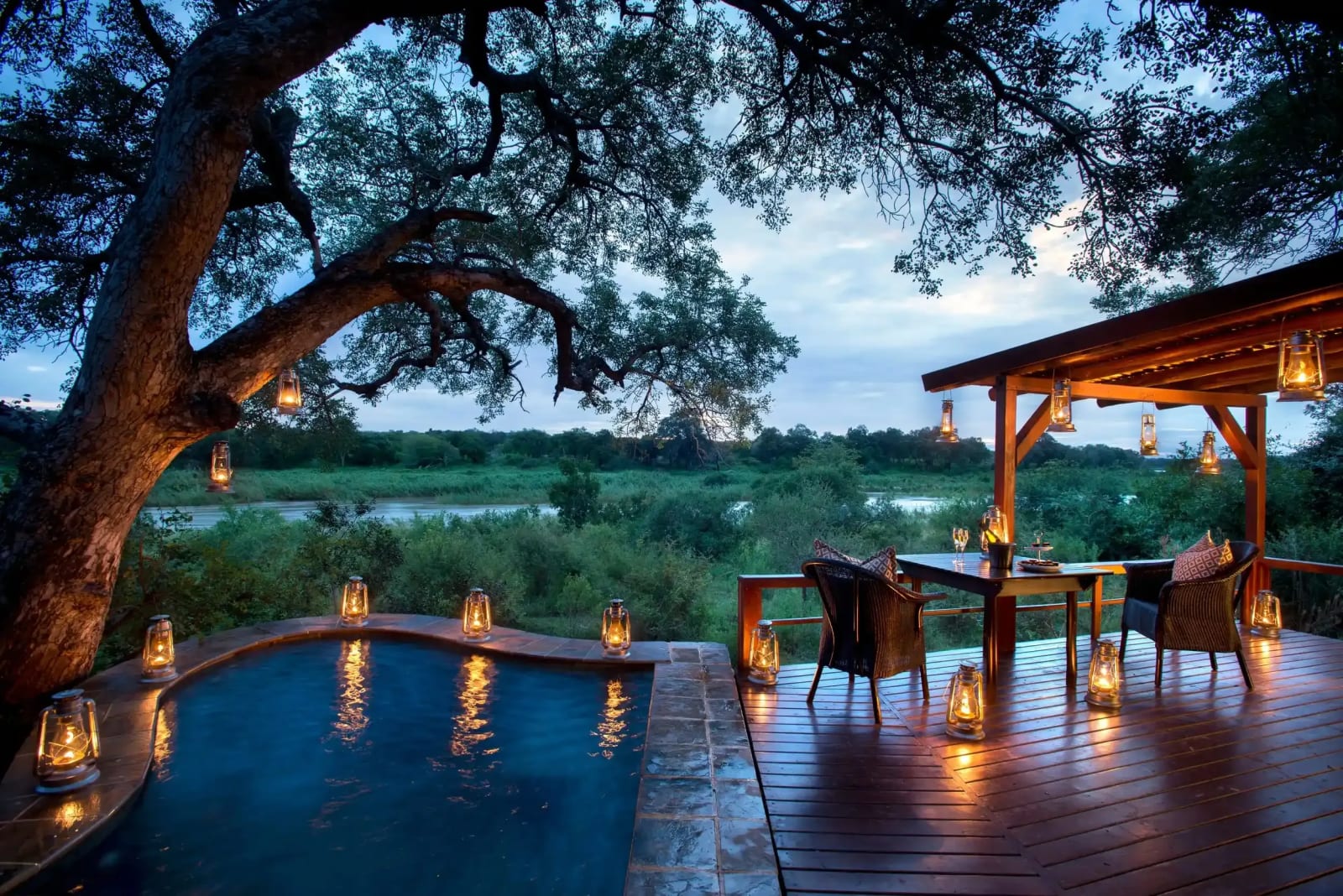
Kruger National Park
Caracal recorded here
Kruger National Park

Caracal recorded here

Kruger National Park
Caracal recorded here
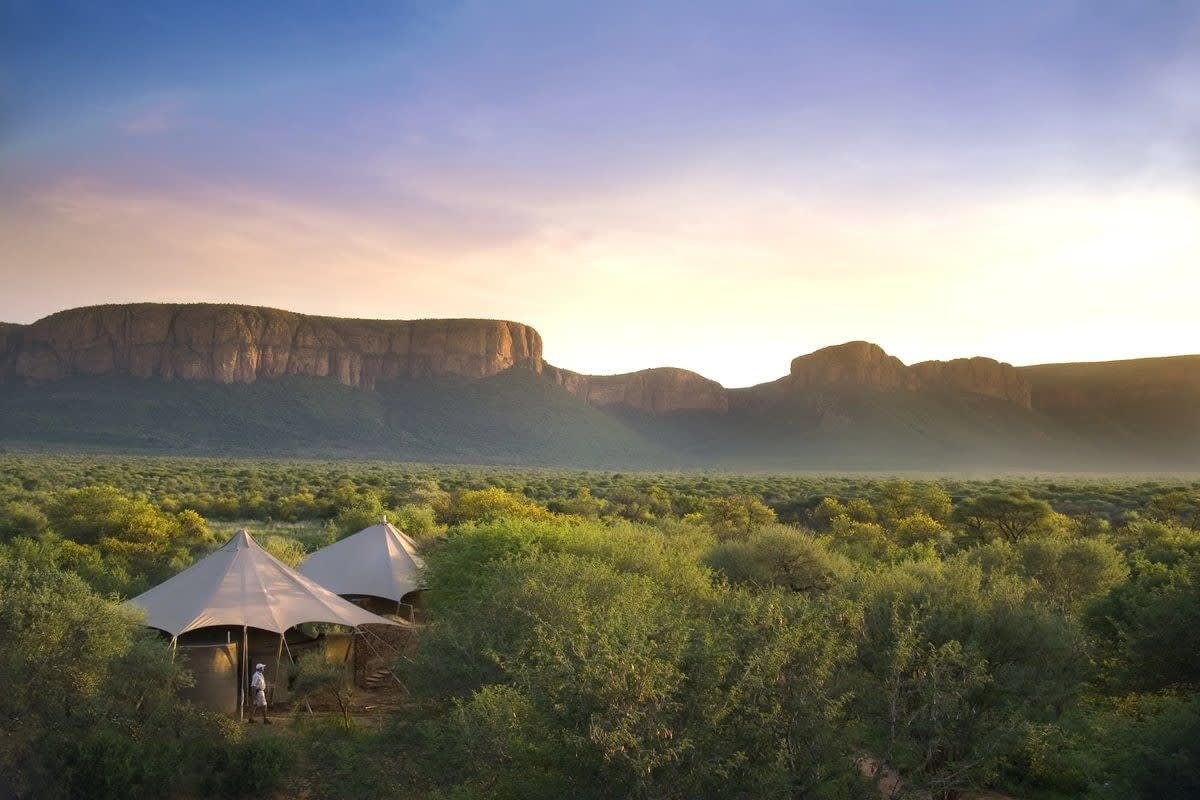
Marakele National Park
Caracal recorded here
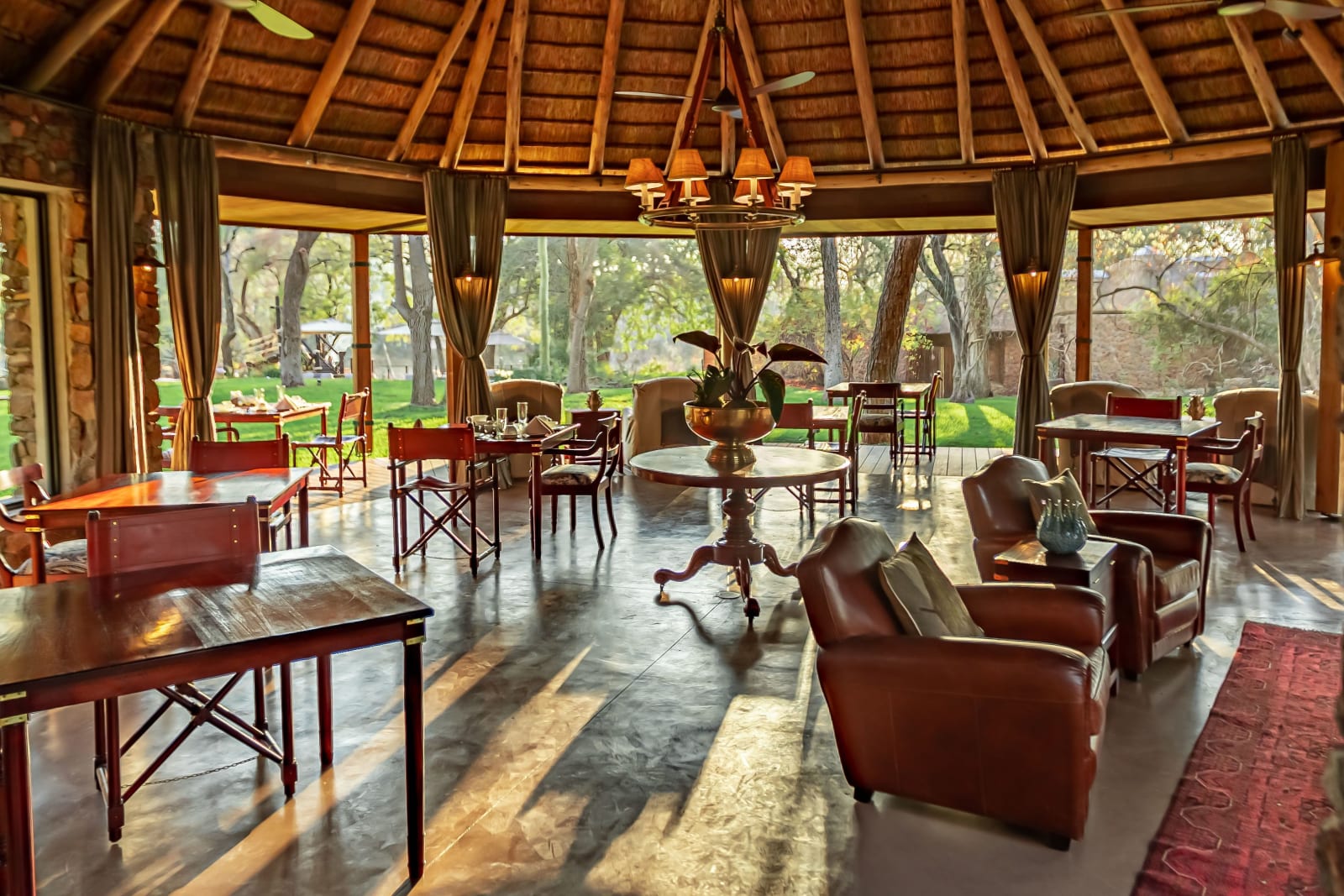
Sabi Sand Game Reserve
Caracal recorded here

Kruger National Park
Caracal recorded here

Kruger National Park
Caracal recorded here

Kruger National Park
Caracal recorded here

Amakhala Game Reserve
Caracal recorded here

Kruger National Park
Caracal recorded here

Next stop
Sandstone amphitheatres and cool mountain air
See places that give backPlanning a trip
Hosts have recorded the Caracal at stays in or beside Kruger National Park, uKhahlamba-Drakensberg Park and Cederberg Wilderness Area.
| Park | Jan | Feb | Mar | Apr | May | Jun | Jul | Aug | Sep | Oct | Nov | Dec |
|---|---|---|---|---|---|---|---|---|---|---|---|---|
| Kruger | Here | Here | Here | Easiest viewing | Easiest viewing | Easiest viewing | Easiest viewing | Easiest viewing | Easiest viewing | Here | Here | Here |
| uKhahlamba-Drakensberg | Here | Here | Here | Here | Easiest viewing |
Darker months are each park's own best season, when thinner bush or scarce water makes viewing easier. A sighting is never guaranteed.
Kruger · Marakele

Cederberg Wilderness Area · Goukamma · Anysberg
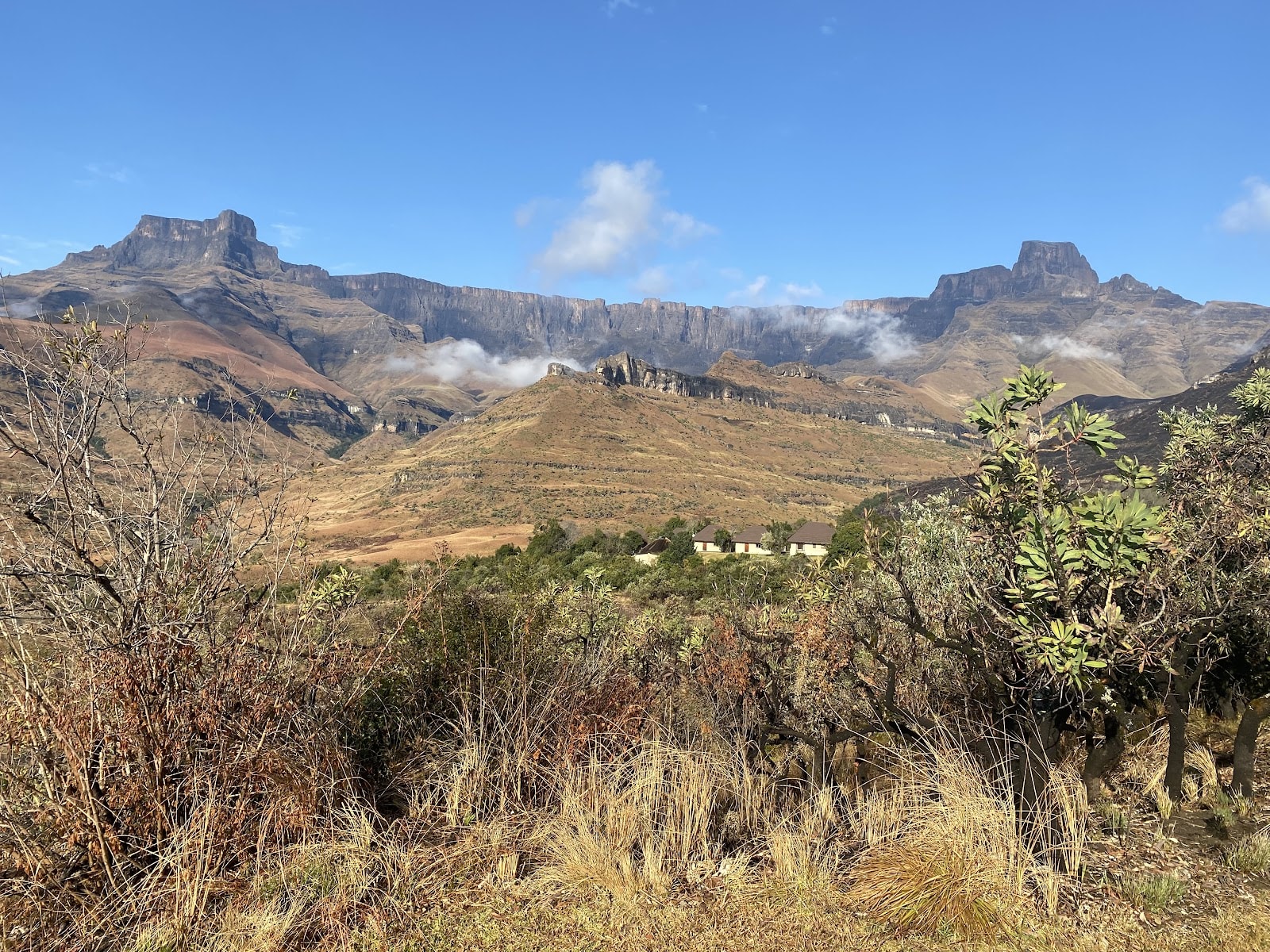
uKhahlamba-Drakensberg

Addo Elephant · Kwandwe
Species
Caracal caracal
Records
1,533
iNaturalist observations
Every booking on Spekboom supports conservation.
A record means a host has seen the Caracal on the property or nearby. It is never a guarantee of a sighting.
Hosts on Spekboom have recorded the Caracal at stays in or beside Kruger National Park, uKhahlamba-Drakensberg Park, Cederberg Wilderness Area, Goukamma Nature Reserve, Kgalagadi Transfrontier Park and Anysberg Nature Reserve and other reserves. A record means a host has seen it on the property or nearby, which makes these the places to base yourself; it is never a guarantee of a sighting on any given day.
The Caracal is most recorded in Western Cape (76% of records), Northern Cape (5% of records), based on 1,533 iNaturalist observations. 176 places to stay on Spekboom in South Africa have recorded the Caracal on site or nearby.
The Caracal is recorded throughout the year, so no month is the wrong month to look for it. For the parks where hosts record it most, these are the best seasons they give. Kruger National Park: Apr-Sep; uKhahlamba-Drakensberg Park: year-round, dry season May-Sep; Cederberg Wilderness Area: Sep-Apr, flowers Aug-Oct; Goukamma Nature Reserve: year-round, warm Oct-Apr. In the dry months animals concentrate at water and the grass is short.
The caracal (Caracal caracal) is a medium-sized wild cat native to Africa, the Middle East, Central Asia and India. The caracal is characterised by a robust build, long legs, a short face, long tufted ears and long canine teeth. Its coat is uniformly reddish tan or sandy, while the ventral parts are lighter with small reddish markings.
| Easiest viewing |
| Easiest viewing |
| Easiest viewing |
| Easiest viewing |
| Here |
| Here |
| Here |
| Cederberg Wilderness Area | Easiest viewing | Easiest viewing | Easiest viewing | Easiest viewing | Here | Here | Here | Here | Easiest viewing | Easiest viewing | Easiest viewing | Easiest viewing |
|---|
| Goukamma | Easiest viewing | Easiest viewing | Easiest viewing | Easiest viewing | Here | Here | Here | Here | Here | Easiest viewing | Easiest viewing | Easiest viewing |
|---|
| Kgalagadi | Here | Here | Easiest viewing | Easiest viewing | Easiest viewing | Here | Here | Here | Here | Here | Here | Here |
|---|
| Anysberg | Here | Here | Here | Here | Here | Here | Here | Here | Here | Here | Here | Here |
|---|
| Gamkaberg | Here | Here | Here | Here | Here | Here | Here | Here | Here | Here | Here | Here |
|---|