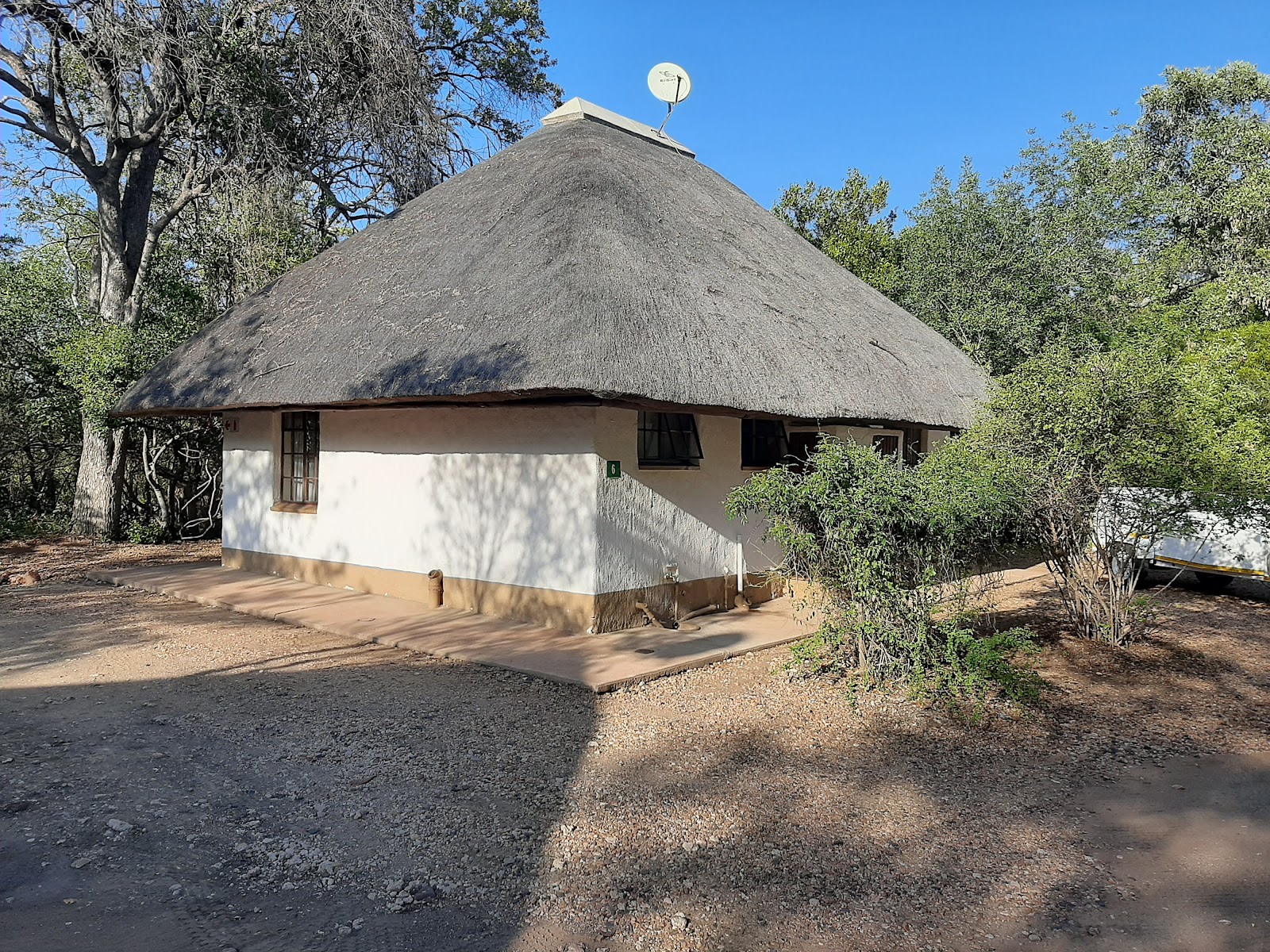
Premier Big Five destination
Limpopo, South Africa
Kruger National Park is a national park in Limpopo, South Africa, managed by SANParks. Visitors come for game drives, hiking, camping, bird watching, photography. The best time to visit is Apr-Sep.
The species most recorded in Limpopo, drawn from citizen-science observations. Tap any to find stays where you can see it.
Ranked by how often they are recorded in the province, from iNaturalist observations. Tap one to find stays where it lives.
Species birders log most in this province. Numbers are records, not guarantees.
Occurrence data from iNaturalist, aggregated by province. It reflects where a species is seen across Limpopo, not confirmed sightings inside this reserve.
Apr-Sep
Why book here
Wild places survive when the communities around them earn more from protecting wildlife than from anything that would replace it. Every stay you book through Spekboom carries a conservation contribution built into the price, never added on top, so choosing where you sleep becomes a way to fund the people and projects keeping this landscape intact.
Inside-park stays and nearby lodges, sorted by distance.
Pretoriuskop is the oldest rest camp in the Kruger National Park, set among ancient granite outcrops in the high-rainfall south-west of the park. The surrounding country is distinctive, with thick vegetation, tall sour grass and rocky koppies that set it apart from the rest of Kruger. Fine specimens of Natal mahogany, marula and sycamore fig shade the camp itself. The area is known for species that are hard to find elsewhere in the park. Small herds of sable, eland and Lichtenstein's hartebeest are a special draw, while the rocky outcrops shelter klipspringer, oribi, red duiker and rock hyrax. White and black rhino, buffalo and elephant are seen on the loop roads, and wild dog and cheetah are recorded with some regularity. The nearby Mestel and Shitlhave dams add hippo and reedbuck to the mix. Facilities are generous for a bush camp, with a restaurant, cafeteria, shop, swimming pool, communal kitchens and a filling station. The Numbi Gate lies a short drive away.
Malelane is a small satellite camp tucked into the south western corner of the Kruger National Park, close to the Malelane Gate and the Crocodile River, where the sugar cane fields of the surrounding farmland give way to the park's wild savannah. Its location in the mountain bushveld, with rocky hills and sweet-grass plains between the ridges, sets it apart from Kruger's flatter southern camps. The camp is intimate and self-catering, with a communal kitchen, an ablution block and a shared freezer, but no shop, restaurant or reception, so guests come self-sufficient and can use the facilities at nearby Berg-en-Dal or Crocodile Bridge. The area is rich in game. White rhino, kudu, impala, giraffe, elephant and warthog are common, klipspringer pick across the rocky outcrops, and leopard are seen regularly, sometimes drinking at the dam in front of the camp. Wild dog also range here, while lion tend to favour the lower plains toward Skukuza and Crocodile Bridge.
Maroela is a small camp on the bank of the Timbavati River, on the western boundary of the Kruger National Park, a few kilometres east of Orpen Gate. It is a camping-only site, intimate and unhurried, with tall acacias and marula trees shading the grounds and small rock gardens of aloes and Barberton daisies set between the sites. The mood is the quiet restfulness so characteristic of the central bushveld. The surrounding plains are excellent for game. The drive in from Orpen passes herds of zebra and wildebeest, with giraffe, impala, warthog and elephant commonly seen, while the road north along the Timbavati towards Olifants is good for lion, cheetah and leopard. Facilities are deliberately simple: a communal kitchen, an ablution block and a shared refrigerator, with a boma braai area available at nearby Tamboti. There is no shop or restaurant in camp, so visitors come for the close, unfussy contact with the bush rather than for comforts.
Talamati, a Xitsonga word meaning "lots of water", is a bushveld camp in the central-western Kruger National Park, set above the bed of the Nwaswitsontso River. Despite the name the river is usually dry, but its clay soils hold water below the surface, and the camp overlooks a productive valley that draws game throughout the day and night. The camp sits in a sloping valley and hill landscape dominated by knob thorn and bushwillow, recognised as a good game-viewing region. Giraffe, kudu, eland, impala, zebra, rhino, buffalo, lion and hyena all move through the area, and the camp's waterhole and bird hide reward patient watching, including after dark. Reached only by resident access roads, Talamati offers a quiet, self-catering bush stay within reach of the larger rest camps. A reception with a small shop, a communal boma and individual braais serve the units, and guided bush walks and game drives are available with trained field guides.
Lower Sabie graces the banks of the Sabie River, one of the few perennial rivers to flow through the Kruger National Park, in the game-rich south. The riverfront setting is one of the finest in the park, and at night the diversity of animals in the area is hard to equal anywhere in Kruger. Lion, cheetah, elephant, hippo and rhino are all in the area, along with large herds of buffalo and a high density of warthog. The camp sits in knob-thorn and marula savannah, shaded by large riverine trees, with the sycamore fig especially prominent and leadwood and sausage trees nearby. The sweet grass draws many grazing species, and nearby Sunset Dam and the Nthandanyati bird hide are rewarding stops. Lower Sabie is well equipped, with a restaurant, cafeteria, shop, swimming pool, filling station and laundromat, along with communal kitchens and a separate day visitors' picnic area. It remains one of the most popular camps in the park.
Bateleur is one of the Kruger National Park's smaller, more secluded bushveld camps, set on the banks of the Mashokwe spruit in the mopane and woodland country of the far north, roughly 40km south west of Shingwedzi. It is a private, residents-only camp, reached by its own access roads, which gives the place an unhurried, away-from-it-all feel while keeping the amenities of the larger camps within easy reach. The surrounding bush rewards patient game viewing. The nearby Silwervis Dam draws hippo, crocodile, bushbuck and nyala, with leopard sometimes glimpsed along the water, while the open plains around the Nshawu pans hold blue wildebeest, zebra, buffalo and the rarer tsessebe. Mixed bushwillow, marula, leadwood, jackalberry and stands of mopane shade the camp. Facilities are deliberately modest. A small shop stocks basics such as firewood and ice, and there is a boma for evening braais, but guests should arrive self-sufficient with their own food and supplies.
Inside parkMdluli Safari Lodge sits inside the south-western region of the Kruger National Park, between Numbi Gate and Pretoriuskop Rest Camp — accessible via a private road near Numbi (the closest gate to Kruger Mpumalanga International Airport). The lodge is a sustainable tourism initiative and a proud partnership with the local Mdluli community, who receive direct and indirect socio-economic benefits. The property comprises 50 double en-suite luxury tented safari suites, each with a private patio facing the bush, indoor and outdoor showers, and full air-conditioning. Guest facilities include an infinity pool overlooking the park, a spacious bar and lounge above the watering hole, a separate boma area for group dining, conference facilities for up to 20, complimentary Wi-Fi and disabled-guest facilities. Game drives are led by experienced rangers; daily breakfast and dinner are included in all rates with an à la carte lunch menu available.
Tsendze is a rustic campsite in the Mopani region of the northern Kruger National Park, set among large old trees that give it generous shade and a real sense of seclusion. Its name comes from a Tsonga word meaning to ramble around as though lost in the bush, which suits the camp's unhurried, get-away-from-it-all character. It is one of the park's newer additions and offers camping only. The camp lies in the Mooiplaas area, known for its very large buffalo herds and its elephant bulls, including some of Kruger's famous big tuskers in years past. The abundance of mature trees makes it an excellent spot for birding, both in camp and across the surrounding mopane country. Facilities are kept simple and low-impact: communal kitchens and ablution blocks, gas-heated water, solar lighting and shared refrigeration, with no mains electricity and no generators permitted. Shop, fuel and restaurant are all at Mopani, about seven kilometres away.
Berg-en-Dal lies on the bank of the Matjulu Spruit in the far south of the Kruger National Park, set against the softly undulating hills of the Malelane Mountain Bushveld. It is one of the park's more unusual camps, built into a rocky mountain landscape where sweet grasses, red bush-willow and magic guarri grow, and where many uncommon plants take hold among the boulders. The setting gives it a quieter, more secluded feel than the busier lowveld camps. The surrounding country is good for white rhino, kudu, giraffe, elephant, klipspringer and reedbuck, while leopard are seen regularly and have been watched drinking at the dam in front of the camp. Wild dog move through the area, and lion are more often found on the plains towards Skukuza and Crocodile Bridge. The camp is well equipped, with a restaurant, cafeteria, shop, swimming pool and a filling station. The Rhino Perimeter Trail, a short walk within the fence that includes Braille facilities, is a notable feature. Malelane Gate is about twelve kilometres away.
Kruger National Park is in Limpopo, South Africa.
Yes. Kruger National Park is a Big Five area, home to lion, leopard, elephant, buffalo and rhino.
In Limpopo, commonly recorded species include mammals such as Rock Monitor, Black Mamba, Nile Crocodile, Nyala and birds including Red-headed Weaver, Southern Pied Babbler, Pel's Fishing Owl, based on iNaturalist occurrence data. These reflect the wider province, not confirmed sightings inside the reserve.
The best time to visit Kruger National Park is Apr-Sep.
Popular activities at Kruger National Park include game drives, hiking, camping, bird watching, photography.
9 places are listed in and near Kruger National Park on Spekboom, from inside-park camps to nearby lodges. Every booking funds conservation.