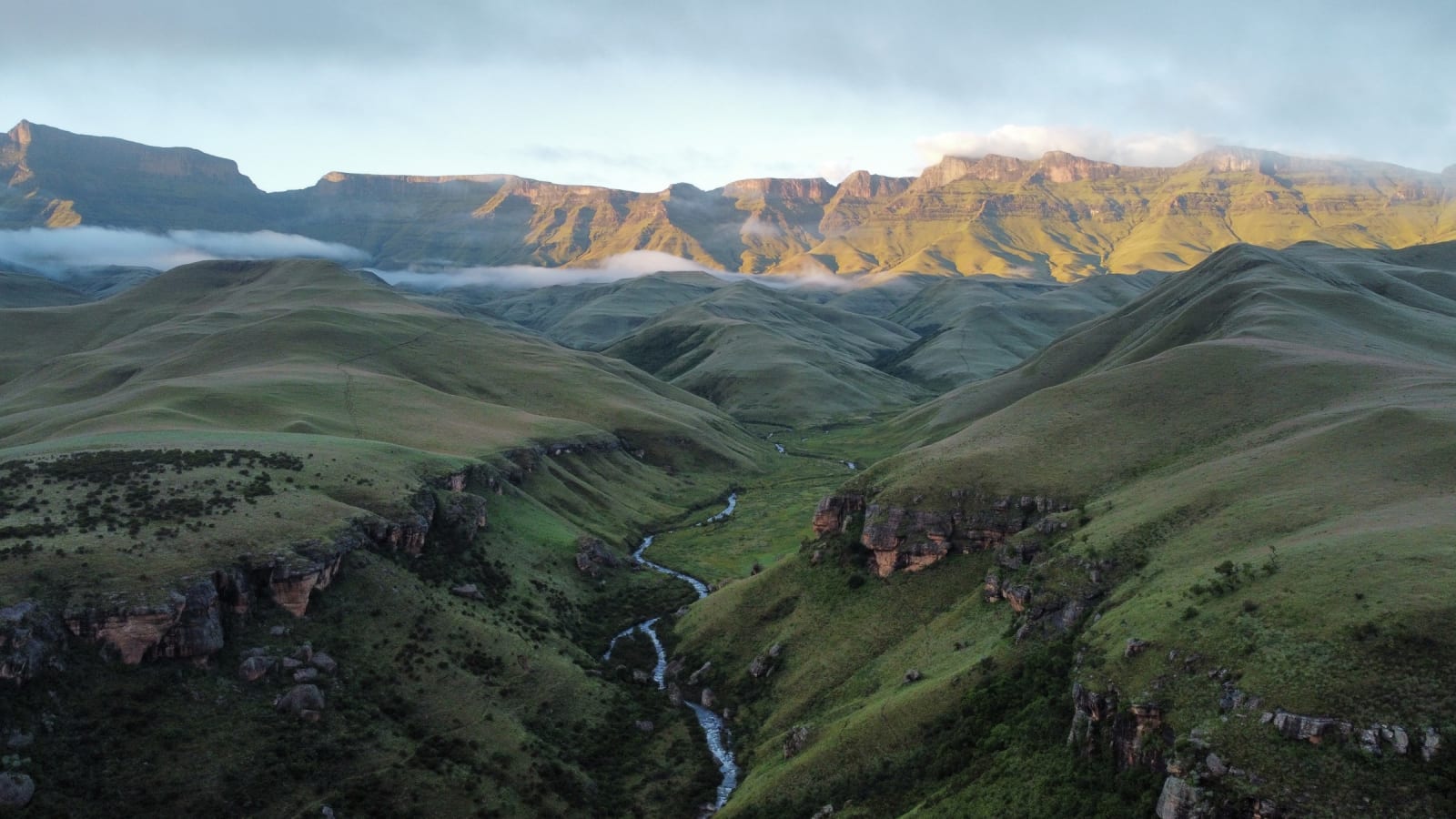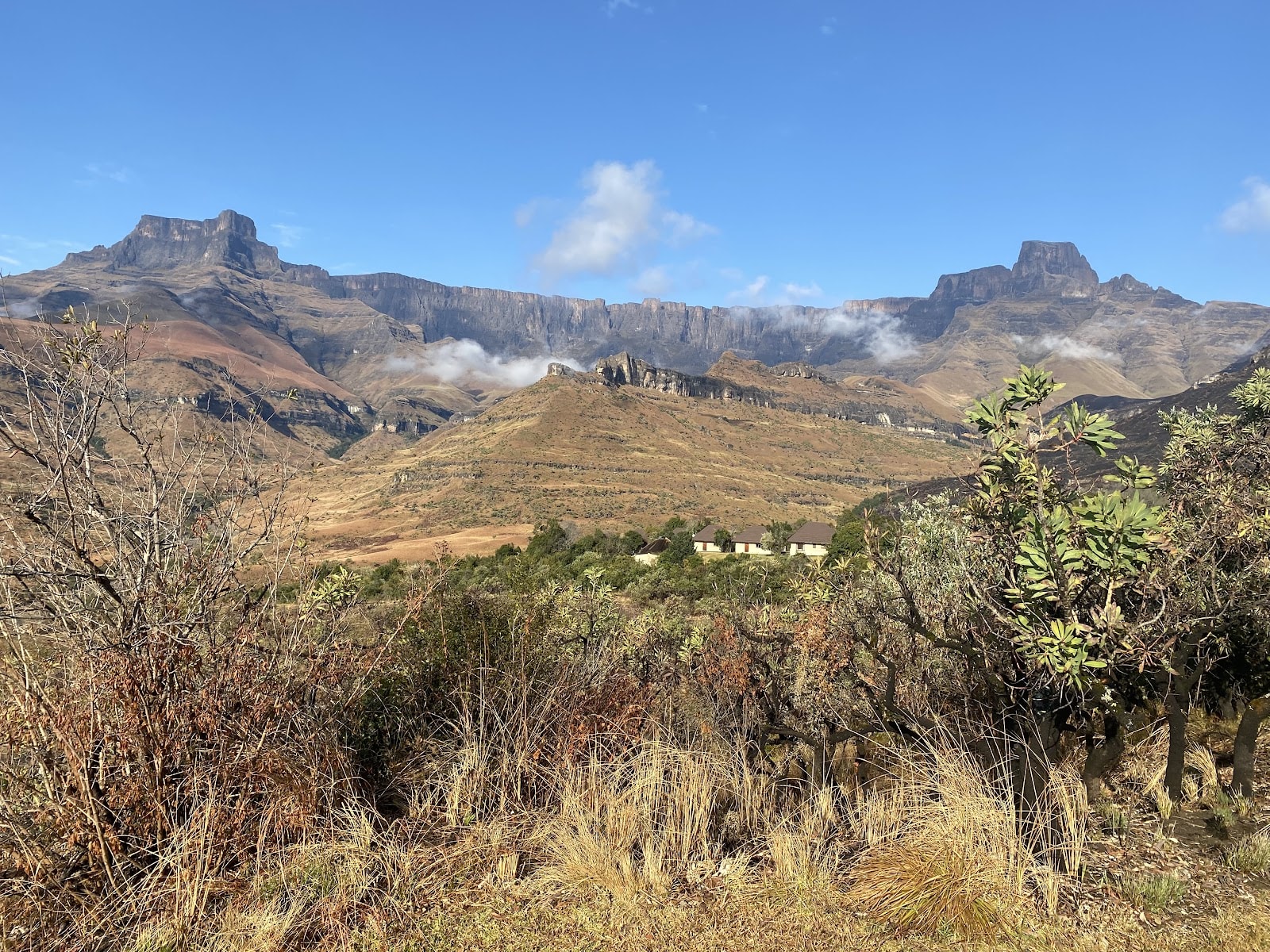
uKhahlamba-Drakensberg Park
KwaZulu-Natal · Year-round
10 lieux

Wildlife
The caracal (Caracal caracal) is a medium-sized wild cat native to Africa, the Middle East, Central Asia and India.
Recorded year-round
Recorded in every month, so no month is the wrong month to look. We would rather say that than invent a best time.
Curve from 1,533 national iNaturalist observations, not from one property. Single-month spikes are discarded as upload artefacts, and below 50 records we show no curve at all.
Western Cape and beyond
Provinces where Caracal is most recorded. Tap one to find places to stay.
1,533 records, iNaturalist
À travers Afrique du Sud

Oudtshoorn
Caracal : espèce observée ici · Biome Fynbos · Gemsbok · Greater kudu
Soutient Wolwekraal Nature Reserve
À partir de R 5,060 la nuit

Madikwe
Caracal : espèce observée ici · Biome Savane · Leopard · Lion
Soutient Jaci's Lodge Trust
À partir de R 31,500 la nuit

Benguela Cove, Hermanus
Caracal : espèce observée ici · Biome Fynbos · Southern right whale · Caracal
Soutient Walker Bay Fynbos Conservancy et 1 autre cause
À partir de R 29,981 la nuit
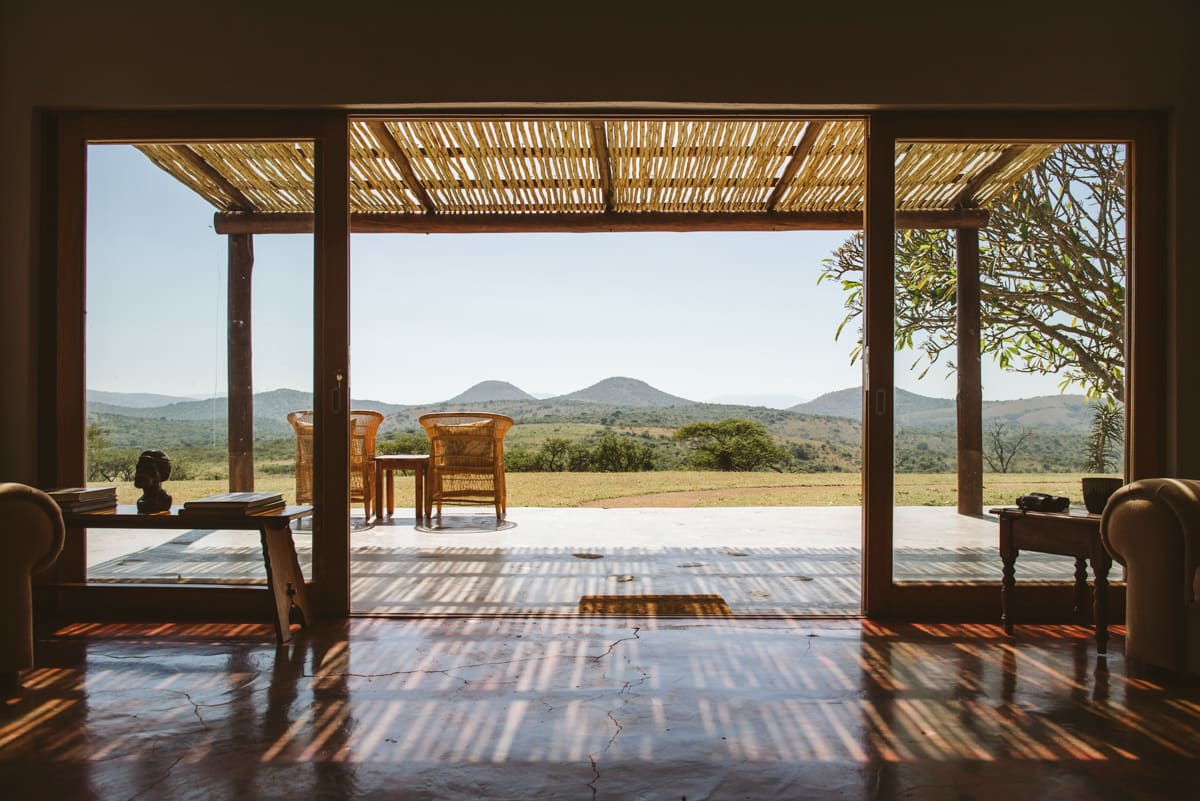
Magudu
Caracal : espèce observée ici · Biome Savane · Leopard · Lion
Soutient Zululand Conservation Trust
À partir de R 1,280 la nuit
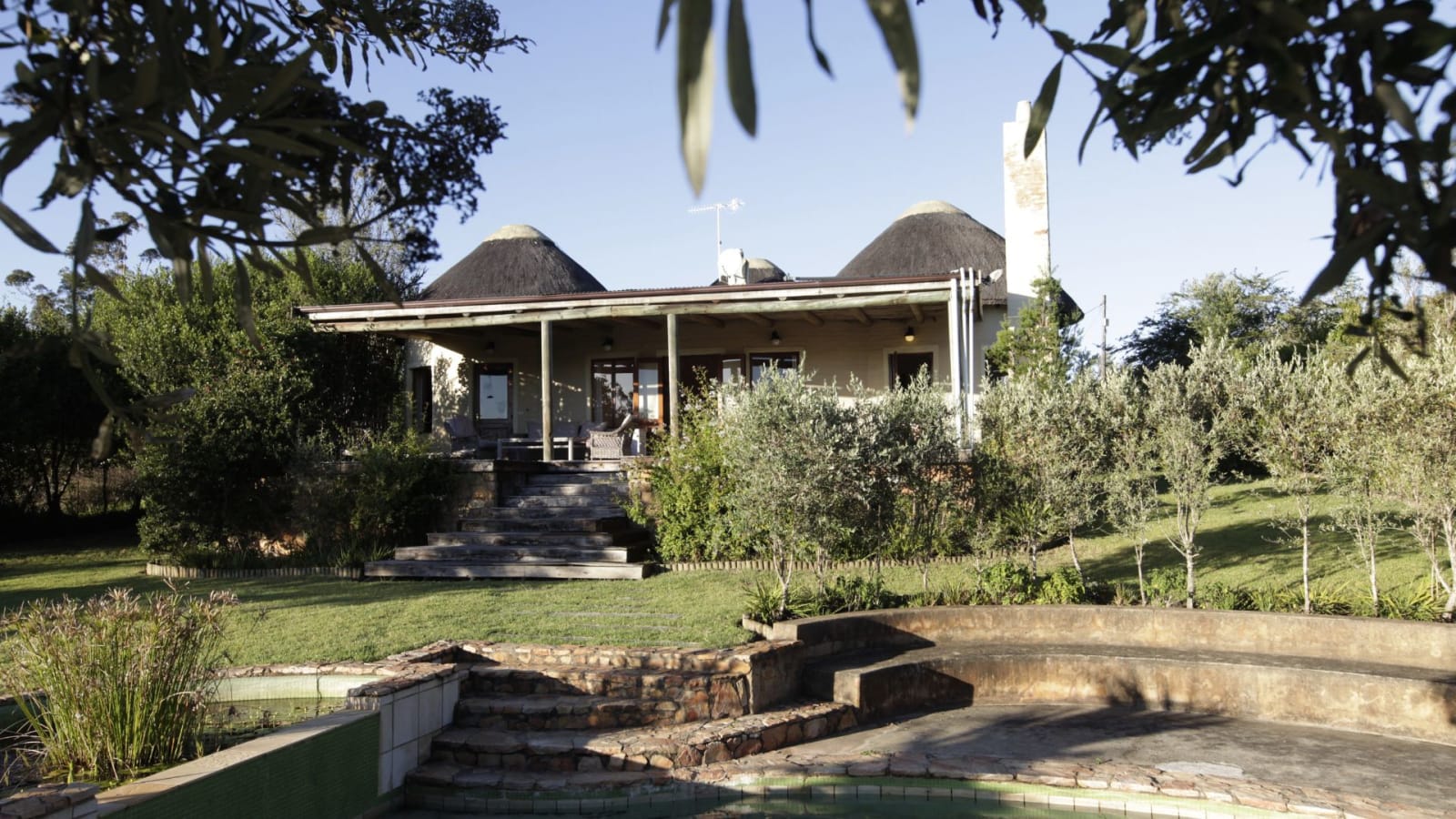
Rheenendal, Knysna
Caracal : espèce observée ici · Biome Fynbos · Bushbuck · Caracal
Soutient National Sea Rescue Institute
À partir de R 2,000 la nuit

Stanford
Caracal : espèce observée ici · Biome Fynbos · White milkwood · Southern right whale
Soutient Walker Bay Fynbos Conservancy
Prix sur demande
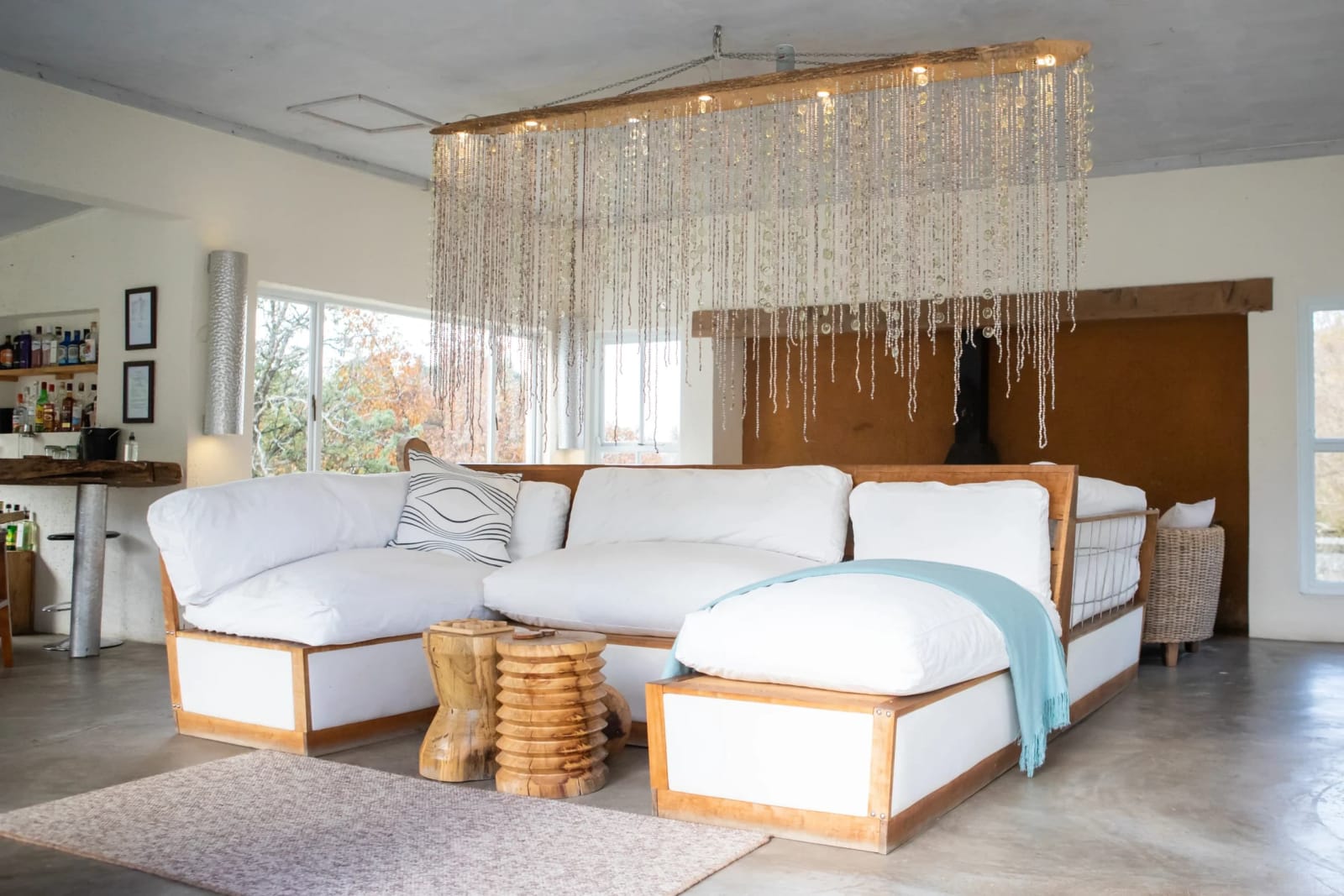
Nottingham Road
Caracal : espèce observée ici · Biome Prairie · Bushbuck · Serval
Soutient Royal Drakensberg Education Trust
À partir de R 4,100 la nuit

Sundays River Valley, Addo
Caracal : espèce observée ici · Biome Fourré d’Albany · Black backed jackal · Bushbuck
Soutient Wilderness Foundation Africa
À partir de R 2,600 la nuit

Kruger National Park
Caracal : espèce observée ici · Biome Savane · Lion · Leopard
Prix sur demande

Kruger National Park
Caracal : espèce observée ici · Biome Savane · Leopard · Lion
À partir de R 10,670 la nuit

Kruger National Park
Caracal : espèce observée ici · Biome Savane · Leopard · Lion
Soutient Endangered Wildlife Trust
À partir de R 17,400 la nuit

Kruger National Park
Caracal : espèce observée ici · Biome Savane · Lion · Leopard
Prix sur demande
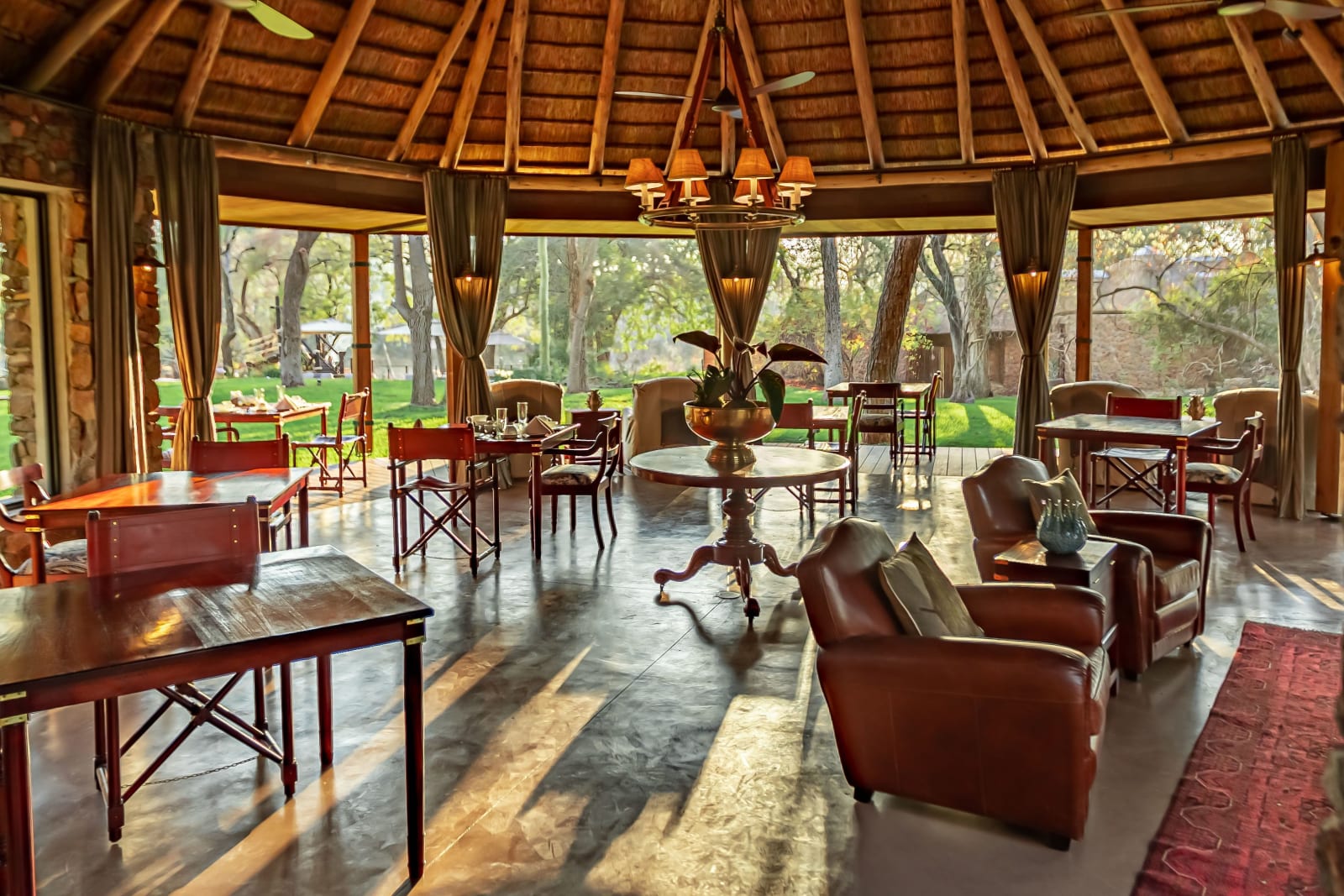
Sabi Sand Game Reserve
Caracal : espèce observée ici · Biome Savane · Leadwood · Leopard
Soutient DAKTARI Bush School
À partir de R 28,990 la nuit

Kruger National Park
Caracal : espèce observée ici · Biome Savane · Impala · Spotted hyena
Soutient Endangered Wildlife Trust
À partir de R 11,980 la nuit

Kwandwe Private Game Reserve
Caracal : espèce observée ici · Biome Fourré d’Albany · Lion · Leopard
Prix sur demande

Kruger National Park
Caracal : espèce observée ici · Biome Savane · Leopard · Lion
Soutient Endangered Wildlife Trust
À partir de R 17,500 la nuit

Amakhala Game Reserve
Caracal : espèce observée ici · Biome Fourré d’Albany · Lion · Spekboom
Soutient Endangered Wildlife Trust
À partir de R 4,000 la nuit

Kwandwe Private Game Reserve
Caracal : espèce observée ici · Biome Fourré d’Albany · Lion · Leopard
Prix sur demande

Touws River
Caracal : espèce observée ici · Biome Fynbos · Giraffe · Leopard
Soutient Saving Private Rhino
À partir de R 7,820 la nuit

Goukamma Nature Reserve
Caracal : espèce observée ici · Biome Fynbos · Bushbuck · Bushpig
À partir de R 1,380 la nuit

Kwandwe Private Game Reserve
Caracal : espèce observée ici · Biome Fourré d’Albany · Lion · Leopard
Prix sur demande

Goukamma Nature Reserve
Caracal : espèce observée ici · Biome Fynbos · Bushbuck · Bushpig
À partir de R 1,580 la nuit

Goukamma Nature Reserve
Caracal : espèce observée ici · Biome Fynbos · Bushbuck · Bushpig
À partir de R 1,580 la nuit

Kwandwe Private Game Reserve
Caracal : espèce observée ici · Biome Fourré d’Albany · Lion · Leopard
Prix sur demande

Prochaine étape
Sandstone amphitheatres and cool mountain air
Voir les hébergements engagésPréparer un voyage
Caracal : signalé par des hôtes dans ou près de uKhahlamba-Drakensberg Park, Kgalagadi Transfrontier Park and Kruger National Park.
| Parc | janv | févr | mars | avr | mai | juin | juil | août | sept | oct | nov | déc |
|---|---|---|---|---|---|---|---|---|---|---|---|---|
| uKhahlamba-Drakensberg | Présent | Présent | Présent | Présent | Plus facile à voir | Plus facile à voir | Plus facile à voir | Plus facile à voir | Plus facile à voir | Présent | Présent | Présent |
| Kgalagadi | Présent | Présent | Plus facile à voir | Plus facile à voir |
Les mois plus foncés sont la meilleure saison de chaque parc, quand la brousse clairsemée ou le manque d’eau facilite l’observation. Une observation n’est jamais garantie.
uKhahlamba-Drakensberg · Giants Castle
Goukamma · Table Mountain · Gondwana
Kruger · Welgevonden
Kwandwe · Amakhala
Conduire soi-même
Votre véhicule et votre rythme, sur les routes du parc.
Parcs où l’espèce est signalée
Safaris guidés depuis un lodge
Un guide qui sait où chercher, avec hors-piste et safaris de nuit dans les réserves privées.
Parcs où l’espèce est signalée
Espèce
Caracal caracal
Observations
1,533
observations iNaturalist
Chaque réservation sur Spekboom soutient la conservation.
Une observation signifie qu’un hôte a vu l’espèce Caracal sur place ou à proximité. Ce n’est jamais une garantie de la voir.
Hosts on Spekboom have recorded the Caracal at stays in or beside uKhahlamba-Drakensberg Park, Kgalagadi Transfrontier Park, Kruger National Park, Kwandwe Private Game Reserve, Goukamma Nature Reserve and Sabi Sand Game Reserve and other reserves. A record means a host has seen it on the property or nearby, which makes these the places to base yourself; it is never a guarantee of a sighting on any given day.
The Caracal is most recorded in Western Cape (76% of records), Northern Cape (5% of records), based on 1,533 iNaturalist observations. 59 places to stay on Spekboom in South Africa have recorded the Caracal on site or nearby.
The Caracal is recorded throughout the year, so no month is the wrong month to look for it. For the parks where hosts record it most, these are the best seasons they give. uKhahlamba-Drakensberg Park: year-round, dry season May-Sep; Kgalagadi Transfrontier Park: Aug-Oct, flowers, Mar-May; Kruger National Park: Apr-Sep; Kwandwe Private Game Reserve: year-round, best Mar-May, Sep-Nov. In the dry months animals concentrate at water and the grass is short.
The caracal (Caracal caracal) is a medium-sized wild cat native to Africa, the Middle East, Central Asia and India. The caracal is characterised by a robust build, long legs, a short face, long tufted ears and long canine teeth. Its coat is uniformly reddish tan or sandy, while the ventral parts are lighter with small reddish markings.
| Plus facile à voir |
| Présent |
| Présent |
| Présent |
| Présent |
| Présent |
| Présent |
| Présent |
| Kruger | Présent | Présent | Présent | Plus facile à voir | Plus facile à voir | Plus facile à voir | Plus facile à voir | Plus facile à voir | Plus facile à voir | Présent | Présent | Présent |
|---|
| Kwandwe | Présent | Présent | Plus facile à voir | Plus facile à voir | Plus facile à voir | Présent | Présent | Présent | Plus facile à voir | Plus facile à voir | Plus facile à voir | Présent |
|---|
| Goukamma | Plus facile à voir | Plus facile à voir | Plus facile à voir | Plus facile à voir | Présent | Présent | Présent | Présent | Présent | Plus facile à voir | Plus facile à voir | Plus facile à voir |
|---|
| Sabi Sand | Présent | Présent | Présent | Présent | Plus facile à voir | Plus facile à voir | Plus facile à voir | Plus facile à voir | Plus facile à voir | Présent | Présent | Présent |
|---|
| Table Mountain | Plus facile à voir | Plus facile à voir | Plus facile à voir | Plus facile à voir | Présent | Présent | Présent | Présent | Plus facile à voir | Plus facile à voir | Plus facile à voir | Plus facile à voir |
|---|