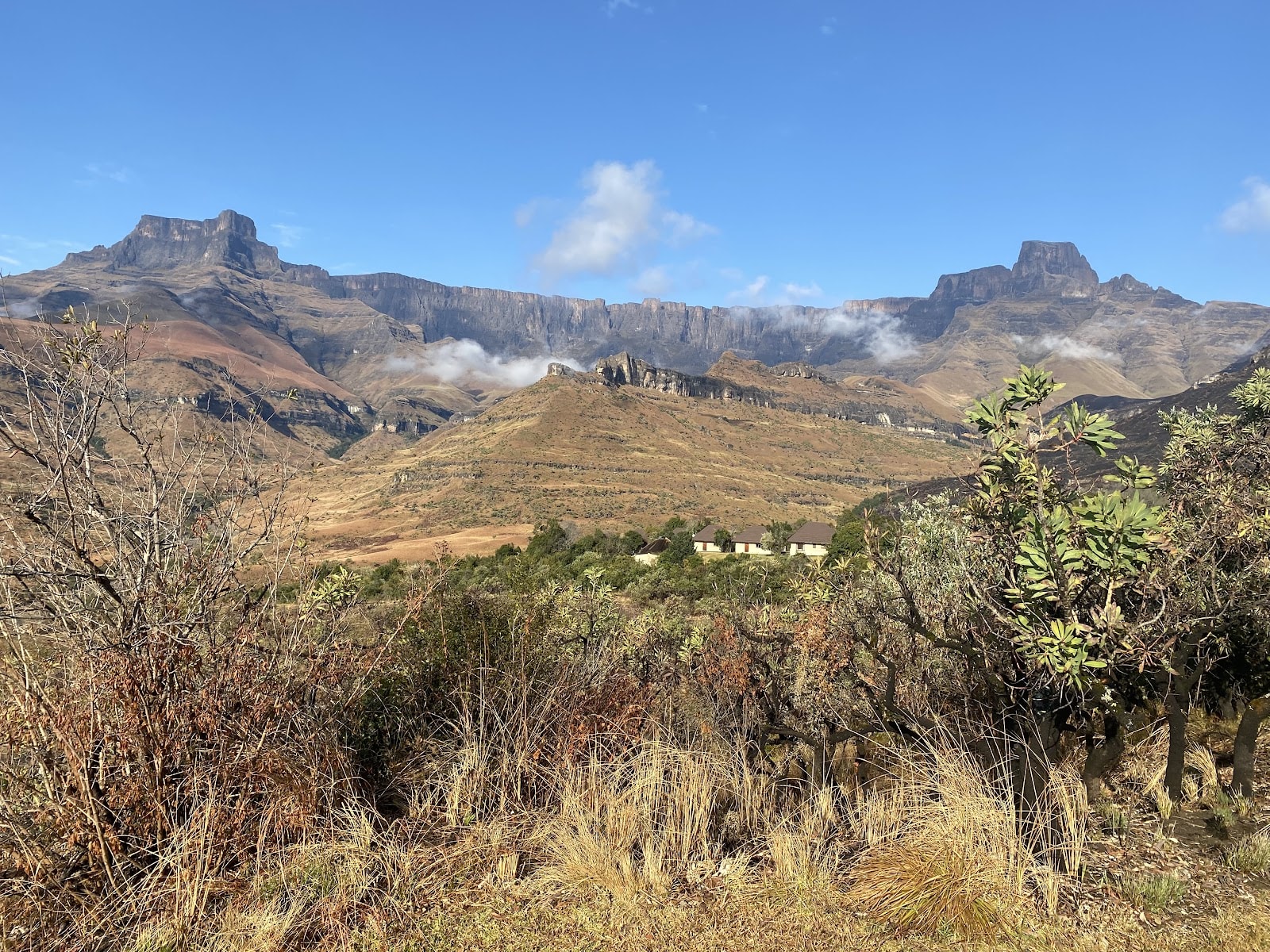
uKhahlamba-Drakensberg Park
KwaZulu-Natal · Year-round
10 lieux

Wildlife
The caracal (Caracal caracal) is a medium-sized wild cat native to Africa, the Middle East, Central Asia and India.
Recorded year-round
Recorded in every month, so no month is the wrong month to look. We would rather say that than invent a best time.
Curve from 1,533 national iNaturalist observations, not from one property. Single-month spikes are discarded as upload artefacts, and below 50 records we show no curve at all.
Western Cape and beyond
Provinces where Caracal is most recorded. Tap one to find places to stay.
1,533 records, iNaturalist
À travers KwaZulu-Natal
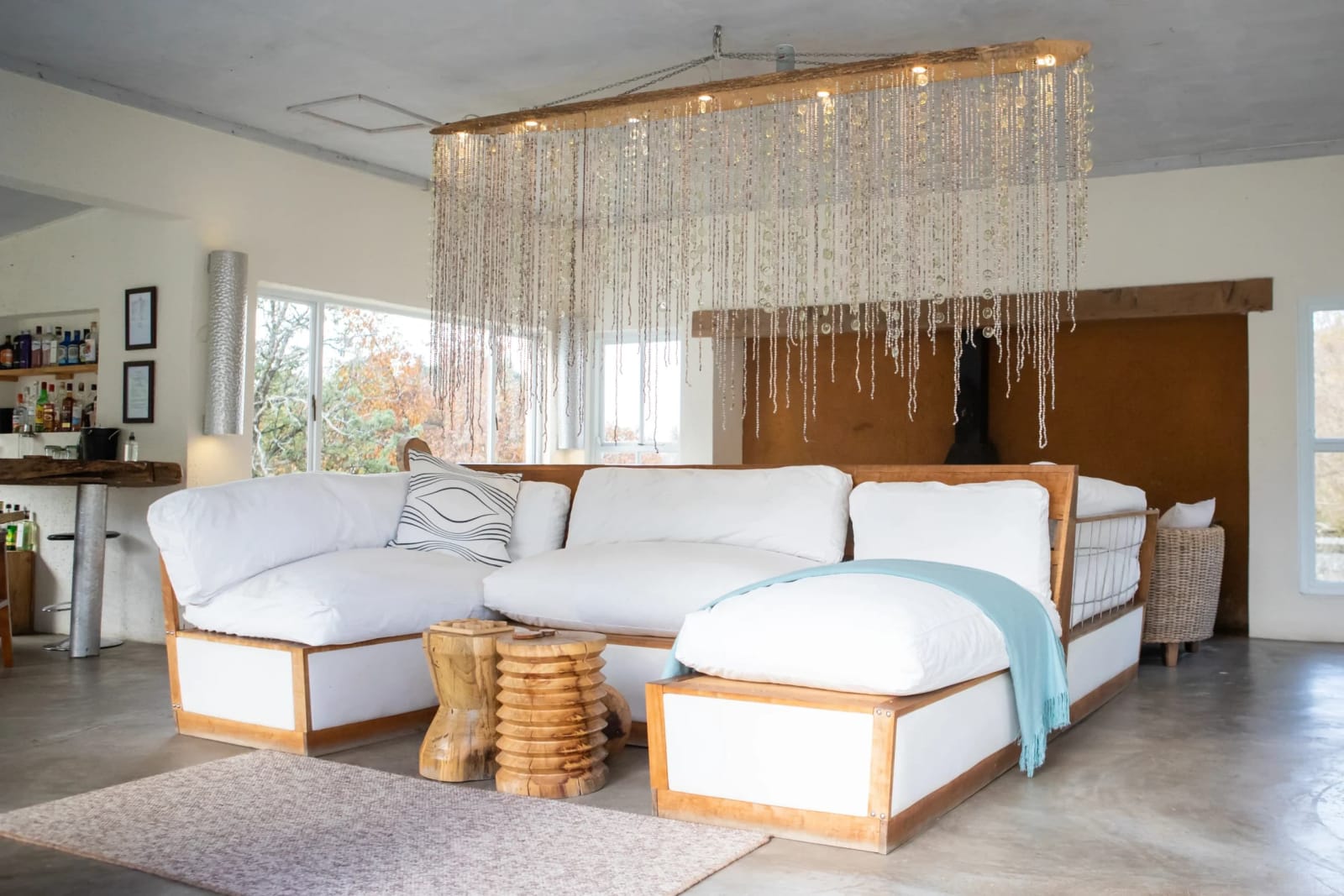
Nottingham Road
Caracal : espèce observée ici · Biome Prairie · Bushbuck · Serval
Soutient Royal Drakensberg Education Trust
À partir de R 4,100 la nuit
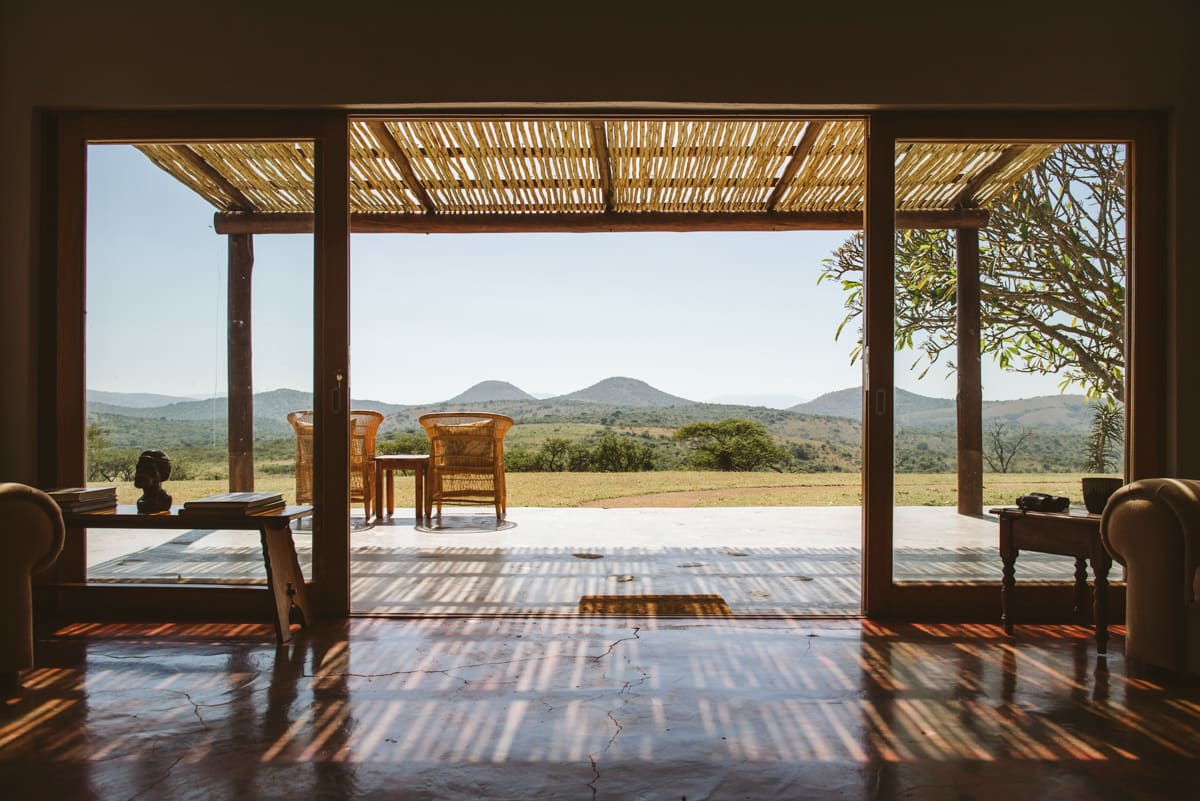
Magudu
Caracal : espèce observée ici · Biome Savane · Leopard · Lion
Soutient Zululand Conservation Trust
À partir de R 1,280 la nuit
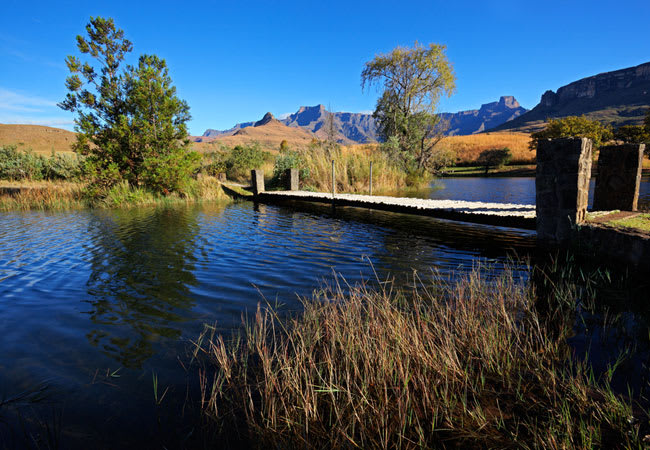
uKhahlamba-Drakensberg Park
Caracal : espèce observée ici · Biome Prairie · Southern rock agama · Tree fuchsia
À partir de R 190 la nuit
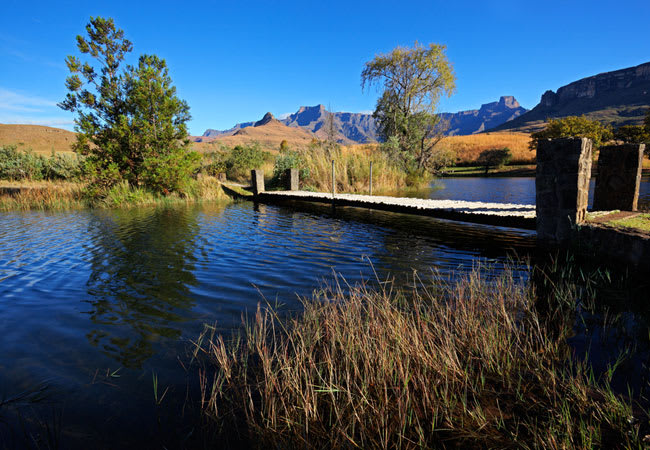
uKhahlamba-Drakensberg Park
Caracal : espèce observée ici · Biome Prairie · Southern rock agama · Cape heath
À partir de R 190 la nuit
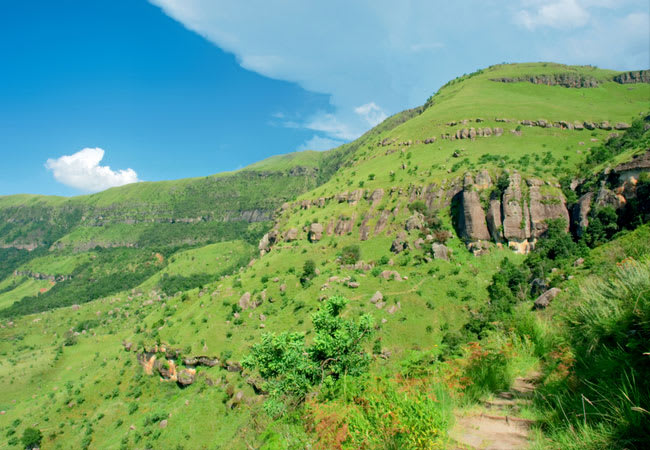
uKhahlamba-Drakensberg Park
Caracal : espèce observée ici · Biome Prairie · Real yellowwood · Chacma baboon
À partir de R 130 la nuit
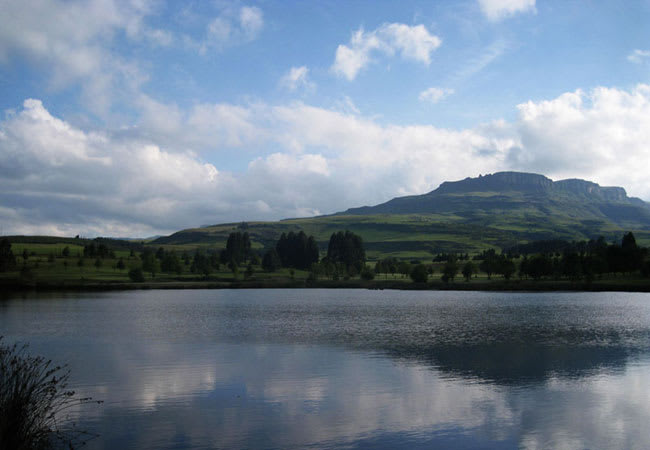
uKhahlamba-Drakensberg Park
Caracal : espèce observée ici · Biome Prairie · Tree fuchsia · Black wildebeest
À partir de R 840 la nuit
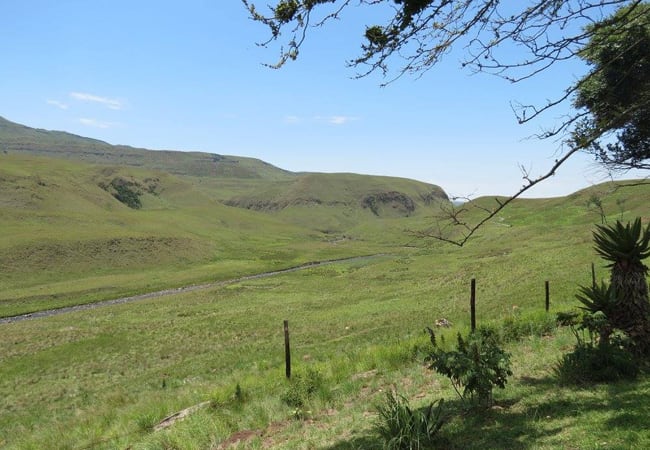
uKhahlamba-Drakensberg Park
Caracal : espèce observée ici · Biome Prairie · Southern rock agama · Common eland
À partir de R 270 la nuit
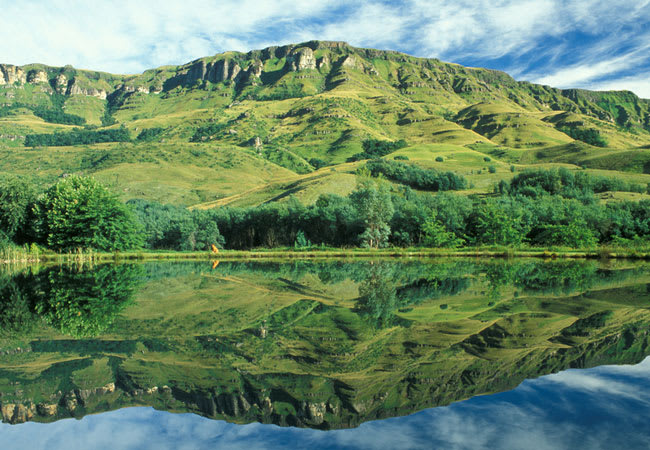
uKhahlamba-Drakensberg Park
Caracal : espèce observée ici · Biome Prairie · Real yellowwood · Chacma baboon
À partir de R 200 la nuit
uKhahlamba-Drakensberg Park
Caracal : espèce observée ici · Biome Prairie · Chacma baboon · Bushbuck
À partir de R 360 la nuit
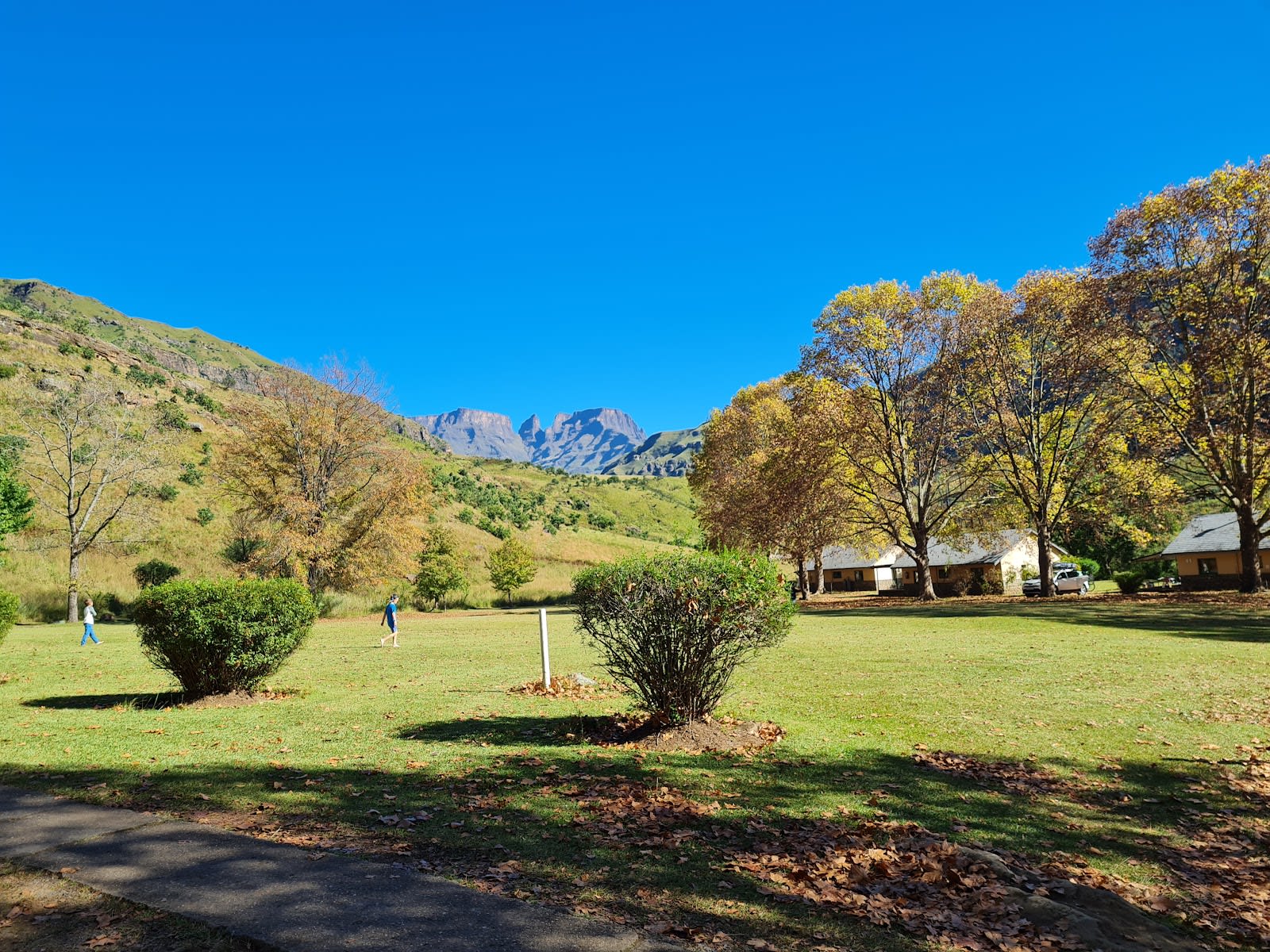
uKhahlamba-Drakensberg Park
Caracal : espèce observée ici · Biome Prairie · Real yellowwood · Chacma baboon
À partir de R 170 la nuit
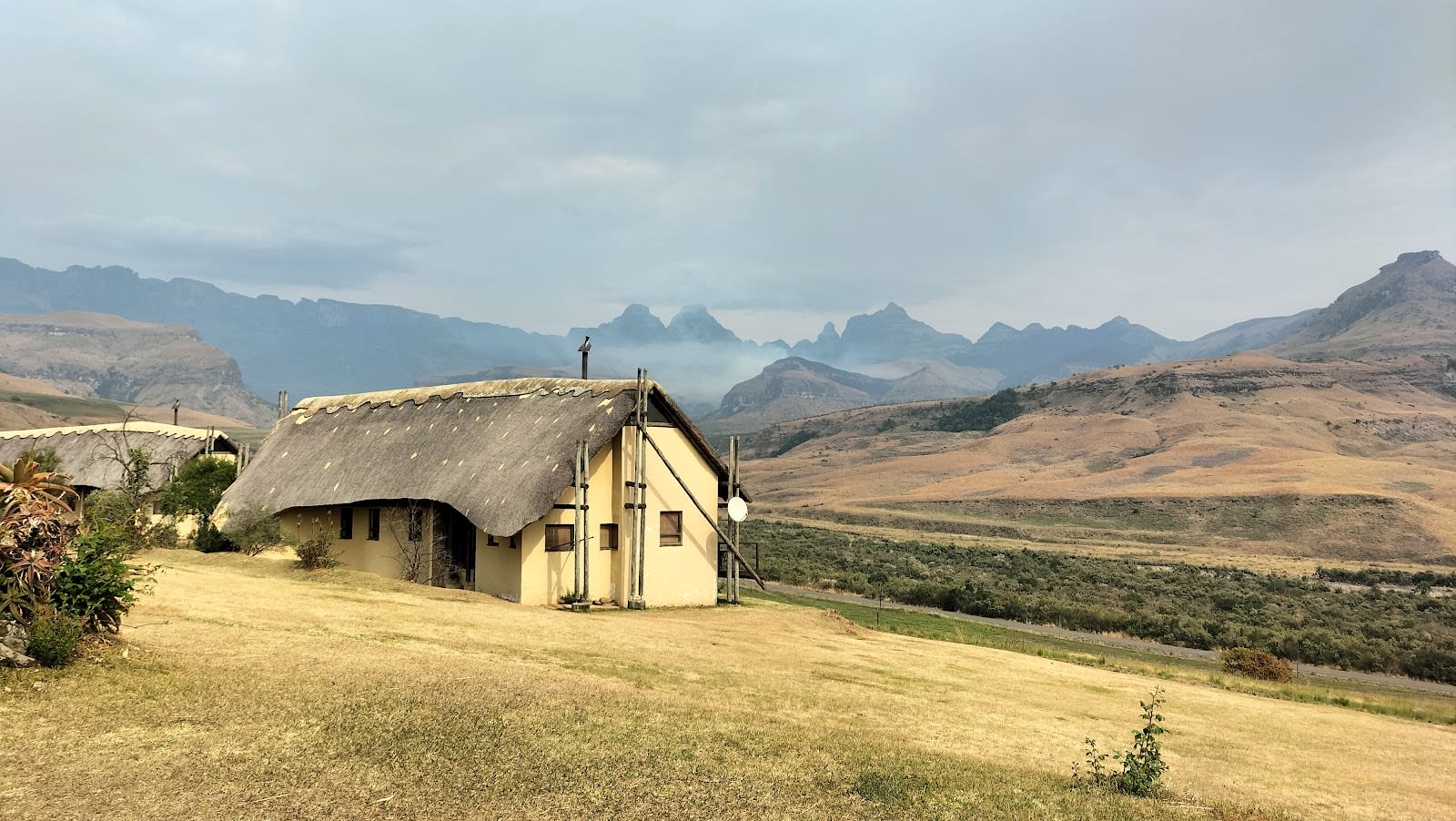
uKhahlamba-Drakensberg Park
Caracal : espèce observée ici · Biome Prairie · Real yellowwood · Tree fuchsia
À partir de R 1,070 la nuit
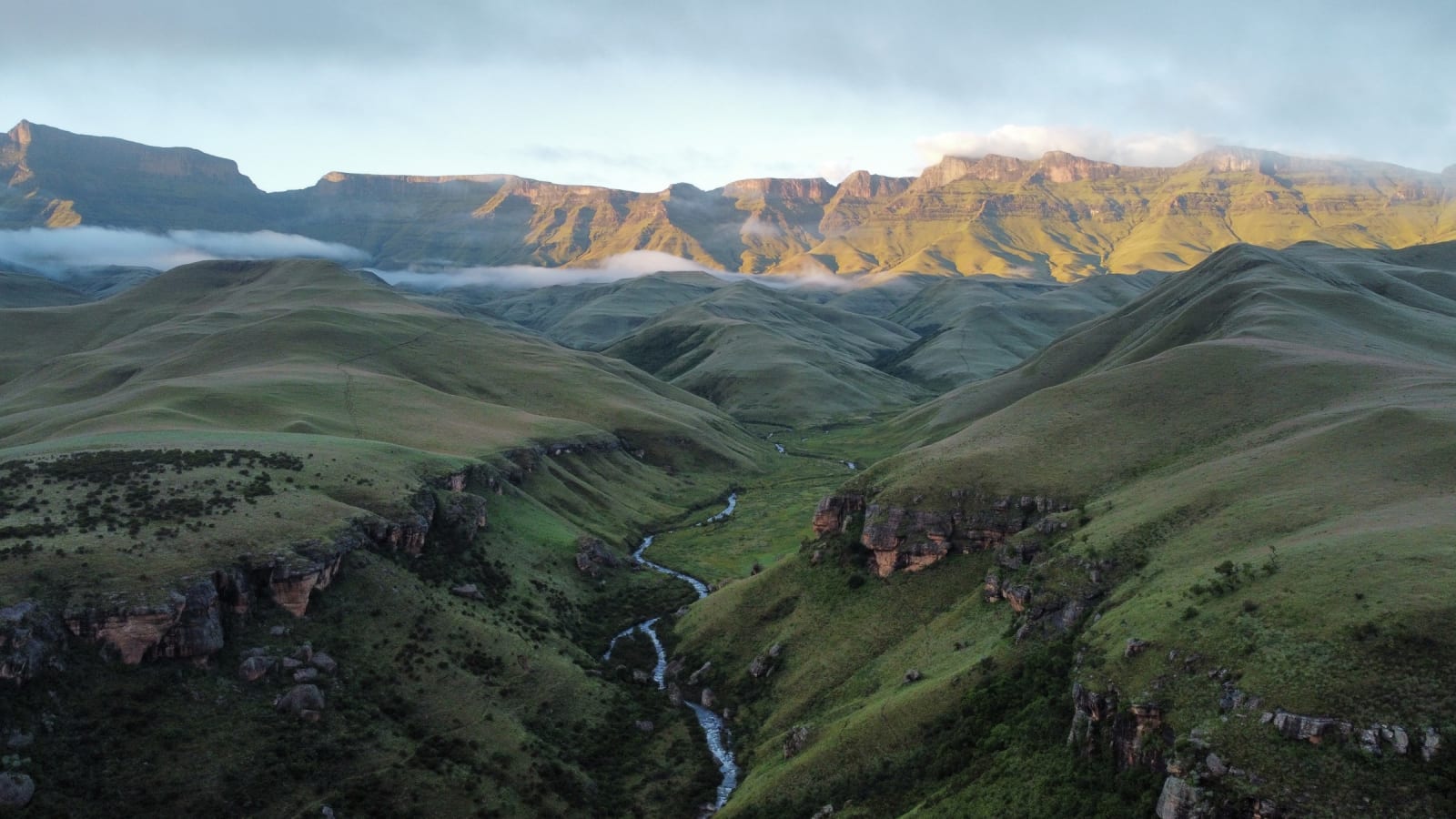
uKhahlamba-Drakensberg Park
Caracal : espèce observée ici · Biome Prairie · Real yellowwood · Chacma baboon
À partir de R 1,150 la nuit

Ballito
Biome Ceinture côtière de l’océan Indien
Soutient National Sea Rescue Institute
À partir de R 3,995 la nuit
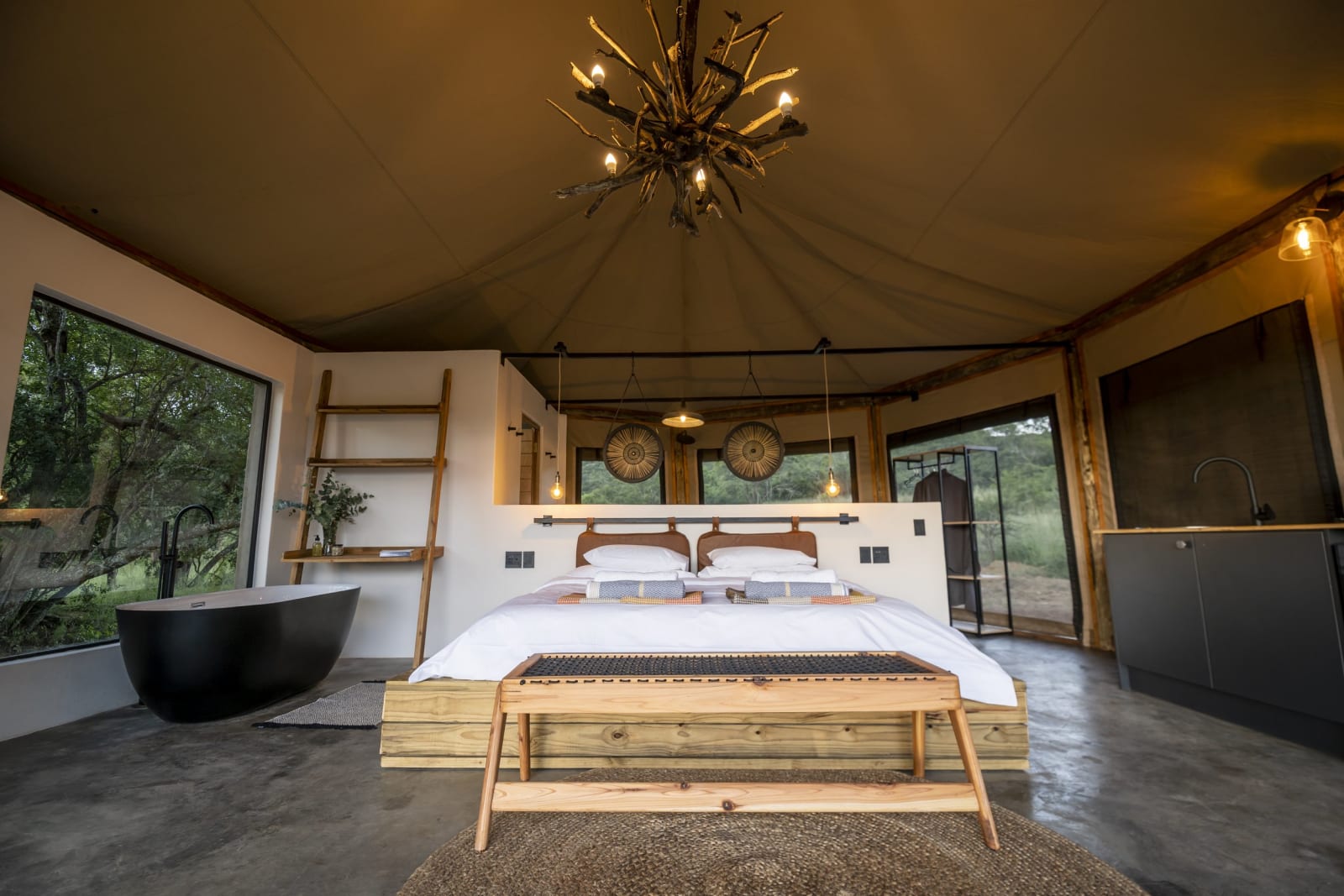
Bergville
Biome Prairie
Soutient Royal Drakensberg Education Trust et 2 autres causes
À partir de R 5,400 la nuit

Richmond
Biome Prairie
Soutient Isibindi Foundation
À partir de R 5,990 la nuit
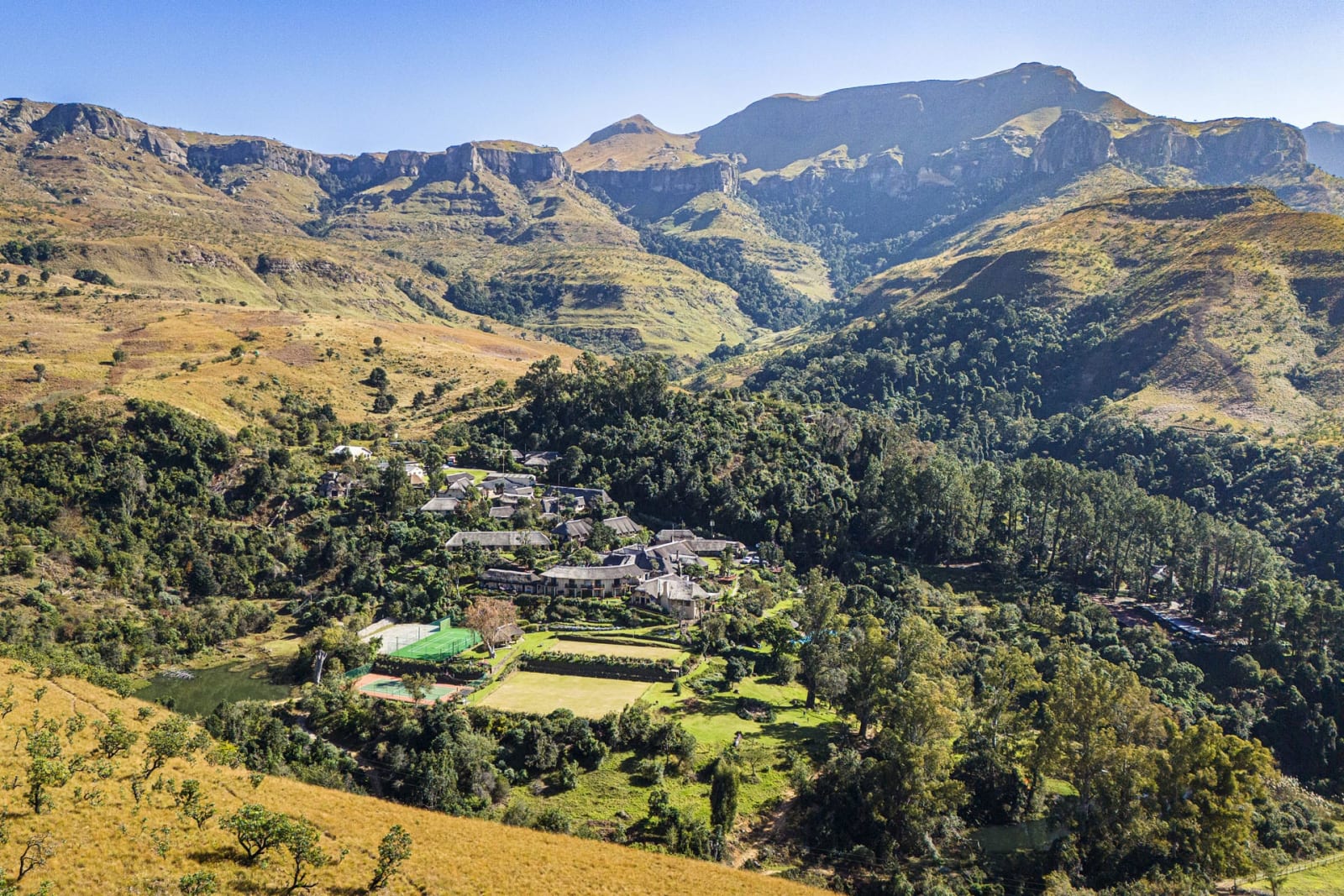
Drakensberg, Bergville
Biome Prairie
Soutient Royal Drakensberg Education Trust
À partir de R 4,280 la nuit

Drakensberg, Bergville
Biome Prairie · Spotted hyena · Leopard
Soutient Royal Drakensberg Education Trust
À partir de R 1,140 la nuit

Hluhluwe-Imfolozi Park
Biome Savane · African wild dog · Spotted hyena
Soutient Isibindi Foundation
Prix sur demande
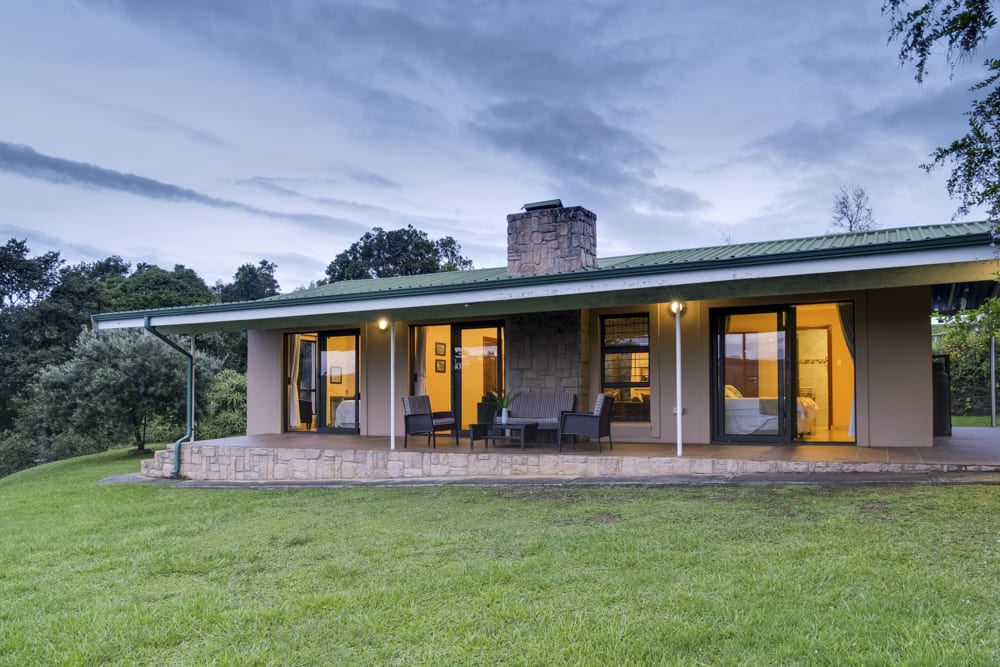
Cathkin Park
Biome Prairie
Soutient Royal Drakensberg Education Trust
À partir de R 1,691 la nuit

iSimangaliso Wetland Park
Biome Forêt · Humpback whale · Southern right whale
Soutient Isibindi Foundation
Prix sur demande

Underberg
Biome Prairie · Blesbok · Serval
Soutient Zululand Conservation Trust et 3 autres causes
À partir de R 1,200 la nuit

Drakensberg, Bergville
Biome Prairie
Soutient Royal Drakensberg Education Trust
À partir de R 1,950 la nuit

iSimangaliso Wetland Park
Biome Forêt · Hippopotamus · Nile crocodile
Soutient Isibindi Foundation et 1 autre cause
Prix sur demande

Drakensberg, Bergville
Biome Prairie · Bushbuck · Common eland
Soutient Royal Drakensberg Education Trust et 1 autre cause
À partir de R 6,800 la nuit

Prochaine étape
iSimangaliso wetlands, sand forest, and Sodwana reefs
Voir les hébergements engagésPréparer un voyage
Caracal : signalé par des hôtes dans ou près de uKhahlamba-Drakensberg Park, Giants Castle Game Reserve and Kamberg Nature Reserve.
| Parc | janv | févr | mars | avr | mai | juin | juil | août | sept | oct | nov | déc |
|---|---|---|---|---|---|---|---|---|---|---|---|---|
| uKhahlamba-Drakensberg | Présent | Présent | Présent | Présent | Plus facile à voir | Plus facile à voir | Plus facile à voir | Plus facile à voir | Plus facile à voir | Présent | Présent | Présent |
| Giants Castle | Présent | Présent | Présent | Présent | Plus facile à voir |
Les mois plus foncés sont la meilleure saison de chaque parc, quand la brousse clairsemée ou le manque d’eau facilite l’observation. Une observation n’est jamais garantie.
Conduire soi-même
Votre véhicule et votre rythme, sur les routes du parc.
Parcs où l’espèce est signalée
Espèce
Caracal caracal
Observations
1,533
observations iNaturalist
Chaque réservation sur Spekboom soutient la conservation.
Une observation signifie qu’un hôte a vu l’espèce Caracal sur place ou à proximité. Ce n’est jamais une garantie de la voir.
Hosts on Spekboom have recorded the Caracal at stays in or beside uKhahlamba-Drakensberg Park, Giants Castle Game Reserve, Kamberg Nature Reserve and Royal Natal National Park. A record means a host has seen it on the property or nearby, which makes these the places to base yourself; it is never a guarantee of a sighting on any given day.
The Caracal is most recorded in Western Cape (76% of records), Northern Cape (5% of records), based on 1,533 iNaturalist observations. 12 places to stay on Spekboom in KwaZulu-Natal have recorded the Caracal on site or nearby.
The Caracal is recorded throughout the year, so no month is the wrong month to look for it. For the parks where hosts record it most, these are the best seasons they give. uKhahlamba-Drakensberg Park: year-round, dry season May-Sep; Giants Castle Game Reserve: year-round, dry season May-Sep; Kamberg Nature Reserve: year-round, dry season May-Sep; Royal Natal National Park: year-round, dry season May-Sep. In the dry months animals concentrate at water and the grass is short.
The caracal (Caracal caracal) is a medium-sized wild cat native to Africa, the Middle East, Central Asia and India. The caracal is characterised by a robust build, long legs, a short face, long tufted ears and long canine teeth. Its coat is uniformly reddish tan or sandy, while the ventral parts are lighter with small reddish markings.
| Plus facile à voir |
| Plus facile à voir |
| Plus facile à voir |
| Plus facile à voir |
| Présent |
| Présent |
| Présent |
| Kamberg | Présent | Présent | Présent | Présent | Plus facile à voir | Plus facile à voir | Plus facile à voir | Plus facile à voir | Plus facile à voir | Présent | Présent | Présent |
|---|
| Royal Natal | Présent | Présent | Présent | Présent | Plus facile à voir | Plus facile à voir | Plus facile à voir | Plus facile à voir | Plus facile à voir | Présent | Présent | Présent |
|---|


