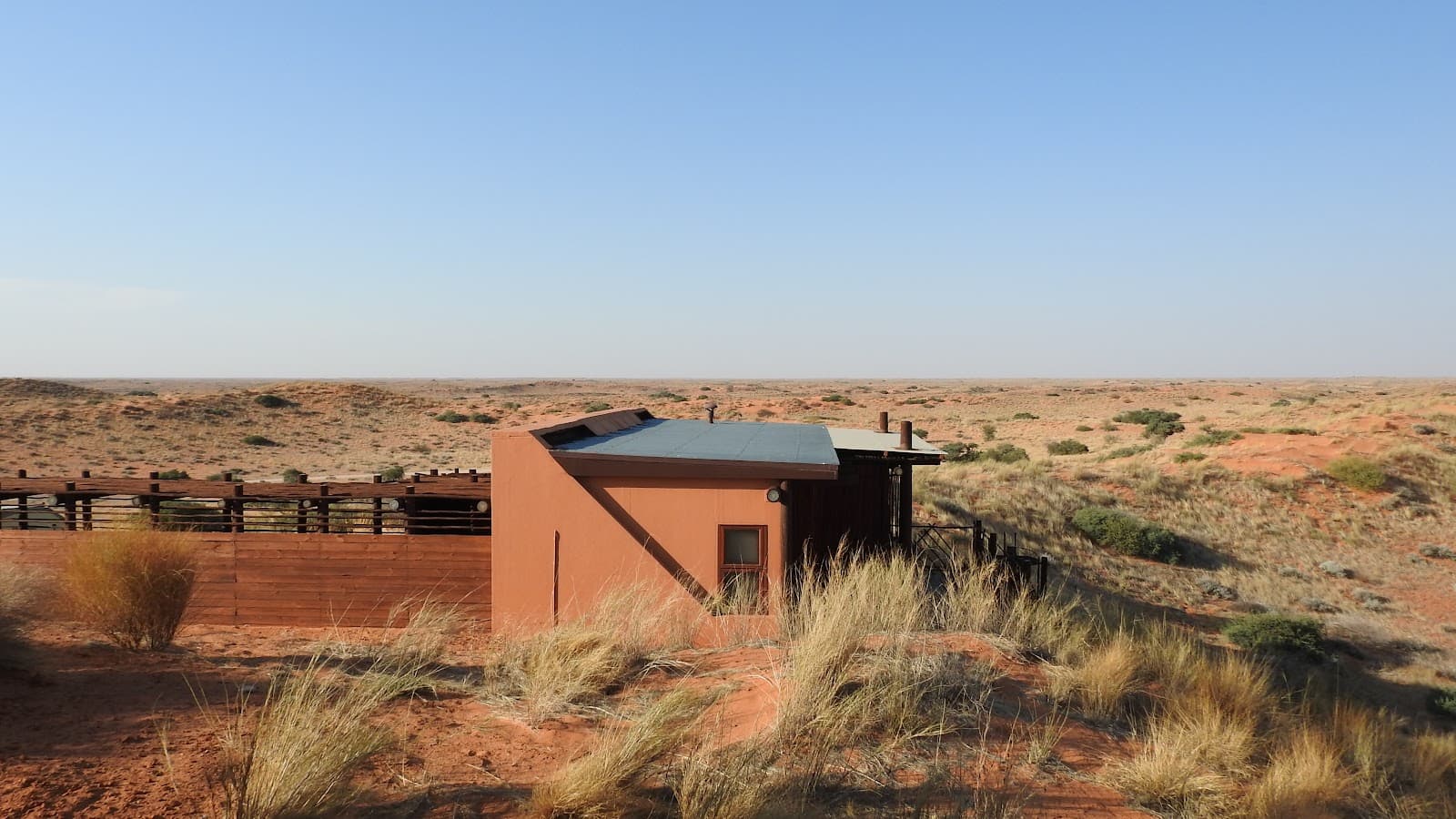
Kalahari desert shared with Botswana
North West, South Africa
Kgalagadi Transfrontier Park is a transfrontier park in North West, South Africa, managed by SANParks. Visitors come for nature appreciation, photography. The best time to visit is Aug-Oct (flowers), Mar-May.
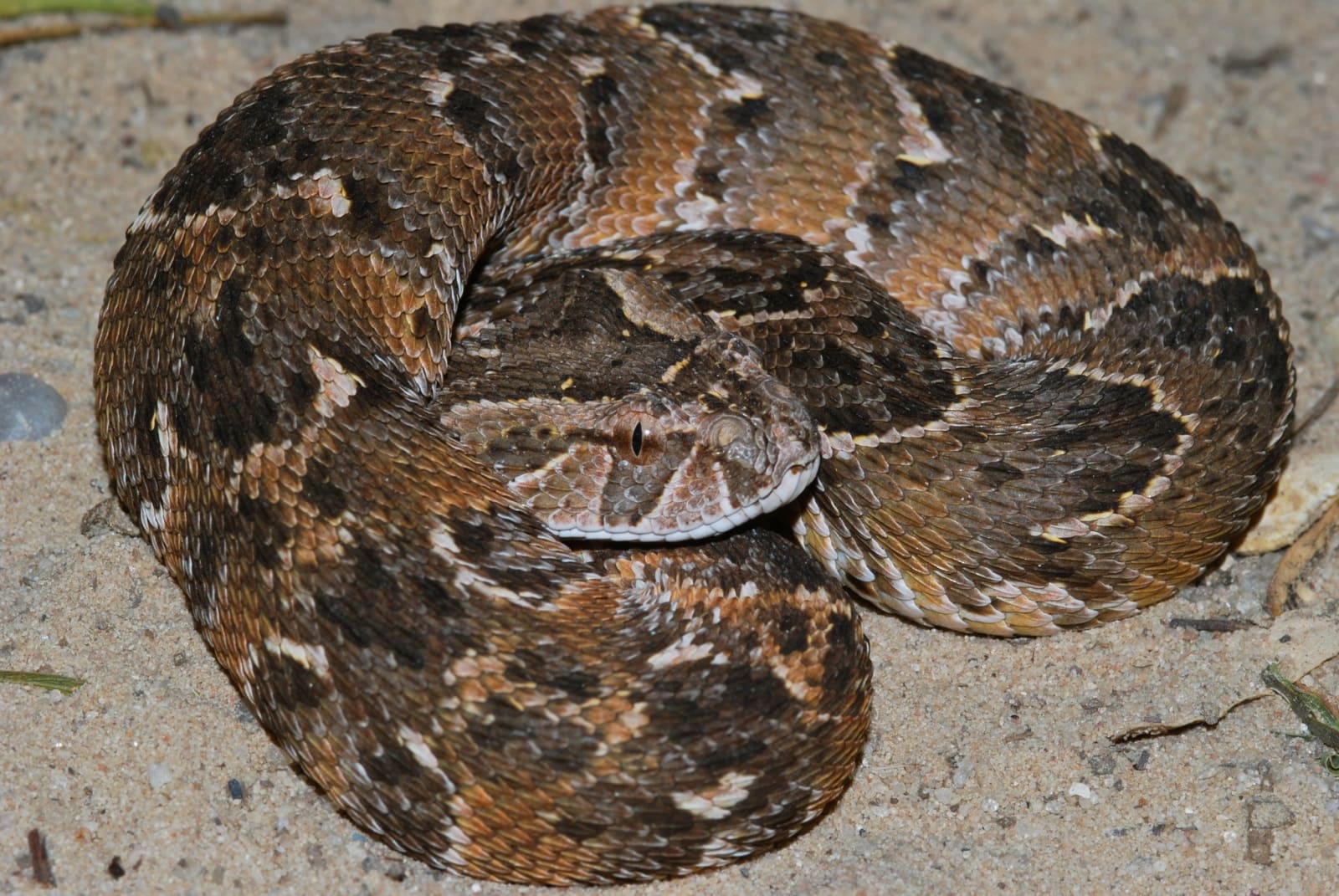
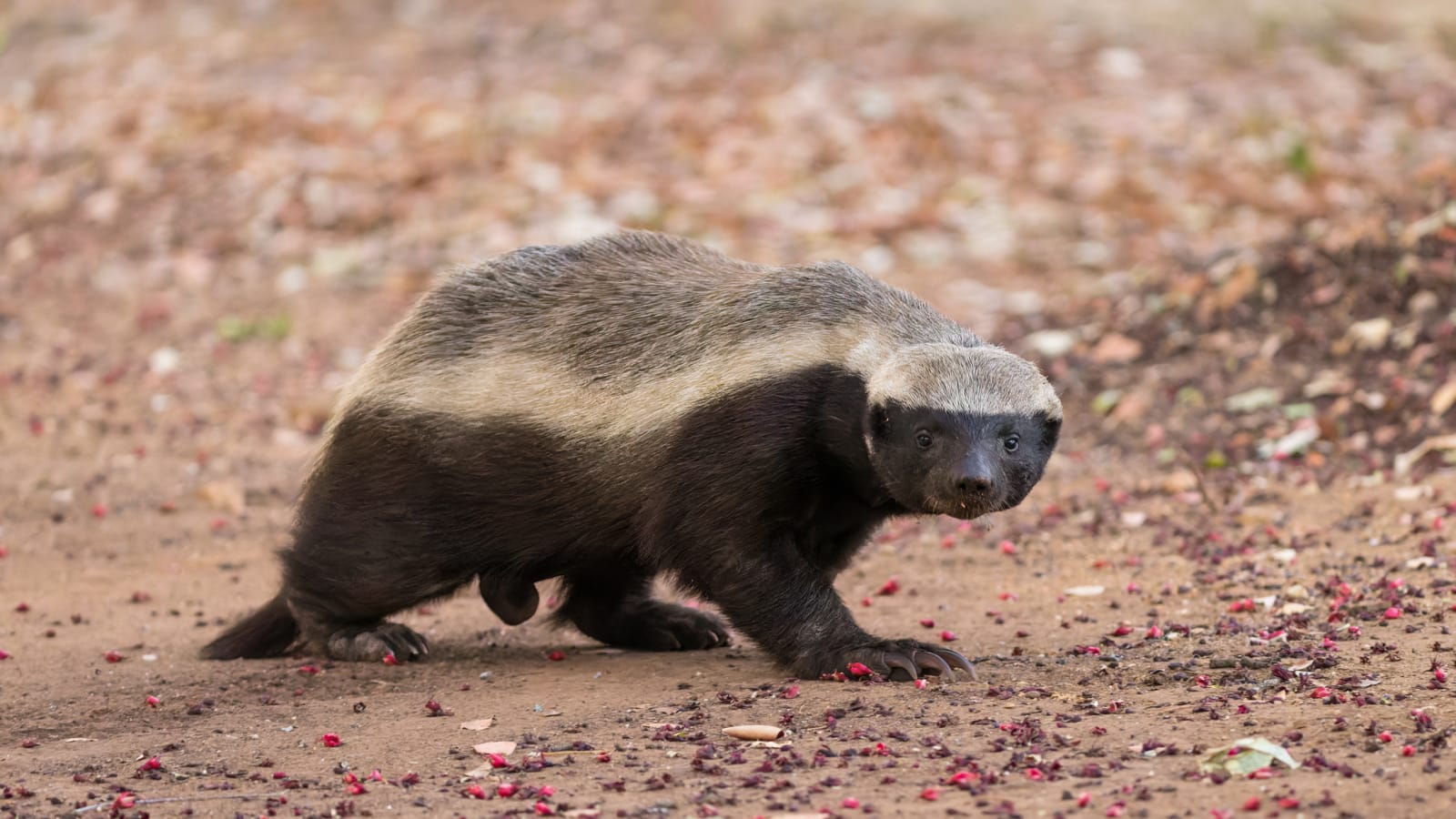
The species most recorded in North West, drawn from citizen-science observations. Tap any to find stays where you can see it.
Ranked by how often they are recorded in the province, from iNaturalist observations. Tap one to find stays where it lives.
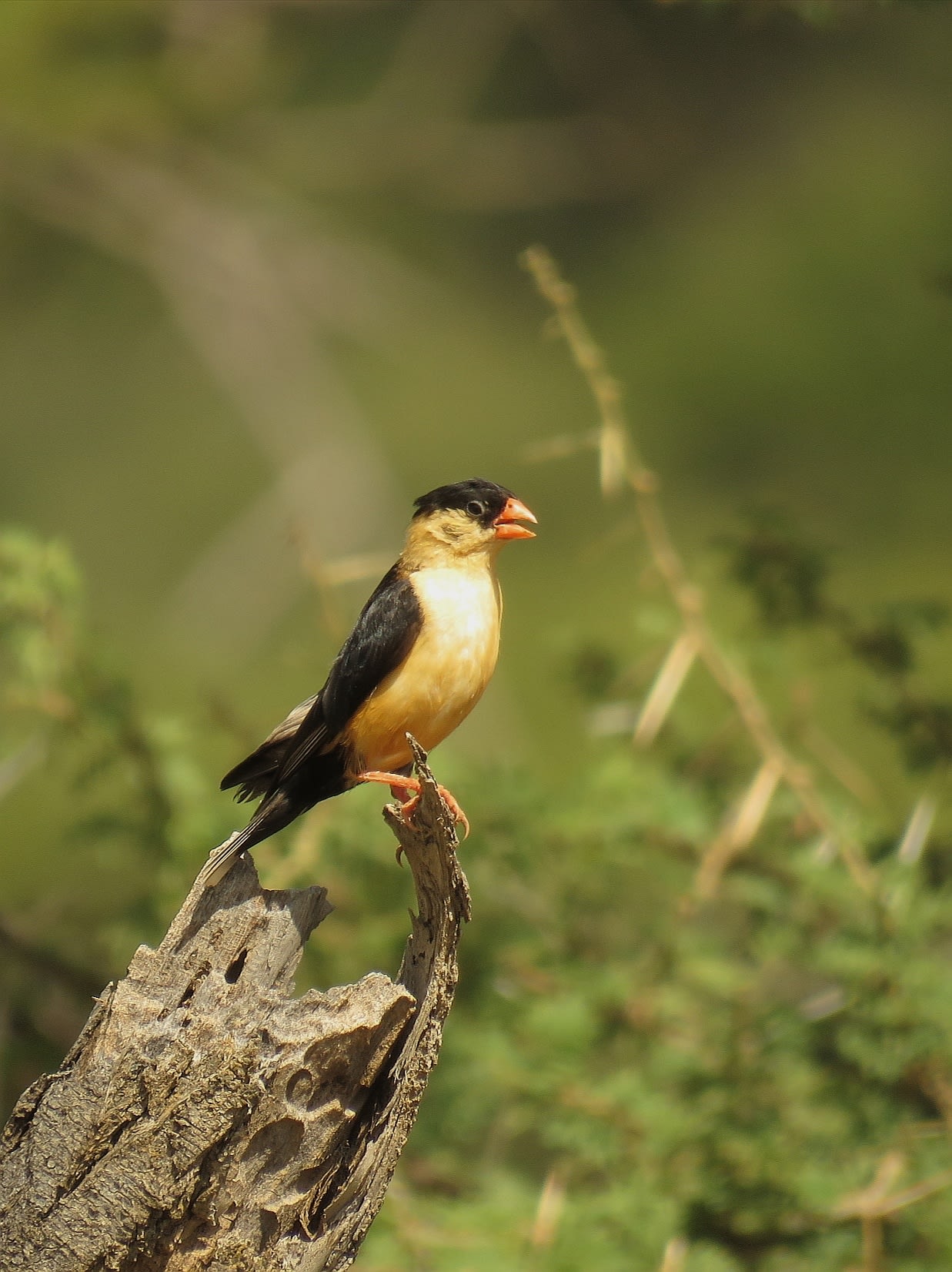
Species birders log most in this province. Numbers are records, not guarantees.
Occurrence data from iNaturalist, aggregated by province. It reflects where a species is seen across North West, not confirmed sightings inside this reserve.
Aug-Oct (flowers), Mar-May
Why book here
Wild places survive when the communities around them earn more from protecting wildlife than from anything that would replace it. Every stay you book through Spekboom carries a conservation contribution built into the price, never added on top, so choosing where you sleep becomes a way to fund the people and projects keeping this landscape intact.
Inside-park stays and nearby lodges, sorted by distance.
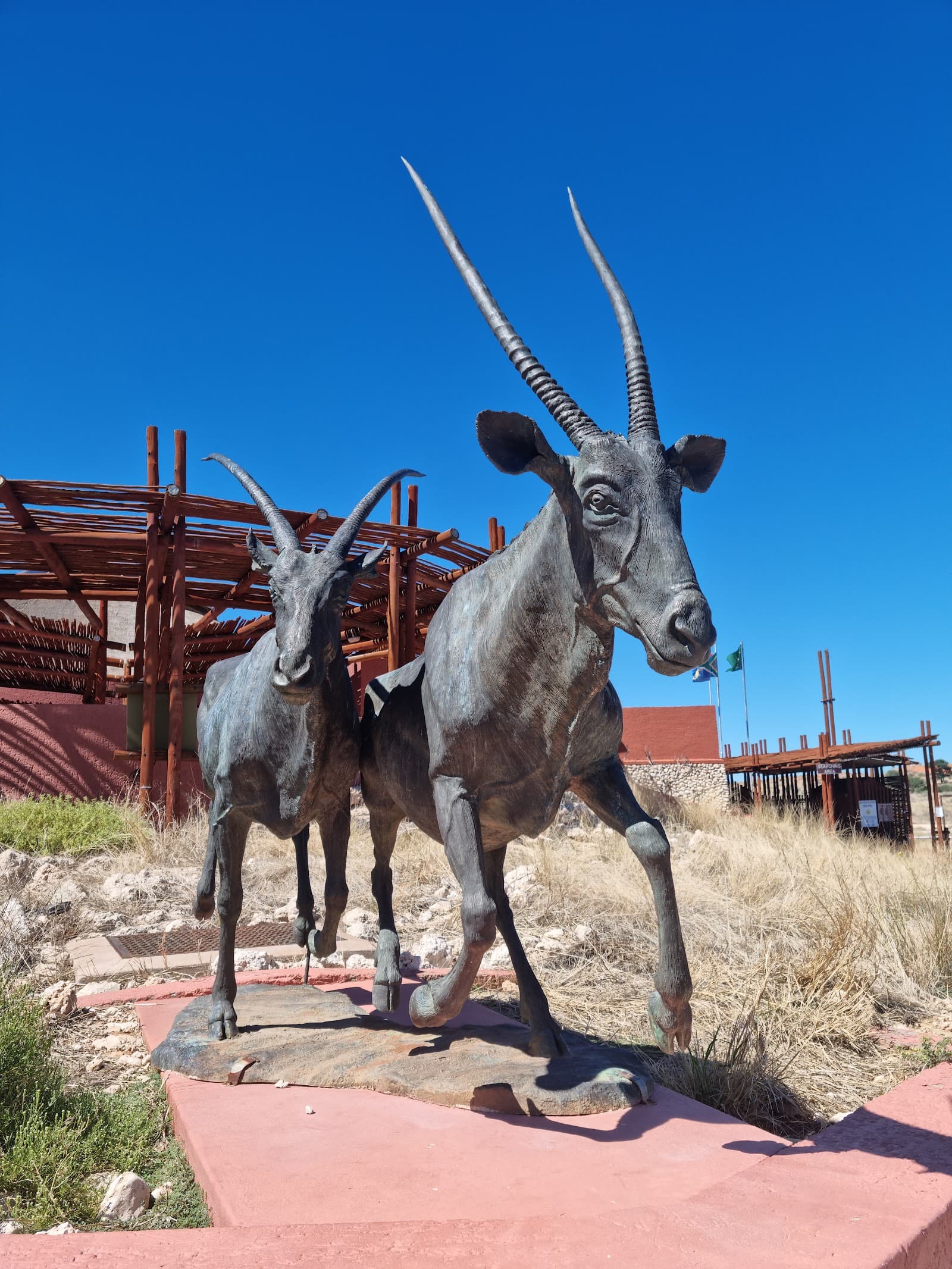
Kalahari Tented Camp stands on a dune ridge in the Kgalagadi Transfrontier Park, looking out over the dry bed of the Auob River and a waterhole below. The setting is pure Kalahari, red dunes, sparse camelthorn trees and a vast pale sky, in one of the most remote and atmospheric wilderness areas in southern Africa. The camp is well known for the game that moves along the riverbed and gathers at the waterhole, where gemsbok, springbok and wildebeest draw the predators the Kgalagadi is famous for, including the black-maned Kalahari lion, cheetah and leopard. Dawn and dusk at the waterhole are the highlights of any stay. Accommodation is in desert tents built of canvas and timber, each with its own kitchen and shaded veranda. There is a swimming pool to escape the midday heat. This is a place for big silence, clear night skies and unhurried game watching from your own doorstep.
Mata-Mata sits on the western edge of the Kgalagadi Transfrontier Park, on the dry bed of the Auob River and right against the Namibian border. The riverbed and its line of camel thorn trees draw a steady traffic of game, and the camp's waterhole can be watched from within the rest camp itself. The Auob's calcrete ridges and sparse grass are good country for gemsbok, springbok, blue wildebeest and red hartebeest, with predators following the herds. Raptors are a particular feature, and the camp is well placed for the slow, patient game viewing the Kalahari rewards. Facilities are more developed than the park's wilderness camps, with a shop, fuel, a swimming pool and a range of chalets and camping sites. A border post here also allows guests to cross into Namibia, making Mata-Mata a useful staging point as well as a destination in its own right.
Twee Rivieren is the largest rest camp in the Kgalagadi Transfrontier Park and its main entrance, set near the confluence of the dry Nossob and Auob rivers in the south of the reserve. As the park's administrative hub it is the most developed of its camps, and for most visitors it is the first and last stop in the Kalahari. The camp is unusually well equipped for so remote a place, with a shop, fuel, a restaurant, a swimming pool and a range of chalets and camping sites. It is also the only camp in the park with mobile reception, and the place to confirm onward arrangements before heading deeper north. The surrounding red dunes and sparse camel thorn savannah are home to gemsbok, springbok and wildebeest, with the park's famous black-maned lions, cheetah and raptors drawn to the riverbeds. Hot days and cold, brilliantly clear nights are typical of this corner of the southern Kalahari.
Nossob Rest Camp lies deep in the Kgalagadi Transfrontier Park, set in the dry bed of the Nossob River that forms the border between South Africa and Botswana. The country here is classic Kalahari, red dunes giving way to the pale river course and its scattered camelthorn trees, and the camp's remote position makes it a true desert outpost. A waterhole at the camp fence draws a steady traffic of game. The Nossob riverbed and its line of waterholes are renowned for predators, and this is one of the best places in the park to see the famous black-maned Kalahari lion, along with cheetah, leopard and brown hyena. Gemsbok, springbok, eland and large birds of prey are constant companions on the river drives. The camp offers chalets, cottages and camping, with a shop for essentials and fuel, and a predator information centre. After sunset the silence and the sweep of stars over the desert are unforgettable.
Bitterpan is one of the Kgalagadi's small wilderness camps, set deep in the red dunes between Nossob and Mata-Mata, accessible only along a one-way 4x4 dune road. With just a handful of reed-and-canvas units raised on stilts and looking out over a waterhole, it holds very few guests at a time, which is much of its appeal. There is no shop, no fuel and no mains electricity, so visitors arrive self-sufficient. Solar power runs the basics and meals are prepared in a shared kitchen. The reward is deep silence and an uninterrupted view of the pan. The surrounding dunefield is classic Kalahari, sparse camel thorn and grassy interdune valleys where gemsbok, springbok and the occasional black-maned lion move between waterholes. Nights are exceptionally dark, and the camp is a fine place for stargazing well away from any other light.
Kieliekrankie is a small wilderness camp set high on a red dune in the South African section of the Kgalagadi Transfrontier Park, a vast arid reserve straddling the border with Botswana. Its handful of cabins look out across an endless sea of dunes and sparse camel thorn, giving guests an immense, uninterrupted view of the Kalahari and some of the darkest, most star-filled night skies in the country. The camp is deliberately remote and self-catering, without a shop or restaurant, so visitors stock up at the larger camps before arriving. Each unit has its own outlook over the landscape, and a waterhole below the dune draws game to within easy view. This is dry-country wildlife at its most striking. Gemsbok, springbok and red hartebeest move across the dunes, and the Kgalagadi is famed for its black-maned lions, cheetah and raptors. The stillness and the scale of the desert are as much the attraction as the animals.
Urikaruus Wilderness Camp is a small, unfenced camp set among camelthorn trees on the bank of the dry Auob riverbed in the Kgalagadi Transfrontier Park. The cabins are raised on stilts and linked by elevated walkways, looking out over a waterhole that brings a steady stream of desert wildlife right to the camp. This is one of the most intimate and immersive camps in the Kalahari, with no shop, restaurant or fuel, so visitors come fully self-sufficient and settle into the deep quiet of the red dunes. The Auob is a renowned game-viewing route, and from the verandas guests watch gemsbok, springbok and wildebeest come to drink, often shadowed by the park's famous black-maned lions, cheetah and leopard. Days here move to the rhythm of the waterhole and the long desert light, and the cloudless Kalahari nights deliver some of the finest stargazing in the country. It is a stay designed for those who want wilderness at its most stripped back.
Grootkolk is a tiny, remote wilderness camp in the far north of the Kgalagadi Transfrontier Park, a short distance from Union's End where South Africa, Botswana and Namibia meet. Just a few desert cabins of sandbag and canvas look out over a floodlit waterhole, and the camp takes only a small number of guests, which keeps it quiet and intimate. This is unfenced Kalahari at its most elemental. The waterhole draws game through the day, and the area is well known for its lions and other predators, so movement around camp is best kept to a minimum after dark. Gemsbok, springbok and wildebeest are common in the surrounding dunes. There are no shops or fuel here, so guests must arrive fully self-sufficient. Solar power and a shared kitchen cover the essentials. In return you get one of the most isolated and atmospheric stays in the park, with vast skies and near-total silence.
Gharagab Wilderness Camp is one of the most remote and unfenced camps in the Kgalagadi Transfrontier Park, tucked into the dune fields of the far north where the red Kalahari sand meets thornveld and open savannah. It is reached only by four-wheel-drive, and the sense of isolation is part of its appeal. There are no shops or restaurants here, so guests must be entirely self-sufficient. The camp consists of a handful of log-and-canvas cabins raised on stilts, each with a private view over a waterhole and the surrounding plains. Lion, cheetah, gemsbok and giraffe move through the country, and the absence of fences means that game can pass close to the cabins. This is a place for travellers who want quiet and space rather than facilities. Evenings are spent watching the waterhole and the vast, unpolluted night sky, and the deep silence of the Kalahari is the camp's greatest luxury.
Kgalagadi Transfrontier Park is in North West, South Africa.
In North West, commonly recorded species include mammals such as Serval, Blue Wildebeest, Giraffe, Impala and birds including Kalahari Scrub Robin, Violet-eared Waxbill, Crimson-breasted Shrike, based on iNaturalist occurrence data. These reflect the wider province, not confirmed sightings inside the reserve.
The best time to visit Kgalagadi Transfrontier Park is Aug-Oct (flowers), Mar-May.
Popular activities at Kgalagadi Transfrontier Park include nature appreciation, photography.
9 places are listed in and near Kgalagadi Transfrontier Park on Spekboom, from inside-park camps to nearby lodges. Every booking funds conservation.