The southern Kalahari homeland of the ǂKhomani San, inside the Kgalagadi
Northern Cape, South Africa
The ǂKhomani Cultural Landscape is the southern part of the Kgalagadi, inscribed as a World Heritage Site in 2017 for the ǂKhomani San, whose ancestors have lived in this desert for thousands of years and who won back rights to the land in 1999. It is a cultural inscription rather than a scenic one: the dunes and the camelthorn riverbeds are the same Kalahari as the rest of the park, but here the San communities offer tracking walks, storytelling and stays that explain how people lived in it. !Xaus Lodge, on a salt pan in the dunes, is owned by the community and is the main way to experience the landscape as intended.
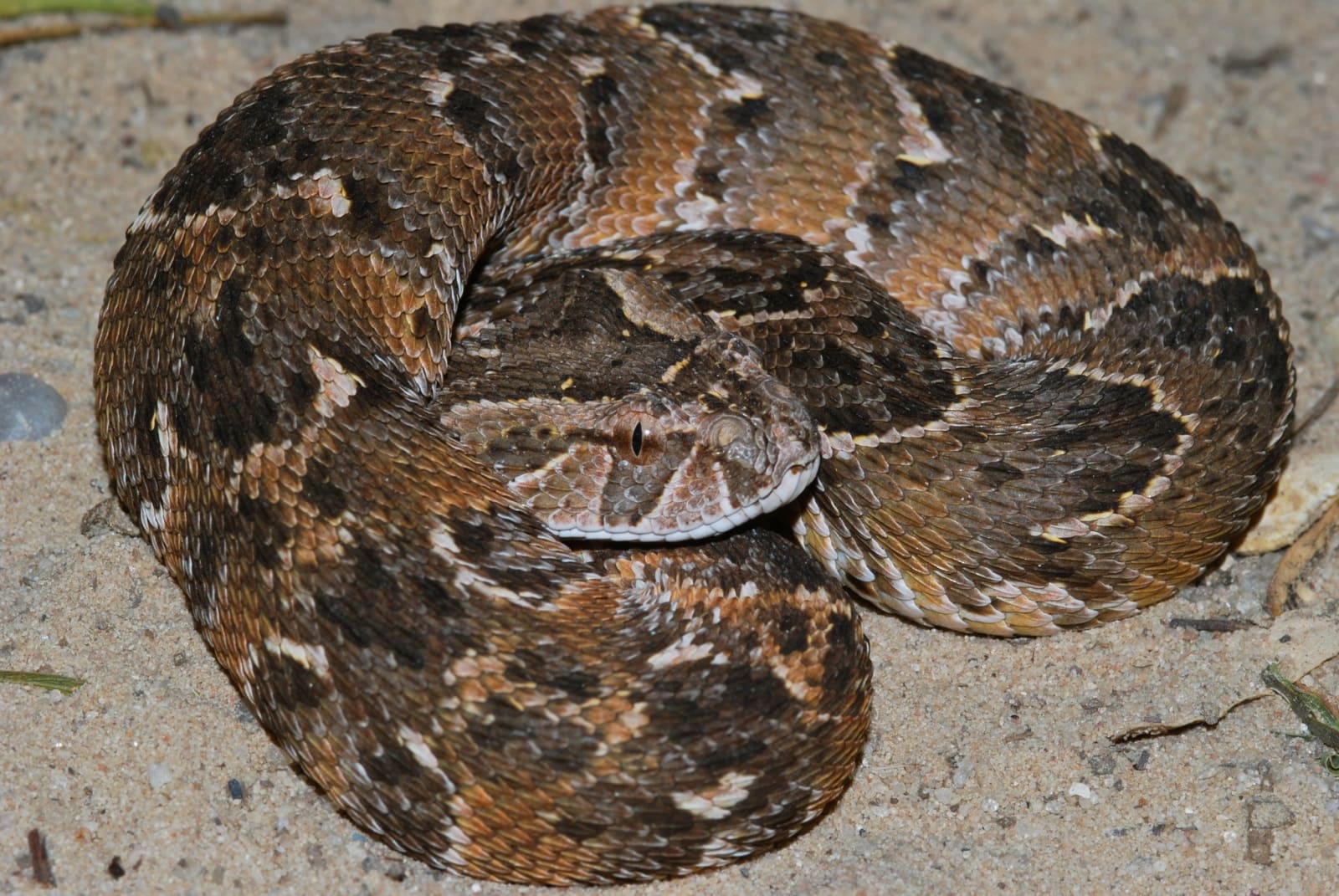
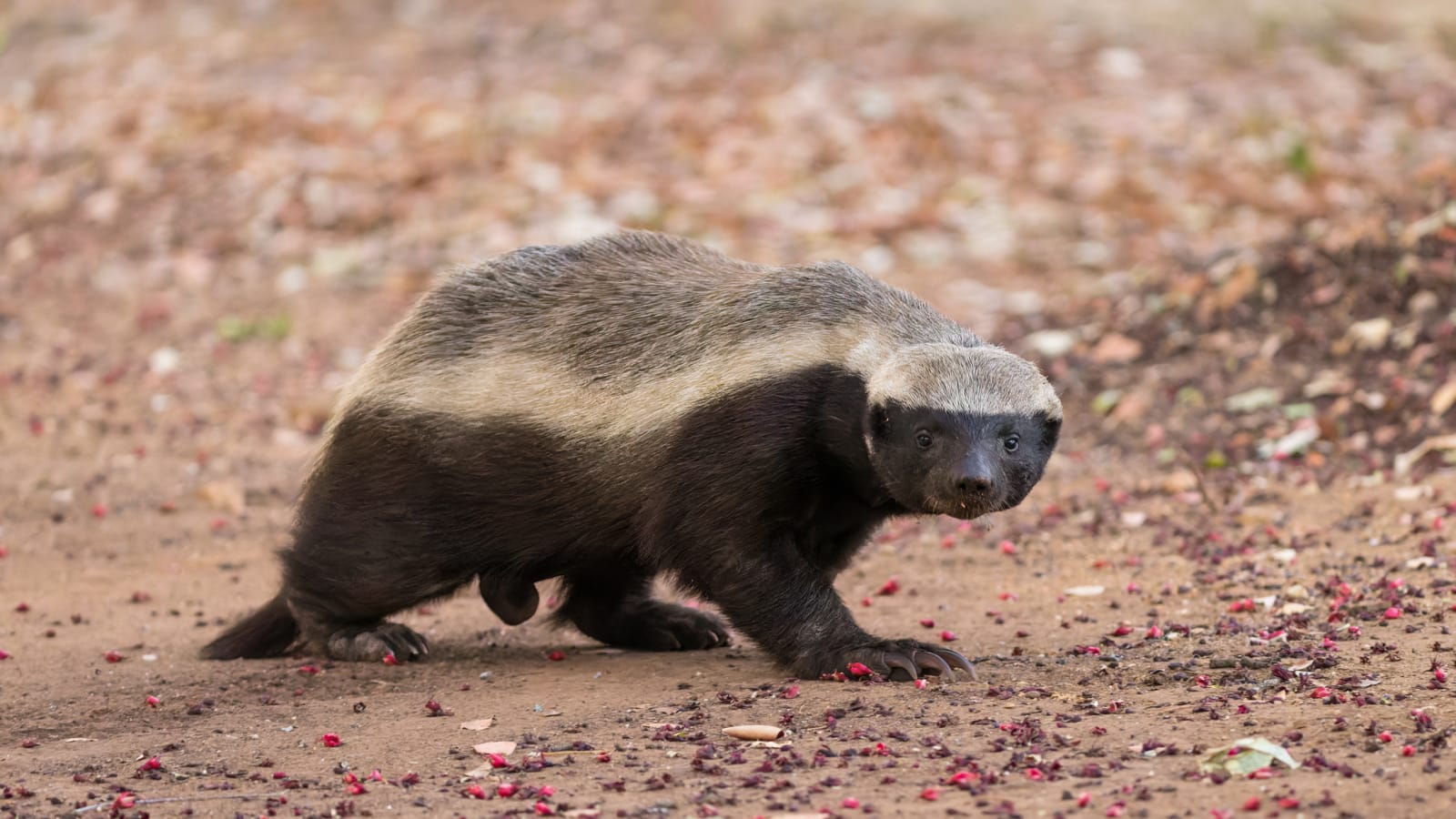
The species most recorded in Northern Cape, drawn from citizen-science observations. Tap any to find stays where it has been recorded. These are records of past sightings, so nothing here is a guarantee you will see it.
Ranked by how often they are recorded in the province, from iNaturalist observations. Tap one to find stays where it lives.
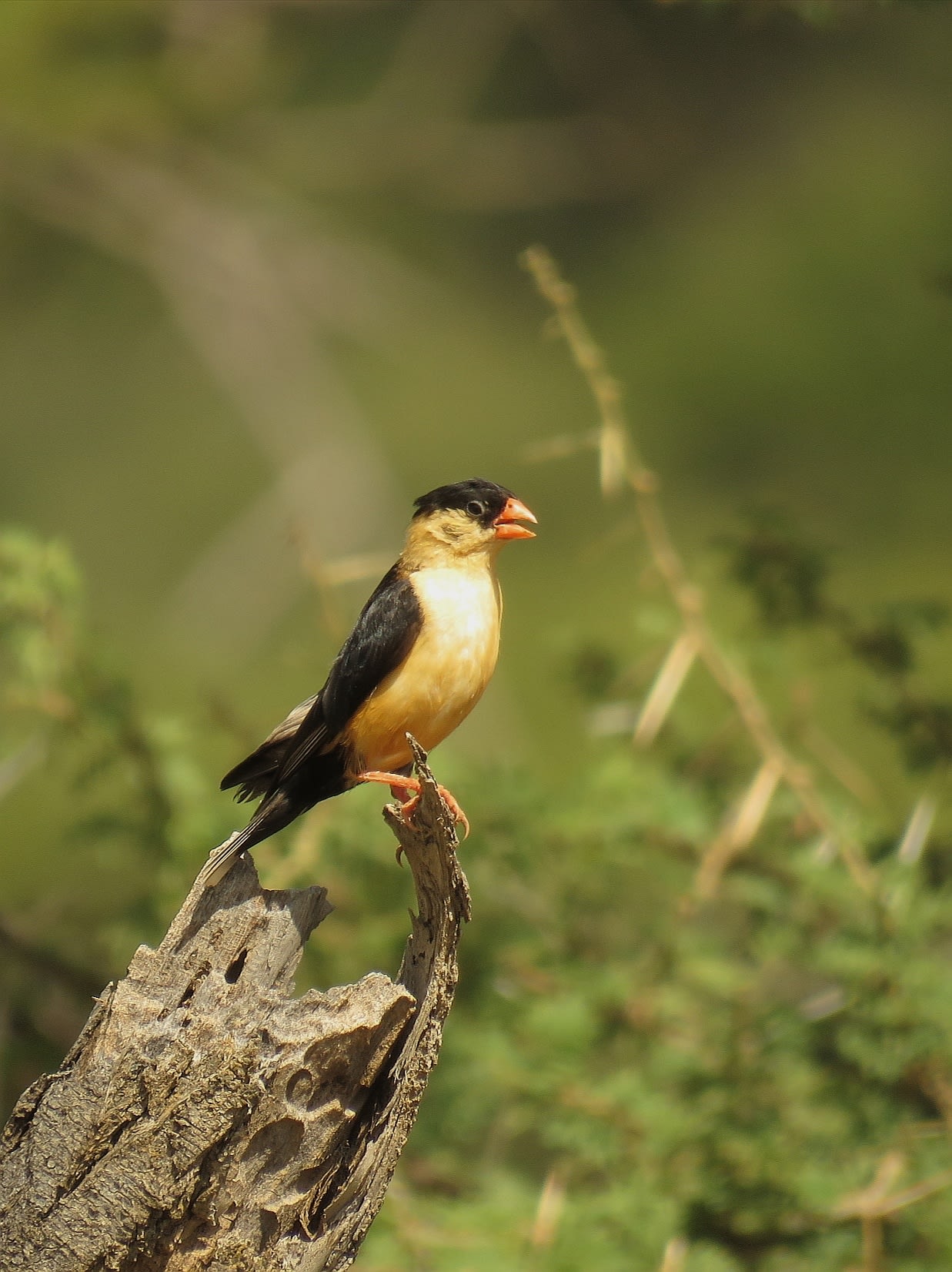
Species birders log most in this province. Numbers are records, not guarantees.
Occurrence data from iNaturalist, aggregated by province. It reflects where a species is seen across Northern Cape, not confirmed sightings inside this reserve.
Mar-May, Aug-Oct
Why book here
Wild places survive when the communities around them earn more from protecting wildlife than from anything that would replace it. Every stay you book through Spekboom carries a conservation contribution built into the price, never added on top, so choosing where you sleep becomes a way to fund the people and projects keeping this landscape intact.
Inside-park stays and nearby lodges, sorted by distance.
No stays are linked to ǂKhomani Cultural Landscape yet. These are the closest ones we have, by straight-line distance from the park, so check the drive before you book.

3 km away
Twee Rivieren is the largest rest camp in the Kgalagadi Transfrontier Park and its main entrance, set near the confluence of the dry Nossob and Auob rivers in the south of the reserve. As the park's administrative hub it is the most developed of its camps, and for most visitors it is the first and last stop in the Kalahari. The camp is unusually well equipped for so remote a place, with a shop, fuel, a restaurant, a swimming pool and a range of chalets and camping sites. It is also the only camp in the park with mobile reception, and the place to confirm onward arrangements before heading deeper north. The surrounding red dunes and sparse camel thorn savannah are home to gemsbok, springbok and wildebeest, with the park's famous black-maned lions, cheetah and raptors drawn to the riverbeds. Hot days and cold, brilliantly clear nights are typical of this corner of the southern Kalahari.

35 km away
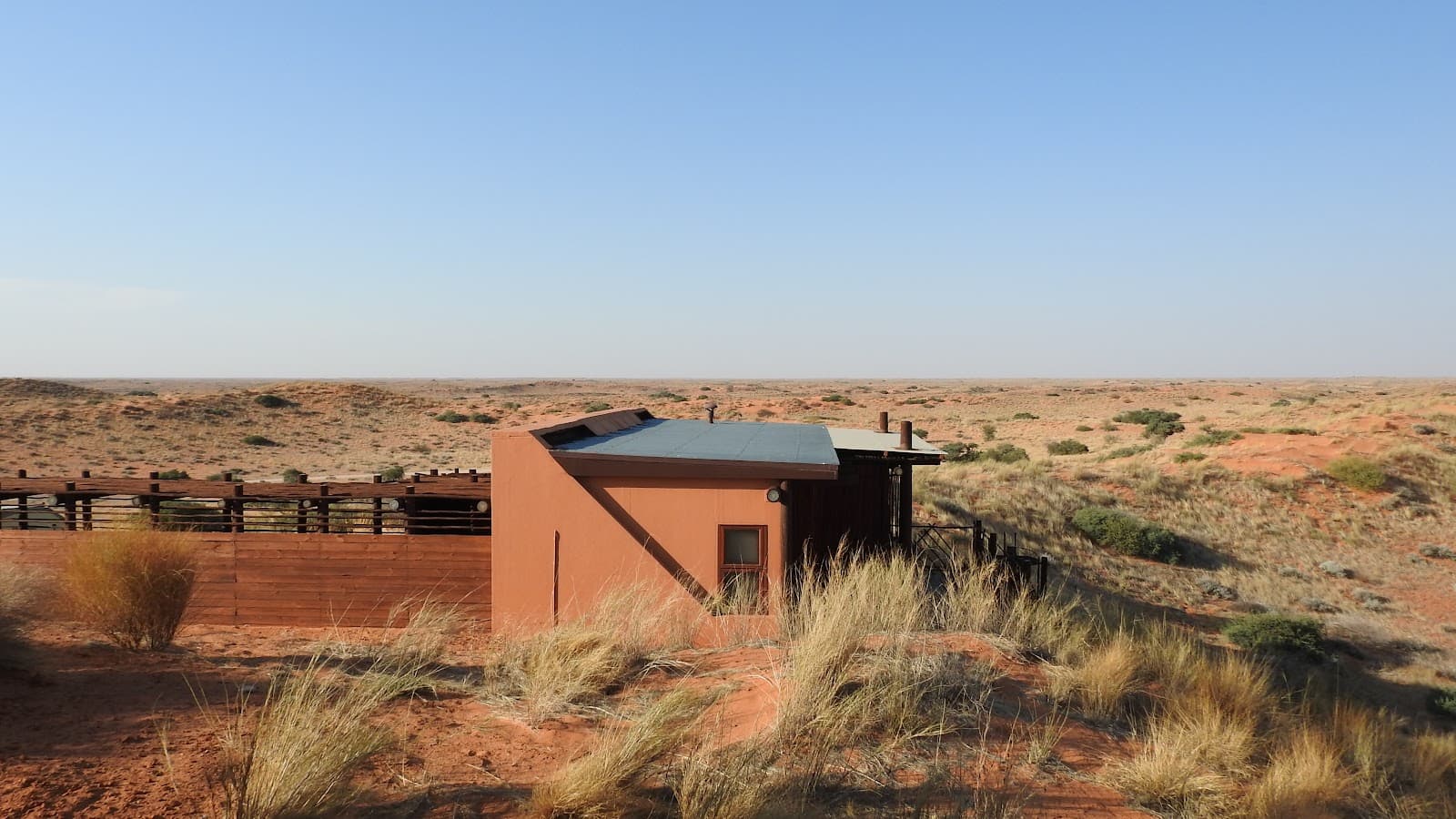
Kieliekrankie is a small wilderness camp set high on a red dune in the South African section of the Kgalagadi Transfrontier Park, a vast arid reserve straddling the border with Botswana. Its handful of cabins look out across an endless sea of dunes and sparse camel thorn, giving guests an immense, uninterrupted view of the Kalahari and some of the darkest, most star-filled night skies in the country. The camp is deliberately remote and self-catering, without a shop or restaurant, so visitors stock up at the larger camps before arriving. Each unit has its own outlook over the landscape, and a waterhole below the dune draws game to within easy view. This is dry-country wildlife at its most striking. Gemsbok, springbok and red hartebeest move across the dunes, and the Kgalagadi is famed for its black-maned lions, cheetah and raptors. The stillness and the scale of the desert are as much the attraction as the animals.
ǂKhomani Cultural Landscape is in Northern Cape, South Africa.
Yes. ǂKhomani Cultural Landscape is in an area recorded as malaria-free, which is why it is a common choice for families with young children and for a first safari. Malaria risk can shift with the season and the year, so confirm current advice with a travel clinic before you go.
In Northern Cape, commonly recorded species include mammals such as Gemsbok, Cape Fox, Meerkat, Springbok and birds including Red Lark, Sociable Weaver, Tractrac Chat, based on iNaturalist occurrence data. These reflect the wider province, not confirmed sightings inside the reserve.
SANParks opens accommodation bookings about a year in advance, and popular camps sell out within days for school holidays, long weekends and peak season. Book as early as you can for those dates. Stays just outside the park usually have availability much closer to the time.
Yes. SANParks charges a daily conservation fee per person on top of accommodation, with lower rates for South African residents and SADC nationals. Wild Card members do not pay the daily fee. Tariffs are revised each year, so check current rates when you book.
The best time to visit ǂKhomani Cultural Landscape is Mar-May, Aug-Oct.
Popular activities at ǂKhomani Cultural Landscape include san cultural experiences, kalahari game drives, dune walks, stargazing.
Other parks and reserves that share something with ǂKhomani Cultural Landscape.