Waterberg Mountains wilderness
Limpopo, South Africa
Marakele National Park is a national park in Limpopo, South Africa, managed by SANParks. Visitors come for game drives, hiking, camping, bird watching, photography. The best time to visit is May-Sep (dry season).
The species most recorded in Limpopo, drawn from citizen-science observations. Tap any to find stays where you can see it.
Ranked by how often they are recorded in the province, from iNaturalist observations. Tap one to find stays where it lives.
Species birders log most in this province. Numbers are records, not guarantees.
Occurrence data from iNaturalist, aggregated by province. It reflects where a species is seen across Limpopo, not confirmed sightings inside this reserve.
May-Sep (dry season)
Why book here
Wild places survive when the communities around them earn more from protecting wildlife than from anything that would replace it. Every stay you book through Spekboom carries a conservation contribution built into the price, never added on top, so choosing where you sleep becomes a way to fund the people and projects keeping this landscape intact.
Inside-park stays and nearby lodges, sorted by distance.
Motswedi is a rustic campsite in Marakele National Park, set in the Waterberg Mountains of Limpopo. The park lies where the dry western and moister eastern climates meet, which gives it an unusual mix of vegetation, from grassy plains to deep wooded valleys and rugged sandstone peaks. The setting is one of mountain scenery and quiet, with the camp offering a back-to-basics stay close to the landscape. Marakele is home to all of the Big Five, along with a notable population of Cape vultures that nest on the high cliffs, one of the largest breeding colonies in the world. Elephant, rhino, brown hyena and a wide range of antelope move through the reserve, and the birding is rewarding. Motswedi suits travellers who prefer self-sufficient camping over hotel comforts. It makes a peaceful base for game drives and for taking in the dramatic mountain country, with the rest of the park's roads and viewpoints within easy reach.
Bontle Rest Camp lies in the Marakele National Park, set in the heart of the Waterberg mountains of Limpopo. The park is a place of dramatic contrasts, where high red cliffs and deep valleys give way to grassy plains, and the camp sits out on the open bushveld with sweeping views towards the mountains. It is a malaria-free reserve, which makes it a popular choice for families and first-time safari travellers. Marakele protects a good cross-section of plains and big game, including elephant, rhino and a range of antelope, and the cliffs above the park hold one of the largest colonies of Cape vultures in the world. Game drives and the high mountain road reward patient visitors. Bontle offers safari tents and camping with shared ablution and kitchen facilities, a more pared-back, close-to-nature stay than the larger rest camps. The open setting means wildlife often grazes near the perimeter, and the night skies over the Waterberg are exceptional.
Elandsberg Rest Camp is set high in the Waterberg mountains of Marakele National Park, in the Limpopo bushveld north of Thabazimbi. The camp occupies a dramatic position among the folded sandstone peaks, with sweeping views over the surrounding valleys and grasslands. Marakele lies in a transition zone where the flora and fauna of the dry western and the wetter eastern reaches of the country overlap, giving the park unusual diversity. The park is home to elephant, rhino, buffalo and a range of antelope, while the cliffs above the camp shelter one of the largest breeding colonies of Cape vulture in the world, a memorable sight against the mountain backdrop. Accommodation is in comfortable tented units that make the most of the elevation and the quiet. This is a camp for those who want mountain air, long views and self-drive game viewing well away from the busier parks.
Tlopi is a tented camp on the shore of a dam in Marakele National Park, set in the Waterberg mountains of Limpopo. Its safari-style tents are raised on wooden decks at the water's edge, each with its own veranda looking out over the dam and the rugged mountain backdrop, so game and birds can often be watched from the comfort of your own tent. Marakele lies in a transition zone where the bushveld meets the mountains, a landscape of deep valleys, cliffs and high plateaus that supports an unusually rich variety of wildlife. Elephant, rhino, and a range of antelope move through the reserve, and the park is famous for one of the largest breeding colonies of Cape vultures in the world, wheeling above the peaks. The camp is self-catering and intentionally low-key, well suited to travellers seeking quiet, scenery and the simple pleasure of falling asleep to the sounds of the bush beside the water.
Manyoni Private Game Reserve is one of the largest privately-owned reserves in Kwazulu-Natal. This 23,000-hectare reserve is the product of 17 dedicated landowners who dropped their fences in 2004 to create one contiguous protected area for our wildlife. The selection of the area as a potential release site for the WWF Black Rhino Range Expansion Project was a major driving factor in the establishment of Manyoni. In 2005, the newly established reserve was confirmed as a release site by the WWF and a founder population of black rhino were released into their new home.
Marakele National Park is in Limpopo, South Africa.
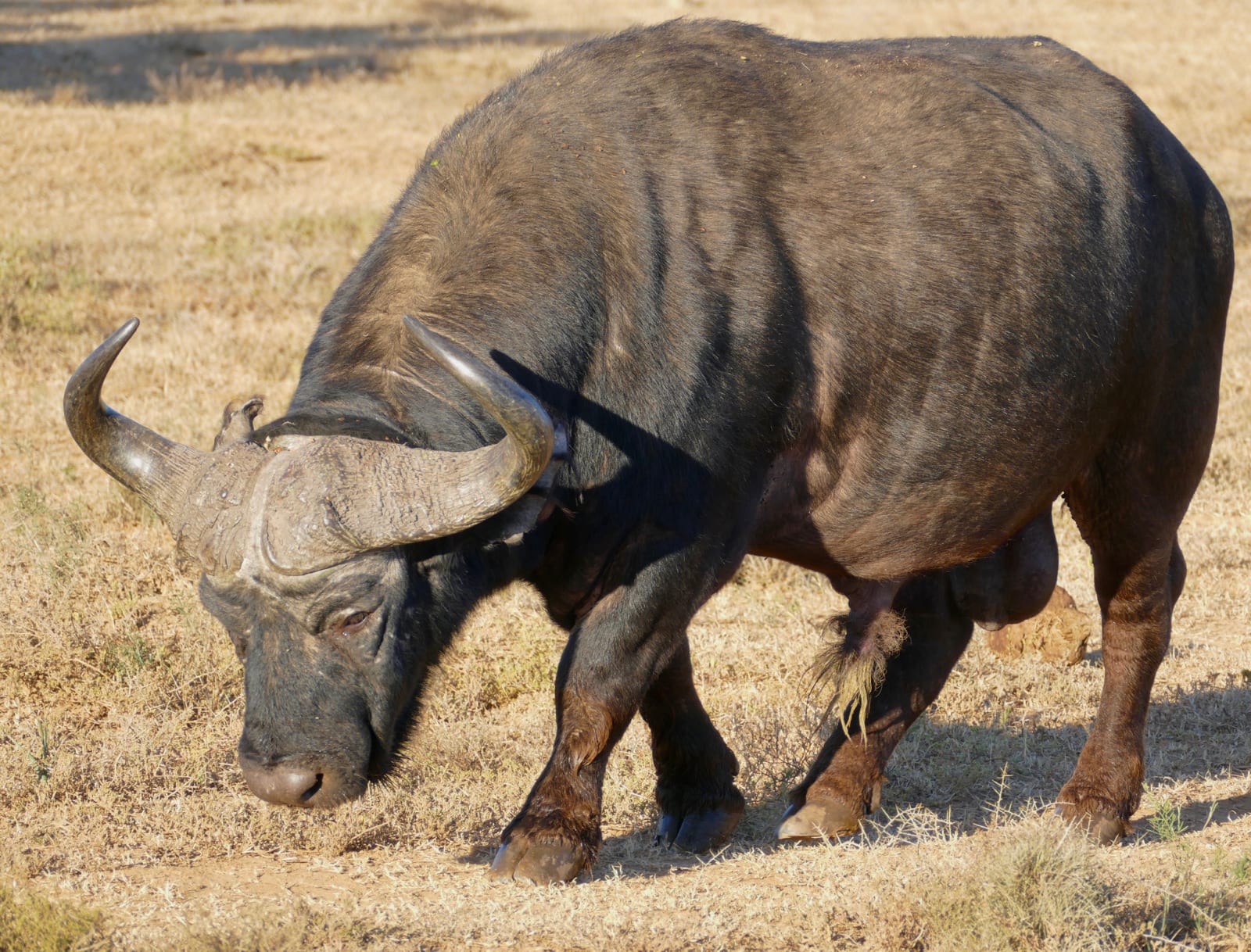
Yes. Marakele National Park is a Big Five area, home to lion, leopard, elephant, buffalo and rhino.
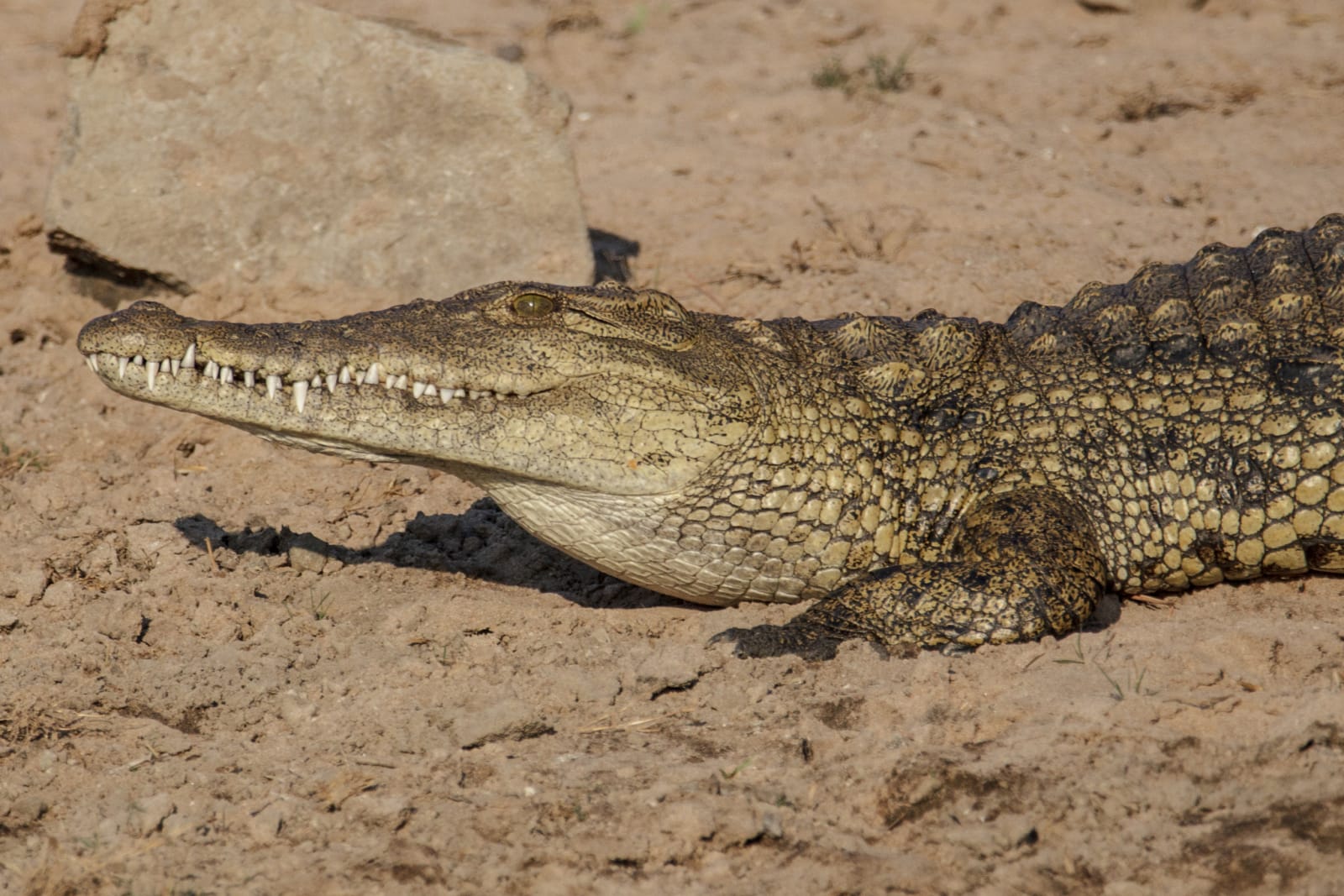
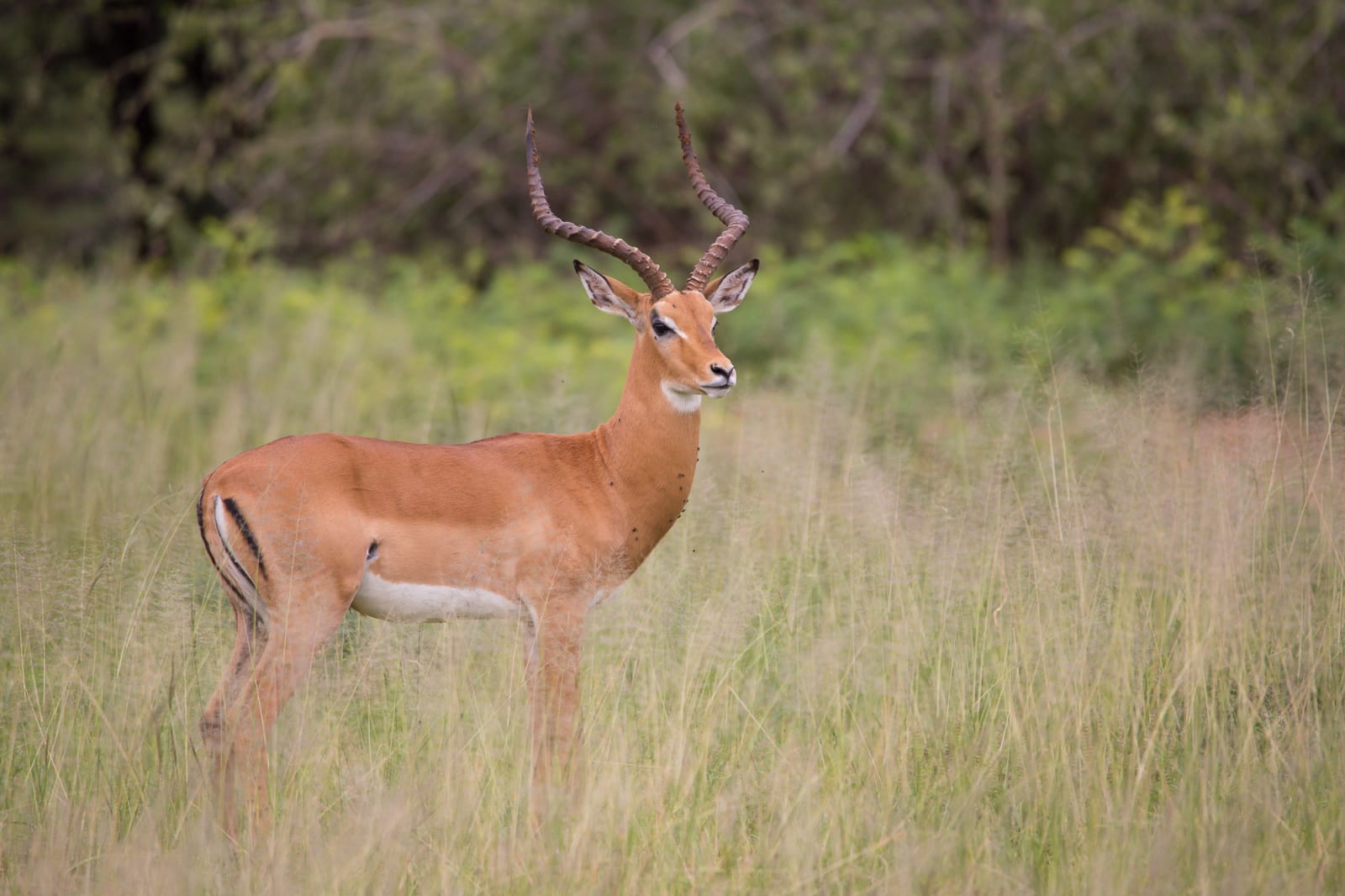
In Limpopo, commonly recorded species include mammals such as Rock Monitor, Black Mamba, Nile Crocodile, Nyala and birds including Red-headed Weaver, Southern Pied Babbler, Pel's Fishing Owl, based on iNaturalist occurrence data. These reflect the wider province, not confirmed sightings inside the reserve.
The best time to visit Marakele National Park is May-Sep (dry season).
Popular activities at Marakele National Park include game drives, hiking, camping, bird watching, photography.
5 places are listed in and near Marakele National Park on Spekboom, from inside-park camps to nearby lodges. Every booking funds conservation.