Famous for elephant herds and Big Seven
Eastern Cape, South Africa
Addo Elephant National Park is a national park in Eastern Cape, South Africa, managed by SANParks. Visitors come for game drives, hiking, camping, bird watching, photography. The best time to visit is Year-round (best Mar-May, Sep-Nov).
The species most recorded in Eastern Cape, drawn from citizen-science observations. Tap any to find stays where you can see it.
Ranked by how often they are recorded in the province, from iNaturalist observations. Tap one to find stays where it lives.
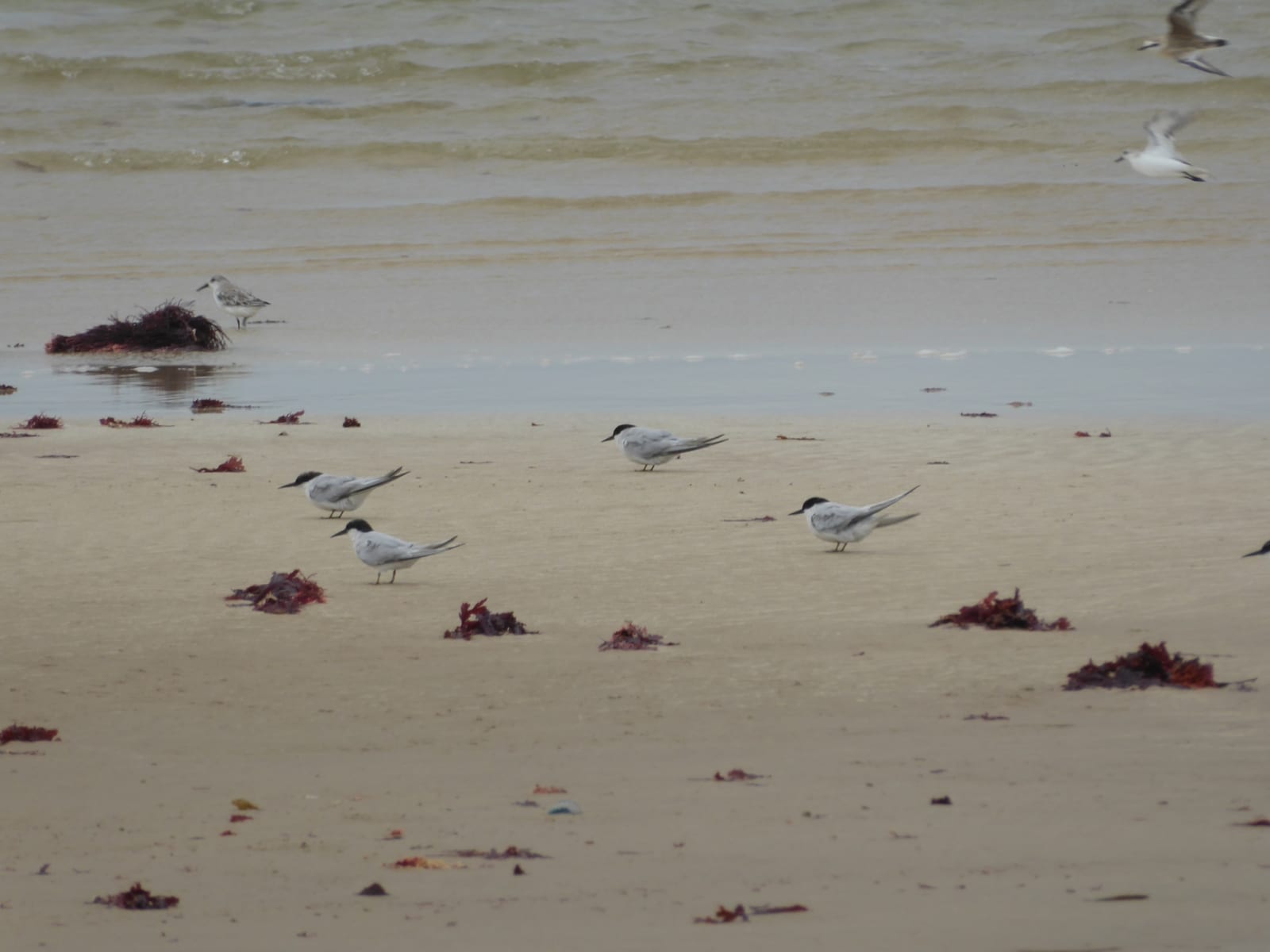
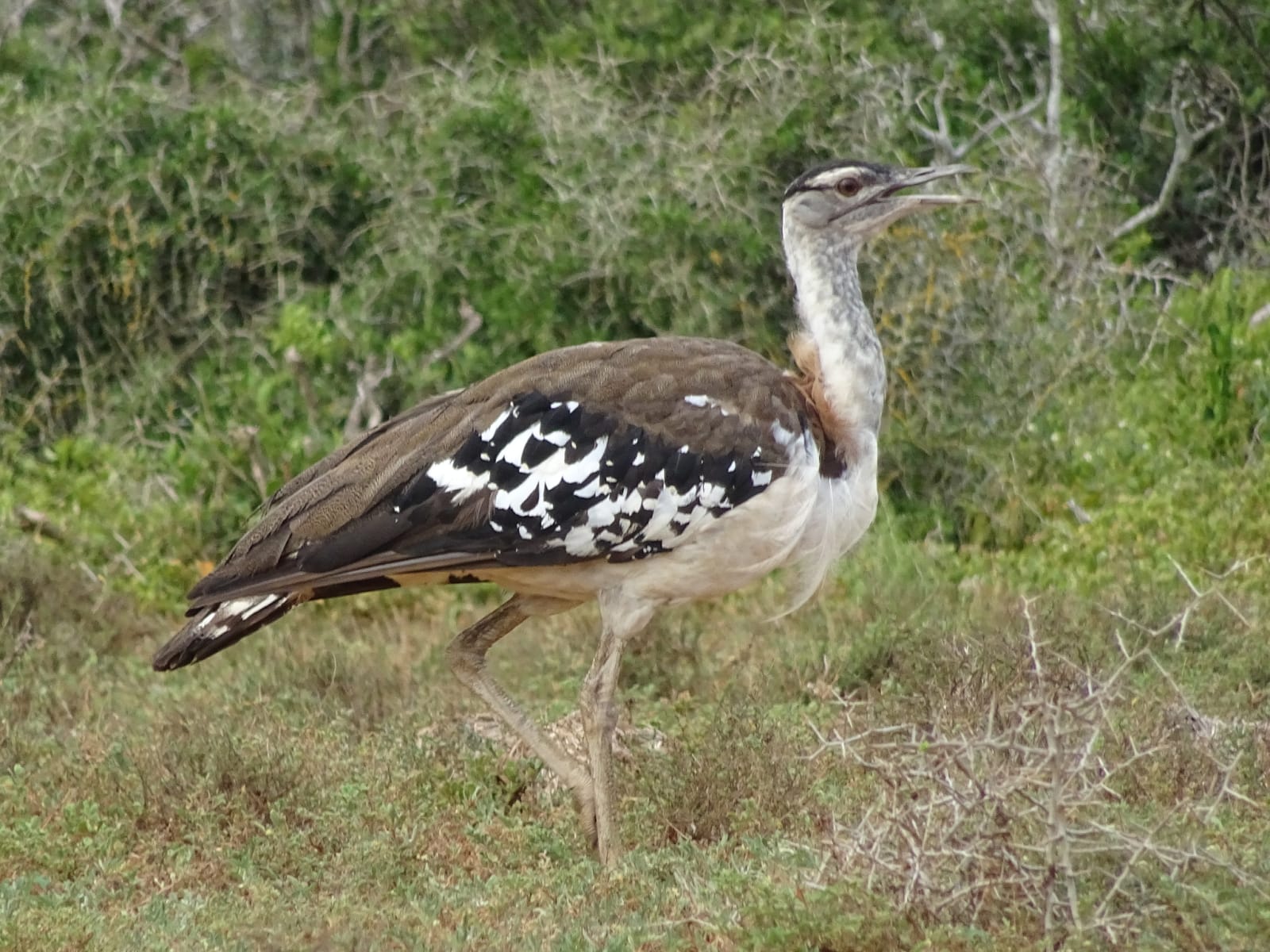
Species birders log most in this province. Numbers are records, not guarantees.
Occurrence data from iNaturalist, aggregated by province. It reflects where a species is seen across Eastern Cape, not confirmed sightings inside this reserve.
Year-round (best Mar-May, Sep-Nov)
Why book here
Wild places survive when the communities around them earn more from protecting wildlife than from anything that would replace it. Every stay you book through Spekboom carries a conservation contribution built into the price, never added on top, so choosing where you sleep becomes a way to fund the people and projects keeping this landscape intact.
Inside-park stays and nearby lodges, sorted by distance.
Nyathi is the most secluded and exclusive rest camp in Addo Elephant National Park, set at the foot of the Zuurberg mountains in the Eastern Cape, around 12km from the main camp. Built on the banks of a floodplain, its units are raised on stilts with wide glass panels that frame the surrounding hills and bush from the bedrooms, lounges and even some of the bathrooms. The camp has just eleven units, their domed, thatched architecture and spekboom-inspired interiors echoing the landscape and culture of the region. A small waterhole within the fenced camp can be reached on foot and draws a steady stream of game and birds, ideal for relaxed viewing without leaving your base. Nyathi falls within Addo's Big Five country, so drives through the section may turn up elephant, lion, leopard, buffalo and the park's famous flightless dung beetle, which has right of way on the roads. Kudu, warthog and baboon are common along the seasonal river below the camp.
Langebos Huts offer a quiet, forest-edged stay in the Woody Cape section of the Addo Elephant National Park, set among the coastal thicket and dune forest near the Sundays River mouth. Two simple, well-spaced timber huts give the place a secluded, off-grid feel, well away from the busier main camp. The surroundings are gentler than Addo's better-known elephant country. This is a landscape of dense bush, birdsong and walking trails, including access to the long Alexandria hiking trail through the forest and over the vast coastal dunefield, one of the largest in the southern hemisphere. The huts are self-catering and deliberately understated, suited to visitors who want birdwatching, walking and stillness rather than a full camp's facilities. It is a restful base for exploring the coastal corner of the park at an unhurried pace.
Addo Rest Camp is the main camp and hub of the Addo Elephant National Park, set in the dense Albany thicket of the Eastern Cape where the park first set out to protect the region's last wild elephants. Most of the park's activity centres here, and a floodlit waterhole, viewed from a lookout platform and an underground hide, draws elephant and other game in for a drink through the day and into the night. The camp is well equipped for an extended stay. There is an a la carte restaurant, a shop stocking curios, snacks and basic supplies, a fuel station and a swimming pool near the chalets. A shaded picnic area overlooks the camp waterhole, and the SASOL Red Bishop bird hide looks out over a small wetland. The PPC Discovery Trail is accessible to all, including visitors with limited mobility, and the surrounding game area is best known for its large and easily seen elephant herds.
Matyholweni, meaning "in the bush" in isiXhosa, is a small rest camp at the southern end of the Addo Elephant National Park, set near the coastal town of Colchester at the mouth of the Sundays River. Lying just off the N2 and a short drive from the town's shops and restaurants, it makes a convenient first or last stop on a journey through the park, with an internal road of around 39km linking it to the main camp. The camp sits in Albany thicket, with patches of grassland marking old cleared pastures now returned to the park. The surrounding area is home to kudu, bushbuck, caracal, bushpig and warthog, along with smaller mammals and a good variety of birds, and larger species such as zebra, red hartebeest and buffalo have since been introduced. Accommodation is self-catering, with each unit having its own braai stand. Quieter and more low-key than the main camp, Matyholweni suits travellers wanting a restful base close to the coast.
Spekboom Tented Camp places you in the middle of the main game-viewing area of the Addo Elephant National Park, immersed in the sounds and smells of the bush. The camp occupies the fenced Spekboom Hide, overlooking a waterhole, and the great pleasure of staying here is watching animals come down to drink, by day from the hide's viewing slots and after dark with the help of a good flashlight. Addo is famous above all for its elephants, and the surrounding thicket also holds buffalo, lion, spotted hyena, black-backed jackal and a wealth of smaller wildlife. Guests can set out on a self-drive game drive during the day and return to the tents before sundown to settle in for the evening. The camp is deliberately simple, with a communal kitchen, communal bathrooms and a braai stand at each tent. For safety, guests stay within the fenced hide between sunset and sunrise. It is a stripped-back, atmospheric way to spend a night in the wild.
Manyoni Private Game Reserve is one of the largest privately-owned reserves in Kwazulu-Natal. This 23,000-hectare reserve is the product of 17 dedicated landowners who dropped their fences in 2004 to create one contiguous protected area for our wildlife. The selection of the area as a potential release site for the WWF Black Rhino Range Expansion Project was a major driving factor in the establishment of Manyoni. In 2005, the newly established reserve was confirmed as a release site by the WWF and a founder population of black rhino were released into their new home.

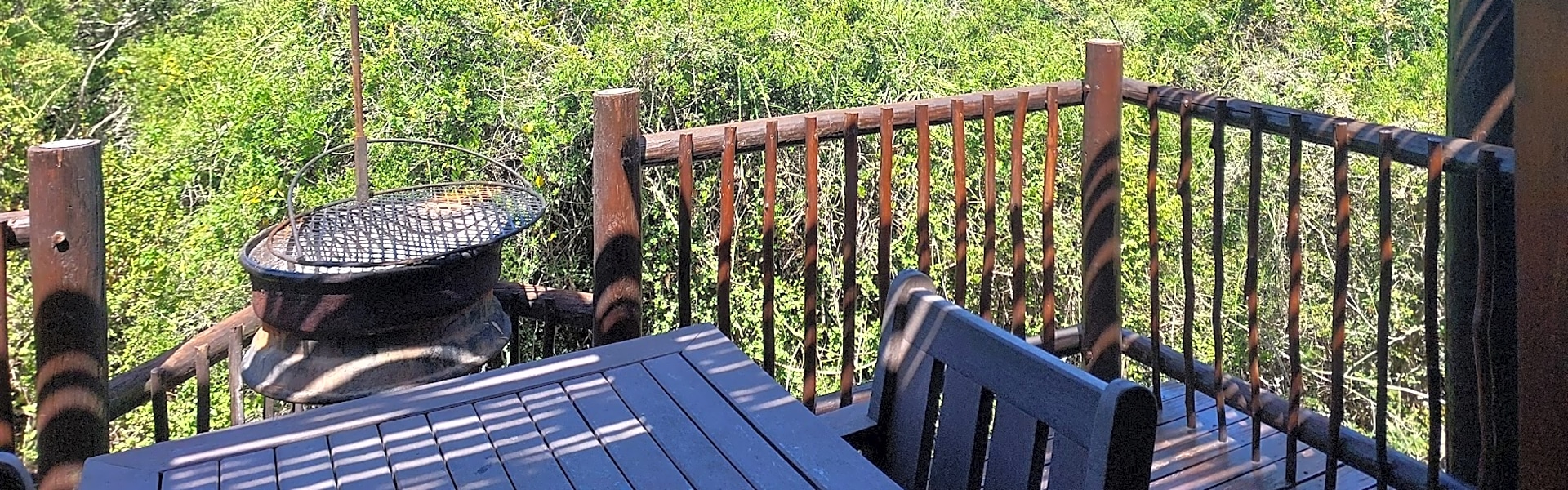
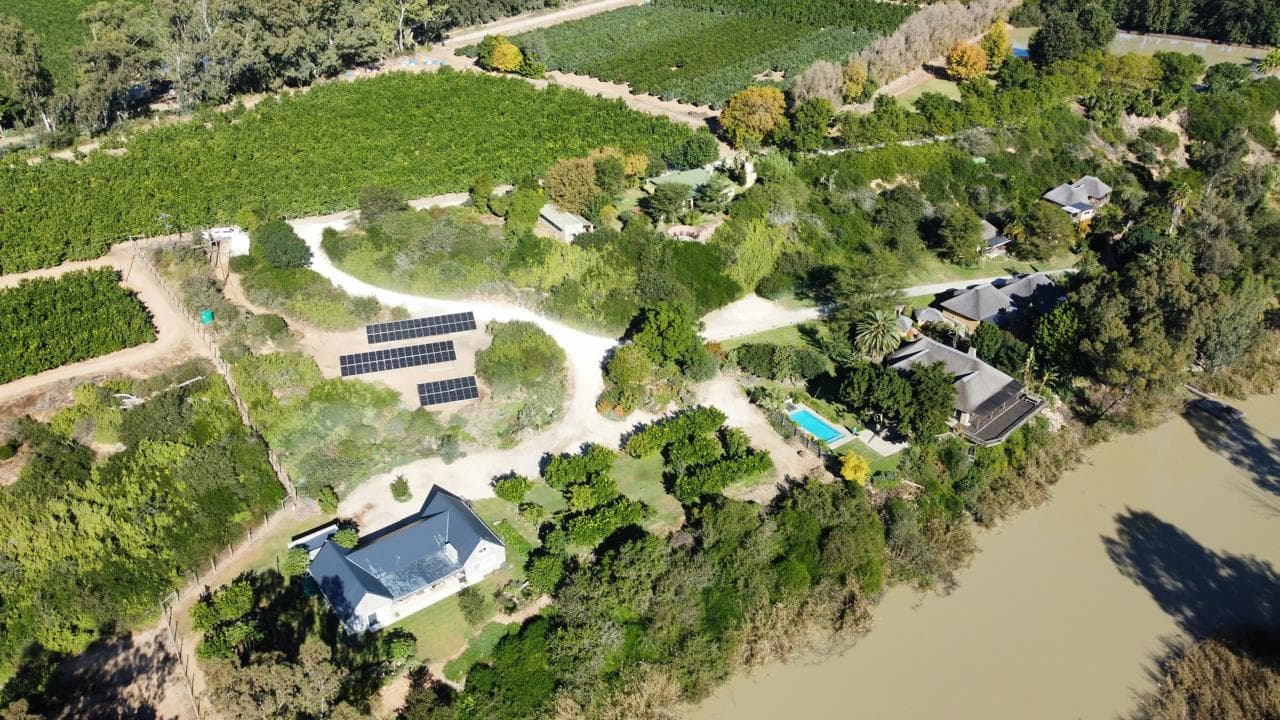
Bush camp cottages and tree-top accommodation near Addo. Airconditioned wood construction cottages with private toilets and showers. Some units share a Lapa kitchen with communal braai facilities.
Addo Elephant National Park is in Eastern Cape, South Africa.
Yes. Addo Elephant National Park is a Big Five area, home to lion, leopard, elephant, buffalo and rhino.
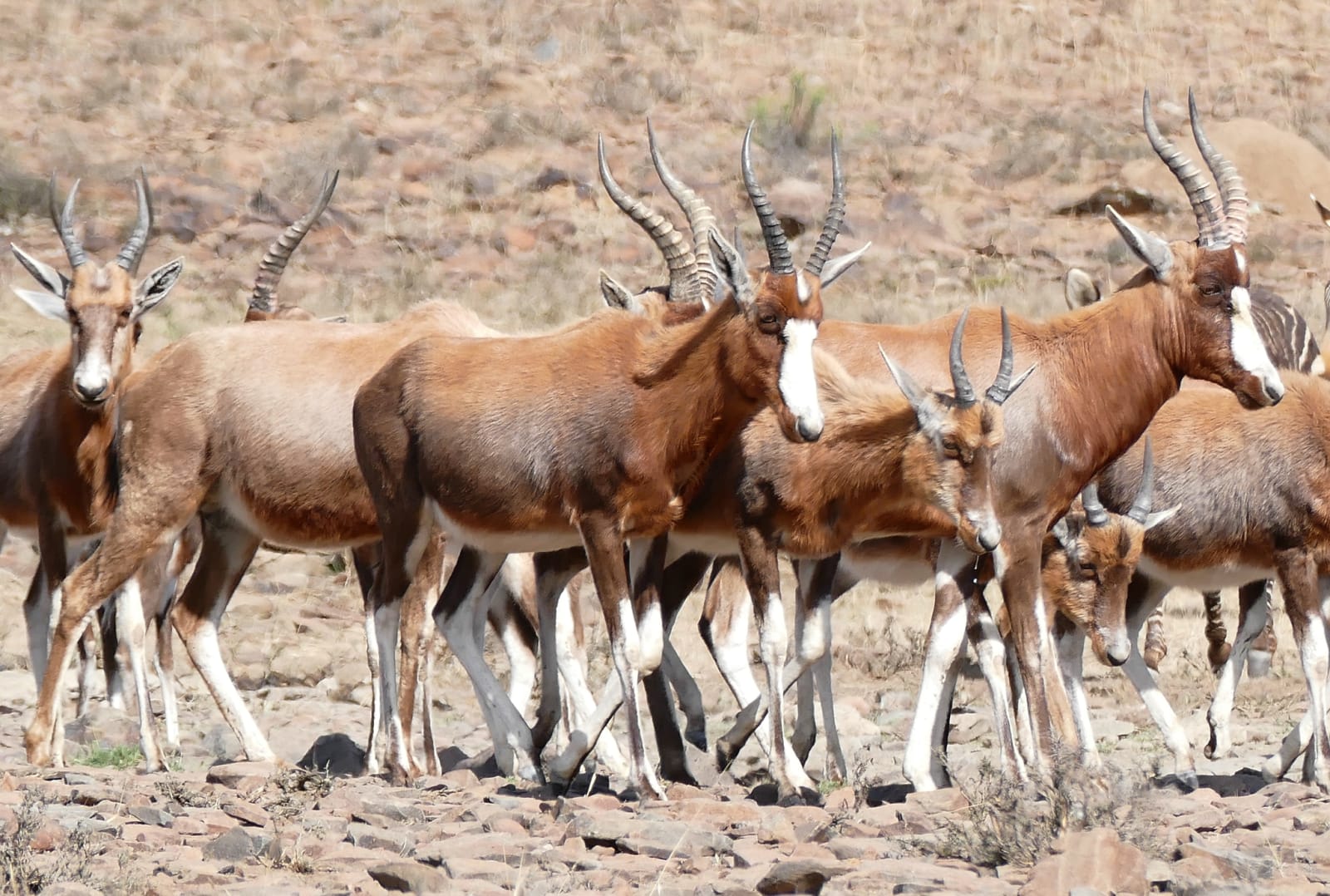
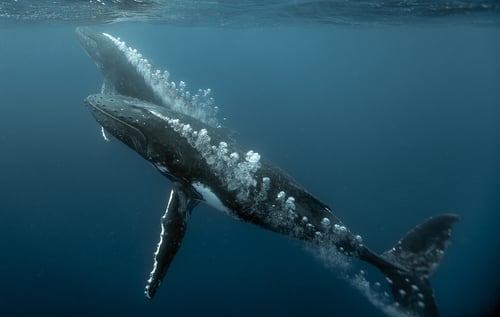
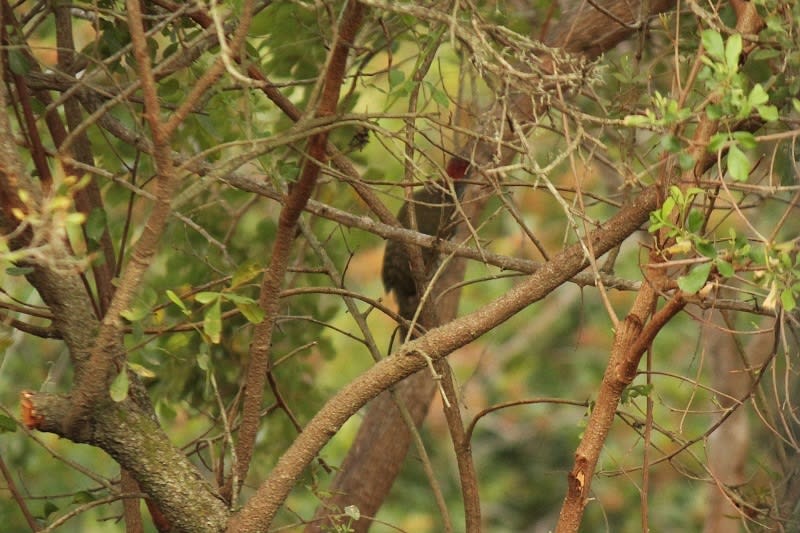
In Eastern Cape, commonly recorded species include mammals such as Meerkat, Black Wildebeest, Blesbok, Common Bottlenose Dolphin and birds including Cape Parrot, African Rock Pipit, Mountain Pipit, based on iNaturalist occurrence data. These reflect the wider province, not confirmed sightings inside the reserve.
The best time to visit Addo Elephant National Park is Year-round (best Mar-May, Sep-Nov).
Popular activities at Addo Elephant National Park include game drives, hiking, camping, bird watching, photography.
7 places are listed in and near Addo Elephant National Park on Spekboom, from inside-park camps to nearby lodges. Every booking funds conservation.