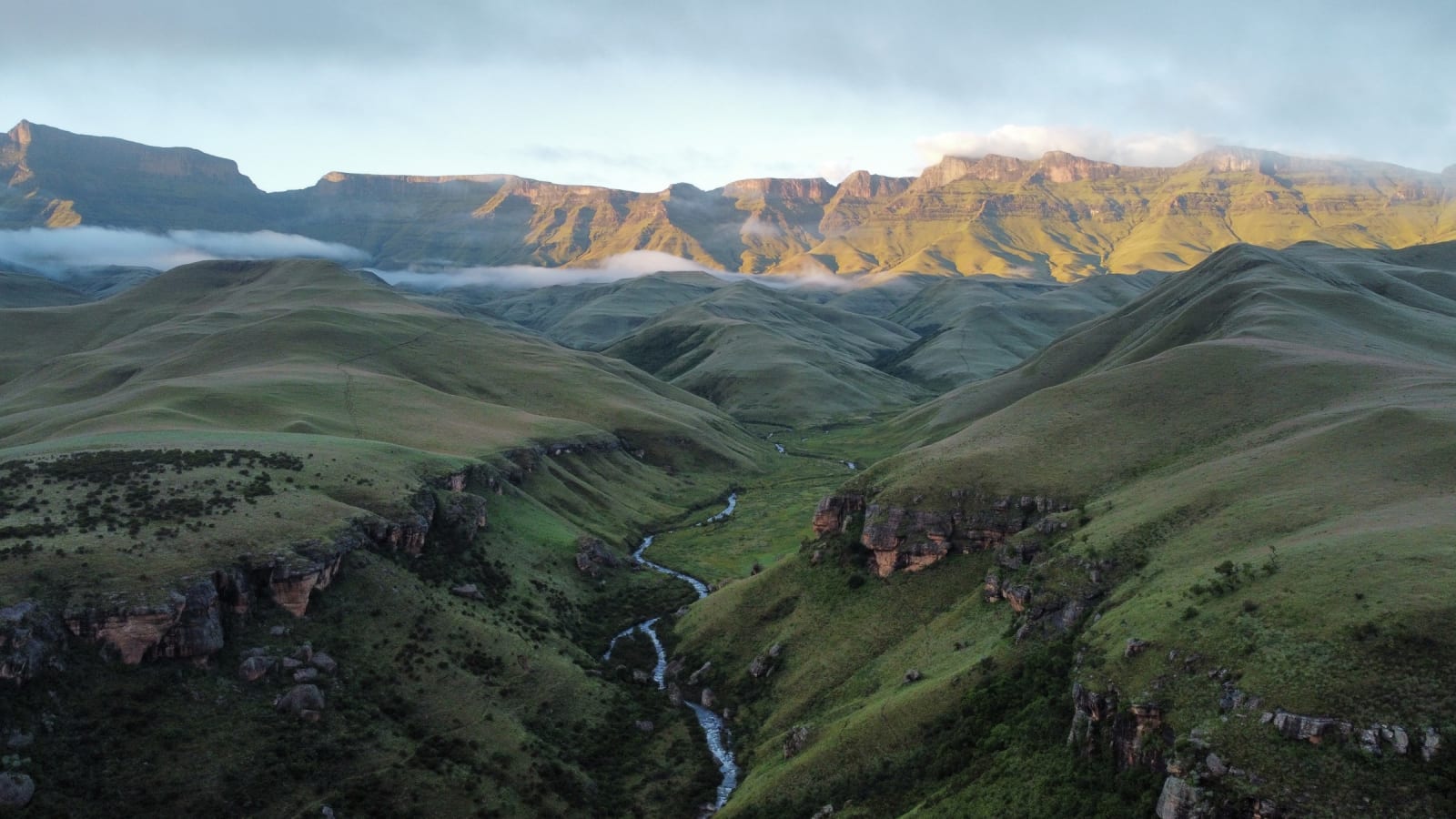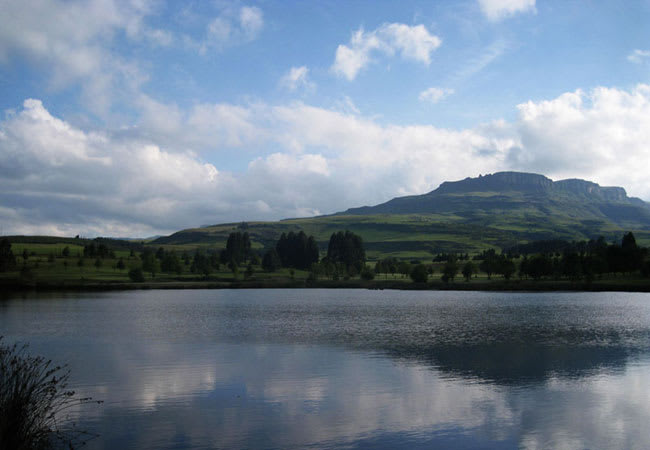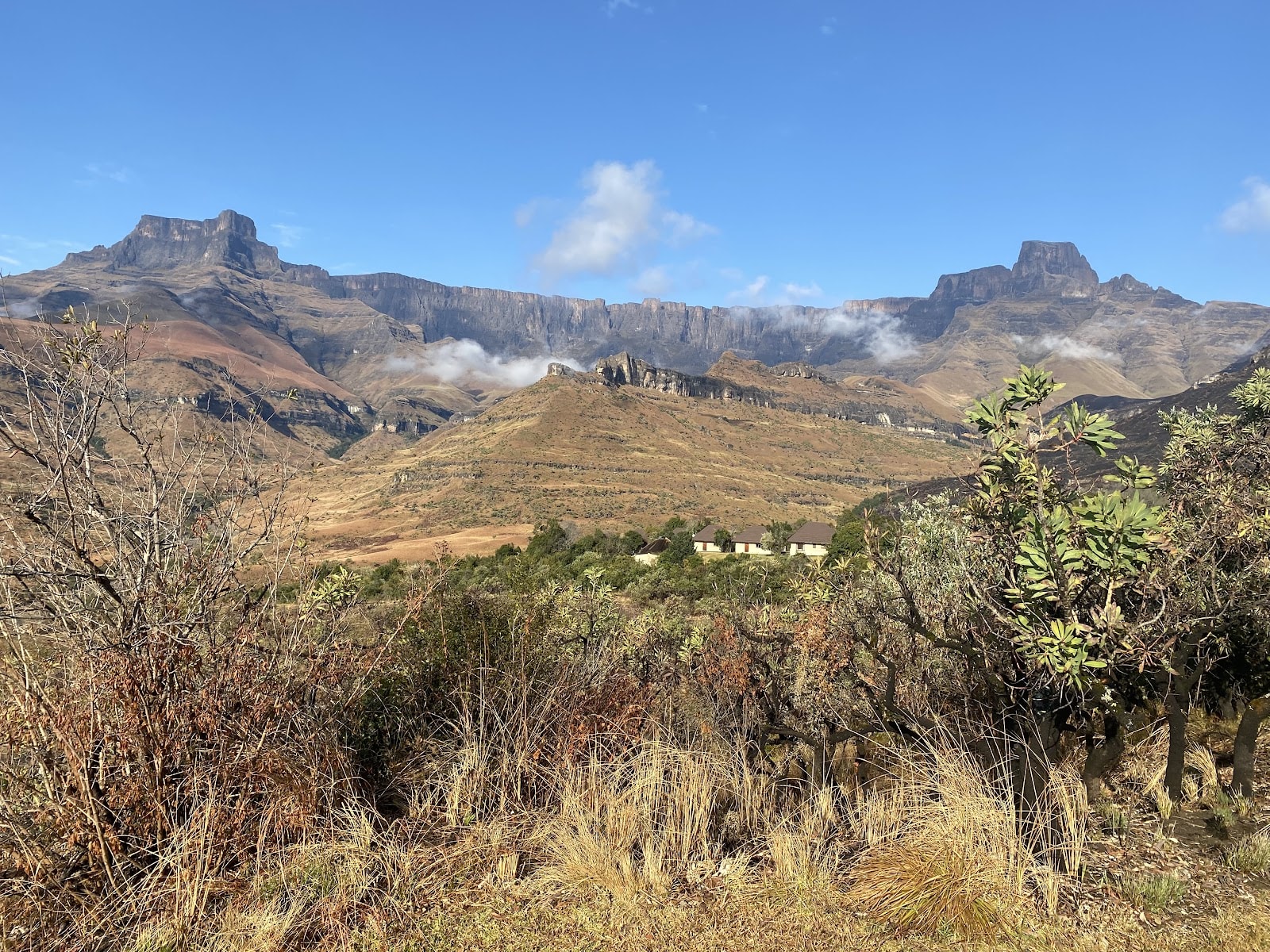
uKhahlamba-Drakensberg Park
KwaZulu-Natal · Year-round
10 places

The Cape griffon or Cape vulture (Gyps coprotheres), also known as Kolbe's vulture, is an Old World vulture in the family Accipitridae.
Recorded year-round
Recorded in every month, so no month is the wrong month to look. We would rather say that than invent a best time.
Curve from 1,179 national iNaturalist observations, not from one property. Single-month spikes are discarded as upload artefacts, and below 50 records we show no curve at all.
KwaZulu-Natal and beyond
Provinces where Cape Vulture is most recorded. Tap one to find places to stay.
1,179 records, iNaturalist
Across South Africa

Drakensberg, Bergville
Reliably seen · Birder friendly · Grassland biome · Bushbuck · Common eland
Gives back to Royal Drakensberg Education Trust and 1 other
From R 6,800 a night

Kruger National Park
Reliably seen · Birder friendly · Savanna biome · Makalani palm · Ana tree
Gives back to BirdLife South Africa
From R 17,120 a night
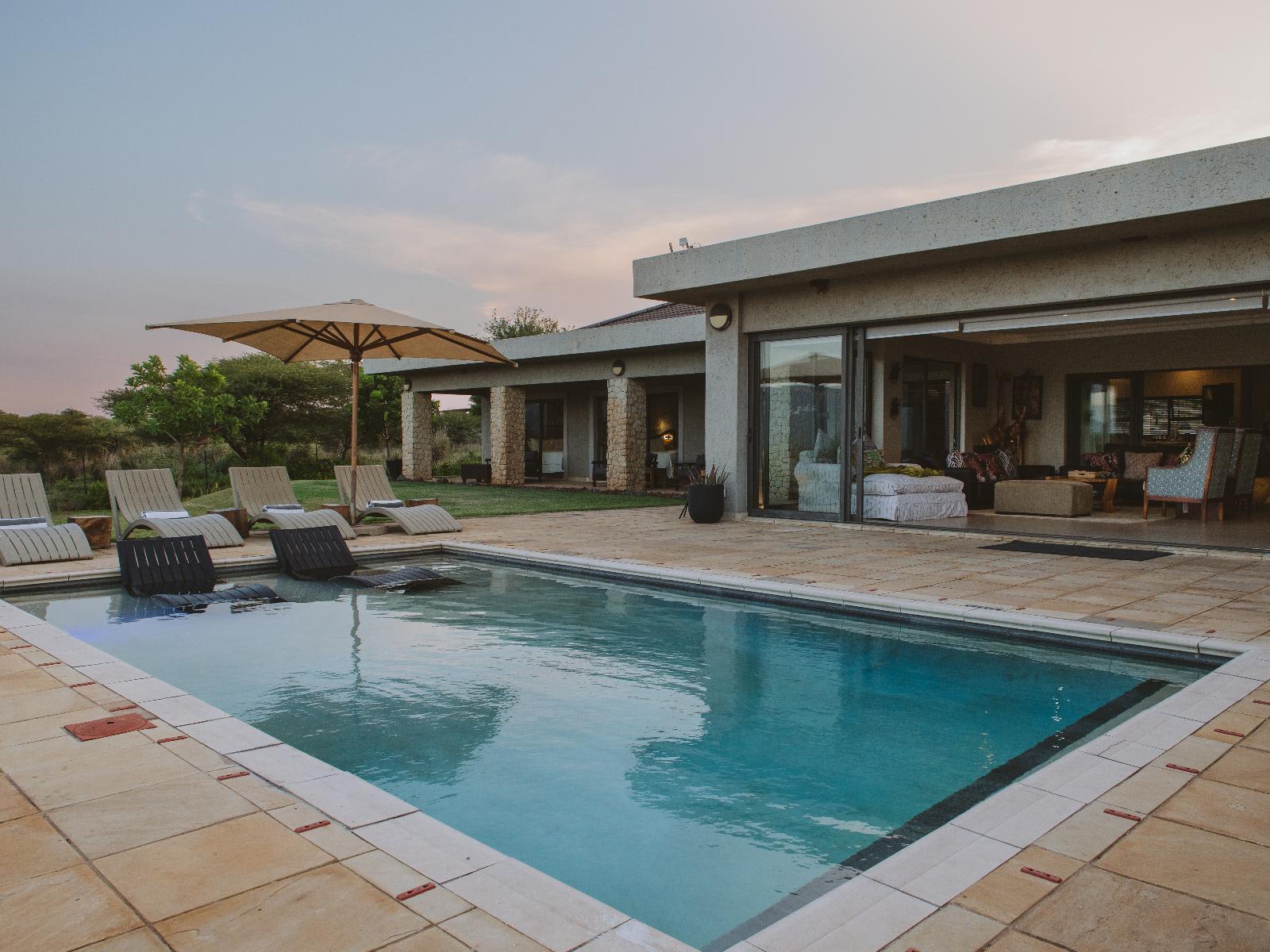
Mkuze
Reliably seen · Birder friendly · Savanna biome · African elephant · Cape buffalo
Gives back to BirdLife South Africa
From R 14,000 a night

Kruger National Park
Reliably seen · Birder friendly · Savanna biome · Makalani palm · Ana tree
Gives back to BirdLife South Africa
From R 11,820 a night

Kruger National Park
Reliably seen · Birder friendly · Savanna biome · Makalani palm · Ana tree
Gives back to BirdLife South Africa
From R 8,380 a night

Hluhluwe-Imfolozi Park
Cape Vulture recorded here · Savanna biome · African wild dog · Spotted hyena
Gives back to Isibindi Foundation
Price on request

Kruger National Park
Reliably seen · Birder friendly · Savanna biome · Leopard · Spotted hyena
Gives back to BirdLife South Africa
From R 11,820 a night

Madikwe
Cape Vulture recorded here · Savanna biome · Leopard · Lion
Gives back to Jaci's Lodge Trust
From R 31,500 a night
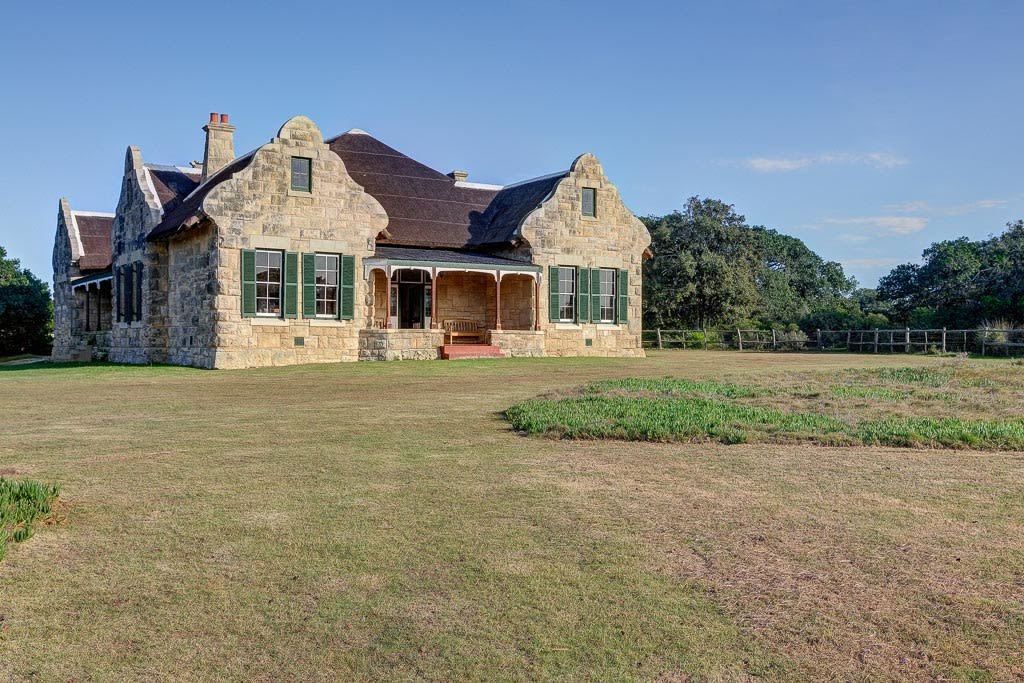
De Hoop Nature Reserve
Reliably seen · Birder friendly · Fynbos biome · Bontebok · Southern right whale
Price on request

Oudtshoorn
Reliably seen · Birder friendly · Fynbos biome · Gemsbok · Greater kudu
Gives back to Wolwekraal Nature Reserve
From R 5,060 a night

Marloth Nature Reserve
Cape Vulture recorded here · Fynbos biome
From R 1,180 a night
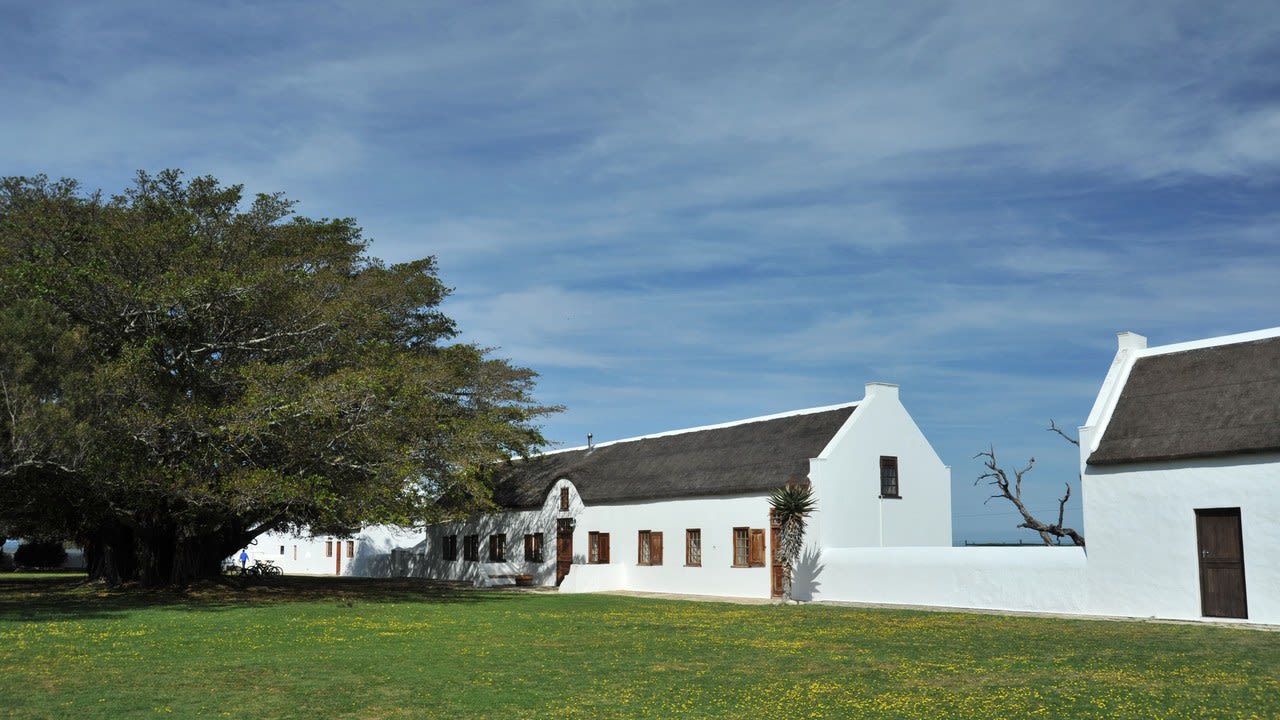
De Hoop Nature Reserve
Reliably seen · Birder friendly · Fynbos biome · Bontebok · Southern right whale
Price on request

Bronkhorstspruit
Reliably seen · Birder friendly · Savanna biome
Gives back to Lessons in Conservation (LiC)
From R 600 a night

Dullstroom
Reliably seen · Birder friendly · Grassland biome
Gives back to DAKTARI Bush School
From R 1,200 a night

iSimangaliso Wetland Park
Reliably seen · Birder friendly · Forest biome · Hippopotamus · Nile crocodile
Gives back to Isibindi Foundation and 1 other
Price on request

Hoedspruit
Reliably seen · Birder friendly · Savanna biome · Ana tree
Gives back to BirdLife South Africa
From R 4,000 a night

De Hoop Nature Reserve
Cape Vulture recorded here · Fynbos biome · Bontebok · Southern right whale
From R 6,460 a night

Kruger National Park
Cape Vulture recorded here · Savanna biome · Delagoa thorn · Knobthorn
From R 1,815 a night

Kruger National Park
Cape Vulture recorded here · Savanna biome · Blue wildebeest · Cheetah
From R 331 a night

Mokala National Park
Cape Vulture recorded here · Savanna biome · African elephant · Brown hyena
From R 628 a night

Kruger National Park
Cape Vulture recorded here · Savanna biome · Delagoa thorn · Knobthorn
From R 390 a night

Marakele National Park
Cape Vulture recorded here · Savanna biome · African elephant · Leopard
From R 1,866 a night

Marakele National Park
Cape Vulture recorded here · Savanna biome
From R 391 a night

Kruger National Park
Cape Vulture recorded here · Savanna biome · Cheetah · Delagoa thorn
From R 771 a night

Next stop
Sandstone amphitheatres and cool mountain air
See places that give backPlanning a trip
Hosts have recorded the Cape Vulture at stays in or beside uKhahlamba-Drakensberg Park, Kruger National Park and De Hoop Nature Reserve.
uKhahlamba-Drakensberg · Giants Castle · Hluhluwe-Imfolozi
Kruger · Marakele
De Hoop · Marloth
Madikwe
IUCN Red List
Vulnerable
Species
Gyps coprotheres
Records
1,179
iNaturalist observations
Every booking on Spekboom supports conservation.
A record means a host has seen the Cape Vulture on the property or nearby. It is never a guarantee of a sighting.
Hosts on Spekboom have recorded the Cape Vulture at stays in or beside uKhahlamba-Drakensberg Park, Kruger National Park, De Hoop Nature Reserve, Marakele National Park, Giants Castle Game Reserve and Hluhluwe-Imfolozi Park and other reserves. A record means a host has seen it on the property or nearby, which makes these the places to base yourself; it is never a guarantee of a sighting on any given day.
The Cape Vulture is most recorded in KwaZulu-Natal (24% of records), Western Cape (17% of records), Limpopo (15% of records), based on 1,179 iNaturalist observations. 38 places to stay on Spekboom in South Africa have recorded the Cape Vulture on site or nearby.
The Cape Vulture is recorded throughout the year, so no month is the wrong month to look for it. For the parks where hosts record it most, these are the best seasons they give. uKhahlamba-Drakensberg Park: year-round, dry season May-Sep; Kruger National Park: Apr-Sep; De Hoop Nature Reserve: Sep-Apr, flowers Aug-Oct; Marakele National Park: May-Sep, dry season. In the dry months animals concentrate at water and the grass is short.
The Cape Vulture (Gyps coprotheres) is listed as Vulnerable on the IUCN Red List.
The Cape griffon or Cape vulture (Gyps coprotheres), also known as Kolbe's vulture, is an Old World vulture in the family Accipitridae. It is endemic to southern Africa, and is found mainly in South Africa, Lesotho, Botswana and in some parts of northern Namibia. It nests on cliffs and lays one egg per year. Since 2015, it has been classified as Endangered.