

Cycads On Sea
St Francis Bay
From R 2,460a night


Stays that give back nearby
Across the Eastern Cape
St Francis Bay
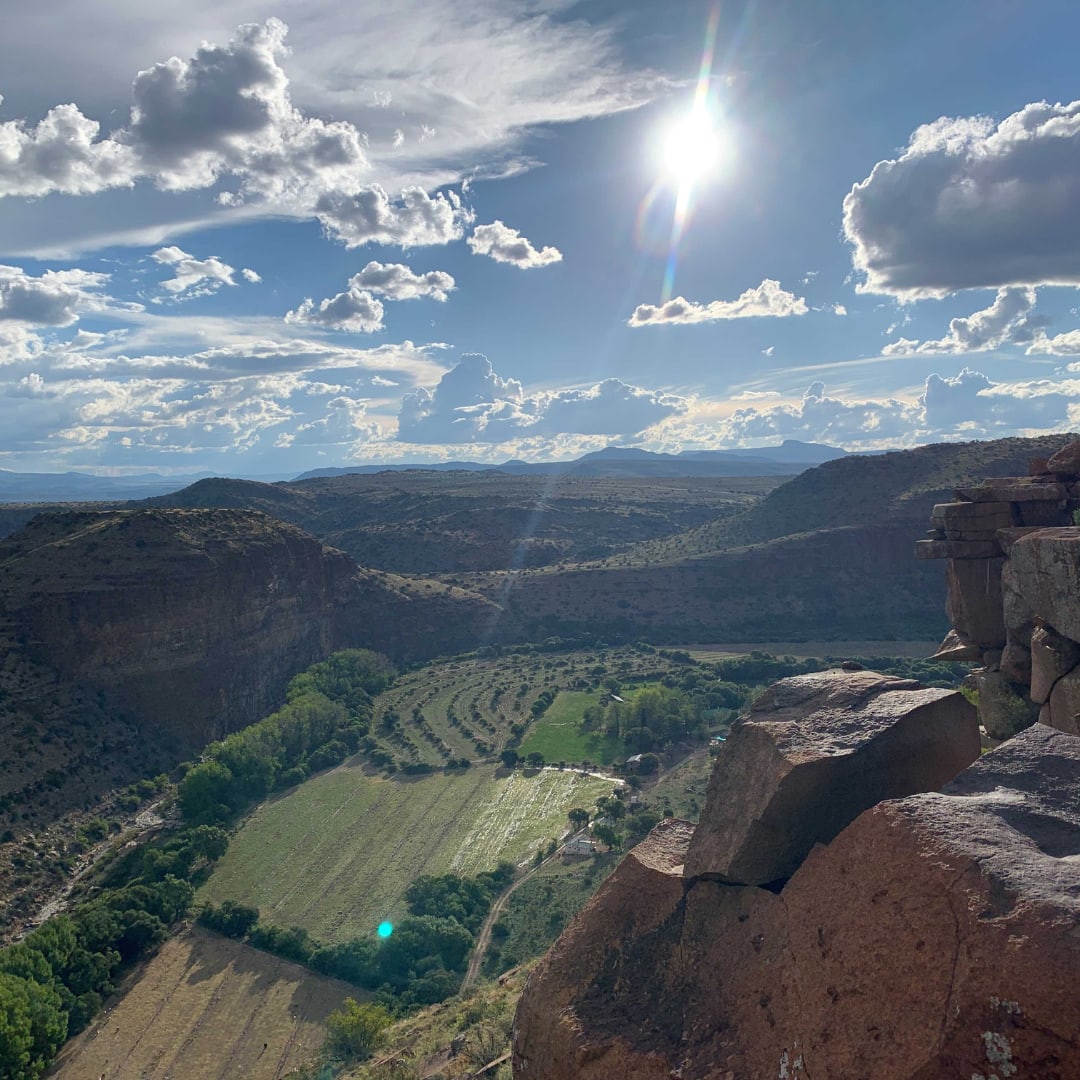
Nieu Bethesda


Hankey

Sundays River Valley, Addo


Walmer, Port Elizabeth

Kwandwe Private Game Reserve

Mkambati Nature Reserve
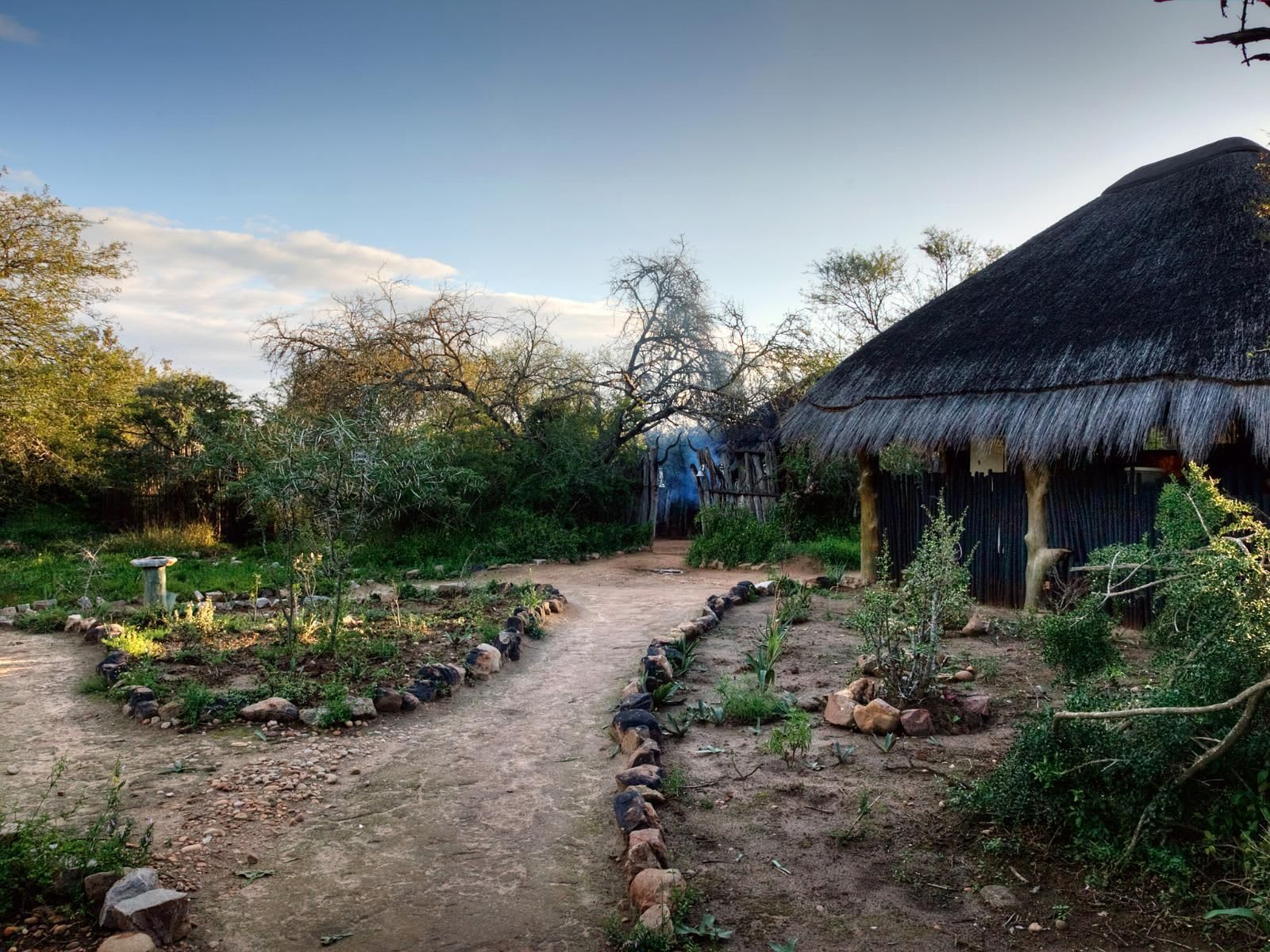
Paterson


Kwandwe Private Game Reserve

Sneeuberg Nature Reserve, Nieu Bethesda

Amakhala Game Reserve

Kwandwe Private Game Reserve

Sundays River Valley, Addo

Aberdeen

Kwandwe Private Game Reserve

Rhodes

Garden Route National Park

Kwandwe Private Game Reserve

Mountain Zebra National Park

Addo Elephant National Park
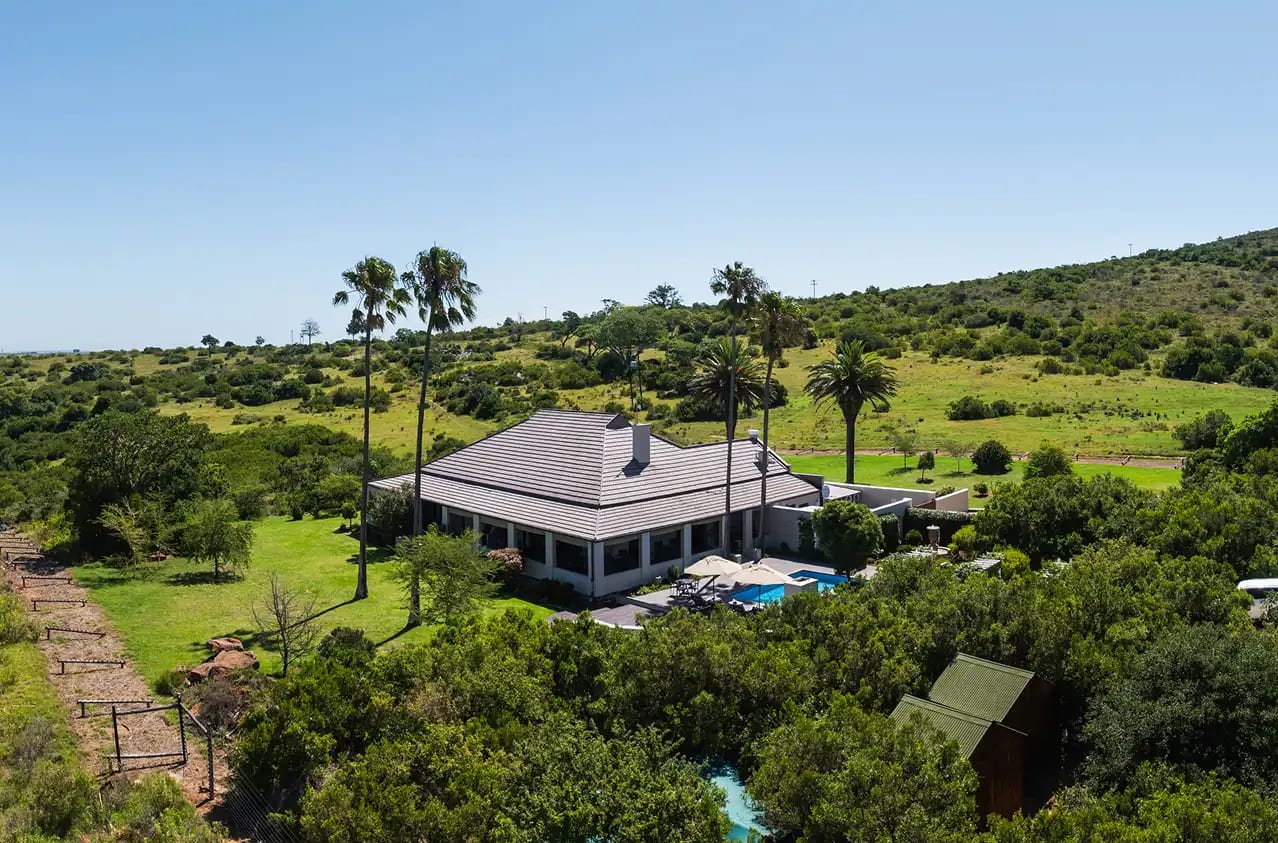
Lalibela Wildlife Reserve, Paterson

Addo Elephant National Park

Camdeboo National Park
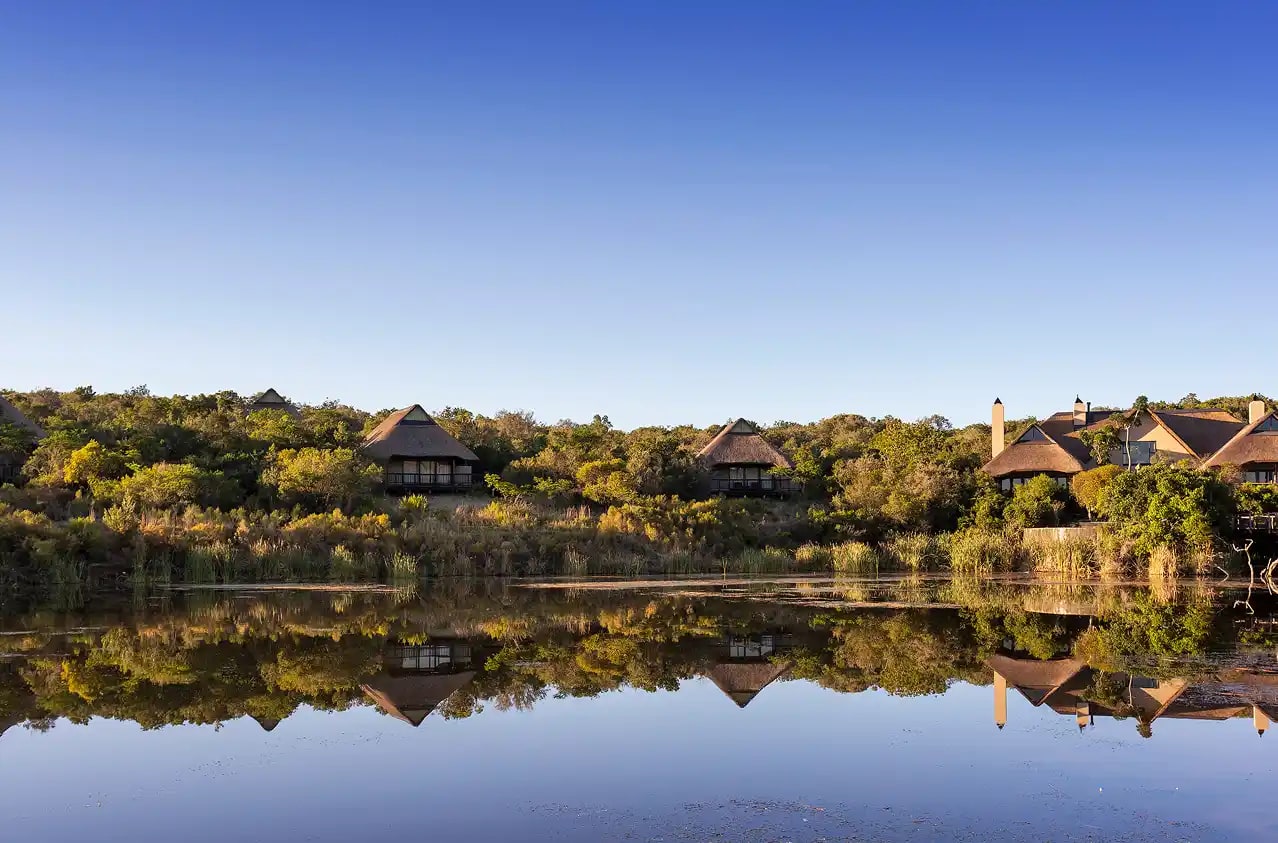
Lalibela Wildlife Reserve, Paterson

Next stop
Forests, lagoons, and Knysna's sheltered bay
See places that give backThe Eastern Cape is the province South Africans drive through and visitors overlook, which is most of its appeal. It holds the Wild Coast, the Karoo towns of Graaff-Reinet and Nieu Bethesda, the Addo elephant country, and the thicket that gives this platform its name.
That thicket is spekboom: a small succulent that regrows on land grazed bare and stores a great deal of carbon while it does. Restoration projects across the province are replanting it, and a number of the stays here fund exactly that work.
It is also malaria free, which makes it the practical choice for a first safari with children. The coast is warm, the interior is dry and high, and the distances between the two are shorter than they look on a map.
Yes. The whole province, including Addo and the private reserves around it, is a malaria free area, which is why it is often recommended for families travelling with young children.
The stretch of coastline between East London and the KwaZulu-Natal border: green hills running straight into the sea, river mouths, and very little development. It is best known for hiking and for the Hole in the Wall.
The thicket vegetation of the Eastern Cape, dominated by spekboom (Portulacaria afra). It is one of the nine South African biomes, called Albany Thicket, and it is the habitat this platform is named after.
The coast is pleasant most of the year and warmest from November to March. For game viewing around Addo, the drier winter months make animals easier to find.