
Kwandwe Private Game Reserve
Eastern Cape · Year-round
5 places

The African firefinch (Lagonosticta rubricata), also called the dark firefinch or blue-billed firefinch due to the color of its bill, is a common species of estrildid finch found in almost all parts of Africa.
Recorded year-round
Recorded in every month, so no month is the wrong month to look. We would rather say that than invent a best time.
Curve from 400 national iNaturalist observations, not from one property and not from this province. Single-month spikes are discarded as upload artefacts, and below 50 records we show no curve at all.
KwaZulu-Natal and beyond
Provinces where African Firefinch is most recorded. Tap one to find places to stay.
400 records, iNaturalist
Across Limpopo

Louis Trichardt
Reliably seen · Birder friendly · Savanna biome
Gives back to BirdLife South Africa
From R 650 a night

Rust de Winter
Reliably seen · Birder friendly · Savanna biome · Chacma baboon · Vervet monkey
Gives back to BirdLife South Africa
Price on request

Haenertsburg
Birder friendly · Grassland biome · Bushbuck
Gives back to BirdLife South Africa
From R 1,500 a night

Kruger National Park
Birder friendly · Savanna biome · Makalani palm · Ana tree
Gives back to BirdLife South Africa
From R 17,120 a night

Magoebaskloof
Birder friendly · Forest biome
Gives back to BirdLife South Africa
From R 1,512 a night

Kruger National Park
Birder friendly · Savanna biome · Makalani palm · Ana tree
Gives back to BirdLife South Africa
From R 11,820 a night

Kruger National Park
Birder friendly · Savanna biome · Makalani palm · Ana tree
Gives back to BirdLife South Africa
From R 8,380 a night

Timbavati Private Nature Reserve
Savanna biome · Lion · Leopard
Price on request

Kruger National Park
Birder friendly · Savanna biome · Leopard · Spotted hyena
Gives back to BirdLife South Africa
From R 11,820 a night

Hoedspruit
Savanna biome · Giraffe · Cheetah
Gives back to DAKTARI Bush School
From R 1,100 a night

Welgevonden Game Reserve
Savanna biome · Giraffe · African elephant
Gives back to DAKTARI Bush School and 1 other
Price on request

Magoebaskloof
Savanna biome
Gives back to DAKTARI Bush School
From R 2,000 a night
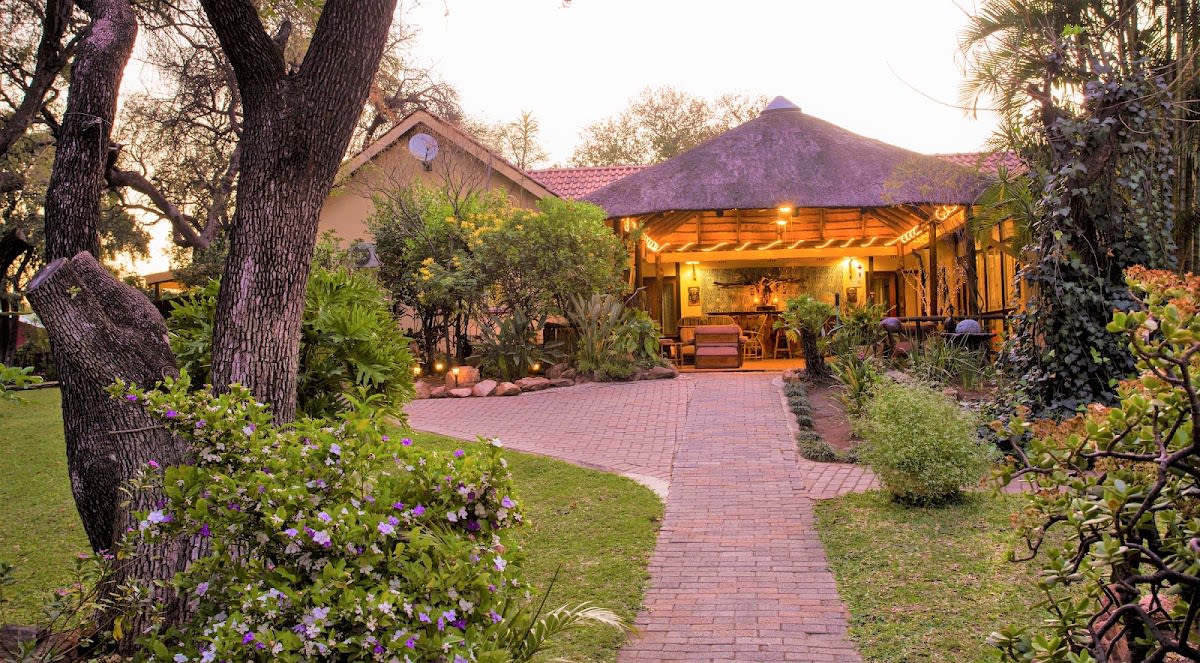
Phalaborwa
Birder friendly · Savanna biome
Gives back to DAKTARI Bush School
From R 1,500 a night

Marakele National Park
Savanna biome · Lion · Leopard
Price on request

Hoedspruit
Birder friendly · Savanna biome · Ana tree
Gives back to BirdLife South Africa
From R 4,000 a night
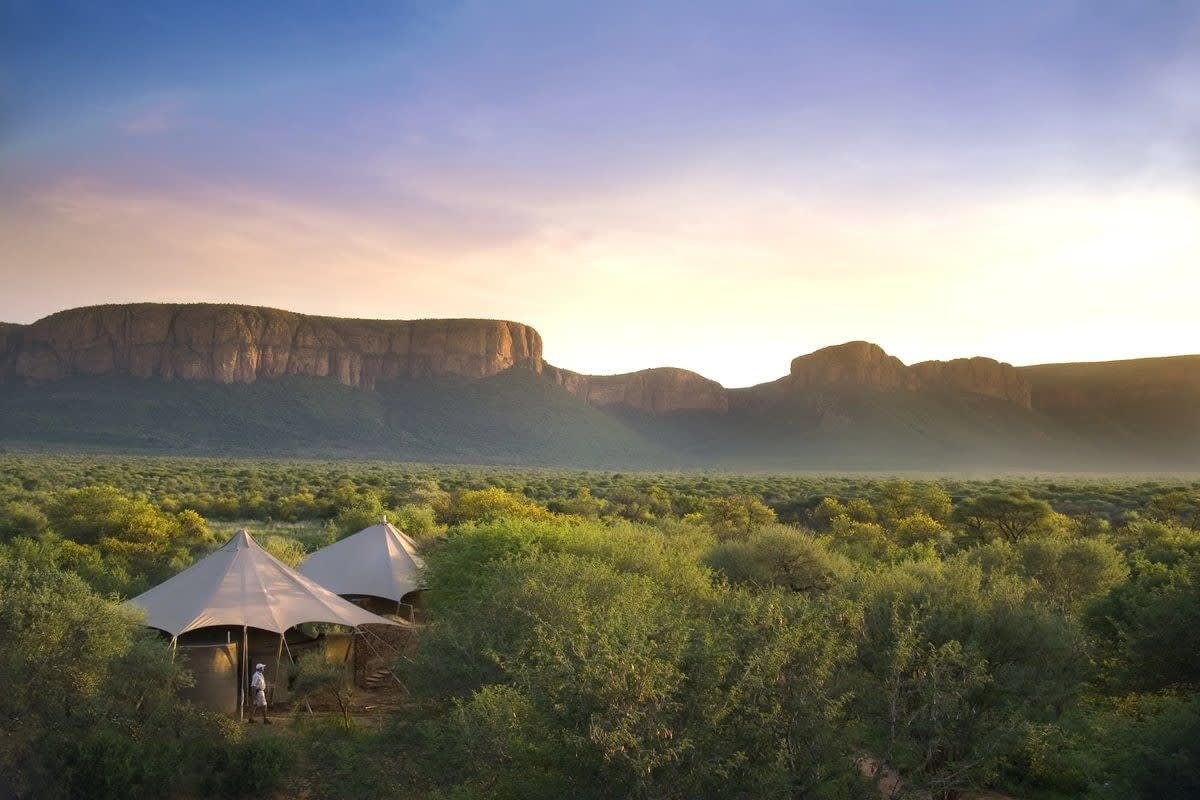
Marakele National Park
Savanna biome · Lion · Leopard
Price on request

Hoedspruit
Savanna biome
Gives back to DAKTARI Bush School
From R 6,400 a night

Hoedspruit
Savanna biome · Ana tree
Gives back to DAKTARI Bush School
From R 3,278 a night

Thornybush Game Reserve
Savanna biome · Lion · Leopard
Price on request

Kruger National Park
Savanna biome · Flaky bark thorn · Leadwood
From R 379 a night

Kruger National Park
Savanna biome · Blue wildebeest · Cheetah
From R 331 a night

Thornybush Game Reserve
Savanna biome · Lion · Leopard
Price on request

Kruger National Park
Savanna biome · Knobthorn · Leadwood
From R 1,445 a night

Kruger National Park
Savanna biome · Delagoa thorn · Knobthorn
From R 390 a night

Next stop
iSimangaliso wetlands, sand forest, and Sodwana reefs
See places that give backPlanning a trip
Species
Lagonosticta rubricata
Records
400
iNaturalist observations
Every booking on Spekboom supports conservation.
A record means a host has seen the African Firefinch on the property or nearby. It is never a guarantee of a sighting.
The African Firefinch is most recorded in KwaZulu-Natal (52% of records), Eastern Cape (18% of records), Mpumalanga (12% of records), based on 400 iNaturalist observations. 2 places to stay on Spekboom in Limpopo have recorded the African Firefinch on site or nearby.
The African Firefinch is recorded throughout the year, so no month is the wrong month to look for it.
The African firefinch (Lagonosticta rubricata), also called the dark firefinch or blue-billed firefinch due to the color of its bill, is a common species of estrildid finch found in almost all parts of Africa. It has an estimated global extent of occurrence of 5,400,000 km2.


