South African road trips with curated stays, planned in minutes.
Five South African road-trip routes
Build a multi-stop South African route from stays that give back. Pick your stops, and we suggest lodges, guest farms and rest camps along the way, each one linked to a conservation, community or education cause. Send booking requests for the stays you like; hosts confirm and you only pay once they accept.
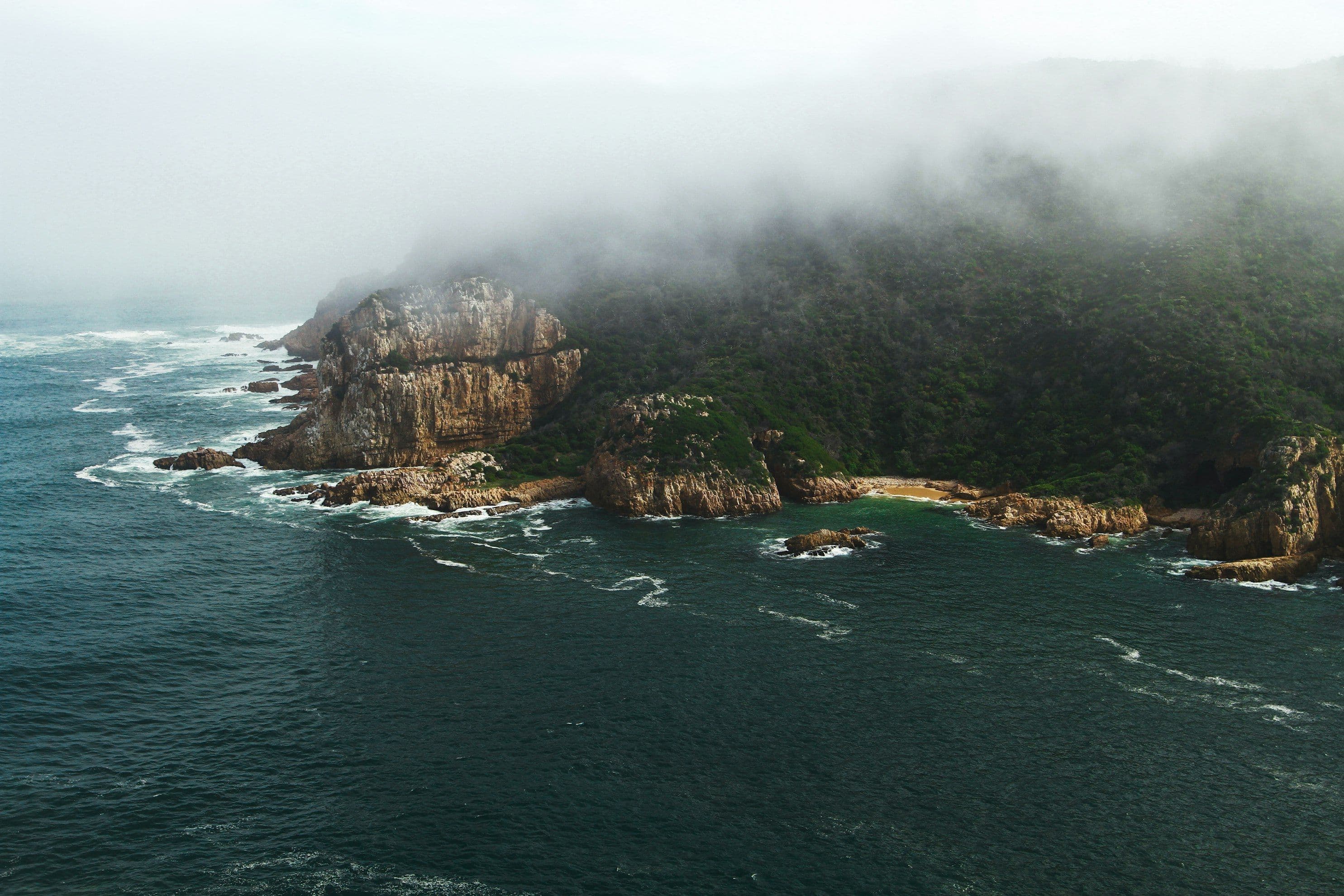
The Garden Route is the South African road trip people mean when they say they want to drive the coast properly. Between Mossel Bay and the Storms River, the N2 threads lagoons, yellowwood forest and towns that still feel like towns: the Knysna Heads, the Wilderness lakes, the Plett beaches, the Tsitsikamma cliffs. You do not need a complicated itinerary. You need three good beds, time to walk at dusk, and a willingness to stop when the light goes gold on the water.
This template keeps it regenerative and simple: sleep where your stay already backs a local cause (sea rescue, birding, community), mix a village guest house with a reserve cottage, and leave room for oysters, a forest boardwalk and one slow morning with nowhere to be. Spekboom is request-to-book: send an enquiry on the stays you like and string the nights together from there.
Flying into George or driving out from Cape Town, treat this as a four to seven night spine. Add Hermanus or Swellendam on either end if you want whales or Route 62 without rushing the middle.
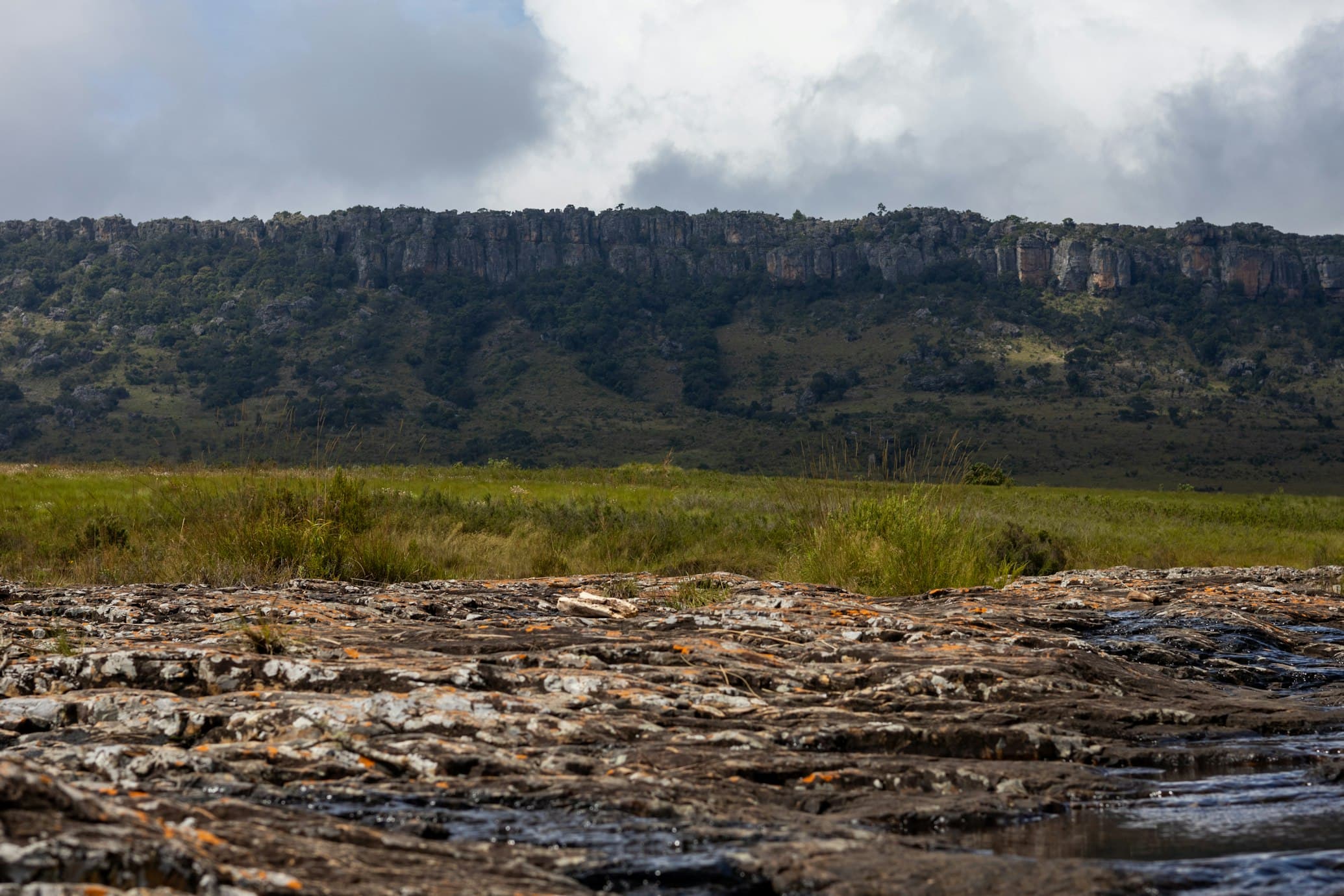
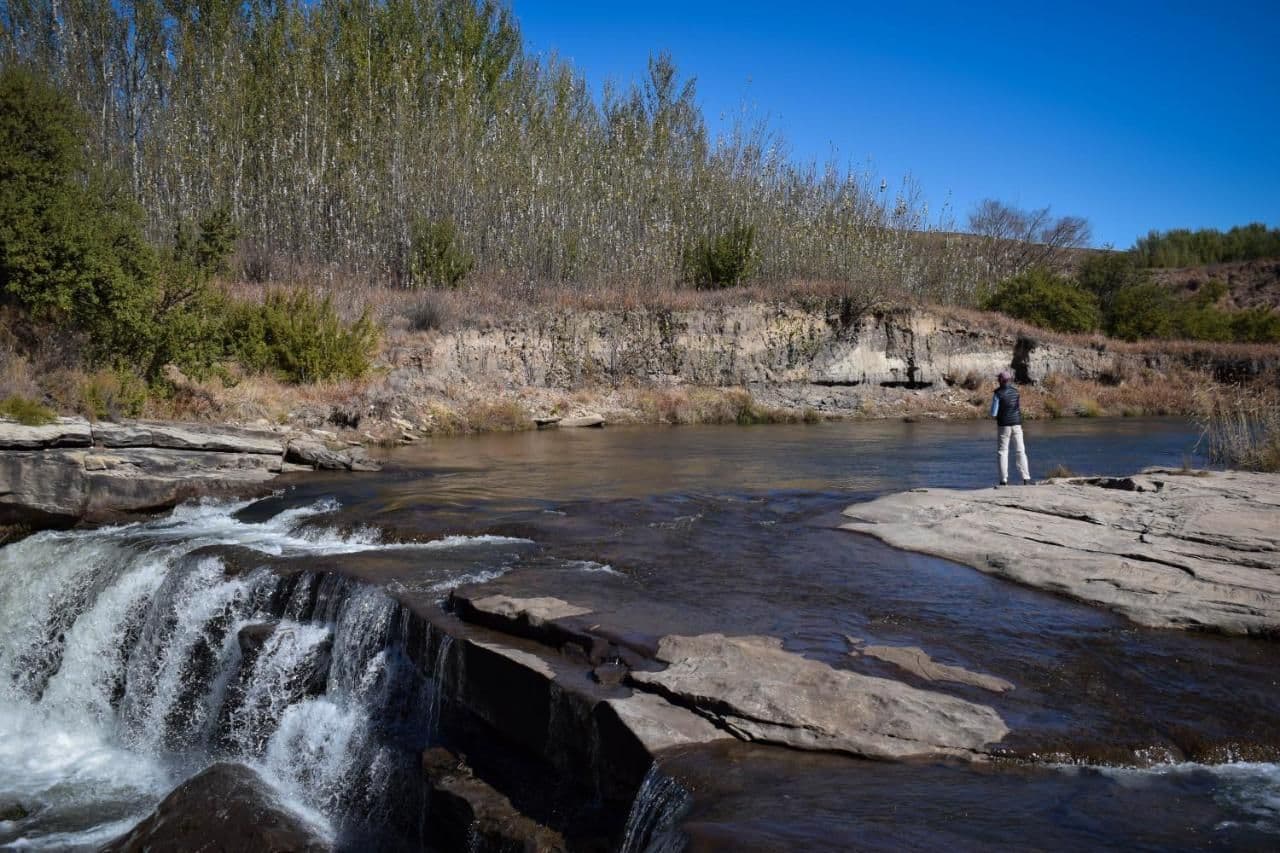
Route 62 is the inland answer to the Garden Route: fewer coaches, more gravel turn-offs, and nights where the only sound is a dog on a neighbouring farm. From the Langeberg through the Montagu kloofs toward the Klein Karoo and Prince Albert, the landscape opens into that particular Karoo quiet, spekboom and koppie, windpump and evening star. It is not empty. It is full of space.
Use this template when you want country hospitality and conservation that looks like farming done with care: conservancies, leopard landscapes, skills schools, village trusts. Sleep on a farm or in a small-town manor, drive the passes in daylight, and leave an afternoon for hot springs, a Saturday market, or simply sitting on a stoep with coffee going cold.
Kruger: inside the park or on the gate, you choose
The classic South African question: sleep inside Kruger, or base yourself just outside and drive in? Inside means rest-camp rhythm, gates, game drives from your door and lions on the night soundtrack. Outside, in Hoedspruit, Phalaborwa and the Greater Kruger private reserves, means longer evenings, more lodge choice and often easier logistics for first-timers. Both are real safaris; Spekboom lists both so you can compare without the marketing fog.
This template is honest about the trade-offs. Inside: unmatched immersion, SANParks rest camps like Olifants with river views. Outside: gateway towns and private camps that fund bush schools and wildlife care, with day access to Orpen, Phalaborwa or other gates. Your booking still gives back, with hosts backing causes such as the Endangered Wildlife Trust and the DAKTARI Bush School.
Zululand birding: sand forest, wetlands and Birder Friendly stays
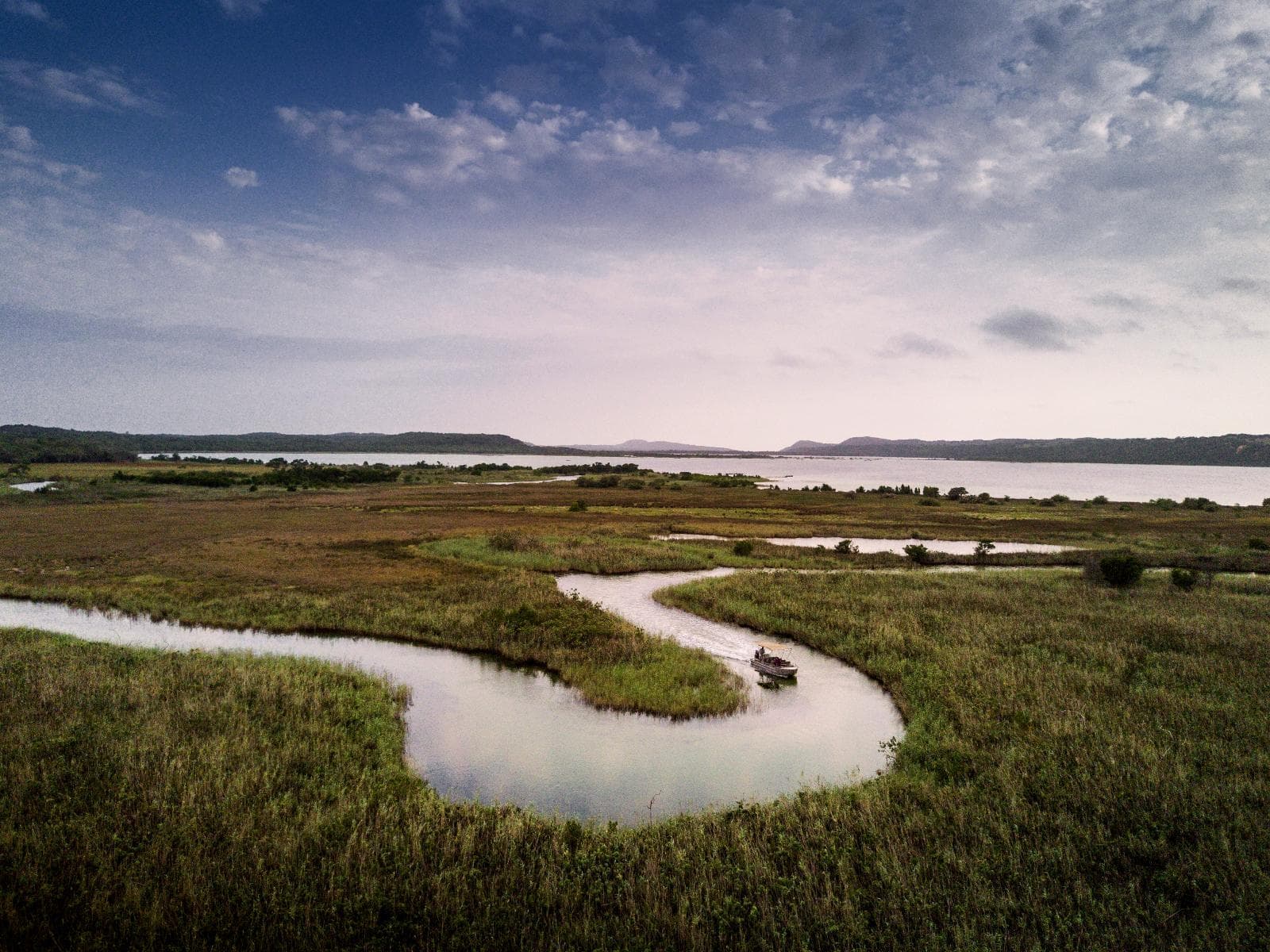
Zululand is where South African birding gets serious without losing the joy of a bush evening. Around Hluhluwe, Mkuze and the iSimangaliso lakes, sand forest specials sit a short drive from wetland flocks and Big Four reserves. The GoBirding partnership means many stays here already carry a BirdLife Affiliated badge, and a share of every booking supports BirdLife South Africa.
This template is for people who pack binoculars first. Base near Hluhluwe for Phinda, Bonamanzi and Hluhluwe-iMfolozi day trips; push north to Kosi for Palm-nut Vulture and the lake systems if you have time and a 4x4 or a lodge transfer. Expect hot days, brilliant dawn choruses and hosts who understand an early breakfast.
Five to seven nights lets you bird without racing. Mention target species in your enquiry (African Broadbill, Pel’s Fishing Owl, Neergaard’s Sunbird) and hosts can route you sensibly.
Winelands to Overberg: vineyards, fynbos and the whale coast
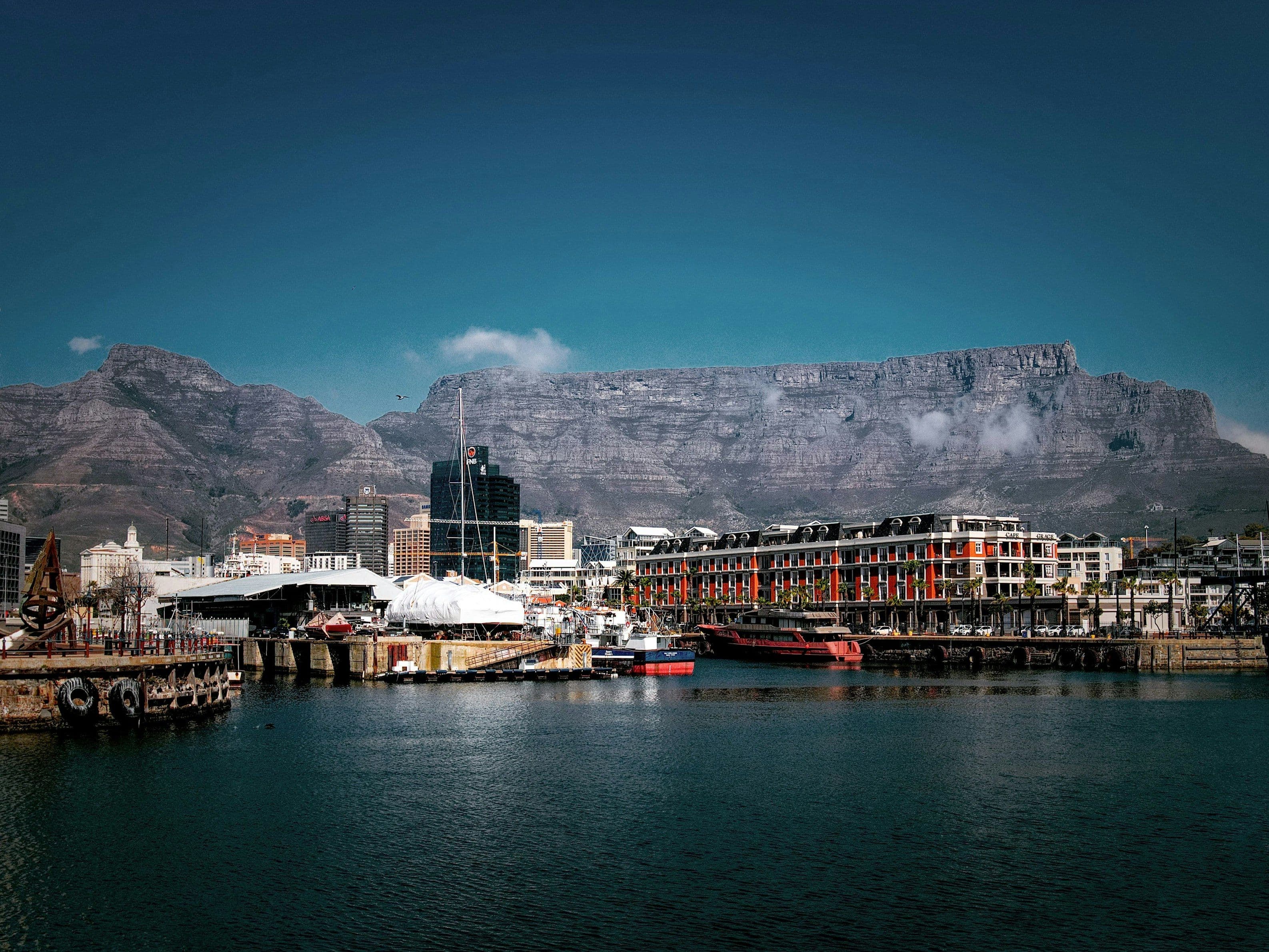
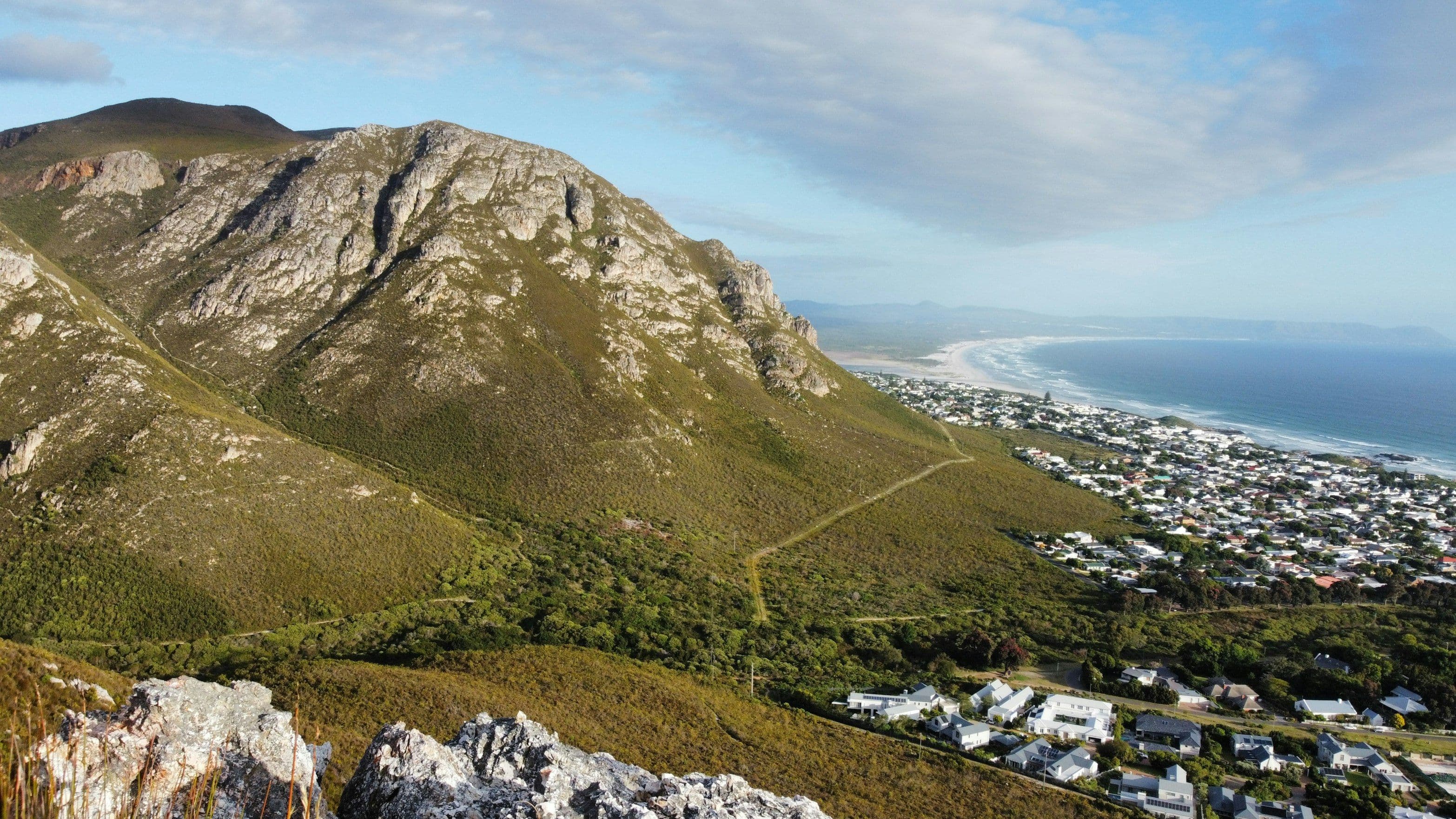
Start in the Franschhoek or Stellenbosch bowl, vineyard light, manor houses, Cap Classique on a quiet afternoon, then swing south-east toward the Overberg and Walker Bay. The drive is an easy day if you do not rush: apple country, fynbos ridges, then the smell of the sea near Hermanus and the Bot River Lagoon. This is the Cape at its most generous to first-time visitors, without pretending it is only about wine lists.
On Spekboom, the Overberg end is rich with BirdLife Affiliated stays around Benguela Cove and Hermanus: lagoon, whales in season, sunbirds in the fynbos. Your nights can fund seabird rehabilitation through SANCCOB, leopard landscapes, or village animal welfare, depending on the host’s chosen cause. Request to book; you are not charged until the host accepts.
Four to six nights is enough to feel the shift from Winelands green to Karoo gold. Pair with the Winelands to Overberg template if you are starting in Franschhoek or Stellenbosch.
Three nights minimum inside; five is kinder. If you are birding as much as Big Five-ing, say so in your enquiry and you will be pointed to BirdLife-affiliated stays on the escarpment and the Lowveld edge.
Three to five nights works: one or two in the Winelands, two on the lagoon or the Hermanus cliffs. Add a Swellendam stop if you are continuing onto Route 62.