Cederberg Wilderness Area
Western Cape · Best Sep to Apr
9 places

Wildlife
The Cape cobra (Naja nivea), also called the yellow cobra, is a moderate-sized, highly venomous species of cobra inhabiting a wide variety of biomes across southern Africa including arid savanna, fynbos, bushveld, desert and semi-desert regions.
Recorded year-round
Recorded in every month, so no month is the wrong month to look. We would rather say that than invent a best time.
Curve from 1,396 national iNaturalist observations, not from one property. Single-month spikes are discarded as upload artefacts, and below 50 records we show no curve at all.
Western Cape and beyond
Provinces where Cape Cobra is most recorded. Tap one to find places to stay.
1,397 records, iNaturalist
Across South Africa

Robertson
Cape Cobra recorded here

Swellendam
Cape Cobra recorded here

Montagu

Cape Cobra recorded here

Marloth Nature Reserve
Cape Cobra recorded here

Cederberg Wilderness Area
Cape Cobra recorded here
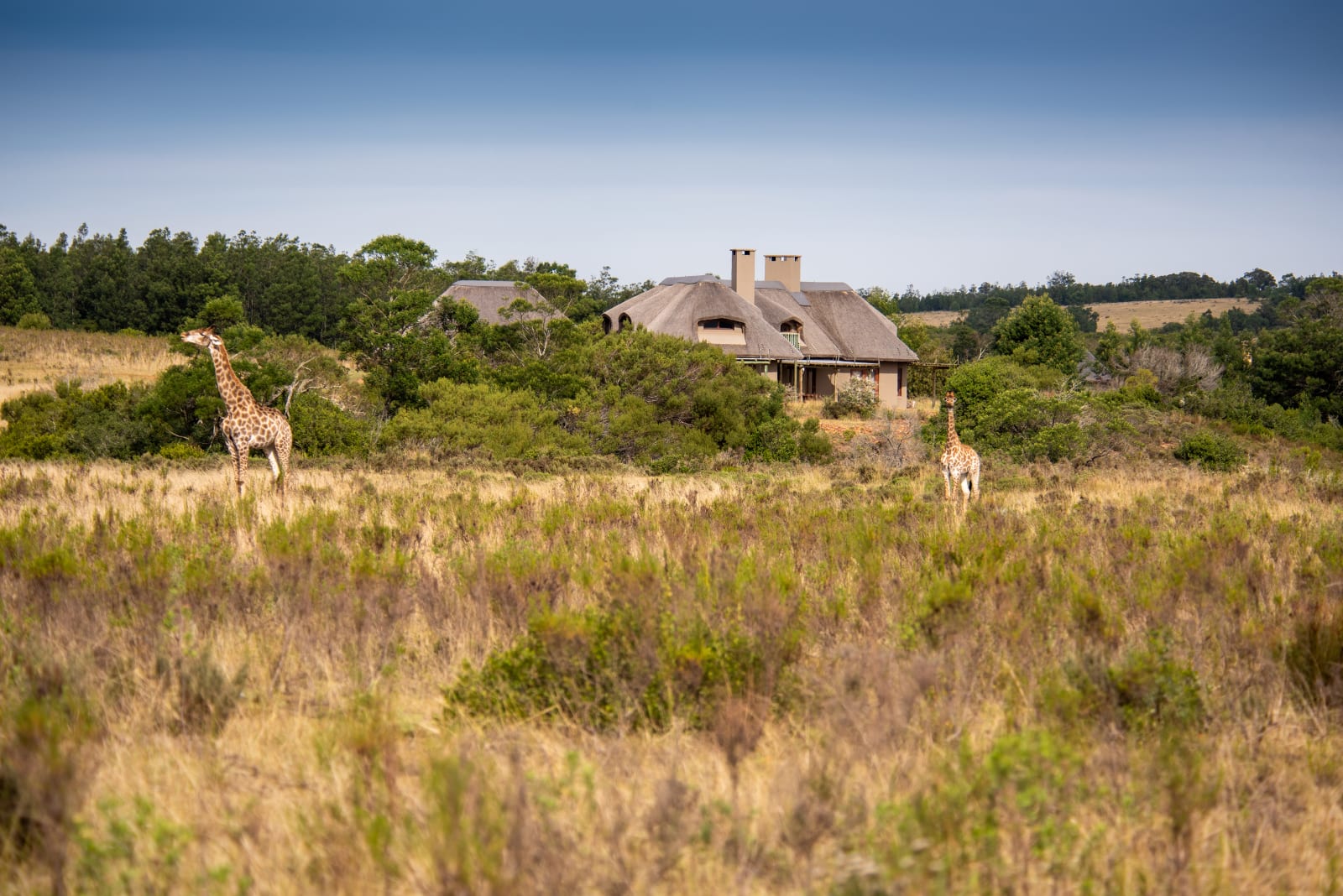
Gondwana Game Reserve

Cape Cobra recorded here

Gamkaberg Nature Reserve
Cape Cobra recorded here
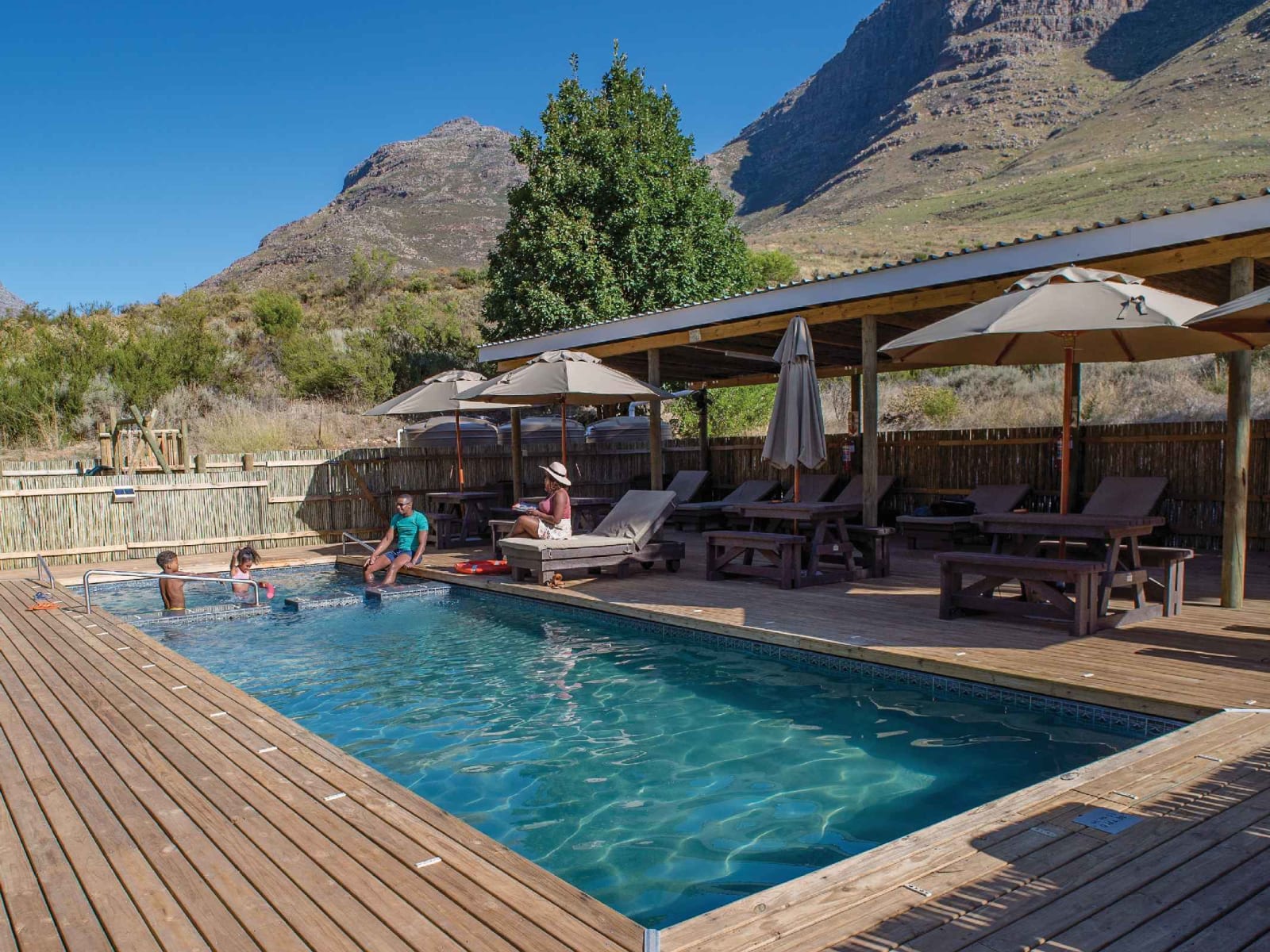
Cederberg Wilderness Area
Cape Cobra recorded here
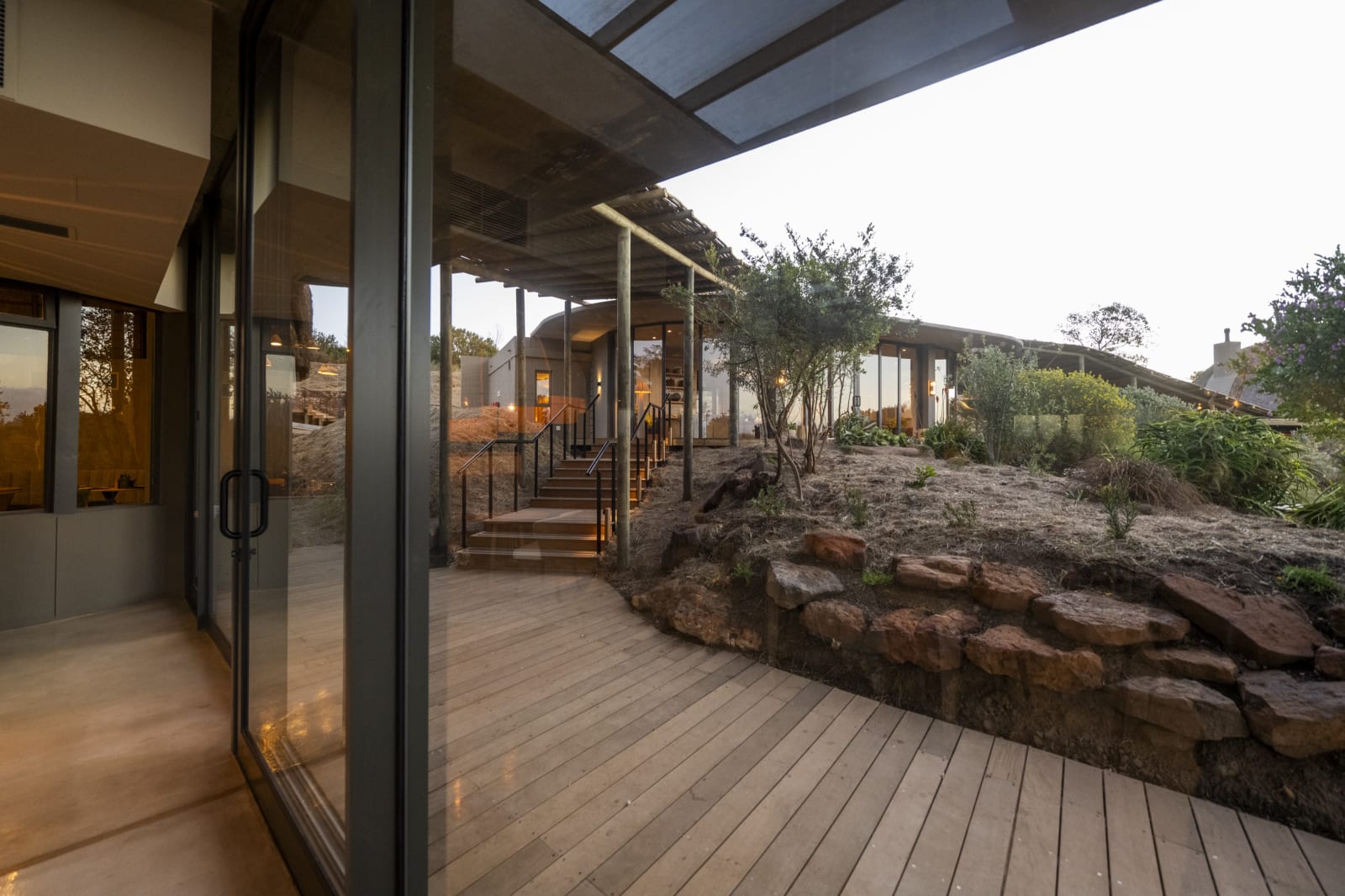
Gondwana Game Reserve
Cape Cobra recorded here

Gamkaberg Nature Reserve
Cape Cobra recorded here

Gamkaberg Nature Reserve
Cape Cobra recorded here

Gamkaberg Nature Reserve
Cape Cobra recorded here

Gamkaberg Nature Reserve
Cape Cobra recorded here

Gamkaberg Nature Reserve
Cape Cobra recorded here

Gamkaberg Nature Reserve
Cape Cobra recorded here

Cederberg Wilderness Area
Cape Cobra recorded here
Cederberg Wilderness Area
Cape Cobra recorded here

Cederberg Wilderness Area
Cape Cobra recorded here

Cederberg Wilderness Area
Cape Cobra recorded here
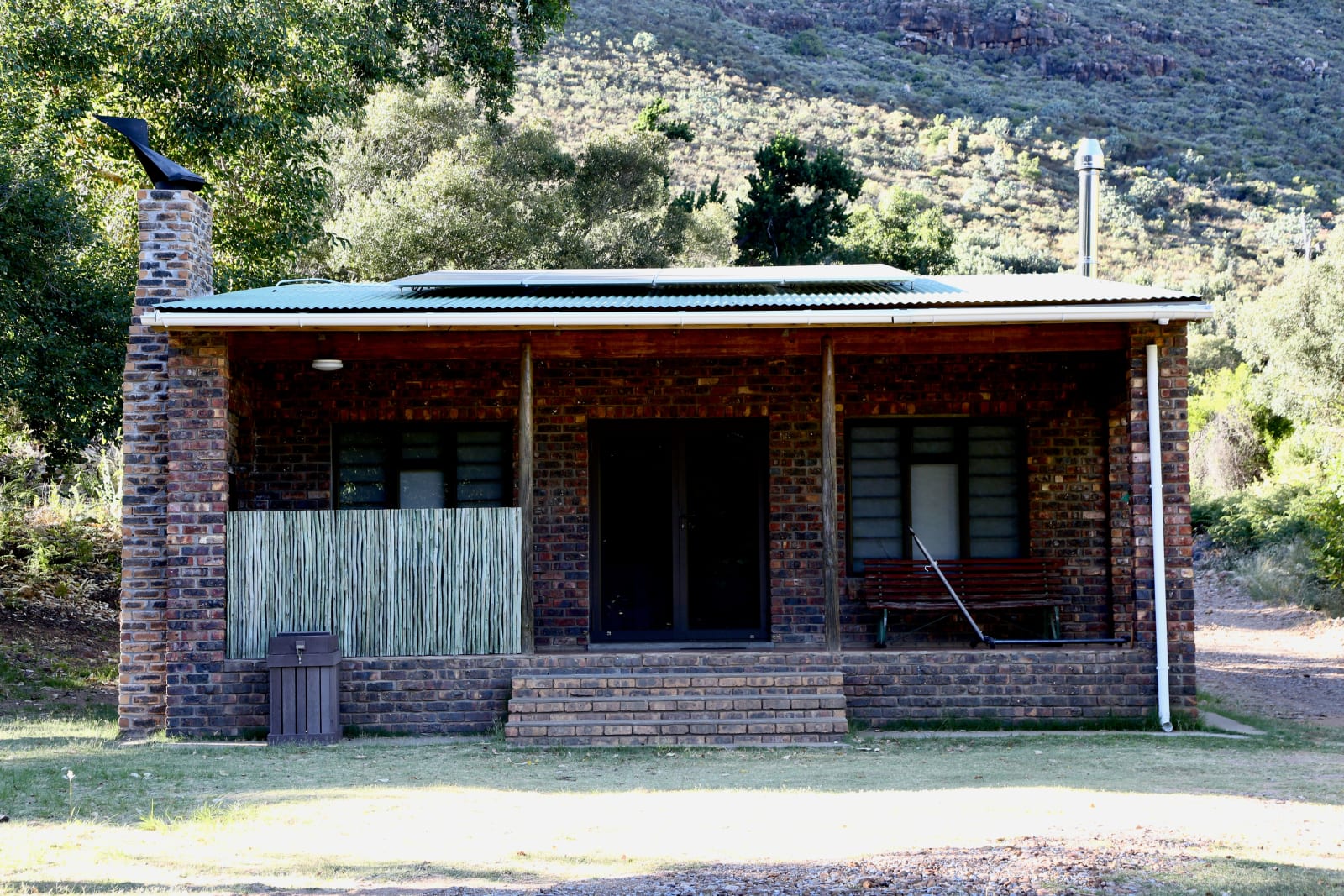
Cederberg Wilderness Area
Cape Cobra recorded here
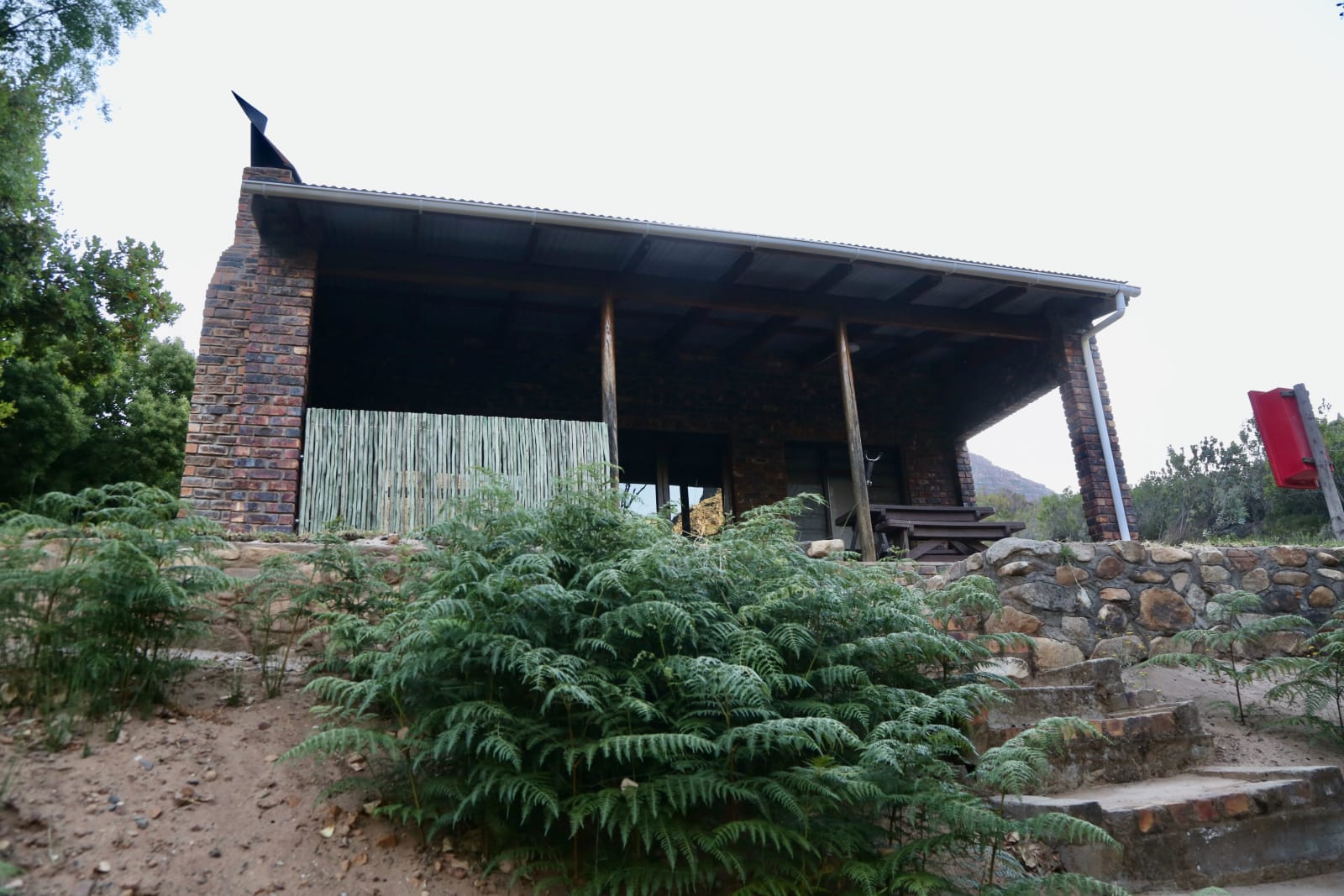
Cederberg Wilderness Area
Cape Cobra recorded here
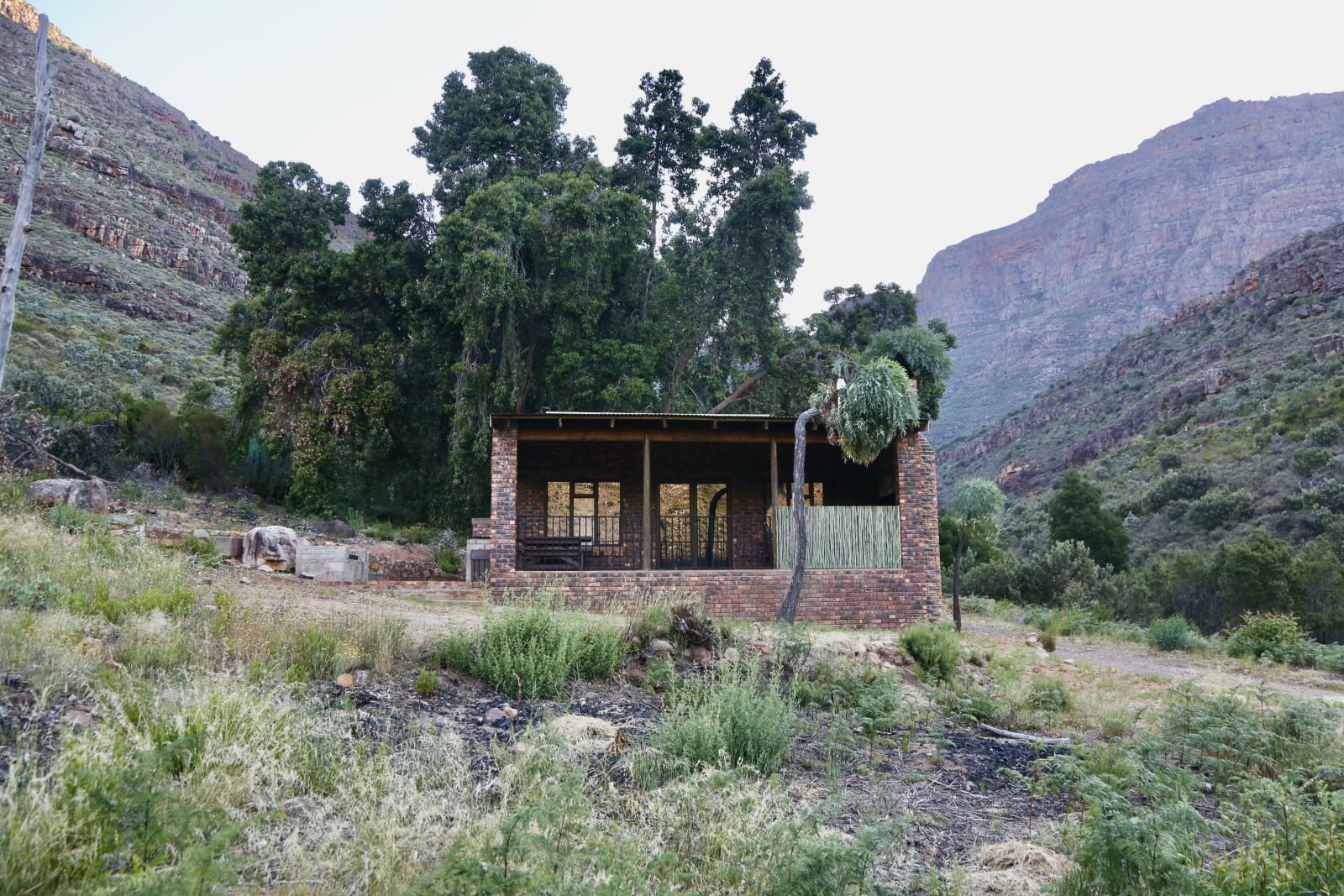
Cederberg Wilderness Area
Cape Cobra recorded here
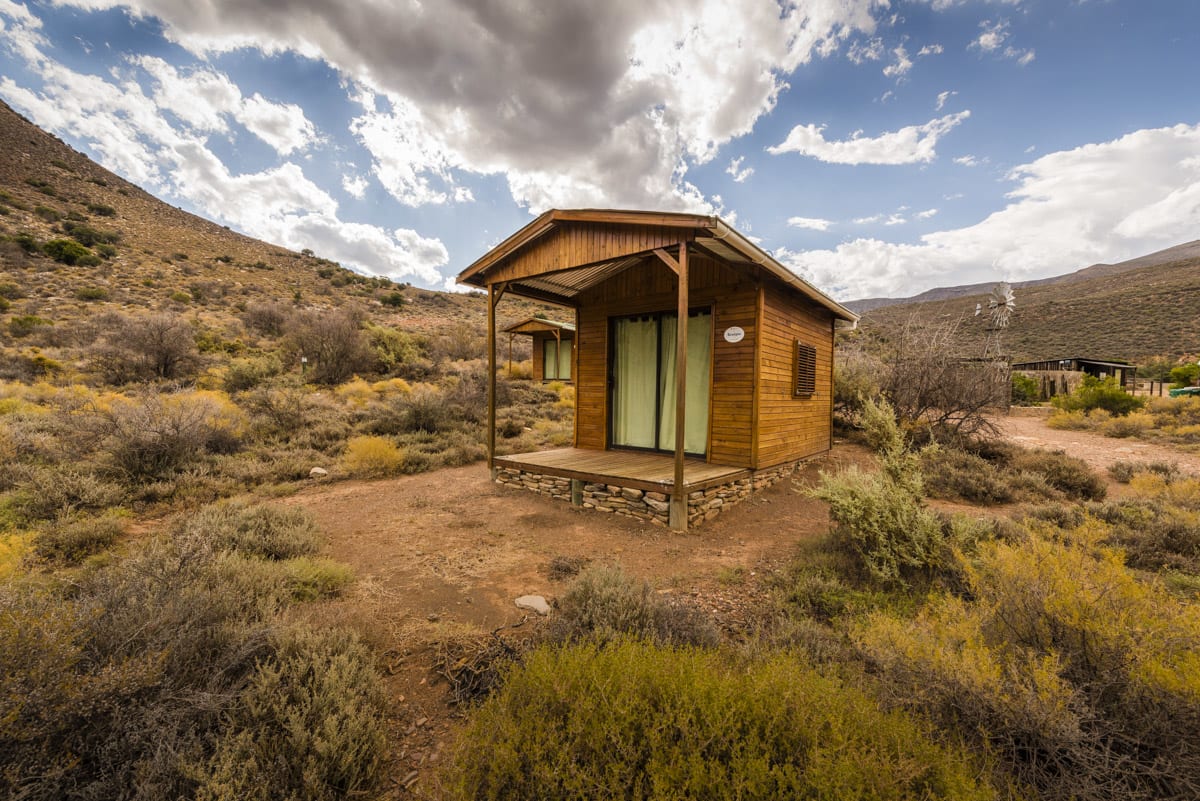
Anysberg Nature Reserve
Cape Cobra recorded here

Anysberg Nature Reserve
Cape Cobra recorded here
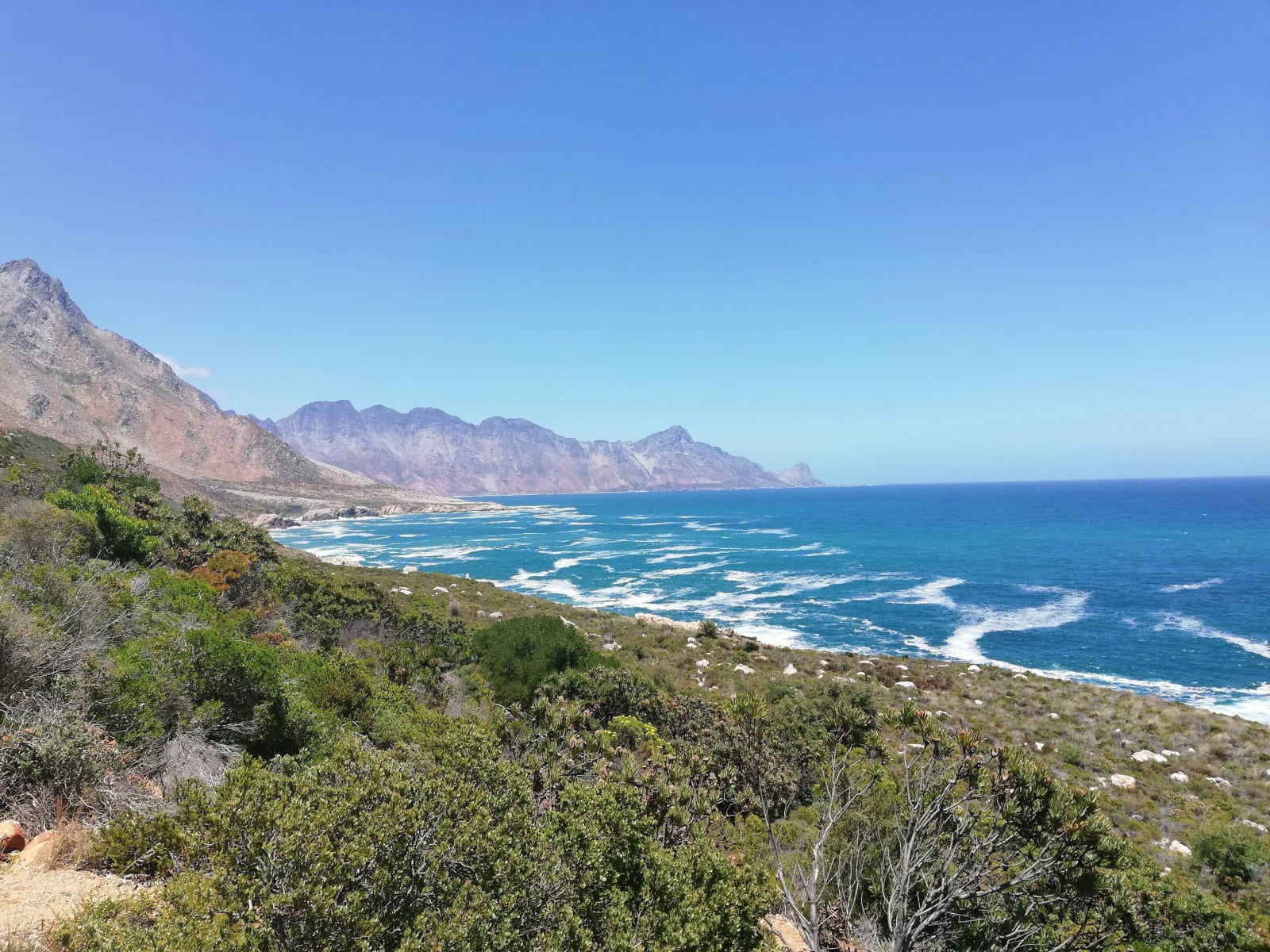
Next stop
Whale coast and rolling farm country
See places that give backPlanning a trip
Hosts have recorded the Cape Cobra at stays in or beside Cederberg Wilderness Area, Anysberg Nature Reserve and Gamkaberg Nature Reserve.
| Park | Jan | Feb | Mar | Apr | May | Jun | Jul | Aug | Sep | Oct | Nov | Dec |
|---|---|---|---|---|---|---|---|---|---|---|---|---|
| Cederberg Wilderness Area | Easiest viewing | Easiest viewing | Easiest viewing | Easiest viewing | Here | Here | Here | Here | Easiest viewing | Easiest viewing | Easiest viewing | Easiest viewing |
| Anysberg | Here | Here | Here | Here | Here |
Darker months are each park's own best season, when thinner bush or scarce water makes viewing easier. A sighting is never guaranteed.
Cederberg Wilderness Area · Anysberg · Gamkaberg

Kgalagadi · Augrabies Falls · Namaqua

Addo Elephant
Drive yourself
Your own vehicle and pace, on the park's roads.
Where hosts record it
Guided drives from a lodge
A guide who knows where to look, with off-road and night drives in the private reserves.
Where hosts record it
Species
Naja nivea
Records
1,397
iNaturalist observations
Every booking on Spekboom supports conservation.
A record means a host has seen the Cape Cobra on the property or nearby. It is never a guarantee of a sighting.
Hosts on Spekboom have recorded the Cape Cobra at stays in or beside Cederberg Wilderness Area, Anysberg Nature Reserve, Gamkaberg Nature Reserve, Kgalagadi Transfrontier Park, Addo Elephant National Park and Table Mountain National Park and other reserves. A record means a host has seen it on the property or nearby, which makes these the places to base yourself; it is never a guarantee of a sighting on any given day.
The Cape Cobra is most recorded in Western Cape (74% of records), Northern Cape (14% of records), Eastern Cape (9% of records), based on 1,397 iNaturalist observations. 48 places to stay on Spekboom in South Africa have recorded the Cape Cobra on site or nearby.
The Cape Cobra is recorded throughout the year, so no month is the wrong month to look for it. For the parks where hosts record it most, these are the best seasons they give. Cederberg Wilderness Area: Sep-Apr, flowers Aug-Oct; Anysberg Nature Reserve: Autumn and spring, Mar-May, Sep-Nov; Gamkaberg Nature Reserve: Autumn and spring, Mar-May, Sep-Nov; Kgalagadi Transfrontier Park: Aug-Oct, flowers, Mar-May. In the dry months animals concentrate at water and the grass is short.
The Cape cobra (Naja nivea), also called the yellow cobra, is a moderate-sized, highly venomous species of cobra inhabiting a wide variety of biomes across southern Africa including arid savanna, fynbos, bushveld, desert and semi-desert regions. The species is diurnal and is a feeding generalist, preying on a number of different species and carrion.
| Here |
| Here |
| Here |
| Here |
| Here |
| Here |
| Here |
| Gamkaberg | Here | Here | Here | Here | Here | Here | Here | Here | Here | Here | Here | Here |
|---|
| Kgalagadi | Here | Here | Easiest viewing | Easiest viewing | Easiest viewing | Here | Here | Here | Here | Here | Here | Here |
|---|
| Addo Elephant | Here | Here | Easiest viewing | Easiest viewing | Easiest viewing | Here | Here | Here | Easiest viewing | Easiest viewing | Easiest viewing | Here |
|---|
| Table Mountain | Easiest viewing | Easiest viewing | Easiest viewing | Easiest viewing | Here | Here | Here | Here | Easiest viewing | Easiest viewing | Easiest viewing | Easiest viewing |
|---|
| Gondwana | Easiest viewing | Easiest viewing | Easiest viewing | Easiest viewing | Here | Here | Here | Here | Easiest viewing | Easiest viewing | Easiest viewing | Easiest viewing |
|---|