
Kruger National Park
Limpopo · Best Apr to Sep
7 places

The blue-cheeked bee-eater (Merops persicus) is a near passerine bird in the bee-eater family, Meropidae.
Most records Dec to Apr
When Blue-cheeked Bee-eater sightings peak, from open records. Outside these months it is seen less often, not never.
Curve from 676 national iNaturalist observations, not from one property and not from this province. Single-month spikes are discarded as upload artefacts, and below 50 records we show no curve at all.
KwaZulu-Natal and beyond
Provinces where Blue-cheeked Bee-eater is most recorded. Tap one to find places to stay.
676 records, iNaturalist
Across Limpopo

Kruger National Park
Reliably seen · Birder friendly · Savanna biome · Makalani palm · Ana tree
Gives back to BirdLife South Africa
From R 17,120 a night

Kruger National Park
Reliably seen · Birder friendly · Savanna biome · Makalani palm · Ana tree
Gives back to BirdLife South Africa
From R 11,820 a night

Kruger National Park
Reliably seen · Birder friendly · Savanna biome · Makalani palm · Ana tree
Gives back to BirdLife South Africa
From R 8,380 a night

Kruger National Park
Reliably seen · Birder friendly · Savanna biome · Leopard · Spotted hyena
Gives back to BirdLife South Africa
From R 11,820 a night
Kruger National Park
Blue-cheeked Bee-eater recorded here · Savanna biome · Blue wildebeest · Cheetah
From R 331 a night

Kruger National Park
Blue-cheeked Bee-eater recorded here · Savanna biome · Delagoa thorn · Knobthorn
From R 390 a night

Kruger National Park
Blue-cheeked Bee-eater recorded here · Savanna biome · Cheetah · Delagoa thorn
From R 771 a night

Haenertsburg
Birder friendly · Grassland biome · Bushbuck
Gives back to BirdLife South Africa
From R 1,500 a night

Magoebaskloof
Birder friendly · Forest biome
Gives back to BirdLife South Africa
From R 1,512 a night

Timbavati Private Nature Reserve
Savanna biome · Lion · Leopard
Price on request

Hoedspruit
Savanna biome · Giraffe · Cheetah
Gives back to DAKTARI Bush School
From R 1,100 a night

Welgevonden Game Reserve
Savanna biome · Giraffe · African elephant
Gives back to DAKTARI Bush School and 1 other
Price on request

Magoebaskloof
Savanna biome
Gives back to DAKTARI Bush School
From R 2,000 a night
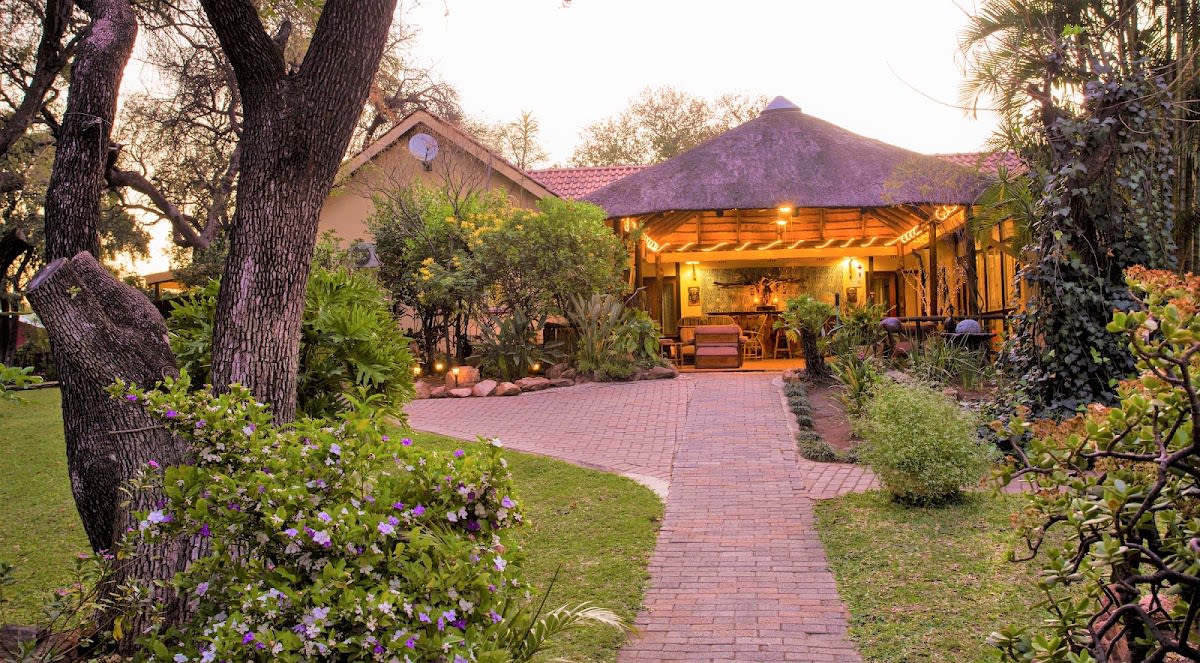
Phalaborwa
Birder friendly · Savanna biome
Gives back to DAKTARI Bush School
From R 1,500 a night

Marakele National Park
Savanna biome · Lion · Leopard
Price on request

Hoedspruit
Birder friendly · Savanna biome · Ana tree
Gives back to BirdLife South Africa
From R 4,000 a night

Louis Trichardt
Birder friendly · Savanna biome
Gives back to BirdLife South Africa
From R 650 a night
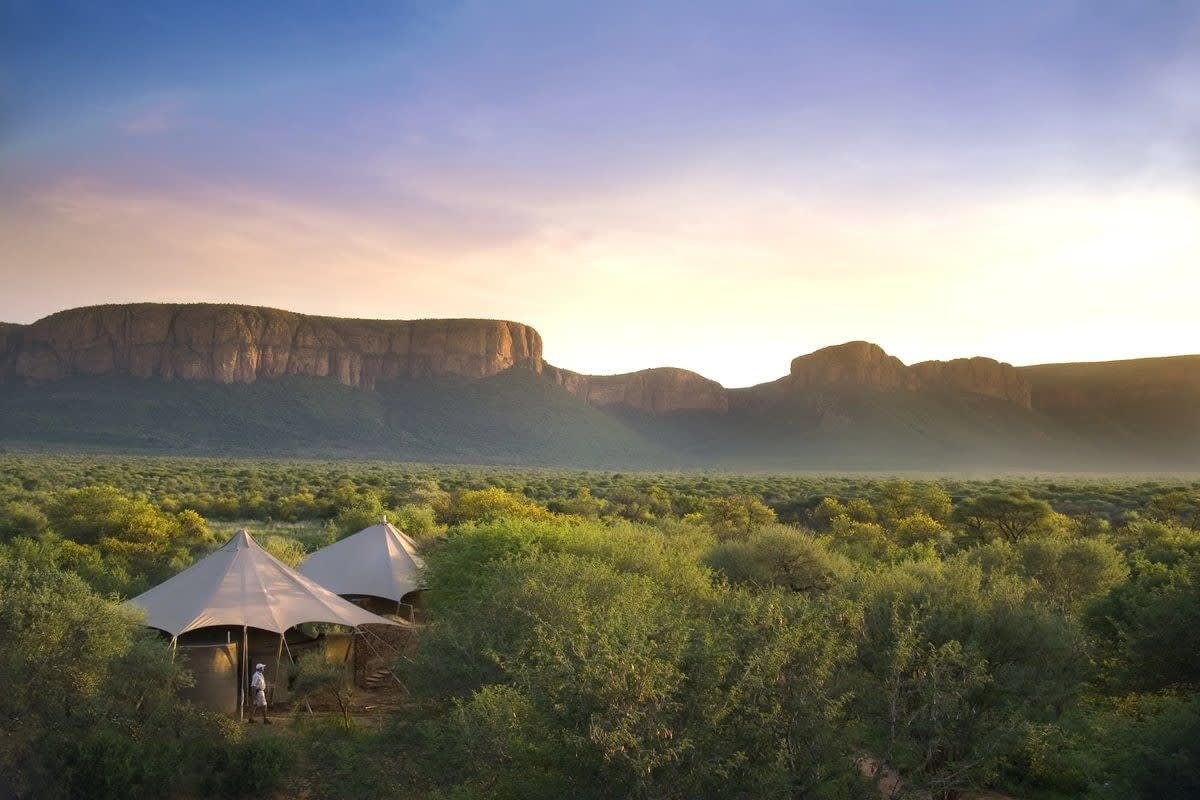
Marakele National Park
Savanna biome · Lion · Leopard
Price on request

Hoedspruit
Savanna biome
Gives back to DAKTARI Bush School
From R 6,400 a night

Hoedspruit
Savanna biome · Ana tree
Gives back to DAKTARI Bush School
From R 3,278 a night

Thornybush Game Reserve
Savanna biome · Lion · Leopard
Price on request

Kruger National Park
Savanna biome · Flaky bark thorn · Leadwood
From R 379 a night

Thornybush Game Reserve
Savanna biome · Lion · Leopard
Price on request

Kruger National Park
Savanna biome · Knobthorn · Leadwood
From R 1,445 a night

Next stop
iSimangaliso wetlands, sand forest, and Sodwana reefs
See places that give backPlanning a trip
Hosts have recorded the Blue-cheeked Bee-eater at stays in or beside Kruger National Park.
Drive yourself
Your own vehicle and pace, on the park's roads.
Where hosts record it
Species
Merops persicus
Records
676
iNaturalist observations
Every booking on Spekboom supports conservation.
A record means a host has seen the Blue-cheeked Bee-eater on the property or nearby. It is never a guarantee of a sighting.
Hosts on Spekboom have recorded the Blue-cheeked Bee-eater at stays in or beside Kruger National Park. A record means a host has seen it on the property or nearby, which makes these the places to base yourself; it is never a guarantee of a sighting on any given day.
The Blue-cheeked Bee-eater is most recorded in KwaZulu-Natal (77% of records), Limpopo (6% of records), Eastern Cape (5% of records), based on 676 iNaturalist observations. 7 places to stay on Spekboom in Limpopo have recorded the Blue-cheeked Bee-eater on site or nearby.
Sightings of the Blue-cheeked Bee-eater peak from Dec to Apr, based on 676 iNaturalist records. You may still see it outside those months, sightings are just less frequent.
The blue-cheeked bee-eater (Merops persicus) is a near passerine bird in the bee-eater family, Meropidae. The genus name Merops is Ancient Greek for "bee-eater", and persicus is Latin for "Persian".


