Kruger National Park
Limpopo · Best Apr to Sep
42 places

The rufous-naped lark (Corypha africana) or rufous-naped bush lark is a widespread and conspicuous species of lark in the lightly wooded grasslands, open savannas and farmlands of the Afrotropics.
Most records Nov to Jan
When Rufous-naped Lark sightings peak, from open records. Outside these months it is seen less often, not never.
Curve from 1,276 national iNaturalist observations, not from one property. Single-month spikes are discarded as upload artefacts, and below 50 records we show no curve at all.
KwaZulu-Natal and beyond
Provinces where Rufous-naped Lark is most recorded. Tap one to find places to stay.
1,276 records, iNaturalist
Across South Africa

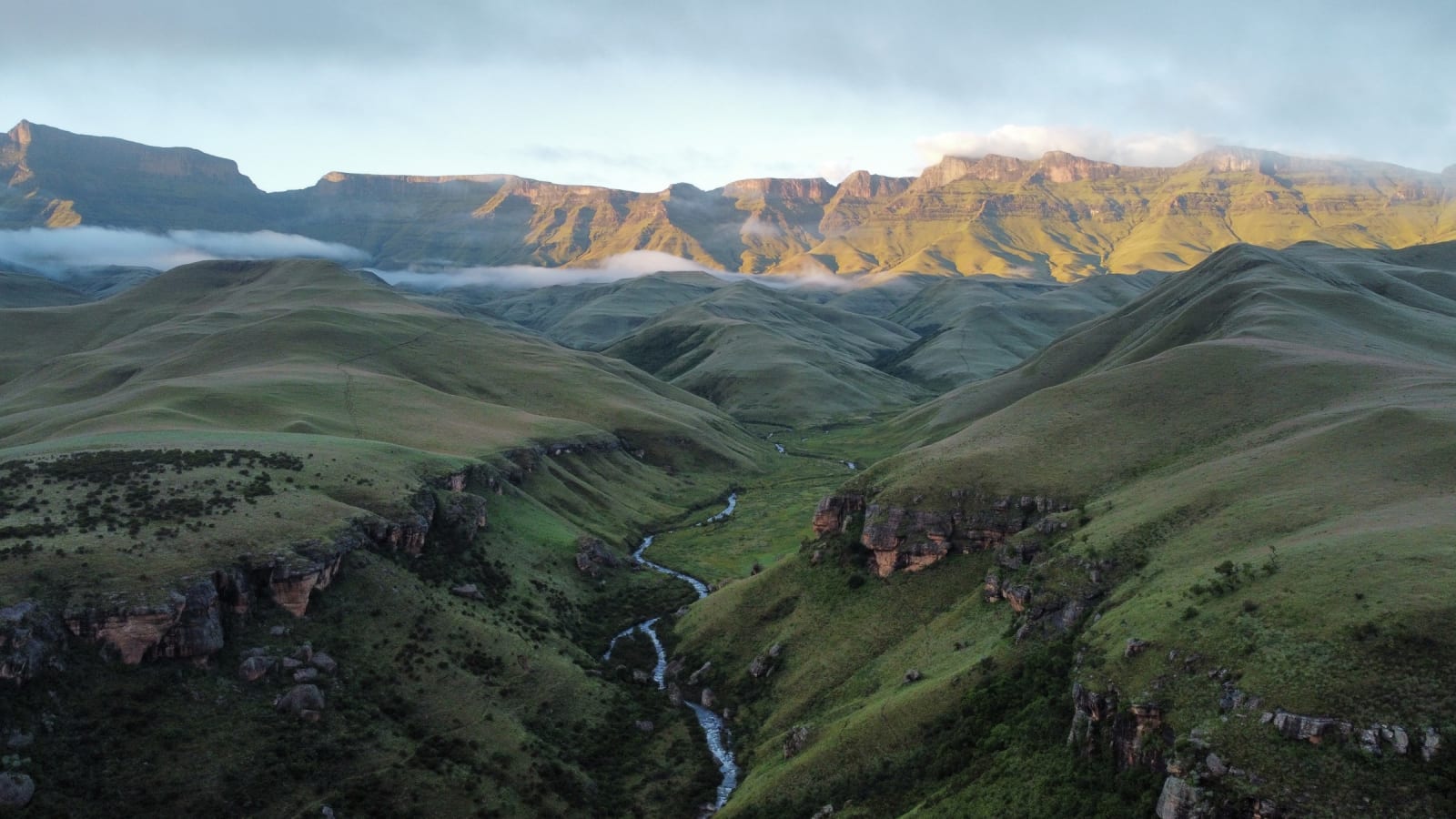
Drakensberg, Bergville

Reliably seen · Birder friendly
Hazyview

Rufous-naped Lark recorded here

Wakkerstroom

Reliably seen · Birder friendly

Kruger National Park
Reliably seen · Birder friendly

Kruger National Park
Reliably seen · Birder friendly

Hluhluwe-Imfolozi Park

Rufous-naped Lark recorded here

Kruger National Park
Reliably seen · Birder friendly

Kruger National Park
Reliably seen · Birder friendly

iSimangaliso Wetland Park
Rufous-naped Lark recorded here

Kruger National Park
Rufous-naped Lark recorded here
Kruger National Park

Rufous-naped Lark recorded here

Kruger National Park

Rufous-naped Lark recorded here

Kruger National Park
Rufous-naped Lark recorded here

Kruger National Park
Rufous-naped Lark recorded here

Kruger National Park
Rufous-naped Lark recorded here

Kruger National Park
Rufous-naped Lark recorded here

Kruger National Park
Rufous-naped Lark recorded here

Kruger National Park
Rufous-naped Lark recorded here

Wakkerstroom
Reliably seen · Birder friendly

Bronkhorstspruit

Reliably seen · Birder friendly

Kruger National Park
Rufous-naped Lark recorded here

Mbombela
Reliably seen · Birder friendly

Hluhluwe
Reliably seen · Birder friendly

Kruger National Park
Rufous-naped Lark recorded here

Next stop
iSimangaliso wetlands, sand forest, and Sodwana reefs
See places that give backPlanning a trip
Hosts have recorded the Rufous-naped Lark at stays in or beside Kruger National Park, uKhahlamba-Drakensberg Park and Addo Elephant National Park.
Kruger · Mapungubwe
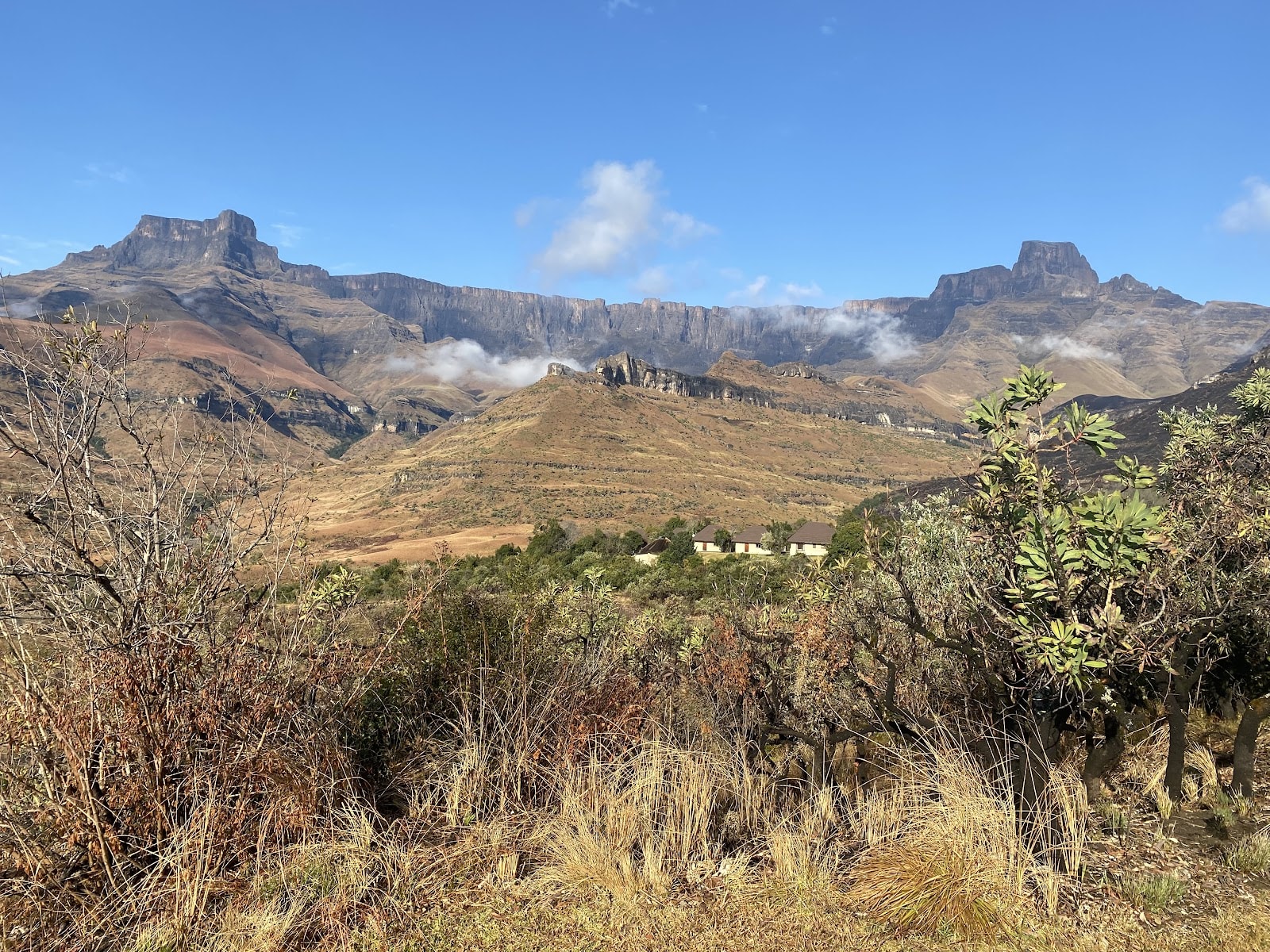
uKhahlamba-Drakensberg · iSimangaliso Wetland · Giants Castle

Addo Elephant · Kwandwe

Golden Gate Highlands
Drive yourself
Your own vehicle and pace, on the park's roads.
Where hosts record it
Guided drives from a lodge
A guide who knows where to look, with off-road and night drives in the private reserves.
Where hosts record it
Species
Corypha africana
Records
1,276
iNaturalist observations
Every booking on Spekboom supports conservation.
A record means a host has seen the Rufous-naped Lark on the property or nearby. It is never a guarantee of a sighting.
Hosts on Spekboom have recorded the Rufous-naped Lark at stays in or beside Kruger National Park, uKhahlamba-Drakensberg Park, Addo Elephant National Park, Kwandwe Private Game Reserve, Golden Gate Highlands National Park and Mapungubwe National Park and other reserves. A record means a host has seen it on the property or nearby, which makes these the places to base yourself; it is never a guarantee of a sighting on any given day.
The Rufous-naped Lark is most recorded in KwaZulu-Natal (30% of records), Gauteng (25% of records), North West (13% of records), based on 1,276 iNaturalist observations. 88 places to stay on Spekboom in South Africa have recorded the Rufous-naped Lark on site or nearby.
Sightings of the Rufous-naped Lark peak from Nov to Jan, based on 1,276 iNaturalist records. You may still see it outside those months, sightings are just less frequent.
The rufous-naped lark (Corypha africana) or rufous-naped bush lark is a widespread and conspicuous species of lark in the lightly wooded grasslands, open savannas and farmlands of the Afrotropics. Males attract attention to themselves by a bold and often repeated wing-fluttering display from a prominent perch, which is accompanied by a melodious and far-carrying whistled phrase.