Ancient kingdom archaeological site
Limpopo, South Africa
Mapungubwe National Park is a national park in Limpopo, South Africa, managed by SANParks. Visitors come for game drives, hiking, camping, bird watching, photography. The best time to visit is May-Sep (dry season).
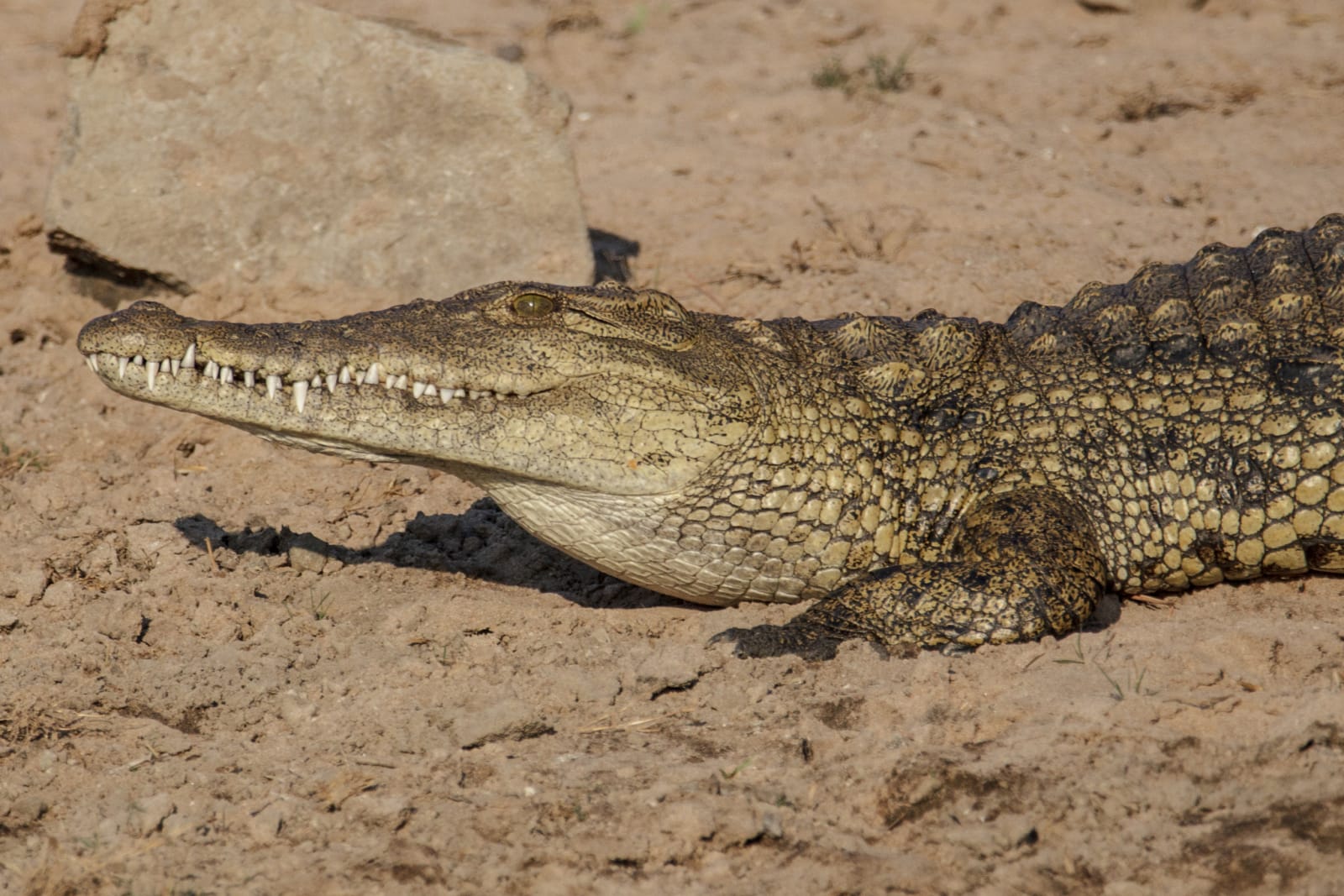
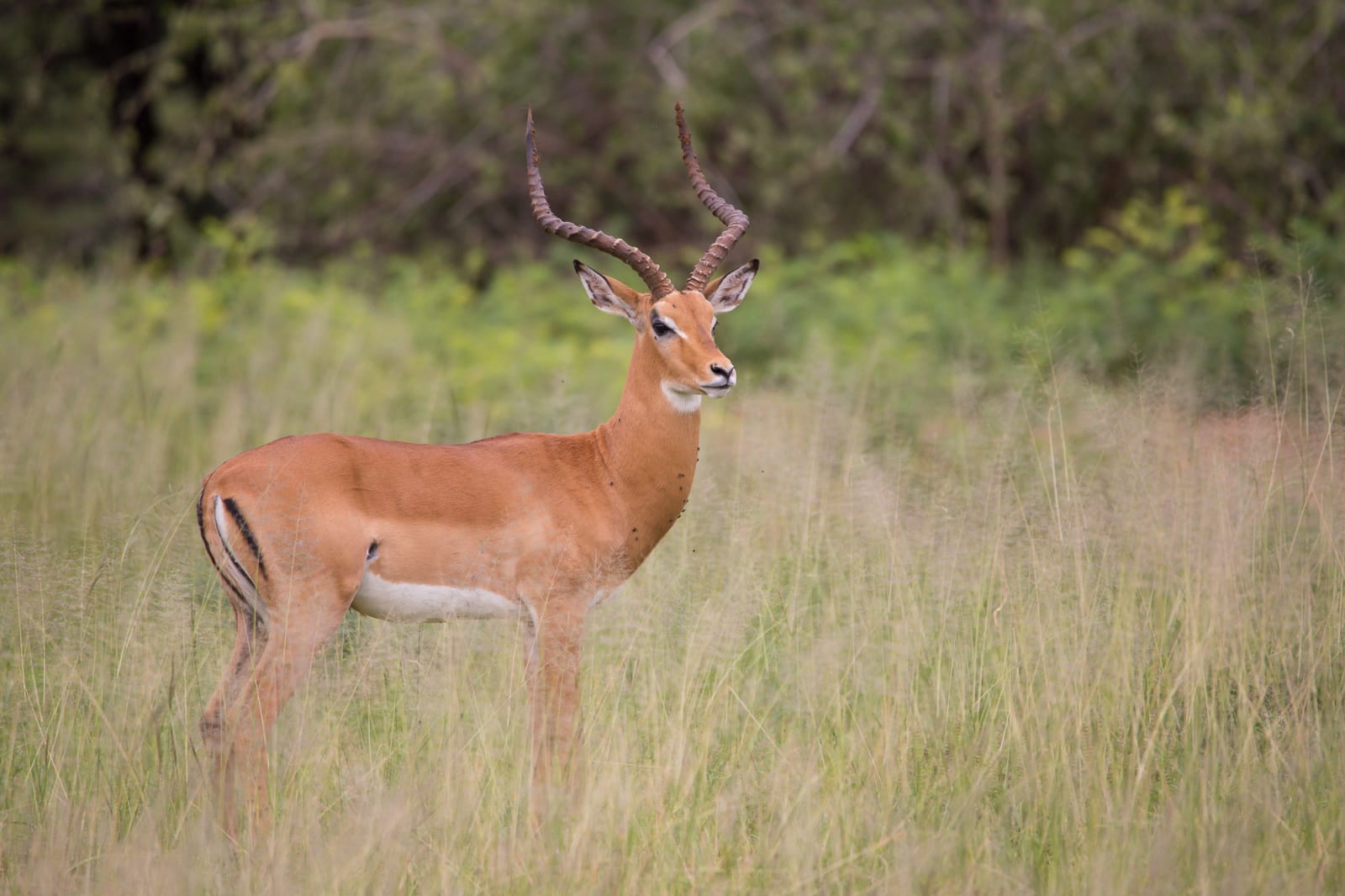
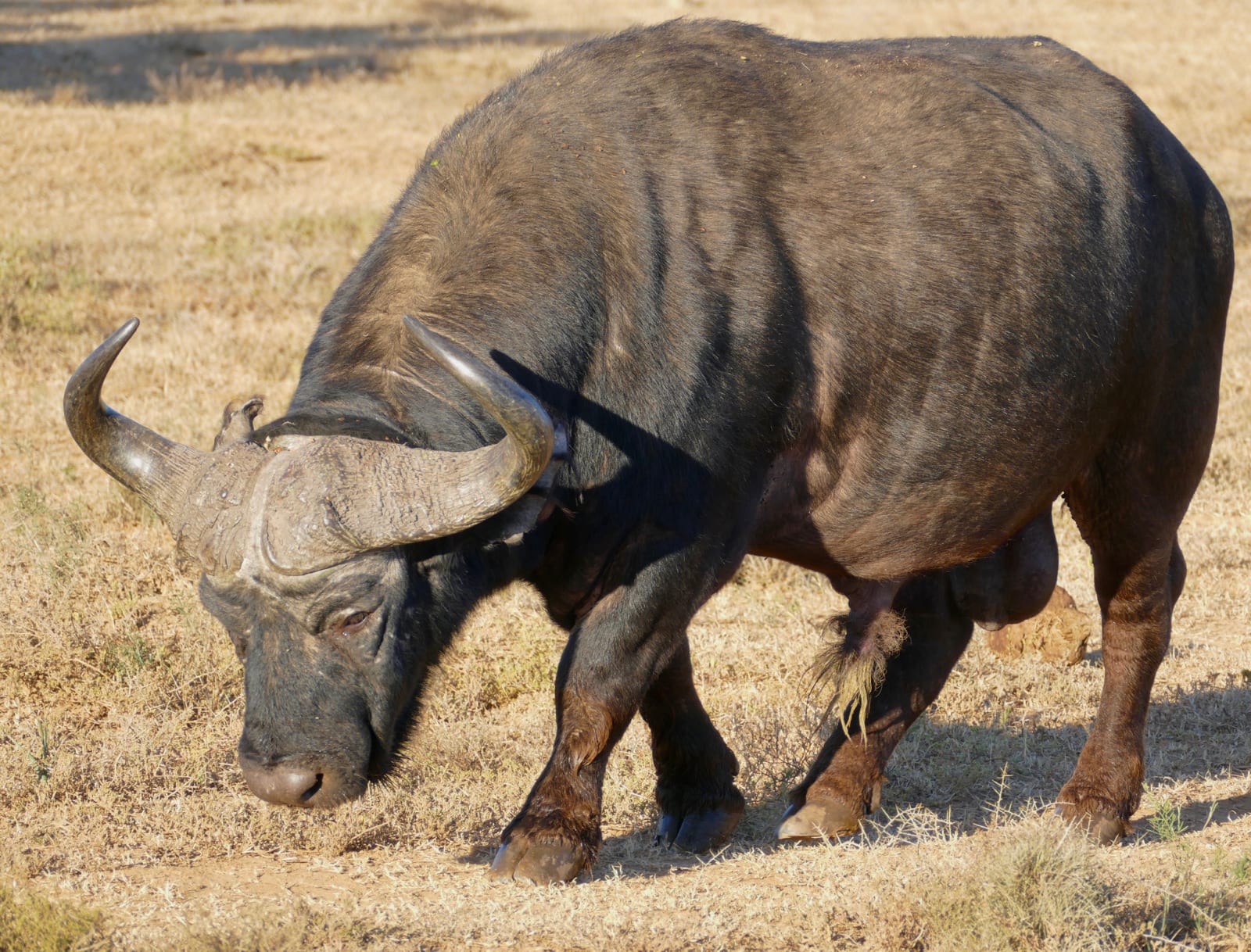
The species most recorded in Limpopo, drawn from citizen-science observations. Tap any to find stays where you can see it.
Ranked by how often they are recorded in the province, from iNaturalist observations. Tap one to find stays where it lives.
Species birders log most in this province. Numbers are records, not guarantees.
Occurrence data from iNaturalist, aggregated by province. It reflects where a species is seen across Limpopo, not confirmed sightings inside this reserve.
May-Sep (dry season)
Why book here
Wild places survive when the communities around them earn more from protecting wildlife than from anything that would replace it. Every stay you book through Spekboom carries a conservation contribution built into the price, never added on top, so choosing where you sleep becomes a way to fund the people and projects keeping this landscape intact.
Inside-park stays and nearby lodges, sorted by distance.
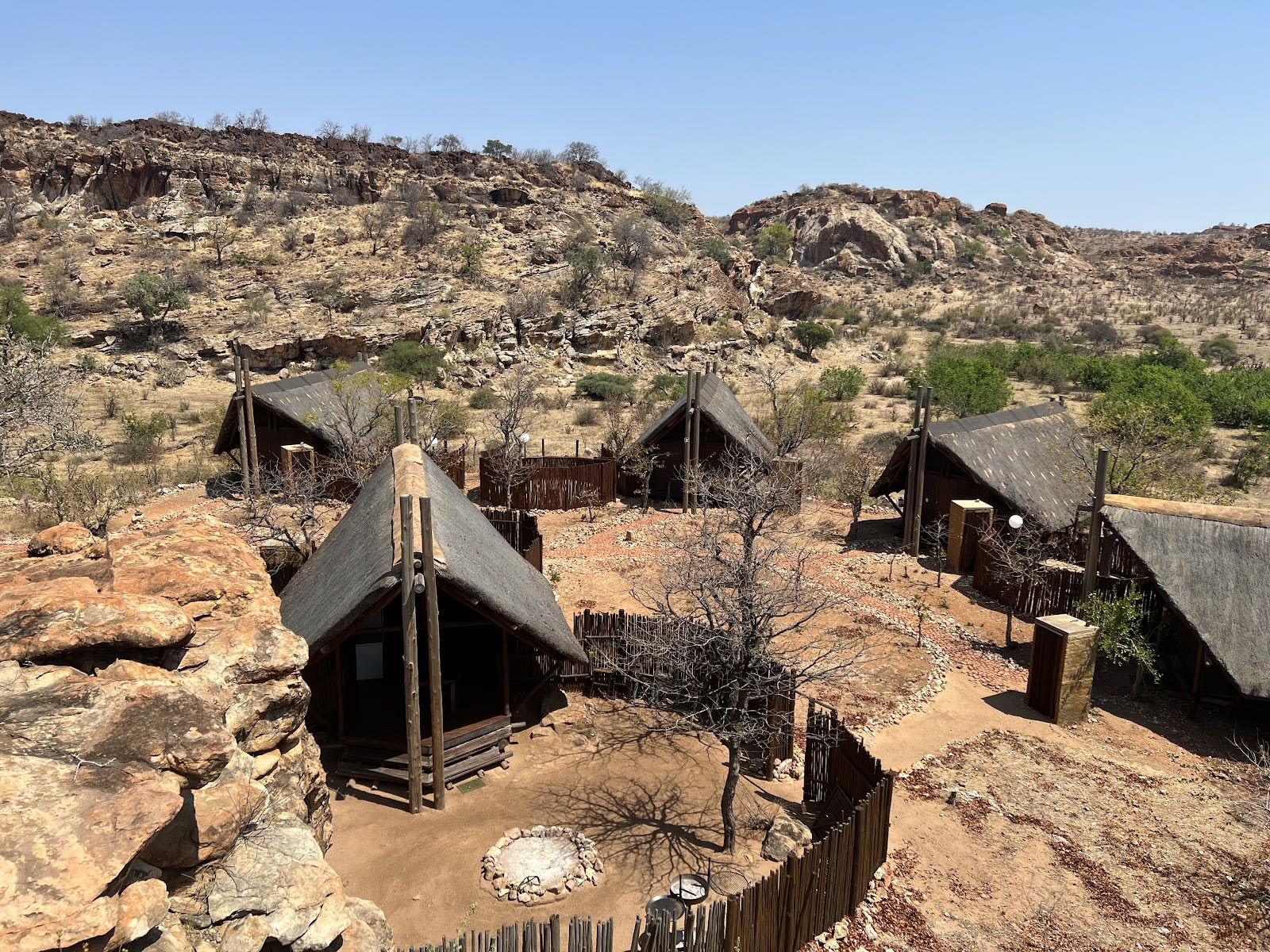
Leokwe Rest Camp is the main camp of the Mapungubwe National Park, set in the remote far north of Limpopo where the Limpopo and Shashe rivers meet at the borders of South Africa, Botswana and Zimbabwe. The camp is tucked among striking red sandstone formations, and its buildings are designed to echo the rock and earth tones of the surrounding landscape. This is a landscape of baobabs, riverine forest and sandstone ridges, and the park is as much about heritage as wildlife. Mapungubwe was the centre of a sophisticated African kingdom around a thousand years ago and is now a World Heritage Site, a history that gives a stay here unusual depth. Game in the area includes elephant, giraffe, eland and a wealth of birdlife, and the park is well regarded by birders. Leokwe offers comfortable self-catering accommodation and a peaceful, scenic base from which to explore one of the country's most atmospheric corners.
Lilydale Rest Camp lies in the eastern section of Mapungubwe National Park, on the banks of the Limpopo River in the far north of South Africa, where the country meets Botswana and Zimbabwe. The landscape is one of riverine forest, baobabs, sandstone formations and open mopane bushveld, steeped in the history of the Mapungubwe kingdom, an Iron Age civilisation that traded gold and ivory and is now a World Heritage Site. The area supports elephant, a wide variety of antelope and exceptional birdlife along the river and floodplain. Game drives, guided walks and the interpretive heritage sites give the park a depth that goes beyond wildlife alone. Lilydale offers comfortable, restful chalets in a quiet riverside setting, an ideal base for exploring one of the country's most culturally significant and least crowded parks.
Mazhou Camp Site sits among tall riverine trees in the western section of Mapungubwe National Park, close to the Limpopo River in the far north of South Africa. This is shaded, peaceful bush camping in a landscape of baobabs, sandstone ridges and mopane woodland, within a park celebrated both for its wildlife and for the ancient Mapungubwe kingdom that gives it World Heritage status. The camp is laid out for self-sufficient campers, with grassy stands beneath the trees and shared ablution facilities. Elephant, antelope and a remarkable range of birds move through the surrounding bushveld and along the river. Mazhou suits travellers who prefer to camp under canvas and fall asleep to the sounds of the bush, with the park's game drives, guided walks and heritage sites all within easy reach.
Vhembe Wilderness Camp lies deep in the western section of Mapungubwe National Park, in the rugged sandstone country near the confluence of the Limpopo and Sashe rivers in the far north of South Africa. The setting is wild and remote, a landscape of baobabs, riverine forest, weathered rock formations and mopane bushveld within a park that holds both rich wildlife and the World Heritage remains of the ancient Mapungubwe kingdom. The surrounding bush supports elephant, a variety of antelope and a wealth of birds along the rivers and floodplains, and the quiet of the camp makes wildlife encounters feel especially close. Accommodation is in simple wilderness units tucked into the landscape, with shared facilities, suited to travellers who want seclusion, scenery and a real sense of the bush rather than camp comforts.
Manyoni Private Game Reserve is one of the largest privately-owned reserves in Kwazulu-Natal. This 23,000-hectare reserve is the product of 17 dedicated landowners who dropped their fences in 2004 to create one contiguous protected area for our wildlife. The selection of the area as a potential release site for the WWF Black Rhino Range Expansion Project was a major driving factor in the establishment of Manyoni. In 2005, the newly established reserve was confirmed as a release site by the WWF and a founder population of black rhino were released into their new home.
Mapungubwe National Park is in Limpopo, South Africa.
Yes. Mapungubwe National Park is a Big Five area, home to lion, leopard, elephant, buffalo and rhino.
In Limpopo, commonly recorded species include mammals such as Rock Monitor, Black Mamba, Nile Crocodile, Nyala and birds including Red-headed Weaver, Southern Pied Babbler, Pel's Fishing Owl, based on iNaturalist occurrence data. These reflect the wider province, not confirmed sightings inside the reserve.
The best time to visit Mapungubwe National Park is May-Sep (dry season).
Popular activities at Mapungubwe National Park include game drives, hiking, camping, bird watching, photography.
7 places are listed in and near Mapungubwe National Park on Spekboom, from inside-park camps to nearby lodges. Every booking funds conservation.