Kruger National Park
Limpopo · Best Apr to Sep
42 plekke

The rufous-naped lark (Corypha africana) or rufous-naped bush lark is a widespread and conspicuous species of lark in the lightly wooded grasslands, open savannas and farmlands of the Afrotropics.
Most records Nov to Jan
When Rufous-naped Lark sightings peak, from open records. Outside these months it is seen less often, not never.
Curve from 1,276 national iNaturalist observations, not from one property. Single-month spikes are discarded as upload artefacts, and below 50 records we show no curve at all.
KwaZulu-Natal and beyond
Provinces where Rufous-naped Lark is most recorded. Tap one to find places to stay.
1,276 records, iNaturalist
Regoor Suid-Afrika

Drakensberg, Bergville

Word gereeld gesien · Voëlkykervriendelik
Hazyview

Rufous-naped Lark hier aangeteken

Wakkerstroom

Word gereeld gesien · Voëlkykervriendelik

Kruger National Park
Word gereeld gesien · Voëlkykervriendelik

Kruger National Park
Word gereeld gesien · Voëlkykervriendelik

Hluhluwe-Imfolozi Park

Rufous-naped Lark hier aangeteken

Kruger National Park
Word gereeld gesien · Voëlkykervriendelik

Kruger National Park
Word gereeld gesien · Voëlkykervriendelik

iSimangaliso Wetland Park
Rufous-naped Lark hier aangeteken

Kruger National Park
Rufous-naped Lark hier aangeteken
Kruger National Park

Rufous-naped Lark hier aangeteken

Kruger National Park

Rufous-naped Lark hier aangeteken

Kruger National Park
Rufous-naped Lark hier aangeteken

Kruger National Park
Rufous-naped Lark hier aangeteken

Kruger National Park
Rufous-naped Lark hier aangeteken

Kruger National Park
Rufous-naped Lark hier aangeteken

Kruger National Park
Rufous-naped Lark hier aangeteken

Kruger National Park
Rufous-naped Lark hier aangeteken

Wakkerstroom
Word gereeld gesien · Voëlkykervriendelik

Bronkhorstspruit

Word gereeld gesien · Voëlkykervriendelik

Kruger National Park
Rufous-naped Lark hier aangeteken

Mbombela
Word gereeld gesien · Voëlkykervriendelik

Hluhluwe
Word gereeld gesien · Voëlkykervriendelik

Kruger National Park
Rufous-naped Lark hier aangeteken

Volgende stop
iSimangaliso wetlands, sand forest, and Sodwana reefs
Sien plekke wat teruggeeBeplan ’n reis
Gashere het die Rufous-naped Lark gesien by verblyfplekke in of langs Kruger National Park, uKhahlamba-Drakensberg Park and Addo Elephant National Park.
Kruger · Mapungubwe
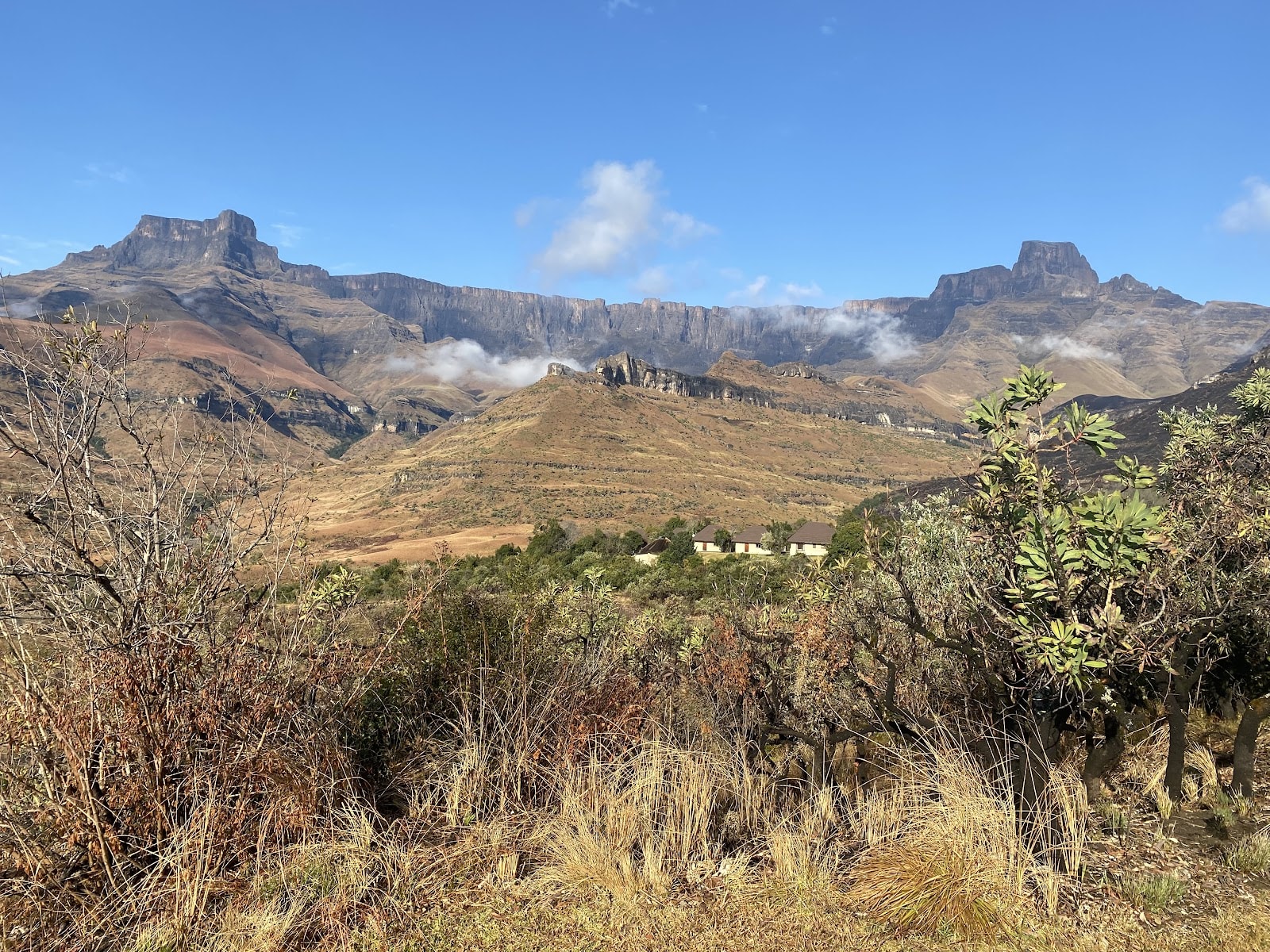
uKhahlamba-Drakensberg · iSimangaliso Wetland · Giants Castle

Addo Elephant · Kwandwe

Golden Gate Highlands
Ry self
Jou eie voertuig en pas, op die park se paaie.
Waar gashere dit aanteken
Begeleide ritte van ’n lodge af
’n Gids wat weet waar om te kyk, met veldritte en nagritte in die privaat reservate.
Waar gashere dit aanteken
Spesie
Corypha africana
Waarnemings
1,276
iNaturalist-waarnemings
Elke bespreking op Spekboom ondersteun bewaring.
’n Waarneming beteken dat ’n gasheer die Rufous-naped Lark op die eiendom of naby gesien het. Dit waarborg nooit dat jy dit sal sien nie.
Hosts on Spekboom have recorded the Rufous-naped Lark at stays in or beside Kruger National Park, uKhahlamba-Drakensberg Park, Addo Elephant National Park, Kwandwe Private Game Reserve, Golden Gate Highlands National Park and Mapungubwe National Park and other reserves. A record means a host has seen it on the property or nearby, which makes these the places to base yourself; it is never a guarantee of a sighting on any given day.
The Rufous-naped Lark is most recorded in KwaZulu-Natal (30% of records), Gauteng (25% of records), North West (13% of records), based on 1,276 iNaturalist observations. 88 places to stay on Spekboom in South Africa have recorded the Rufous-naped Lark on site or nearby.
Sightings of the Rufous-naped Lark peak from Nov to Jan, based on 1,276 iNaturalist records. You may still see it outside those months, sightings are just less frequent.
The rufous-naped lark (Corypha africana) or rufous-naped bush lark is a widespread and conspicuous species of lark in the lightly wooded grasslands, open savannas and farmlands of the Afrotropics. Males attract attention to themselves by a bold and often repeated wing-fluttering display from a prominent perch, which is accompanied by a melodious and far-carrying whistled phrase.