
Kruger National Park
Limpopo · Best Apr to Sep
41 places

The African wood owl or Woodford's owl (Strix woodfordii) is a typical owl from the genus Strix in the family Strigidae which is widespread in sub-Saharan Africa.
Recorded year-round
Recorded in every month, so no month is the wrong month to look. We would rather say that than invent a best time.
Curve from 297 national iNaturalist observations, not from one property. Single-month spikes are discarded as upload artefacts, and below 50 records we show no curve at all.
Western Cape and beyond
Provinces where African Wood Owl is most recorded. Tap one to find places to stay.
297 records, iNaturalist
Across South Africa

Mbombela

Reliably seen · Birder friendly

Kruger National Park
Reliably seen · Birder friendly

Hazyview

African Wood Owl recorded here

Kruger National Park
Reliably seen · Birder friendly

Kruger National Park
Reliably seen · Birder friendly

Hluhluwe-Imfolozi Park

African Wood Owl recorded here

Kruger National Park
Reliably seen · Birder friendly

Oudtshoorn

Reliably seen · Birder friendly

Kruger National Park

African Wood Owl recorded here

Hunter's Home, Knysna

Reliably seen · Birder friendly

Kruger National Park
African Wood Owl recorded here

Kruger National Park
African Wood Owl recorded here
Kruger National Park

African Wood Owl recorded here

Kruger National Park
African Wood Owl recorded here

Kruger National Park
African Wood Owl recorded here

Kruger National Park
African Wood Owl recorded here

Kruger National Park
African Wood Owl recorded here

Kruger National Park
African Wood Owl recorded here

Swartberg Nature Reserve
African Wood Owl recorded here

Marloth Nature Reserve
African Wood Owl recorded here

Kruger National Park
African Wood Owl recorded here
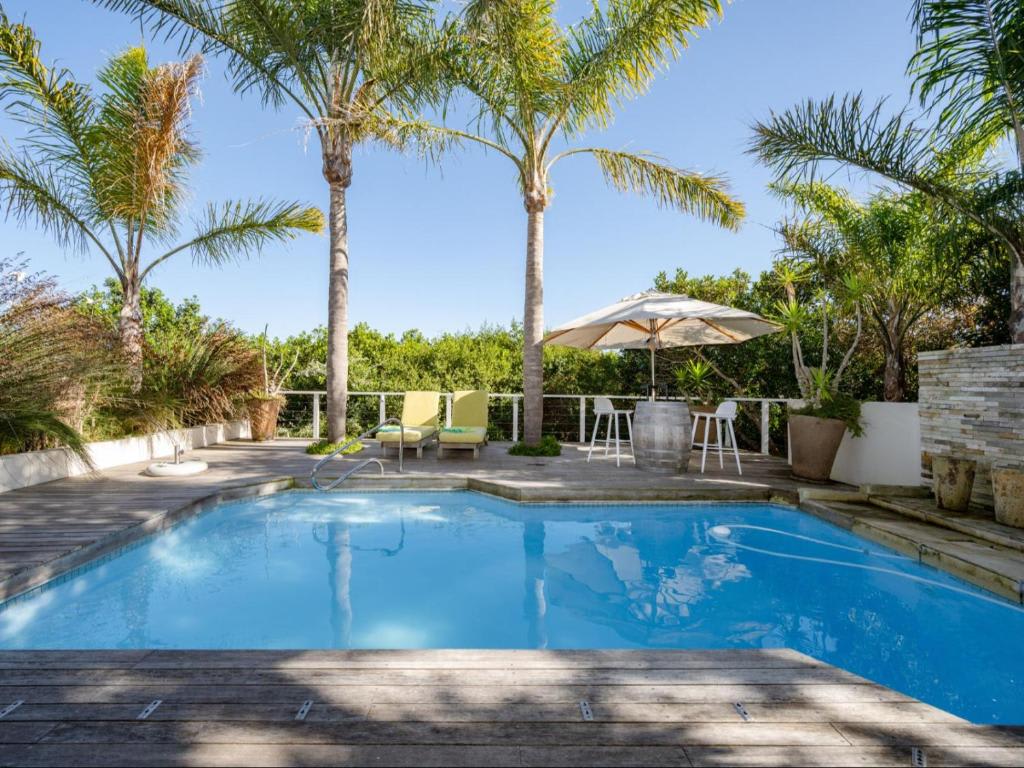
Keurbooms River Nature Reserve
African Wood Owl recorded here

Mbombela
Reliably seen · Birder friendly

Kruger National Park
African Wood Owl recorded here

Next stop
Sandstone amphitheatres and cool mountain air
See places that give backPlanning a trip
Hosts have recorded the African Wood Owl at stays in or beside Kruger National Park, uKhahlamba-Drakensberg Park and Addo Elephant National Park.
Kruger · Mapungubwe
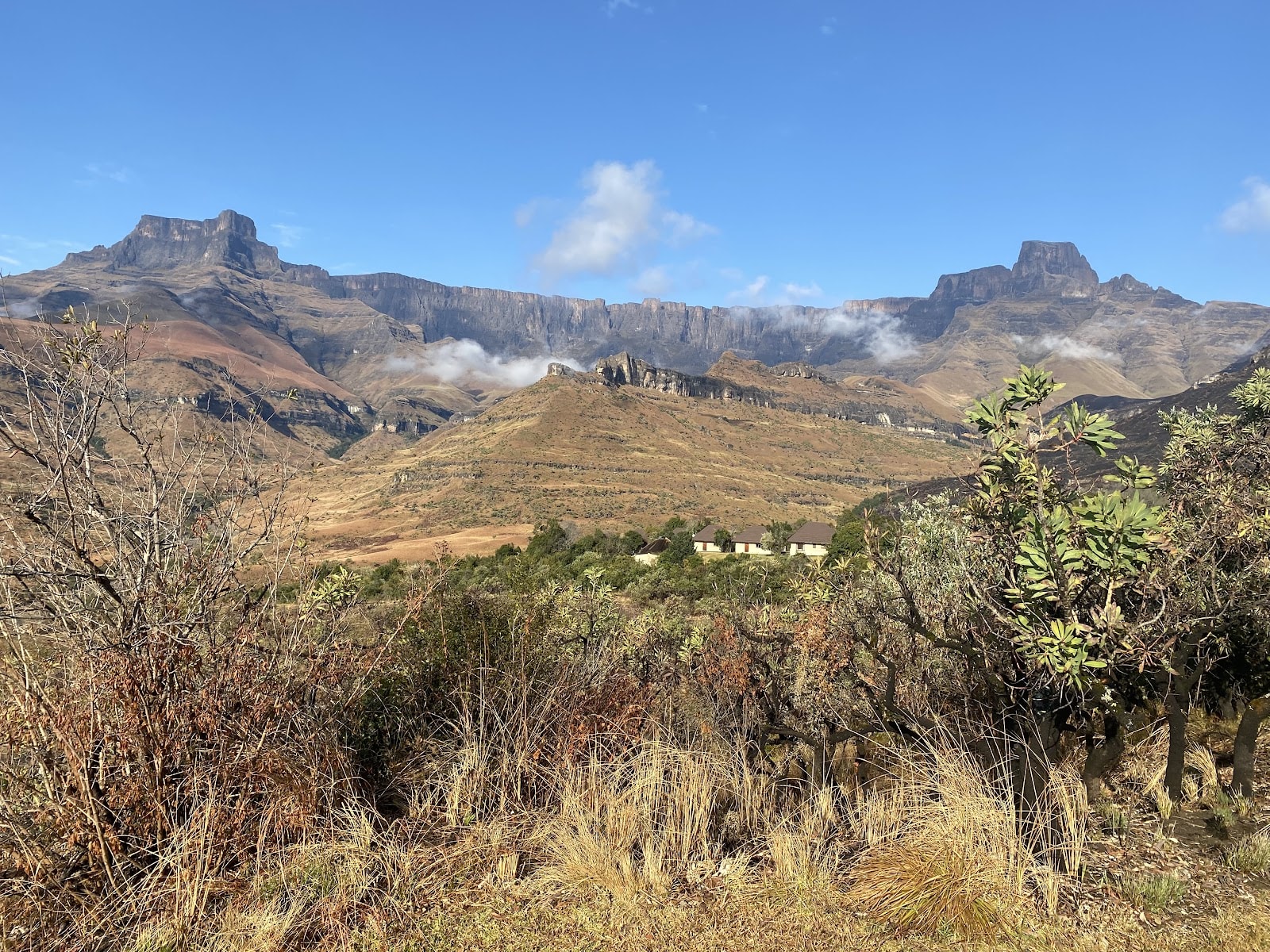
uKhahlamba-Drakensberg · Giants Castle · Hluhluwe-Imfolozi

Addo Elephant · Kwandwe · Tsitsikamma

Table Mountain · Grootvadersbosch · Kogelberg
Drive yourself
Your own vehicle and pace, on the park's roads.
Where hosts record it
Guided drives from a lodge
A guide who knows where to look, with off-road and night drives in the private reserves.
Where hosts record it
Species
Strix woodfordii
Records
297
iNaturalist observations
Every booking on Spekboom supports conservation.
A record means a host has seen the African Wood Owl on the property or nearby. It is never a guarantee of a sighting.
Hosts on Spekboom have recorded the African Wood Owl at stays in or beside Kruger National Park, uKhahlamba-Drakensberg Park, Addo Elephant National Park, Kwandwe Private Game Reserve, Table Mountain National Park and Grootvadersbosch Nature Reserve and other reserves. A record means a host has seen it on the property or nearby, which makes these the places to base yourself; it is never a guarantee of a sighting on any given day.
The African Wood Owl is most recorded in Western Cape (40% of records), KwaZulu-Natal (26% of records), Limpopo (18% of records), based on 297 iNaturalist observations. 91 places to stay on Spekboom in South Africa have recorded the African Wood Owl on site or nearby.
The African Wood Owl is recorded throughout the year, so no month is the wrong month to look for it. For the parks where hosts record it most, these are the best seasons they give. Kruger National Park: Apr-Sep; uKhahlamba-Drakensberg Park: year-round, dry season May-Sep; Addo Elephant National Park: year-round, best Mar-May, Sep-Nov; Kwandwe Private Game Reserve: year-round, best Mar-May, Sep-Nov. In the dry months animals concentrate at water and the grass is short.
The African wood owl or Woodford's owl (Strix woodfordii) is a typical owl from the genus Strix in the family Strigidae which is widespread in sub-Saharan Africa.