Planning a Botswana safari: the Okavango, Moremi, Khwai, Chobe and the pans

Insider Guide: Botswana

Planning a Botswana safari: the Okavango, Moremi, Khwai, Chobe and the pans

How a first Botswana trip fits together, when the delta floods, and the camps in each of its four great regions

Updated

Botswana runs its safari country on a simple rule: few people, high fees, wild land. The parks and the private concessions around them are unfenced, the camps are small and mostly reached by light aircraft, and the animals move as they always have between the Okavango, the Chobe river and the Kalahari. It is the most expensive safari destination in the region and, for most people who go, the best.

A first trip usually joins two or three of four regions: the Okavango Delta, where the water is; Moremi and the Khwai river on its eastern edge, where the game is densest; Chobe in the north, for the elephants along the river; and the Makgadikgadi and Nxai pans to the south-east, for the salt flats, the meerkats and the zebra migration. This guide takes them in that order, says when each is at its best, and lists the camps we can book in each.
The Okavango Delta: water in the desert

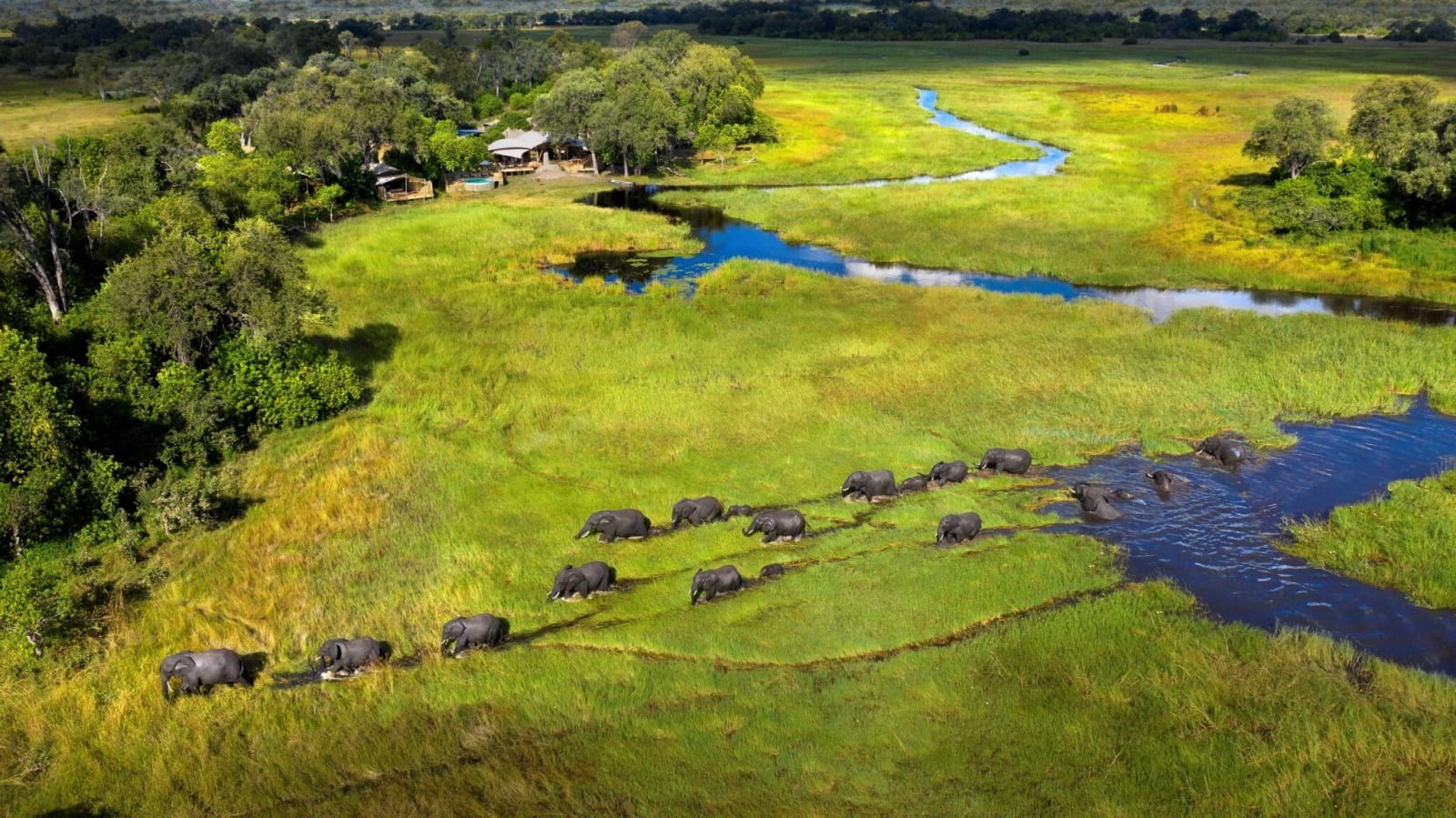
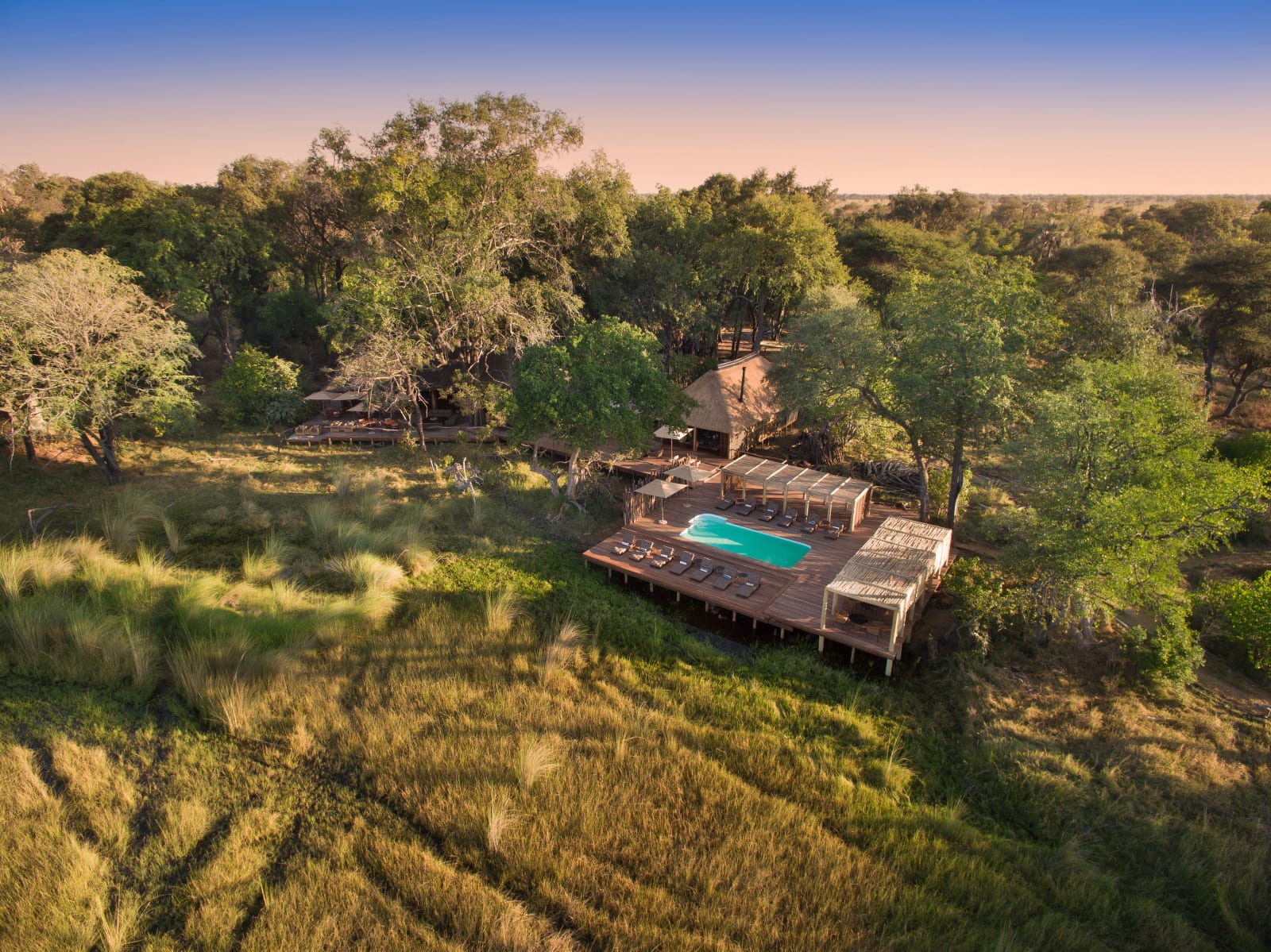
The Okavango river rises in Angola, flows south into the Kalahari and never reaches the sea. It spreads into a fan of channels, lagoons and islands the size of a small country, and the flood arrives, oddly, in the dry season: rain that fell in Angola in summer reaches the delta between May and August, when the local rains have long stopped. That is when the water is highest, the mokoro trips are longest and the game is concentrated on the islands.

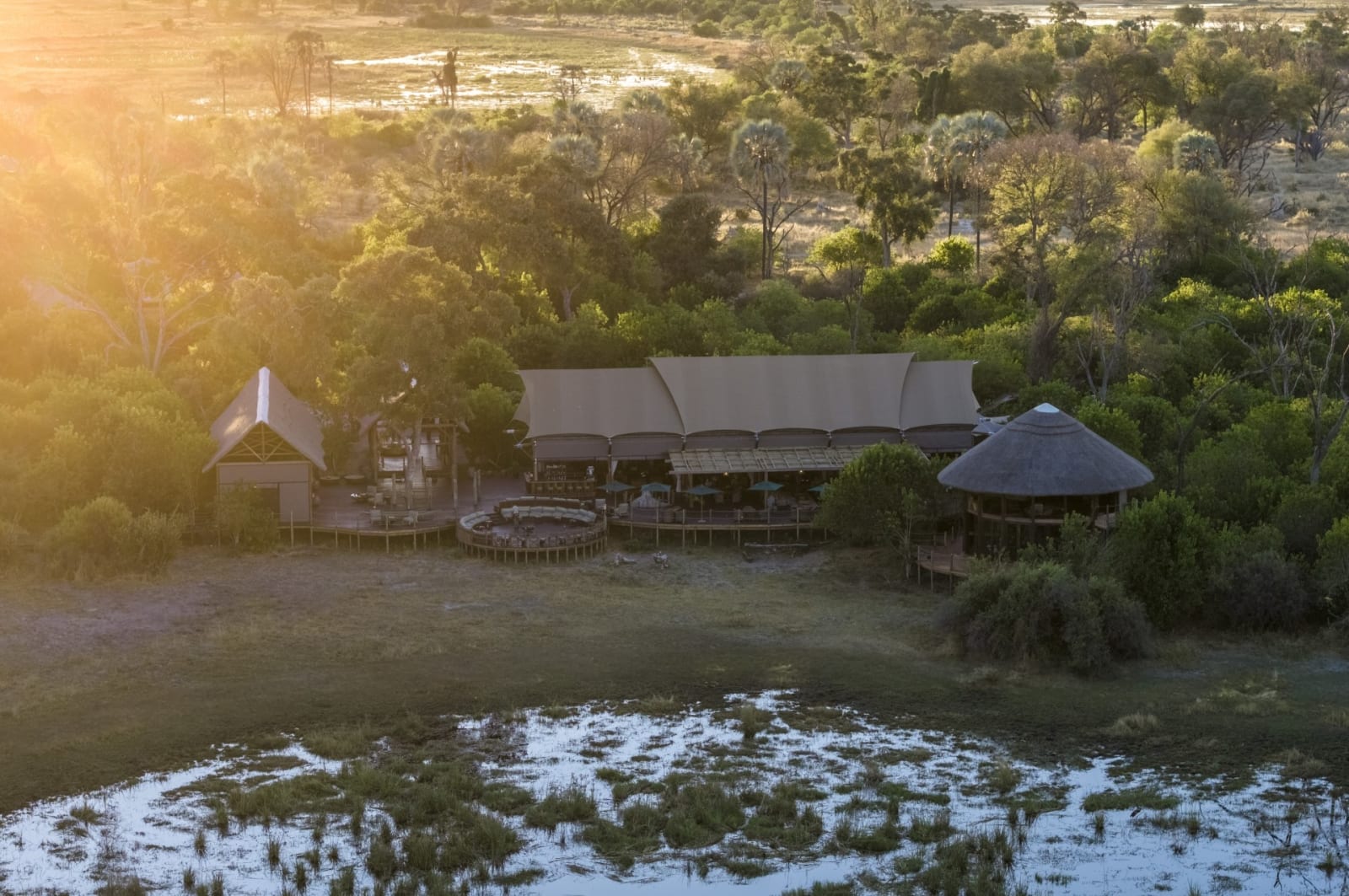
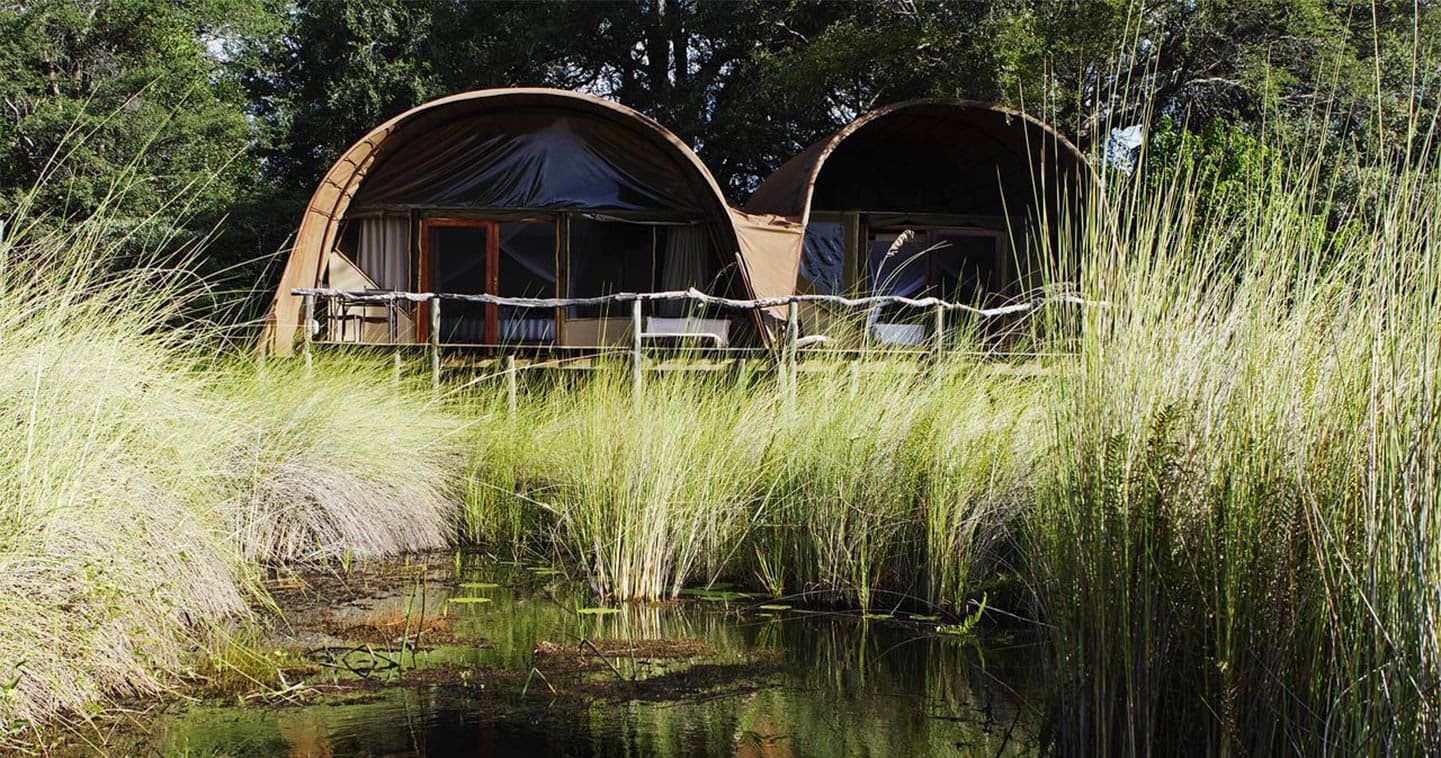
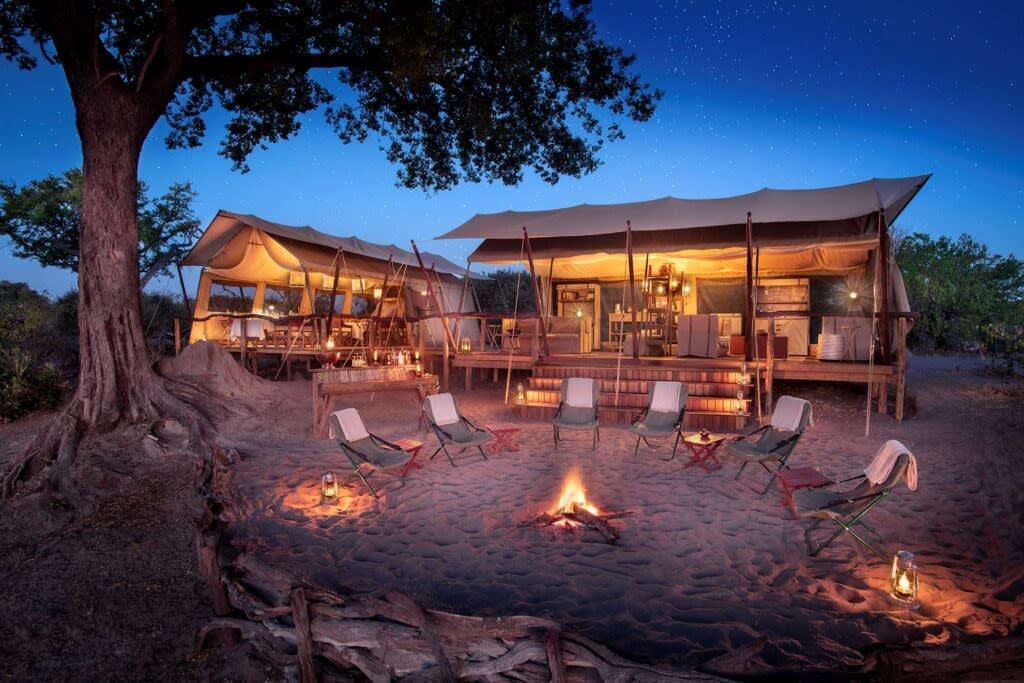
Camps in the delta are water camps, mixed camps or dry camps depending on how much of the year they can drive. Mokoro and boat safaris, walking on the islands and fly-camping are the delta's own activities. It is a fly-in destination: the camps sit on airstrips, and the journey from Maun is a twenty-minute flight over the channels.

Camps in the Okavango Delta

Water camps and island camps across the delta.

Price on request

Duke East

Moremi and Khwai: the game-rich edge

Moremi Game Reserve takes up the eastern third of the delta and is the part with the most game: Chief's Island and the Mombo area for predators, Xakanaxa for the lagoons and the herons, the mopane woodland for elephant. Along its northern boundary the Khwai river marks the edge of the reserve, and the Khwai community concession on the far bank is where the night drives, the walks and the off-road driving happen, because it is outside the park rules.

The dry season from June to October is the classic time: the river is the only water for miles and everything comes to it. Camps here are reached by road from Maun as well as by air, which makes Khwai the usual choice for a self-drive or a mobile safari.

Camps in Moremi and on the Khwai river

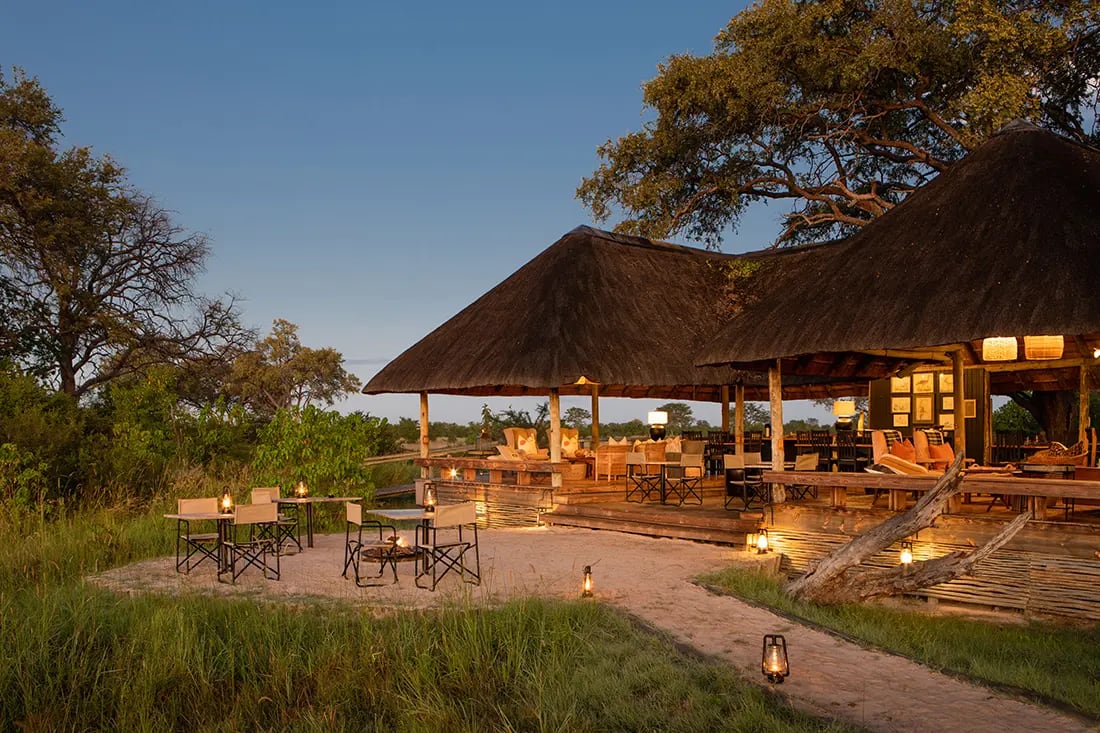
Reserve camps on Chief's Island and at Xakanaxa, and the concession camps across the river.

Chobe: elephants on the river

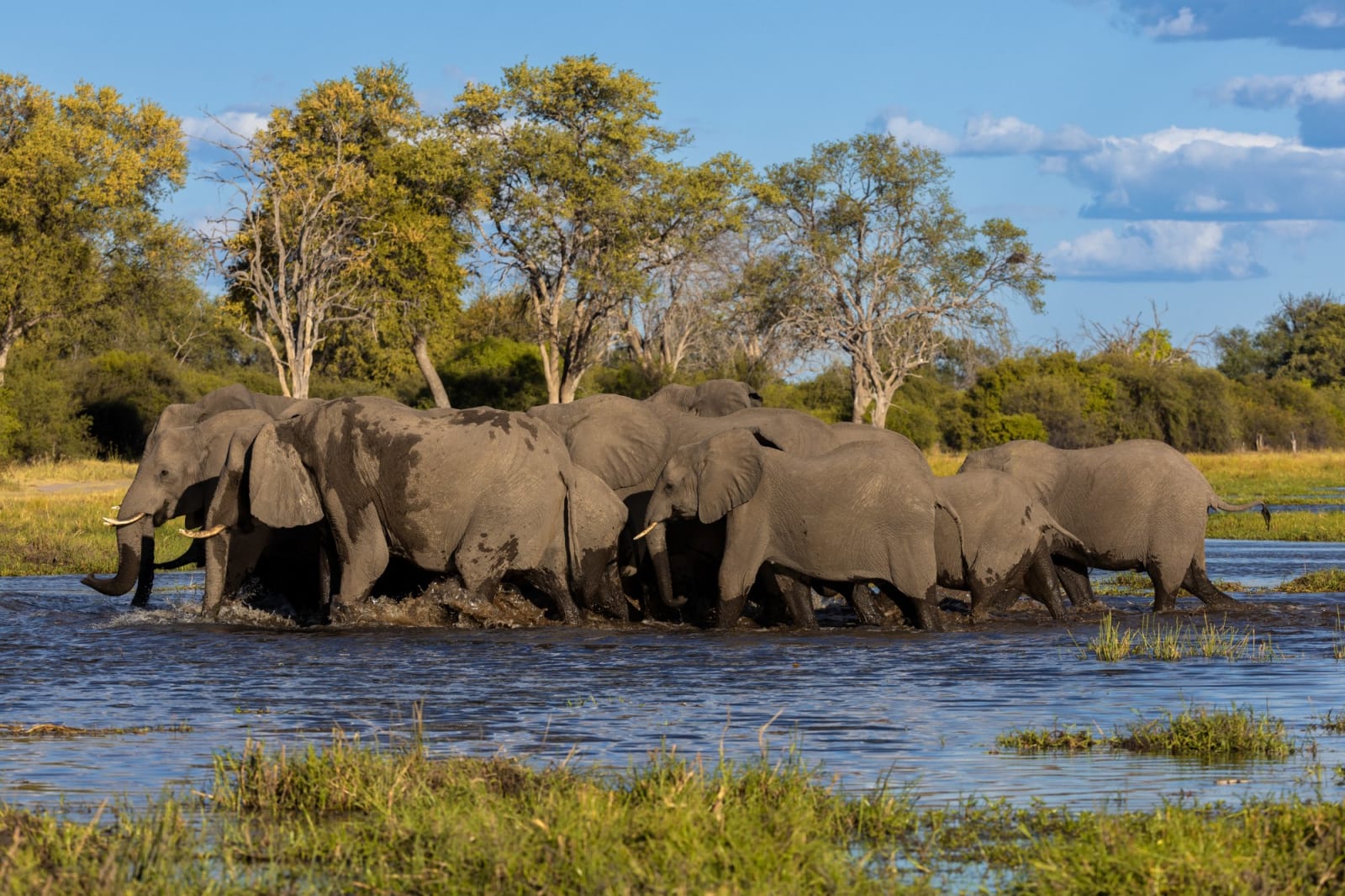
Chobe National Park is the elephant park. In the dry season the herds come down to the Chobe river in the late afternoon in numbers seen almost nowhere else, and the boat safari along the river front is the way to watch them. The river front near Kasane is the accessible end, an hour from Victoria Falls; the Savuti marsh and the Linyanti in the park's interior are the remote end, reached by air or a long sandy drive.

August to October is the peak on the river; the Savuti is best in the green season when the zebra pass through.

Camps in Chobe

River-front lodges and the interior camps.

The Makgadikgadi and Nxai pans

South-east of the delta the Kalahari opens into the salt pans of the Makgadikgadi, the bed of an ancient lake, white to the horizon in the dry season and a sheet of shallow water and flamingos after the rains. Nxai Pan, to the north, is grassland with the baobabs Thomas Baines painted. The pans are the other Botswana: quad bikes across the salt, habituated meerkats at dawn, the zebra migration between the Boteti river and the pans, and stars with nothing in the way.

The green season, December to April, is when the pans are at their most alive. The dry season is when the Boteti river draws the zebra and the elephant.

Camps on the pans

Pan-edge lodges and the Boteti river camps.

Price on request

San Camp

Botswana on a map

Every camp in this guide.

Questions travellers ask

When is the best time to visit Botswana?

The dry season from May to October is the classic safari time: cool clear days, thin bush and game concentrated at water. The Okavango flood peaks between June and August, which is when the water activities are at their best. The green season from December to April is hot, wet and much cheaper, with newborn animals, migrant birds and the pans at their most alive.

How do I get between the camps?

Most delta and Moremi camps are reached by light aircraft from Maun, with flights of twenty to forty minutes between airstrips. Khwai, Chobe river front and the pans can also be reached by road, and Chobe is an hour from Victoria Falls. A typical trip is a fly-in circuit of two or three camps with three nights in each.

Do I need malaria protection in Botswana?

Yes. The Okavango, Moremi, Khwai and Chobe are malaria areas, especially in the wet season. Speak to a travel clinic before you go. The Kalahari and the pans are lower risk but not risk-free.

Is a Botswana safari expensive?

It is the most expensive safari destination in the region by design: park and concession fees are high and camps are small, which keeps the land empty. Green-season rates are considerably lower than the dry-season peak, and some camps offer stay-longer rates. Most stays here are request to book, and there is no guest service fee on Spekboom.

Plan a Botswana circuit

Delta, Khwai and the pans, or delta and Chobe with Victoria Falls at the end. Sign in to plan the route and request the camps in one go.

Plan a trip

How your stay makes an impact

Book any stay in this guide through Spekboom and a share of the booking supports the causes above. You can also donate to them directly.

1

Book your stay

Choose from the places to stay in this guide

2

Choose a cause

A portion of booking fees goes to the linked causes

3

Make an impact

Your stay supports conservation and community work on the ground