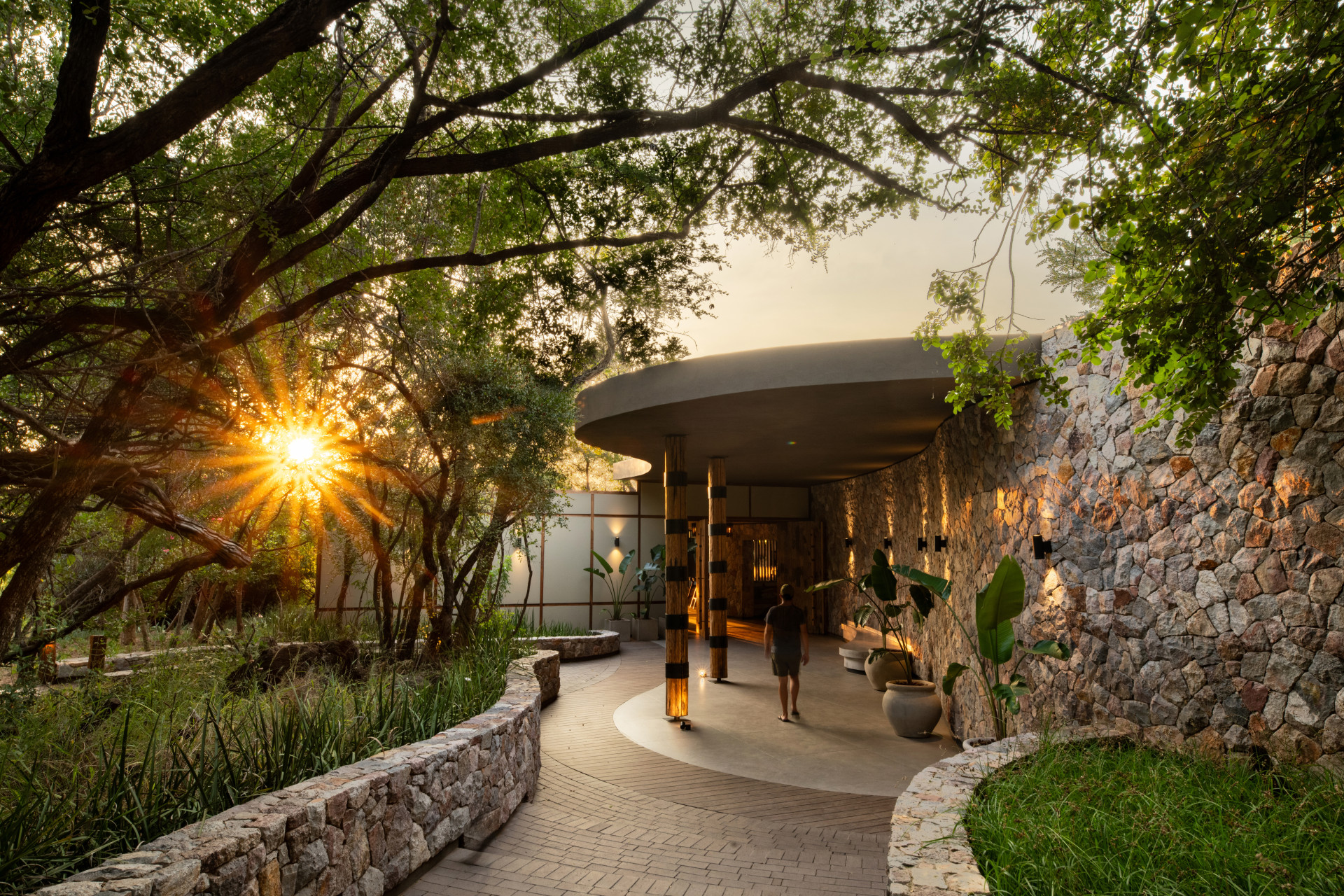

Tanda Tula Safari Camp
Limpopo
Savanna biome · Lion · Leopard
Price on request
Across Africa
Limpopo
Savanna biome · Lion · Leopard
Price on request

Samburu
Savanna biome · African elephant · Giraffe
Price on request

Narok County
Savanna biome · Lion · Sausage tree
Price on request

Nairobi
Savanna biome · Giraffe · Whistling thorn
Price on request

Coast
Savanna biome · African elephant · Baobab
Price on request

Mara Region
Savanna biome · Sausage tree · Wild date palm
Price on request

Mara Region
Savanna biome · Blue wildebeest · Sausage tree
Price on request

Iringa
Savanna biome · African elephant · Baobab
Price on request

Katavi
Savanna biome · Sausage tree
Price on request

Kigoma
Savanna biome
Price on request

Manyara
Savanna biome · African elephant · Cape buffalo
Price on request

Arusha Region
Savanna biome · Giraffe · Whistling thorn
Price on request

Mara Region
Savanna biome · Blue wildebeest · Sausage tree
Price on request

Coast
Savanna biome · Hippopotamus · Baobab
Price on request

Hluhluwe
Savanna biome · African wild dog · Spotted hyena
Supports Isibindi Foundation
Price on request
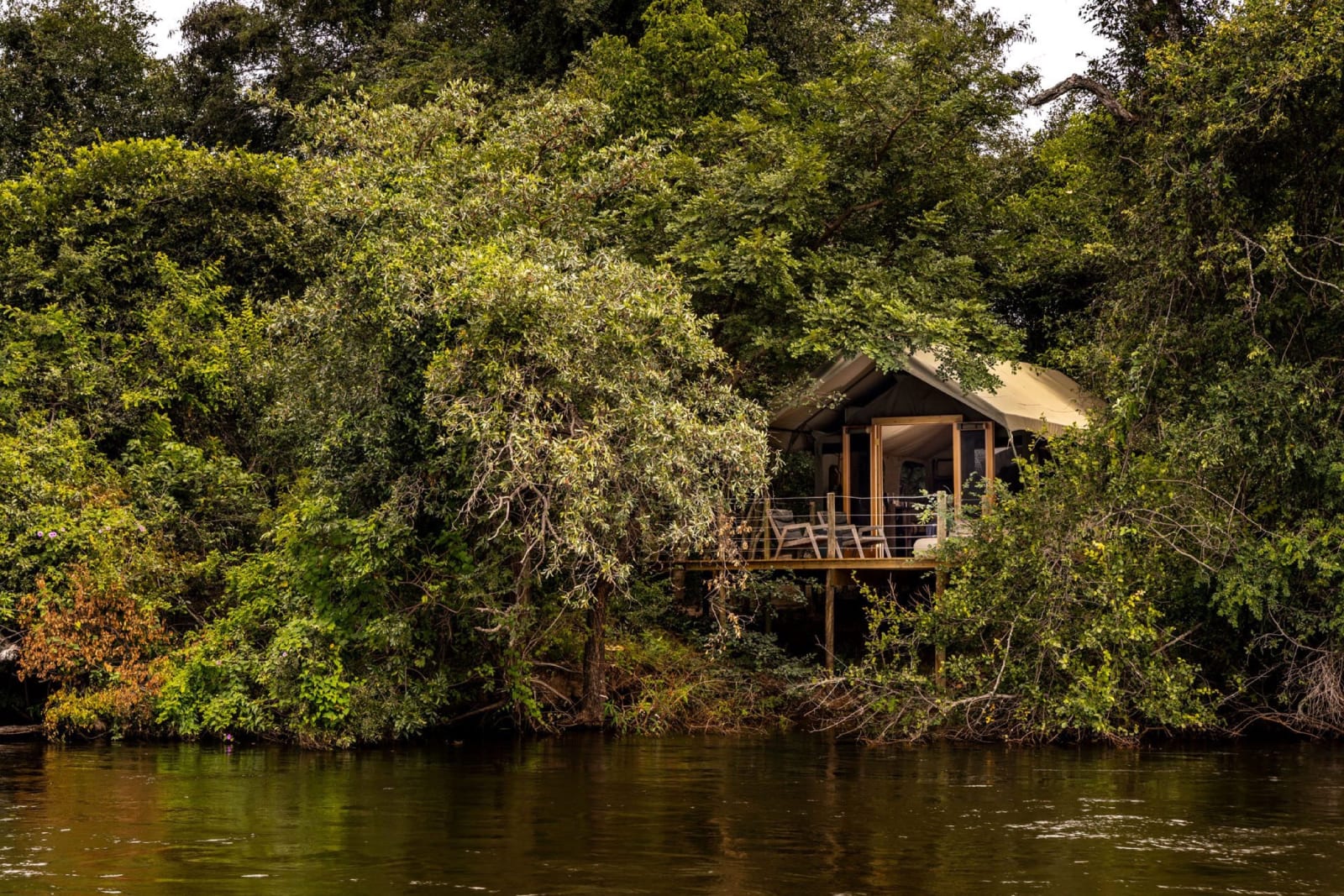
Victoria Falls
Savanna biome · African elephant · Giraffe
Supports Isibindi Foundation
Price on request

Mfuwe
Savanna biome · Sausage tree · Baobab
Price on request

Lusaka Province
Savanna biome · African elephant · Leopard
Price on request

Mfuwe
Savanna biome · African elephant · Cape buffalo
Price on request

Lusaka Province
Savanna biome · African elephant · Lion
Price on request

Hazyview
Savanna biome · Leopard · Lion
Price on request

Hoedspruit
Savanna biome · Giraffe · African elephant
Supports DAKTARI Bush School and 1 other
Price on request
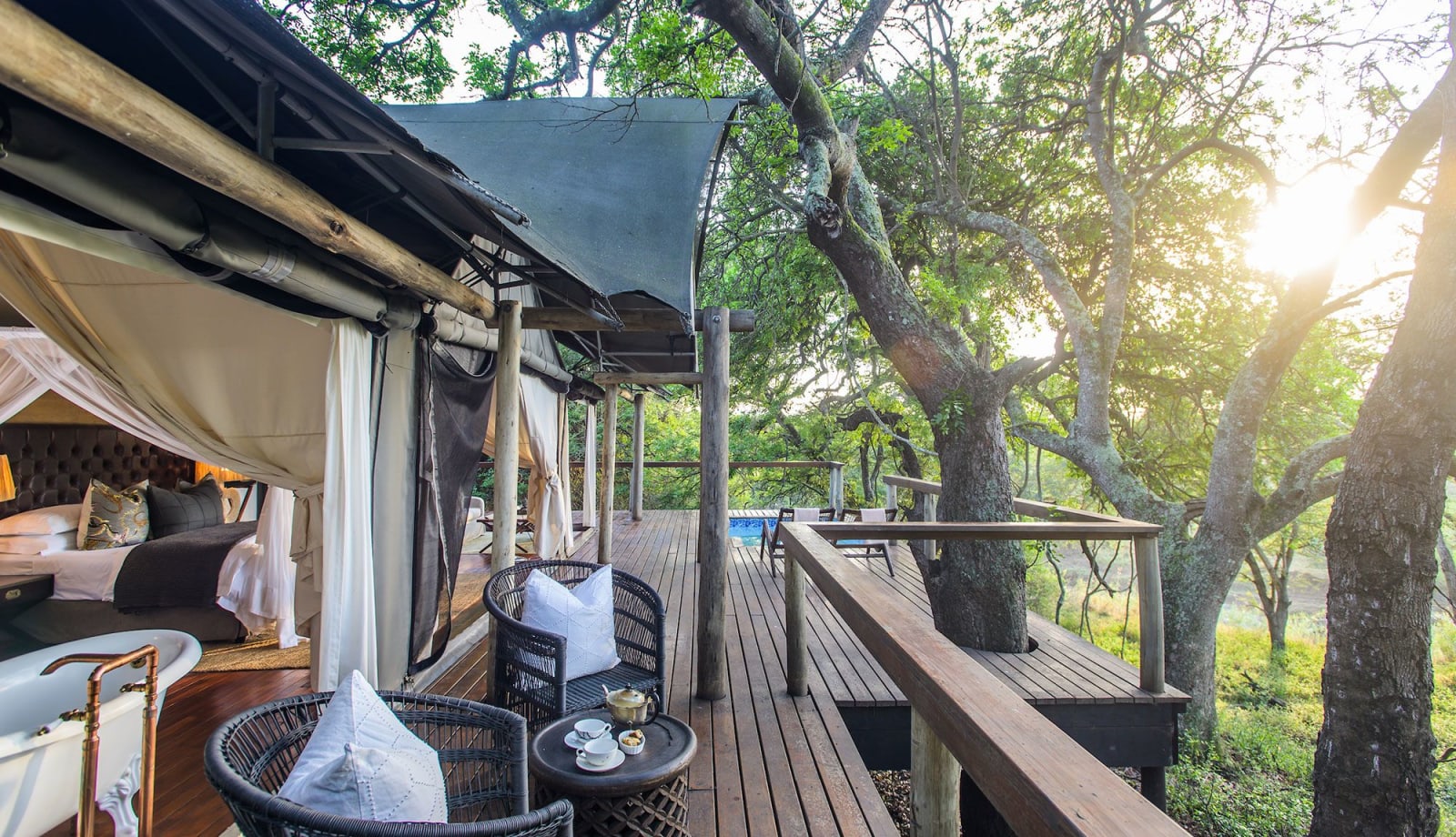
Hazyview
Savanna biome · Leopard · Lion
Supports Zululand Conservation Trust and 1 other
From R 22,680 a night

Victoria Falls
Savanna biome · Baobab · Wild date palm
Price on request
Savanna is the biome most people picture when they think of Africa, and it covers more of Southern Africa than any other: grass with scattered trees, thorn and combretum bushveld, mopane in the hotter north, running from the Kruger Lowveld across the Waterberg and the North West into Botswana, Zimbabwe and beyond. It carries almost all of the region's big game, because grass feeds the grazers, trees feed the browsers, and the whole system runs on a wet summer and a dry winter.
That cycle decides your trip. From May to September the grass dies back, leaves drop, surface water disappears and everything concentrates at rivers and waterholes, which is why the dry winter is the classic game-viewing season. Days are warm and clear, nights and dawn drives are genuinely cold. From November to March the bush turns green and thick, animals disperse and are harder to see, but the migrant birds arrive, the young are born and the light and the storms are the best of the year.
Much of the savanna is a malaria area in summer, which is worth planning around. Stays run from national park rest camps to private reserve lodges with traversing rights and night drives, and bush camps deep in the concessions.
May to September, the dry winter, when thin bush and scarce water concentrate game at rivers and waterholes and the days are warm and clear. Bring warm clothes for dawn drives. The green summer, November to March, is better for birds, newborn animals and photography but harder for game viewing.
The Kruger Lowveld and the private reserves on its boundary, the Waterberg and Limpopo bushveld, Madikwe and Pilanesberg in the North West, and the Zululand reserves. The same biome continues north into Botswana and Zimbabwe, which is why an Okavango or Chobe camp feels familiar after Kruger.
The Lowveld, the far north of Limpopo and northern KwaZulu-Natal carry a malaria risk, highest in the wet summer months. The Waterberg, Madikwe, Pilanesberg and the Eastern Cape reserves are malaria-free, which is why they are the usual choice for families with young children. Speak to a travel clinic before a Lowveld trip.


