
Blue Crane
The blue crane, also known as the Stanley crane and the paradise crane, is the national bird of South Africa.
Recorded year-round
Recorded in every month, so no month is the wrong month to look. We would rather say that than invent a best time.
Curve from 3,264 national iNaturalist observations, not from one property. Single-month spikes are discarded as upload artefacts, and below 50 records we show no curve at all.
Western Cape and beyond
Provinces where Blue Crane is most recorded. Tap one to find places to stay.
3,264 records, iNaturalist
Parcs où les hôtes ont observé l’espèce Blue Crane
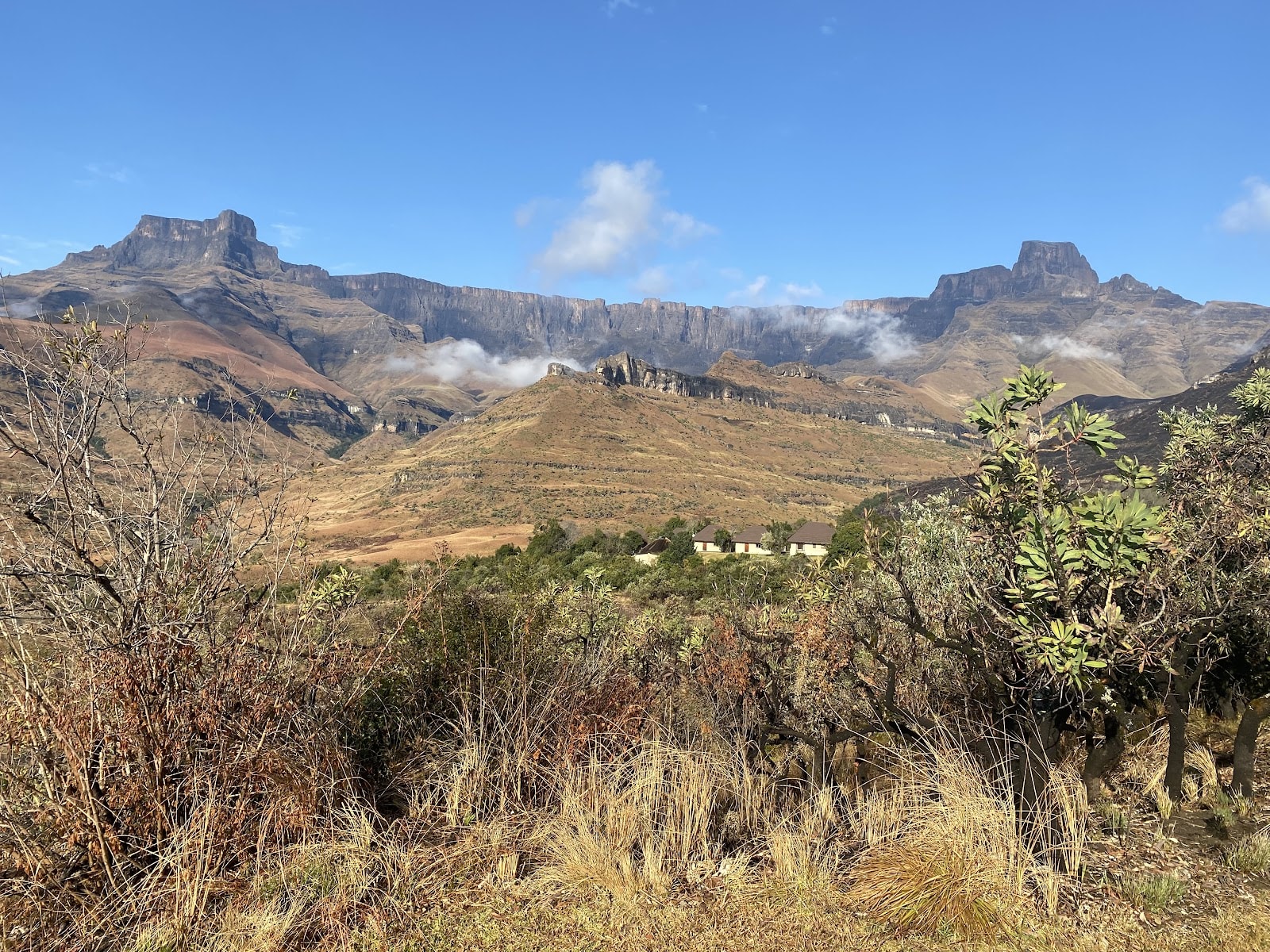 uKhahlamba-Drakensberg ParkKwaZulu-Natal · Year-round10 lieux
 Kwandwe Private Game ReserveEastern Cape · Year-round5 lieux
 Rocherpan Nature ReserveWestern Cape · Best Winter and spring for birds and flowers5 lieux
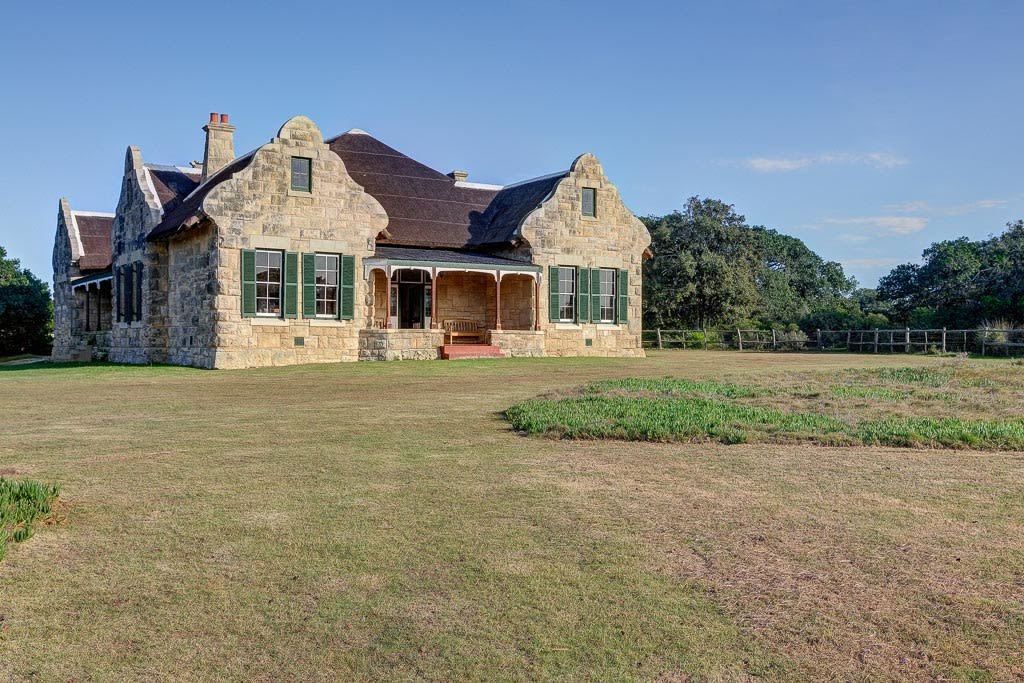 De Hoop Nature ReserveWestern Cape · Best Sep to Apr3 lieux
 Grootvadersbosch Nature ReserveWestern Cape · Best Sep to Apr3 lieux
 Vrolijkheid Nature ReserveWestern Cape · Best Autumn and spring3 lieux
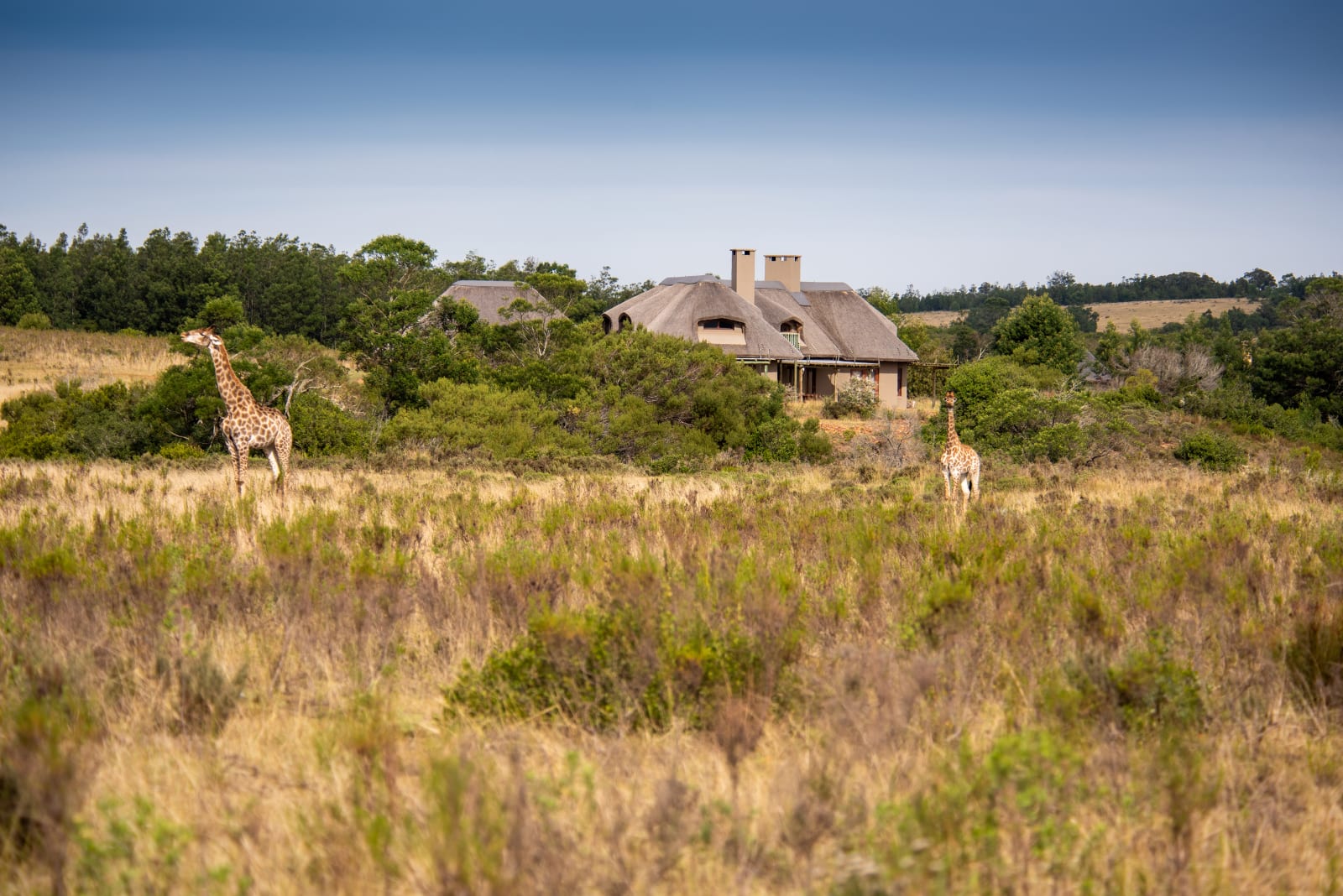 Gondwana Game ReserveWestern Cape · Best Sep to Apr2 lieux
 Welgevonden Game ReserveLimpopo · Best May to Sep2 lieux
 Addo Elephant National ParkEastern Cape · Year-round1 lieu
 De Mond Nature ReserveWestern Cape · Best Summer for terns and waders1 lieu
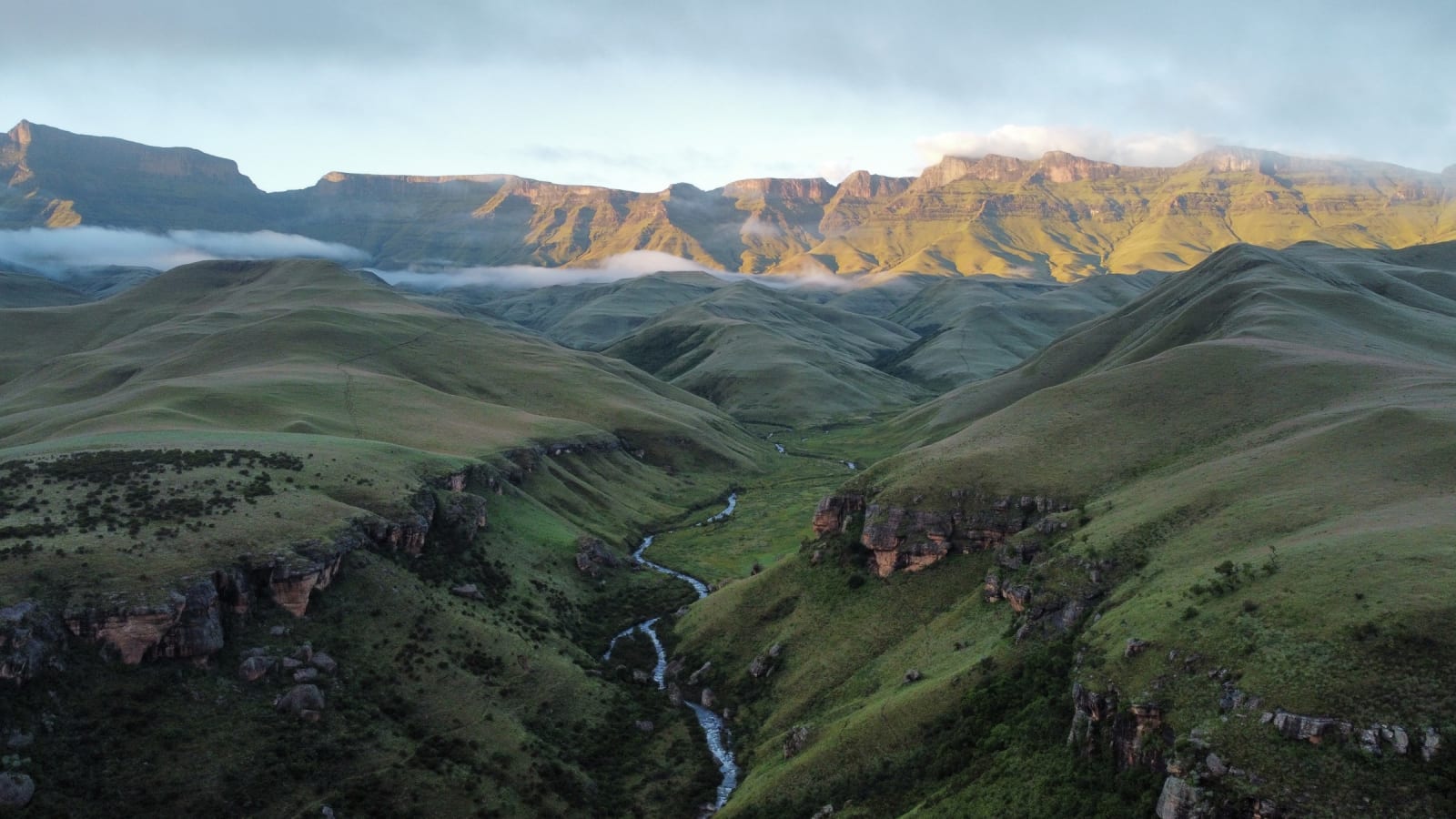 Giants Castle Game ReserveKwaZulu-Natal · Year-round1 lieu
 Hottentots Holland Nature ReserveWestern Cape · Best Sep to Apr1 lieu
Où séjourner
À travers Afrique du Sud






Préparer un voyage
Blue Crane : quand et où l’observer
Blue Crane : signalé par des hôtes dans ou près de uKhahlamba-Drakensberg Park, Kwandwe Private Game Reserve and Rocherpan Nature Reserve.
Meilleures heures de la journée
- Les premières heures après le lever du soleil, et la fin d’après-midi. Les oiseaux chantent et se nourrissent surtout à la fraîche.
- Midi. Plus calme, surtout par la chaleur d’été.
Où séjourner
Western Cape
Rocherpan · De Hoop · Grootvadersbosch
En voitureSafaris guidésSans paludismeHébergements : Western Cape- Hébergements : KwaZulu-Natal
KwaZulu-Natal
uKhahlamba-Drakensberg · Giants Castle
Eastern Cape
Kwandwe · Addo Elephant
En voitureSafaris guidésSans paludismeHébergements : Eastern CapeLimpopo
Welgevonden
Safaris guidésHébergements : Limpopo
Façons d’observer
Conduire soi-même
Votre véhicule et votre rythme, sur les routes du parc.
Parcs où l’espèce est signalée
Safaris guidés depuis un lodge
Un guide qui sait où chercher, avec hors-piste et safaris de nuit dans les réserves privées.
Parcs où l’espèce est signalée
Liste rouge de l’UICN
Vulnerable
Espèce
Grus paradiseus
Observations
3 264
observations iNaturalist
Chaque réservation sur Spekboom soutient la conservation.
Questions des voyageurs
Une observation signifie qu’un hôte a vu l’espèce Blue Crane sur place ou à proximité. Ce n’est jamais une garantie de la voir.
Which parks and reserves are best for the Blue Crane in South Africa?
Hosts on Spekboom have recorded the Blue Crane at stays in or beside uKhahlamba-Drakensberg Park, Kwandwe Private Game Reserve, Rocherpan Nature Reserve, De Hoop Nature Reserve, Grootvadersbosch Nature Reserve and Vrolijkheid Nature Reserve and other reserves. A record means a host has seen it on the property or nearby, which makes these the places to base yourself; it is never a guarantee of a sighting on any given day.
Where can you see the Blue Crane in South Africa?
The Blue Crane is most recorded in Western Cape (71% of records), Eastern Cape (12% of records), Northern Cape (5% of records), based on 3 264 iNaturalist observations. 83 places to stay on Spekboom in South Africa have recorded the Blue Crane on site or nearby.
When is the best time to see the Blue Crane?
The Blue Crane is recorded throughout the year, so no month is the wrong month to look for it. For the parks where hosts record it most, these are the best seasons they give. uKhahlamba-Drakensberg Park: year-round, dry season May-Sep; Kwandwe Private Game Reserve: year-round, best Mar-May, Sep-Nov; Rocherpan Nature Reserve: Winter and spring for birds and flowers, Jun-Oct; De Hoop Nature Reserve: Sep-Apr, flowers Aug-Oct. In the dry months animals concentrate at water and the grass is short.
What is the conservation status of the Blue Crane?
The Blue Crane (Grus paradiseus) is listed as Vulnerable on the IUCN Red List.
What is the Blue Crane?
The blue crane, also known as the Stanley crane and the paradise crane, is the national bird of South Africa. The species is listed as Vulnerable by the IUCN.