

Kruger National Park
Limpopo · Best Apr to Sep
5 places

Trees & flora
Vachellia xanthophloea is a tree in the Fabaceae family and is commonly known in English as the fever tree (local East African names include olerai, kimwea, murera, and mwelele).
Recorded year-round
Recorded in every month, so no month is the wrong month to look. We would rather say that than invent a best time.
Curve from 878 national iNaturalist observations, not from one property. Single-month spikes are discarded as upload artefacts, and below 50 records we show no curve at all.
KwaZulu-Natal and beyond
Provinces where Fever Tree is most recorded. Tap one to find places to stay.
878 records, iNaturalist
Across South Africa

Hluhluwe

Fever Tree recorded here
Kruger National Park
Fever Tree recorded here
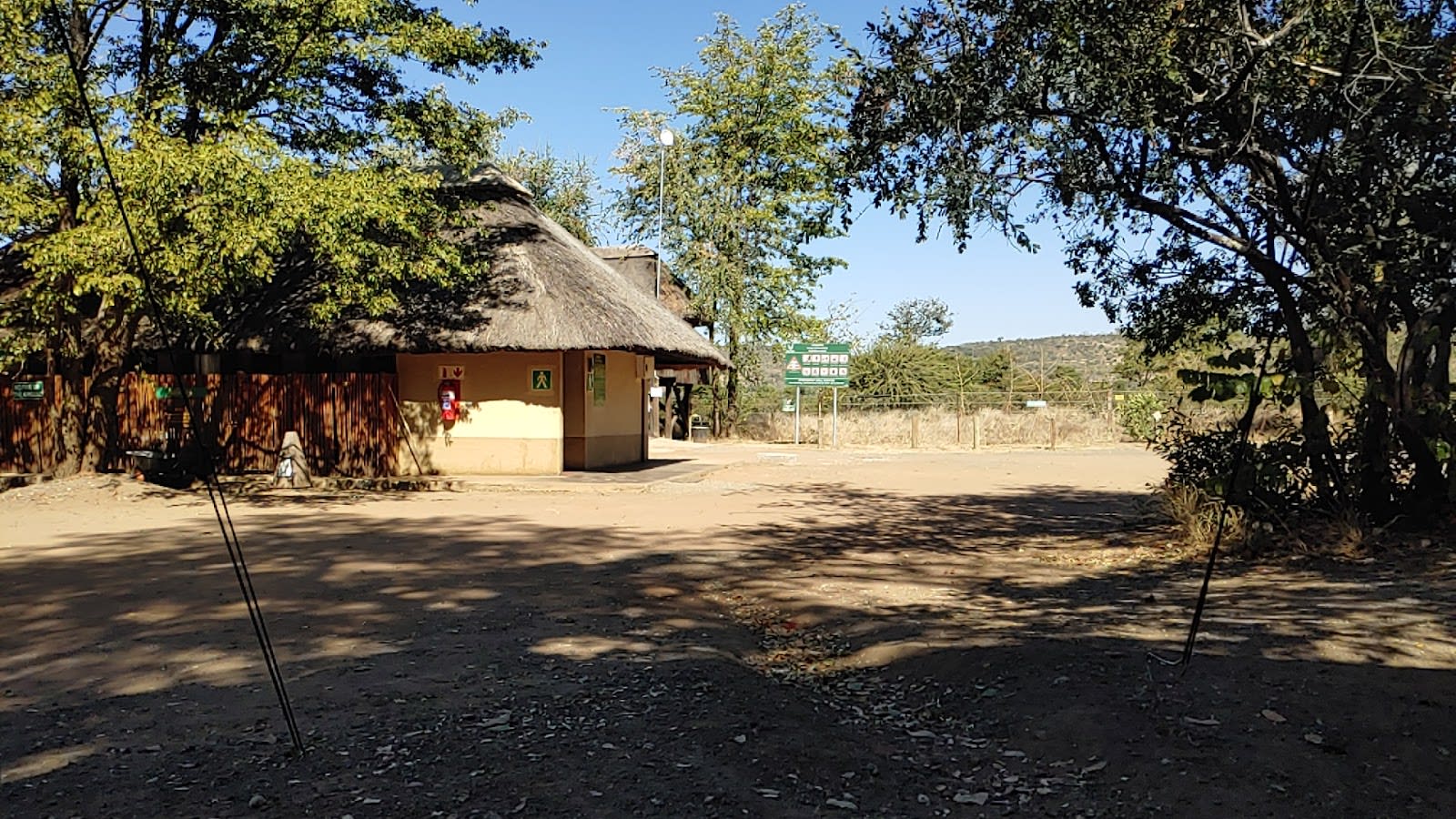
Kruger National Park
Fever Tree recorded here

Kruger National Park
Fever Tree recorded here

Kruger National Park
Fever Tree recorded here
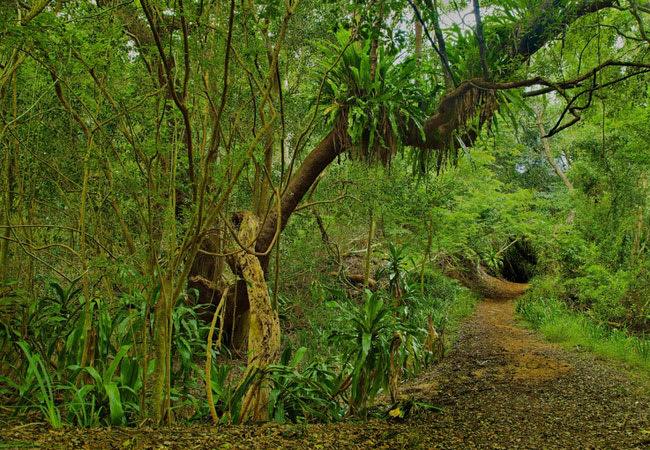
Umlalazi Nature Reserve
Fever Tree recorded here

Ndumo Game Reserve
Fever Tree recorded here

Kruger National Park
Fever Tree recorded here

Phinda Private Game Reserve

Fever Tree recorded here

Phinda Private Game Reserve
Fever Tree recorded here

Phinda Private Game Reserve
Fever Tree recorded here

Phinda Private Game Reserve
Fever Tree recorded here

Phinda Private Game Reserve
Fever Tree recorded here

Benguela Cove, Hermanus


Oudtshoorn


Kruger National Park

Riebeek Valley, Riebeek West
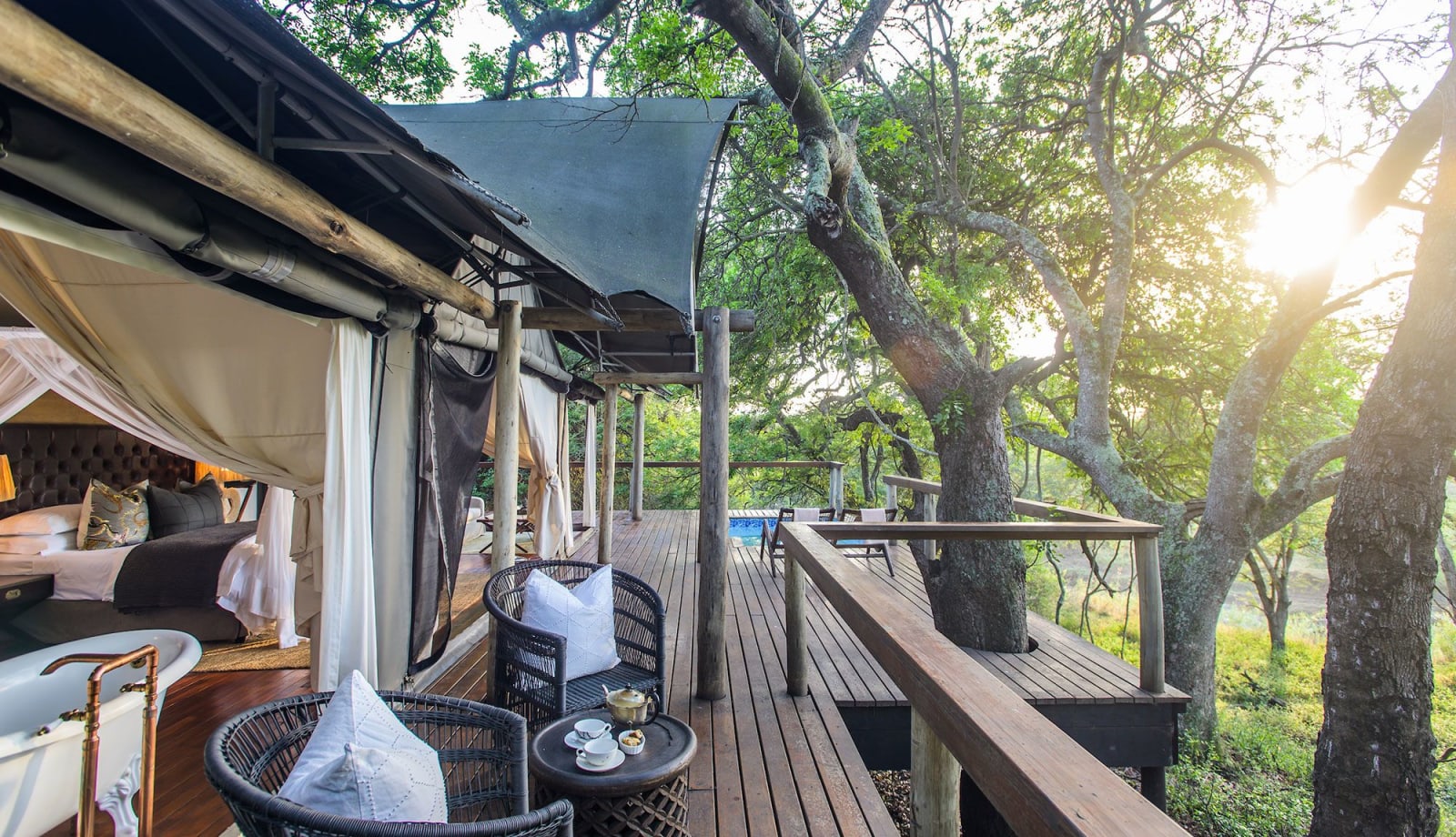
Hazyview


Klapmuts, Simondium

Gardens, Cape Town

Bakoven, Cape Town

Timbavati Private Nature Reserve

Kruger National Park

Kruger National Park

Next stop
Rolling green hills, dairy farms, and pottery studios
See places that give backPlanning a trip
The fever tree is the acacia with yellow bark: a smooth, lime-green to sulphur trunk that photosynthesises like a leaf.
Northern Kruger
A forest of yellow trunks on the Luvuvhu floodplain, the far northern tip of the park.
Ndumo Game Reserve
Fever trees around the pans on the Mozambique border, with some of the country’s best birding.
Yellow woodland on the lake shore below the escarpment.
The Lerai Forest on the crater floor.
Species
Vachellia xanthophloea
Records
878
iNaturalist observations
Every booking on Spekboom supports conservation.
A record means a host has seen the Fever Tree on the property or nearby. It is never a guarantee of a sighting.
The fever tree is the acacia with yellow bark: a smooth, lime-green to sulphur trunk that photosynthesises like a leaf. It grows where the ground stays wet, along rivers, around pans and on floodplains, and early travellers blamed it for the malaria they caught in the same places, which is how it got its name. The mosquito was the cause; the tree only shares its habitat.
In South Africa the great stands are in the far north and the far east. The fever tree forest at Pafuri, in the northern Kruger, and the pans of Ndumo in northern KwaZulu-Natal are the best known. In East Africa it rings the Rift Valley lakes: the woodland on the shore of Lake Nakuru and the Lerai Forest on the floor of the Ngorongoro Crater are both fever trees.
It is at its most striking in late afternoon light, when the yellow trunks glow against the green.
Early travellers caught malaria in the wet, low-lying places where it grows and blamed the tree. The fever came from mosquitoes breeding in the same water.
Pafuri in the northern Kruger and the pans of Ndumo in South Africa; Lake Nakuru in Kenya; and the Lerai Forest in Tanzania’s Ngorongoro Crater.
The Fever Tree is recorded throughout the year, so no month is the wrong month to look for it. For the parks where hosts record it most, these are the best seasons they give. Kruger National Park: Apr-Sep; Phinda Private Game Reserve: year-round, dry season May-Sep; Ndumo Game Reserve: year-round, dry season May-Sep; uMlalazi Nature Reserve: year-round, warm Oct-Apr. In the dry months animals concentrate at water and the grass is short.
Vachellia xanthophloea is a tree in the Fabaceae family and is commonly known in English as the fever tree (local East African names include olerai, kimwea, murera, and mwelele). This species of Vachellia is native to eastern and southern Africa. It can be found in Botswana, Kenya, Malawi, Mozambique, Somalia, South Africa, Swaziland, Tanzania, Zambia and Zimbabwe.
