
Kruger National Park
Limpopo · Best Apr to Sep
15 places

Trees & flora
Senegalia (from Senegal and Acacia senegal (L.) Willd.) is a genus of flowering plants in the legume family, Fabaceae.
Mpumalanga and beyond
Provinces where Delagoa Thorn is most recorded. Tap one to find places to stay.
22 records, iNaturalist
Across South Africa

Kruger National Park

Delagoa Thorn recorded here

Kruger National Park
Delagoa Thorn recorded here
Kruger National Park
Delagoa Thorn recorded here

Kruger National Park
Delagoa Thorn recorded here

Kruger National Park
Delagoa Thorn recorded here

Kruger National Park
Delagoa Thorn recorded here

Kruger National Park
Delagoa Thorn recorded here

Kruger National Park
Delagoa Thorn recorded here

Kruger National Park
Delagoa Thorn recorded here

Kruger National Park
Delagoa Thorn recorded here

Kruger National Park
Delagoa Thorn recorded here

Mpumalanga

Delagoa Thorn recorded here

Kruger National Park
Delagoa Thorn recorded here

Kruger National Park
Delagoa Thorn recorded here
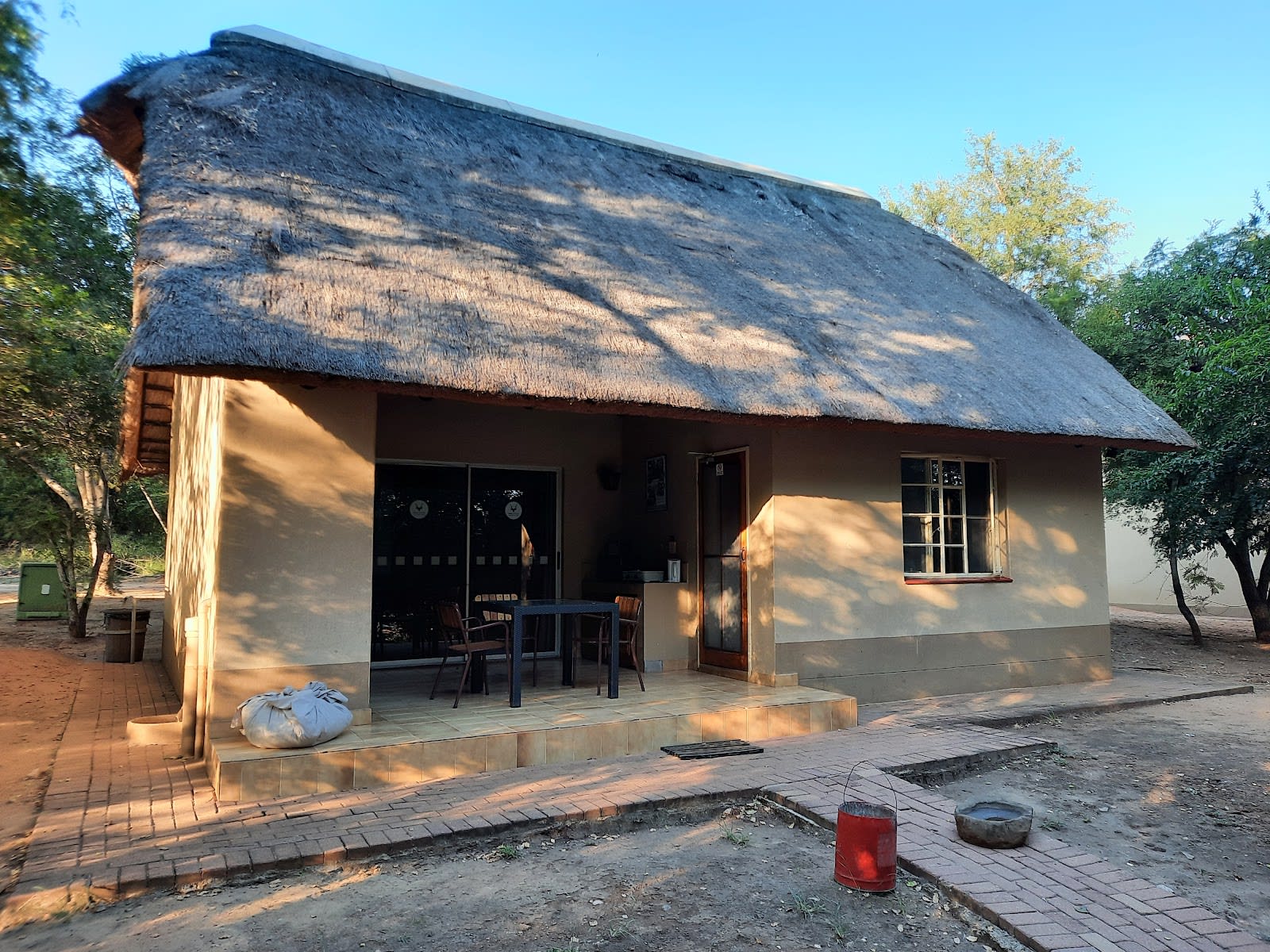
Kruger National Park
Delagoa Thorn recorded here

Kruger National Park
Delagoa Thorn recorded here

Voëlklip, Hermanus


Swellendam

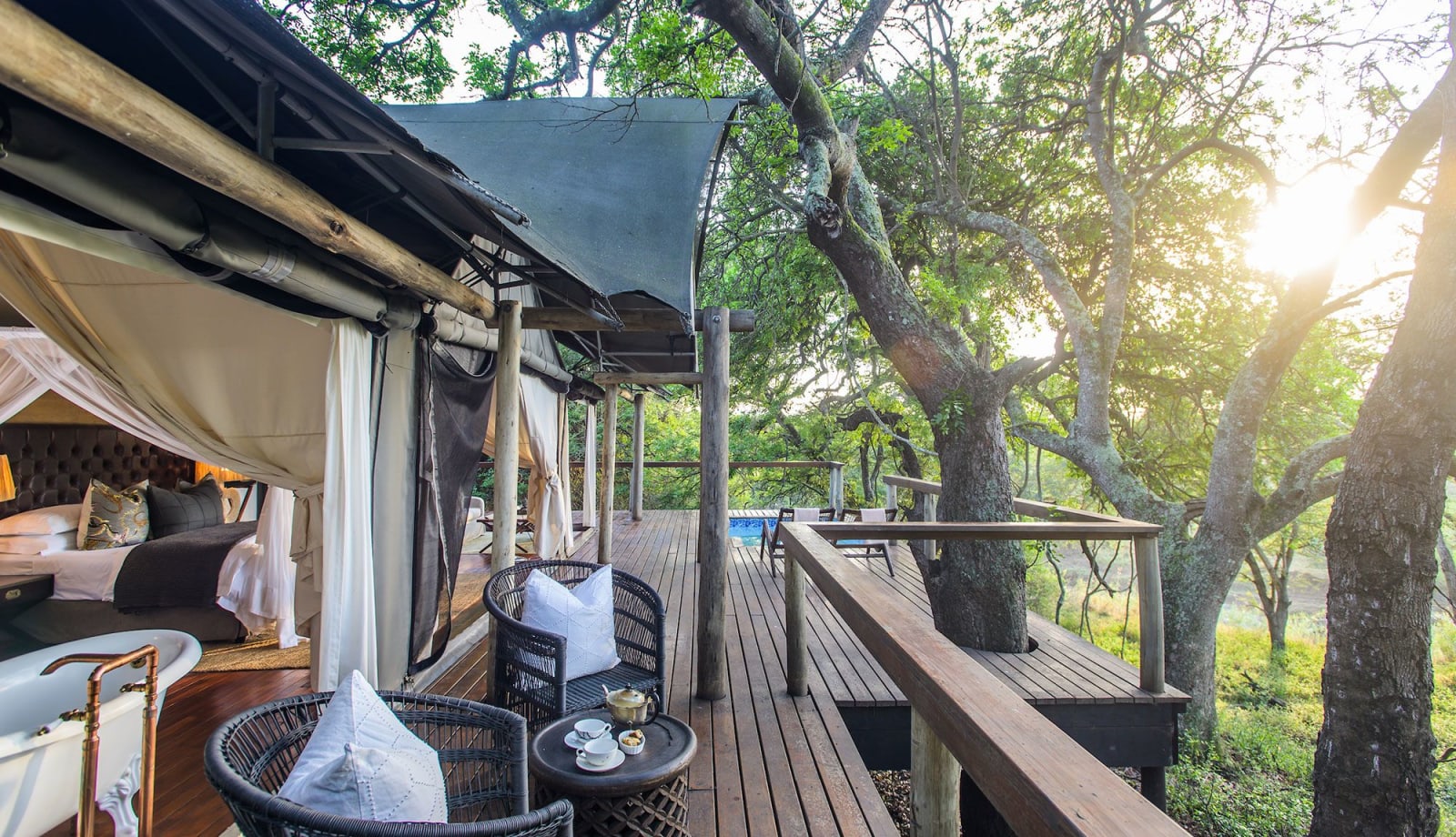
Hazyview


Riebeek Valley, Riebeek West

Franschhoek


Klapmuts, Simondium

Gardens, Cape Town

Bakoven, Cape Town

Next stop
Sandstone amphitheatres and cool mountain air
See places that give backPlanning a trip
Hosts have recorded the Delagoa Thorn at stays in or beside Kruger National Park.
Species
Senegalia welwitschii
Records
22
iNaturalist observations
Every booking on Spekboom supports conservation.
A record means a host has seen the Delagoa Thorn on the property or nearby. It is never a guarantee of a sighting.
Hosts on Spekboom have recorded the Delagoa Thorn at stays in or beside Kruger National Park. A record means a host has seen it on the property or nearby, which makes these the places to base yourself; it is never a guarantee of a sighting on any given day.
The Delagoa Thorn is most recorded in Mpumalanga (91% of records), Limpopo (9% of records), based on 22 iNaturalist observations. 16 places to stay on Spekboom in South Africa have recorded the Delagoa Thorn on site or nearby.
Senegalia (from Senegal and Acacia senegal (L.) Willd.) is a genus of flowering plants in the legume family, Fabaceae. It belongs to the subfamily Mimosoideae. Until 2005, its species were considered members of Acacia. The genus is still considered polyphyletic and will require further division.