
Kruger National Park
Limpopo · Best Apr to Sep
6 places

Trees & flora
Adansonia digitata, the baobab, is the most widespread of the Adansonia species, and is native to the African continent.
Recorded year-round
Recorded in every month, so no month is the wrong month to look. We would rather say that than invent a best time.
Curve from 1,289 national iNaturalist observations, not from one property. Single-month spikes are discarded as upload artefacts, and below 50 records we show no curve at all.
Limpopo and beyond
Provinces where Baobab is most recorded. Tap one to find places to stay.
1,289 records, iNaturalist
Across South Africa
Kruger National Park
Baobab recorded here · Savanna biome · Leopard · Spotted hyena
Gives back to BirdLife South Africa
From R 11,820 a night
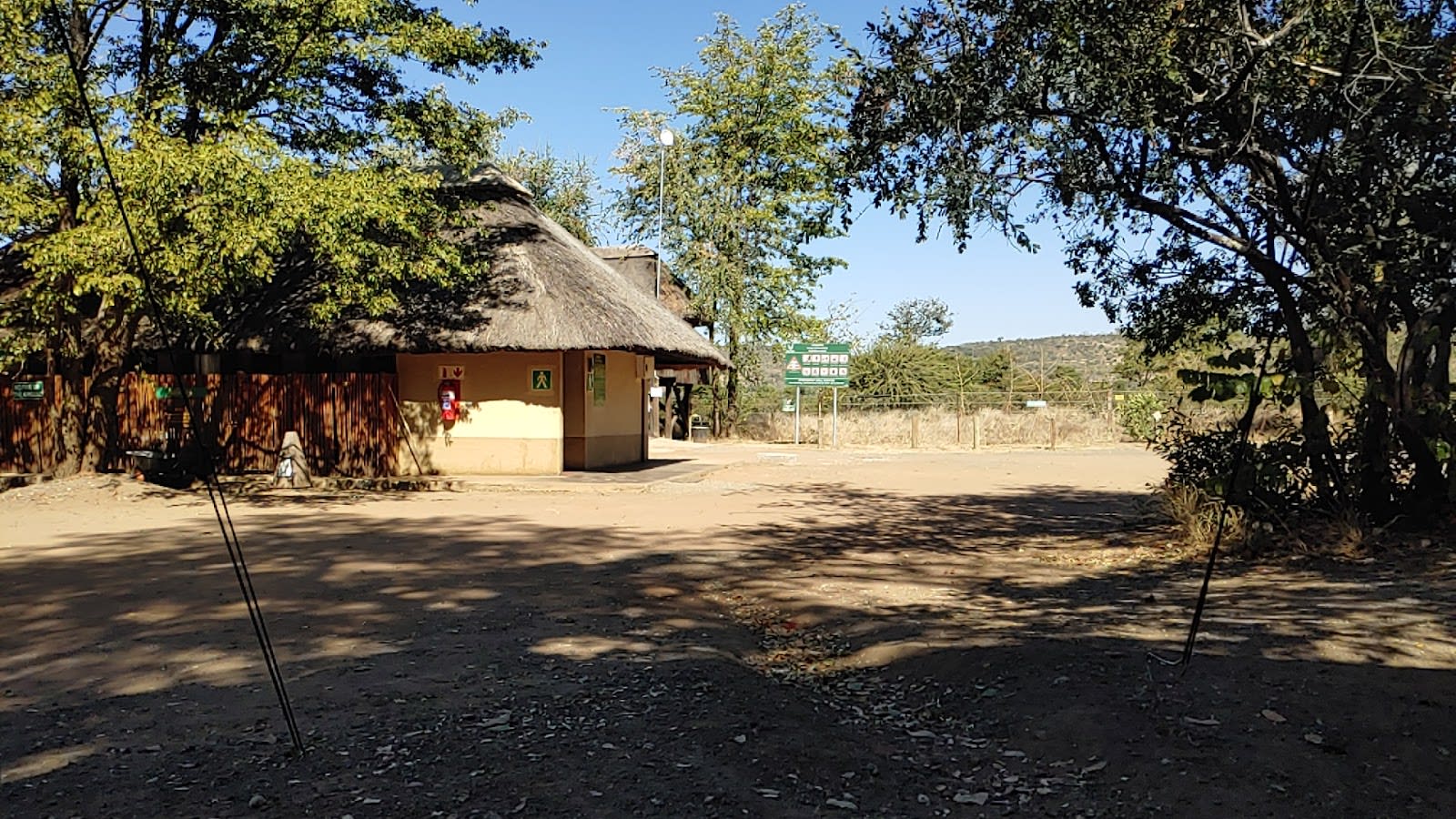
Kruger National Park
Baobab recorded here · Savanna biome · Baobab · Fever tree
From R 319 a night
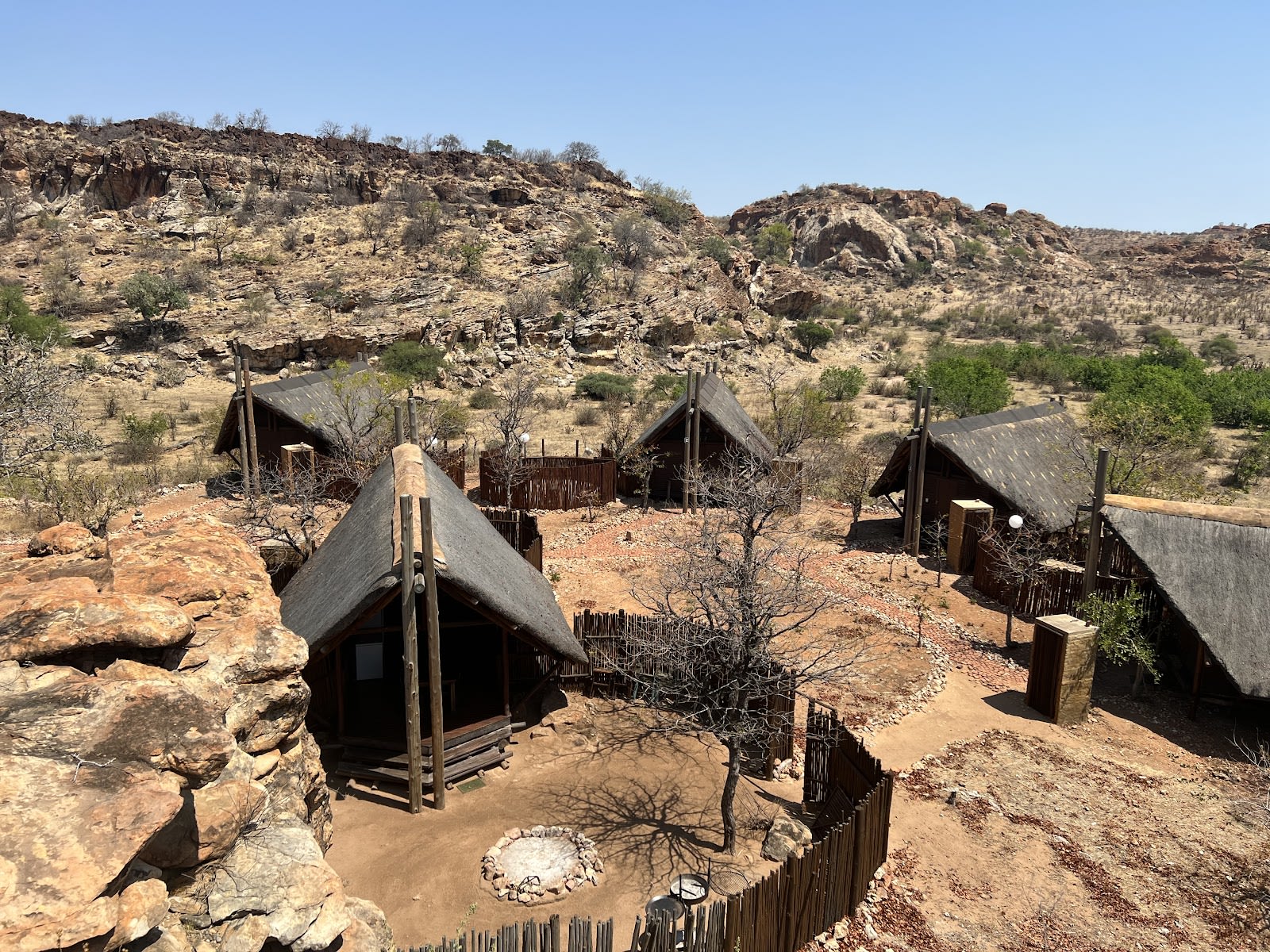
Mapungubwe National Park
Baobab recorded here · Savanna biome · Baobab · Mopane
From R 1,044 a night

Kruger National Park
Baobab recorded here · Savanna biome · Lion · Leopard
Price on request
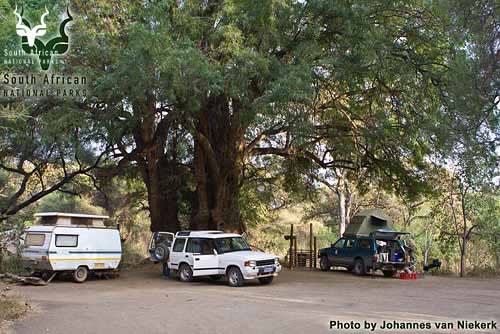
Mapungubwe National Park
Baobab recorded here · Savanna biome · Baobab · Mopane
From R 339 a night

Kruger National Park
Baobab recorded here · Savanna biome · Baobab · Cheetah
From R 1,670 a night

Kruger National Park
Baobab recorded here · Savanna biome · Lion · Leopard
Price on request

Kruger National Park
Baobab recorded here · Savanna biome · Baobab · Fever tree
From R 3,458 a night

Mapungubwe National Park
Baobab recorded here · Savanna biome · Baobab · Giraffe
From R 1,743 a night

Benguela Cove, Hermanus
Fynbos biome
Gives back to BirdLife South Africa
From R 14,985 a night
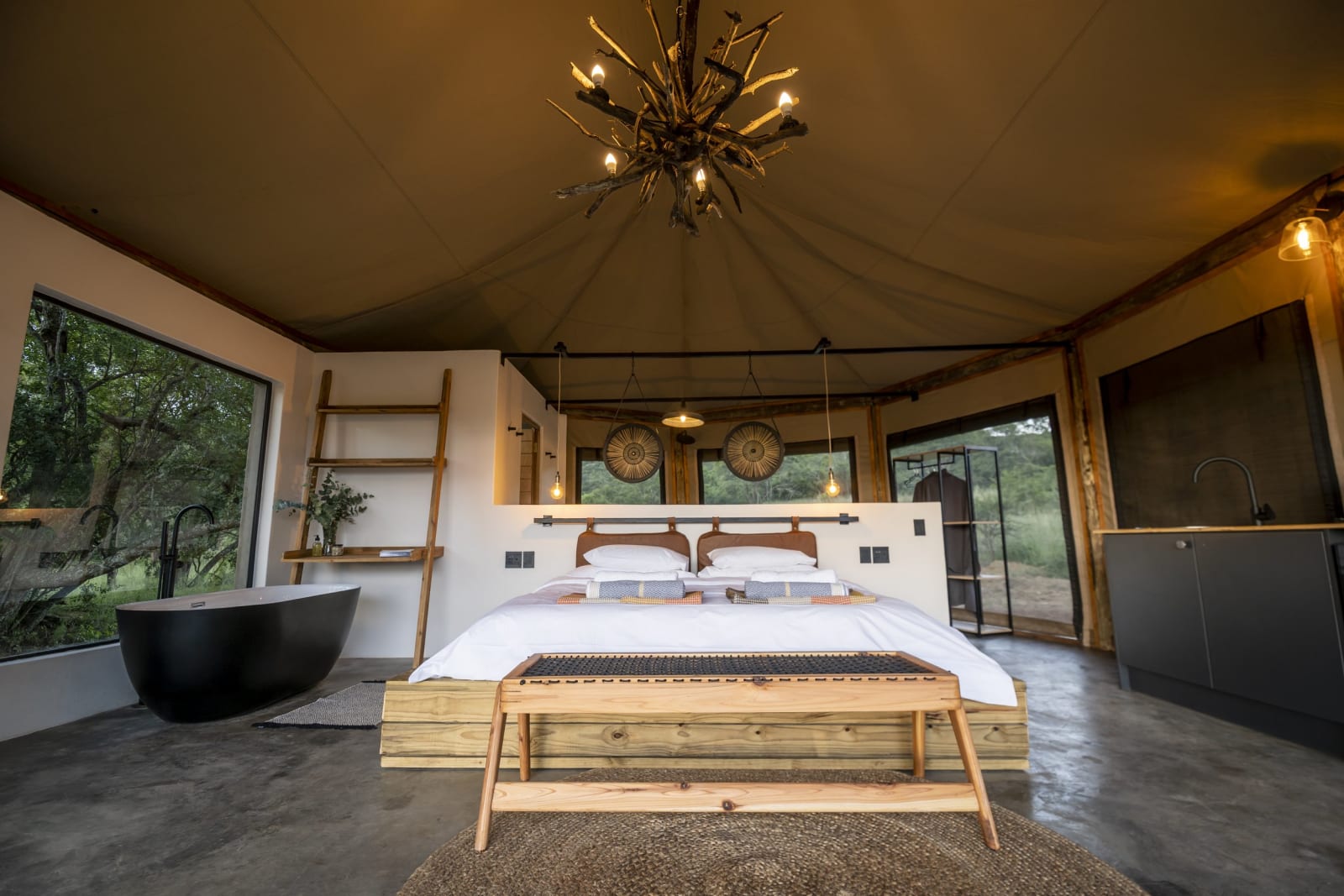
Bergville
Grassland biome
Gives back to Royal Drakensberg Education Trust and 2 others
From R 5,400 a night

Kruger National Park
Savanna biome · Makalani palm · Ana tree
Gives back to BirdLife South Africa
From R 11,820 a night

Riebeek Valley, Riebeek West
Fynbos biome · Black wildebeest · Bontebok
Gives back to BirdLife South Africa
From R 5,636 a night
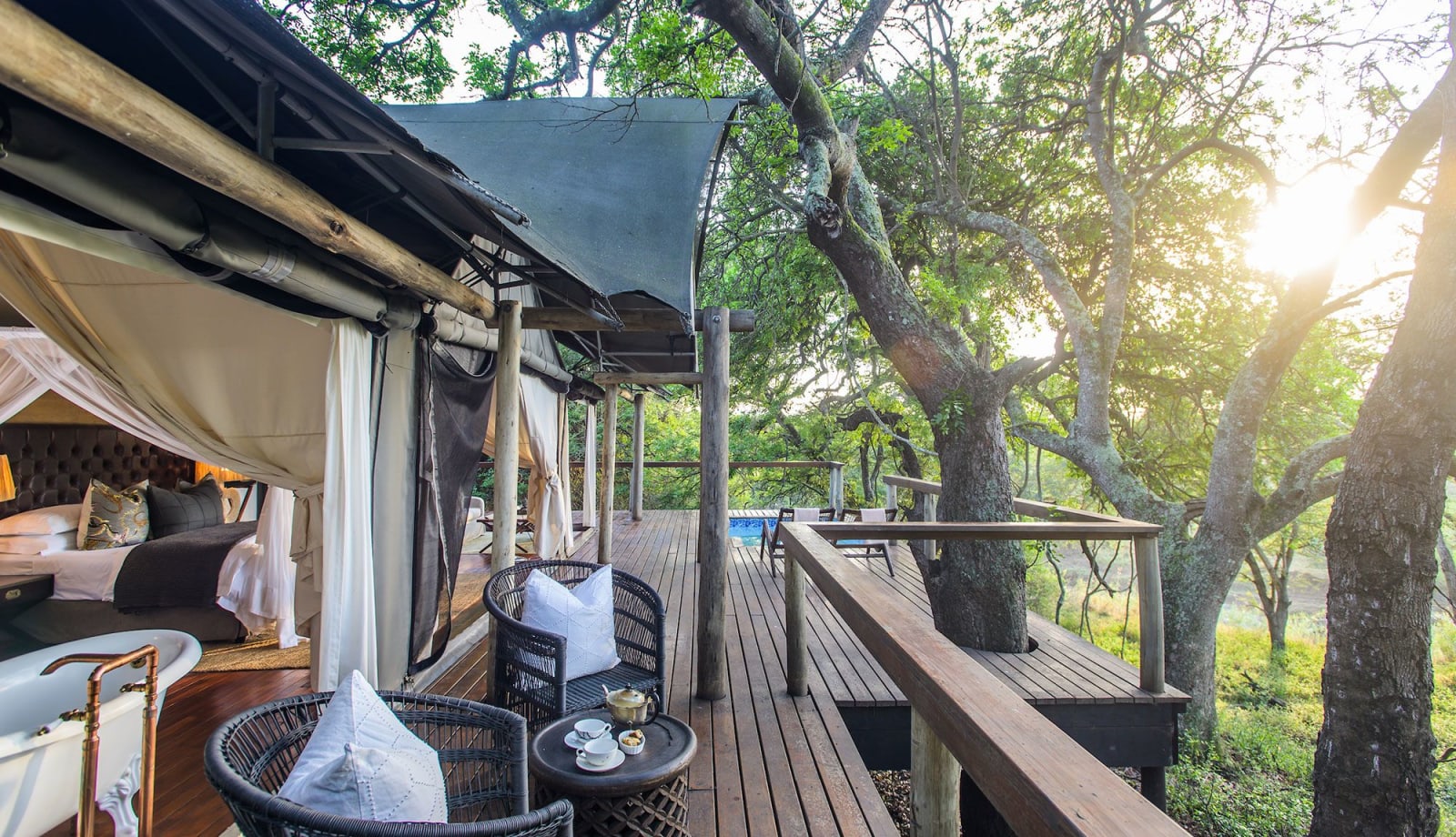
Hazyview
Savanna biome · Leopard · Lion
Gives back to Zululand Conservation Trust and 1 other
From R 22,680 a night

Klapmuts, Simondium
Angulate tortoise · Wild olive
Price on request

Franschhoek
Fynbos biome · English oak
Gives back to Cape Leopard Trust
From R 6,195 a night

Gardens, Cape Town
Fynbos biome · English oak
From R 2,800 a night

Timbavati Private Nature Reserve
Savanna biome · Lion · Leopard
Price on request

Bakoven, Cape Town
Fynbos biome
From R 9,900 a night

Kruger National Park
Savanna biome · Makalani palm · Ana tree
Gives back to BirdLife South Africa
From R 17,120 a night

Hluhluwe-Imfolozi Park
Savanna biome · African wild dog · Spotted hyena
Gives back to Isibindi Foundation
Price on request

Kruger National Park
Savanna biome · Makalani palm · Ana tree
Gives back to BirdLife South Africa
From R 8,380 a night

iSimangaliso Wetland Park
Forest biome · Humpback whale · Southern right whale
Gives back to Isibindi Foundation
Price on request

Madikwe
Savanna biome · Leopard · Lion
Gives back to Jaci's Lodge Trust
From R 31,500 a night

Next stop
Sandstone amphitheatres and cool mountain air
See places that give backPlanning a trip
The baobab grows where it is hot, dry and frost free, which in South Africa means the far north of Limpopo: the Mopane country beyond the Soutpansberg, the Limpopo valley around Mapungubwe, and the northern Kruger around Punda Maria and Pafuri.
Mapungubwe National Park · Limpopo valley
Sandstone koppies and baobabs on the confluence of the Limpopo and Shashe, where three countries meet.
Punda Maria · Pafuri
The quiet end of the Kruger, baobab and fever tree country on the Luvuvhu River.
Some of the densest stands of big baobabs in Africa, with elephants feeding among them in the dry season.
Baines’ Baobabs on the edge of a salt pan, painted by Thomas Baines in 1862 and little changed since.
Species
Adansonia digitata
Records
1,289
iNaturalist observations
Every booking on Spekboom supports conservation.
A record means a host has seen the Baobab on the property or nearby. It is never a guarantee of a sighting.
The baobab grows where it is hot, dry and frost free, which in South Africa means the far north of Limpopo: the Mopane country beyond the Soutpansberg, the Limpopo valley around Mapungubwe, and the northern Kruger around Punda Maria and Pafuri. The biggest trees are well over a thousand years old, with trunks that take a dozen people to circle.
The tree looks different in every season. From about May to October it stands bare, the shape that earned it the name upside-down tree. The leaves come with the first rains, and from October to December it flowers at night: large white flowers that open at dusk, are pollinated by fruit bats and drop by the next afternoon. The velvet-coated fruit hangs on into winter.
North of the border the baobab is a landmark tree. Tarangire in Tanzania is known for it, Baines’ Baobabs stand on the edge of a salt pan in Botswana’s Nxai Pan, and the Zambezi valley at Mana Pools and the Luangwa in Zambia are full of them.
Only in the far north of Limpopo, where there is no frost: Mapungubwe National Park and the Limpopo valley, the northern Kruger around Punda Maria and Pafuri, and the Venda country north of the Soutpansberg. Each stay on this page lists the trees its host has recorded on or near the property.
From about October to December, after the first rains. The large white flowers open at dusk, are pollinated by fruit bats and fall by the next afternoon, so the time to see one open is in the evening.
Tarangire National Park in Tanzania, Baines’ Baobabs in Nxai Pan and the baobabs of the Makgadikgadi in Botswana, the Zambezi valley at Mana Pools, and the Avenue of the Baobabs in Madagascar, which is a different species.
Adansonia digitata, the baobab, is the most widespread of the Adansonia species, and is native to the African continent. The long-lived pachycauls are typically found in dry, hot savannahs of sub-Saharan Africa, where they dominate the landscape, and reveal the presence of a watercourse from afar.


