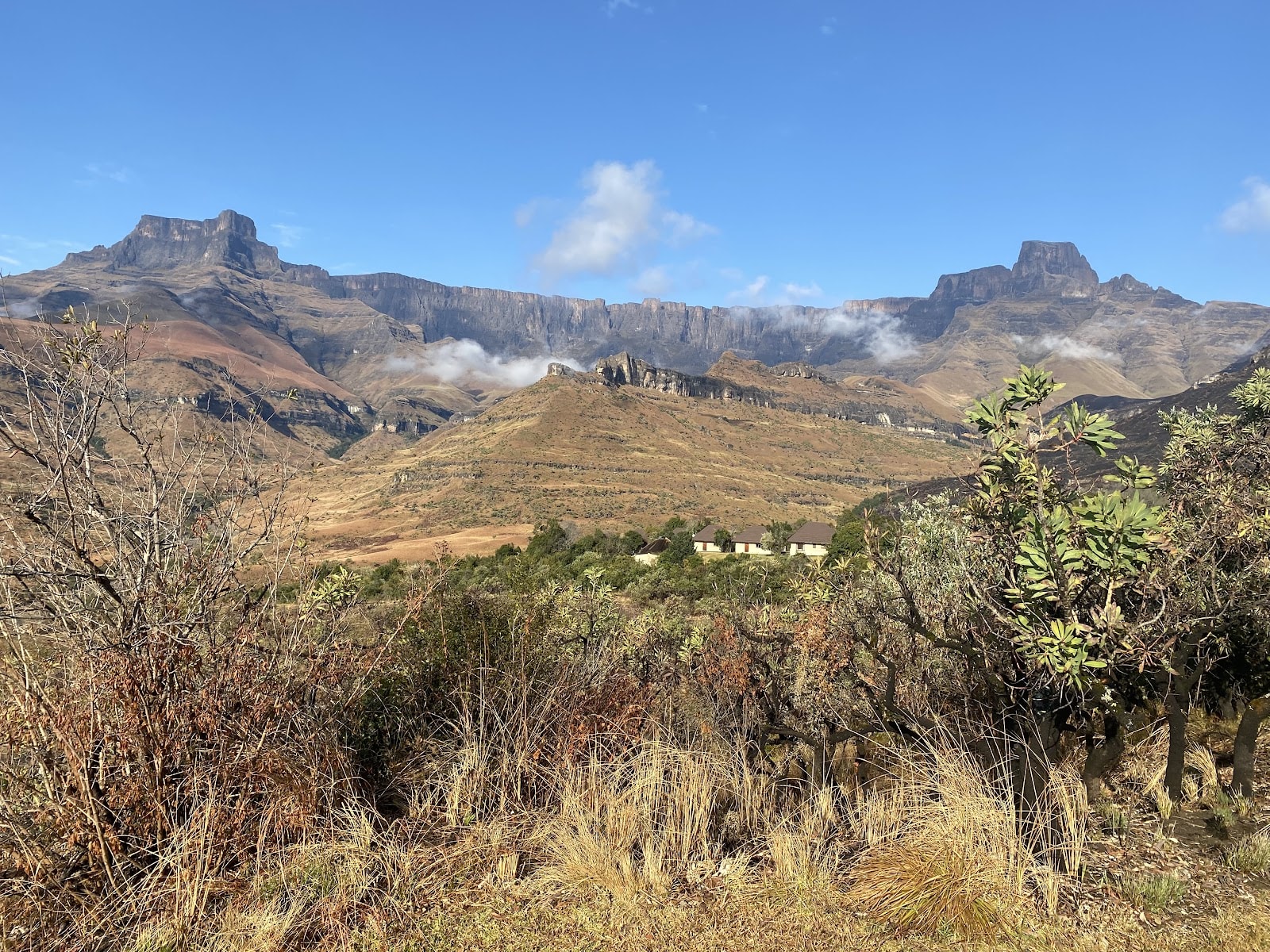
uKhahlamba-Drakensberg Park
KwaZulu-Natal · Year-round
10 places

The Cape rock thrush (Monticola rupestris) is a member of the Muscicapidae family of birds.
Recorded year-round
Recorded in every month, so no month is the wrong month to look. We would rather say that than invent a best time.
Curve from 1,632 national iNaturalist observations, not from one property and not from this province. Single-month spikes are discarded as upload artefacts, and below 50 records we show no curve at all.
Western Cape and beyond
Provinces where Cape Rock Thrush is most recorded. Tap one to find places to stay.
1,632 records, iNaturalist
Across KwaZulu-Natal

Drakensberg, Bergville
Reliably seen · Birder friendly · Grassland biome · Bushbuck · Common eland
Gives back to Royal Drakensberg Education Trust and 1 other
From R 6,800 a night
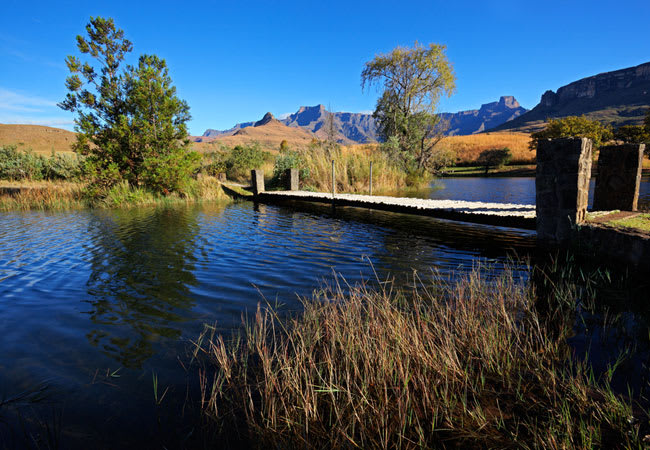
uKhahlamba-Drakensberg Park
Cape Rock Thrush recorded here · Grassland biome · Southern rock agama · Tree fuchsia
From R 190 a night
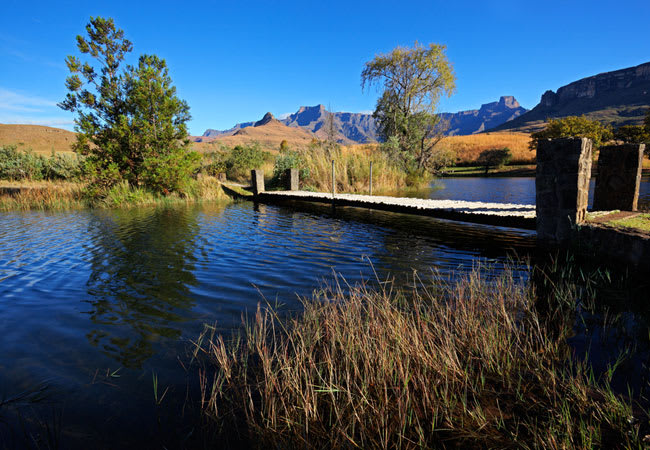
uKhahlamba-Drakensberg Park
Cape Rock Thrush recorded here · Grassland biome · Southern rock agama · Cape heath
From R 190 a night

Hluhluwe-Imfolozi Park
Cape Rock Thrush recorded here · Savanna biome · African wild dog · Spotted hyena
Gives back to Isibindi Foundation
Price on request
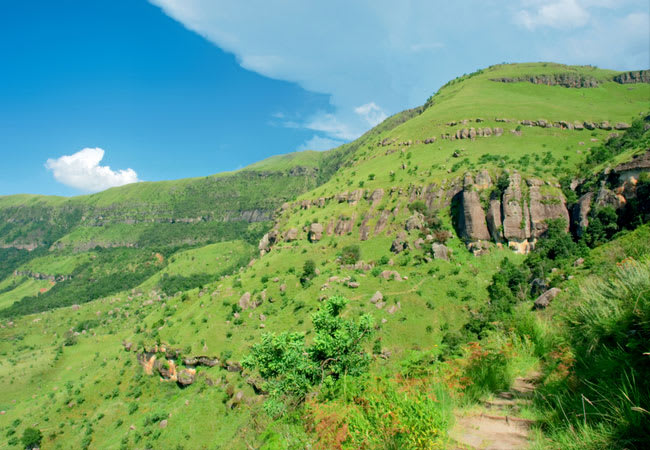
uKhahlamba-Drakensberg Park
Cape Rock Thrush recorded here · Grassland biome · Real yellowwood · Chacma baboon
From R 130 a night
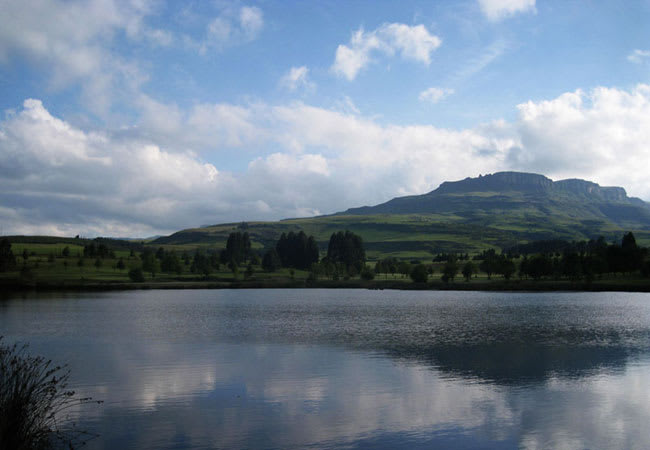
uKhahlamba-Drakensberg Park
Cape Rock Thrush recorded here · Grassland biome · Tree fuchsia · Black wildebeest
From R 840 a night
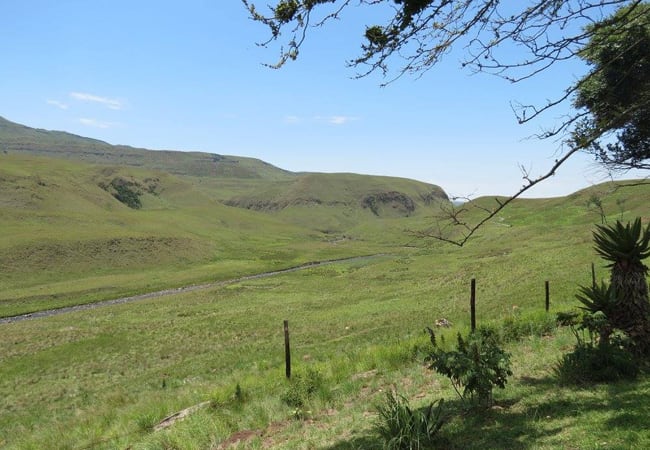
uKhahlamba-Drakensberg Park
Cape Rock Thrush recorded here · Grassland biome · Southern rock agama · Common eland
From R 270 a night
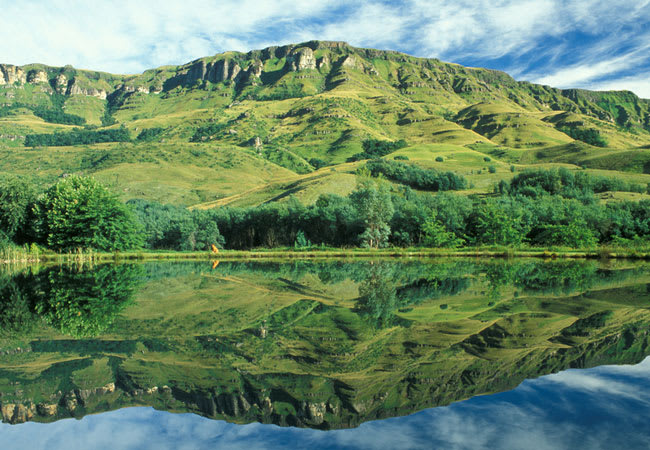
uKhahlamba-Drakensberg Park
Cape Rock Thrush recorded here · Grassland biome · Real yellowwood · Chacma baboon
From R 200 a night
uKhahlamba-Drakensberg Park
Cape Rock Thrush recorded here · Grassland biome · Chacma baboon · Bushbuck
From R 360 a night
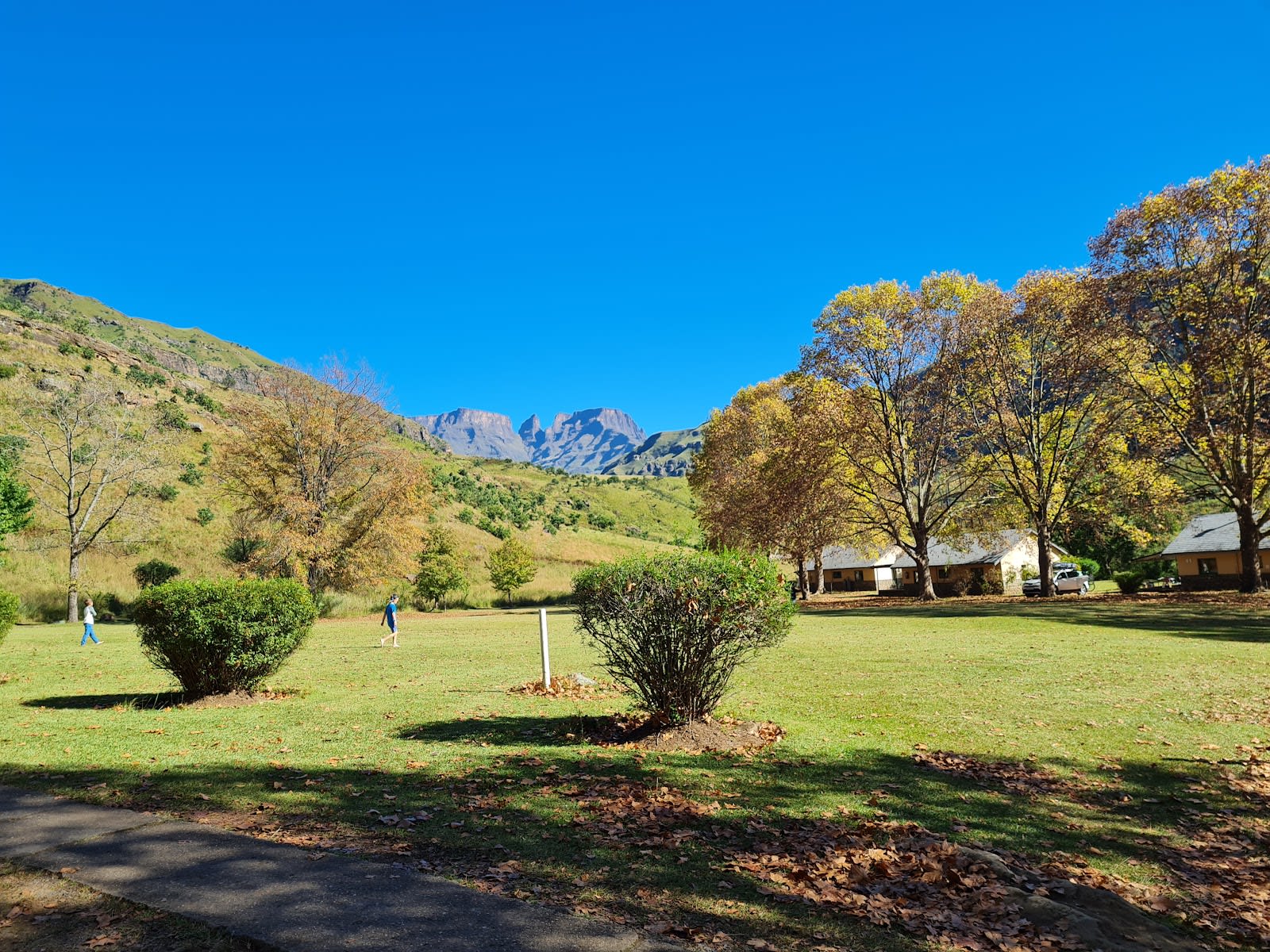
uKhahlamba-Drakensberg Park
Cape Rock Thrush recorded here · Grassland biome · Real yellowwood · Chacma baboon
From R 170 a night
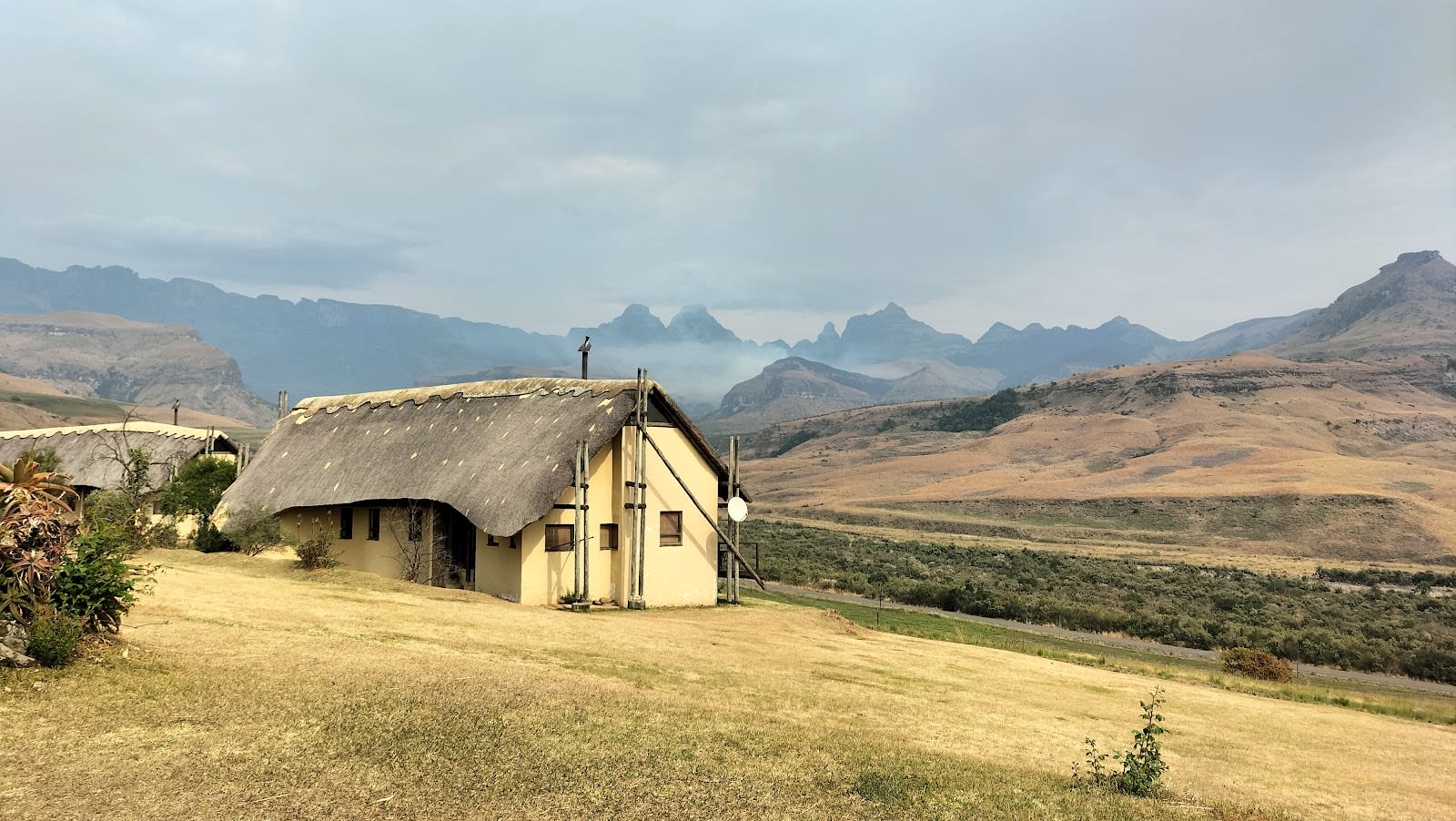
uKhahlamba-Drakensberg Park
Cape Rock Thrush recorded here · Grassland biome · Real yellowwood · Tree fuchsia
From R 1,070 a night
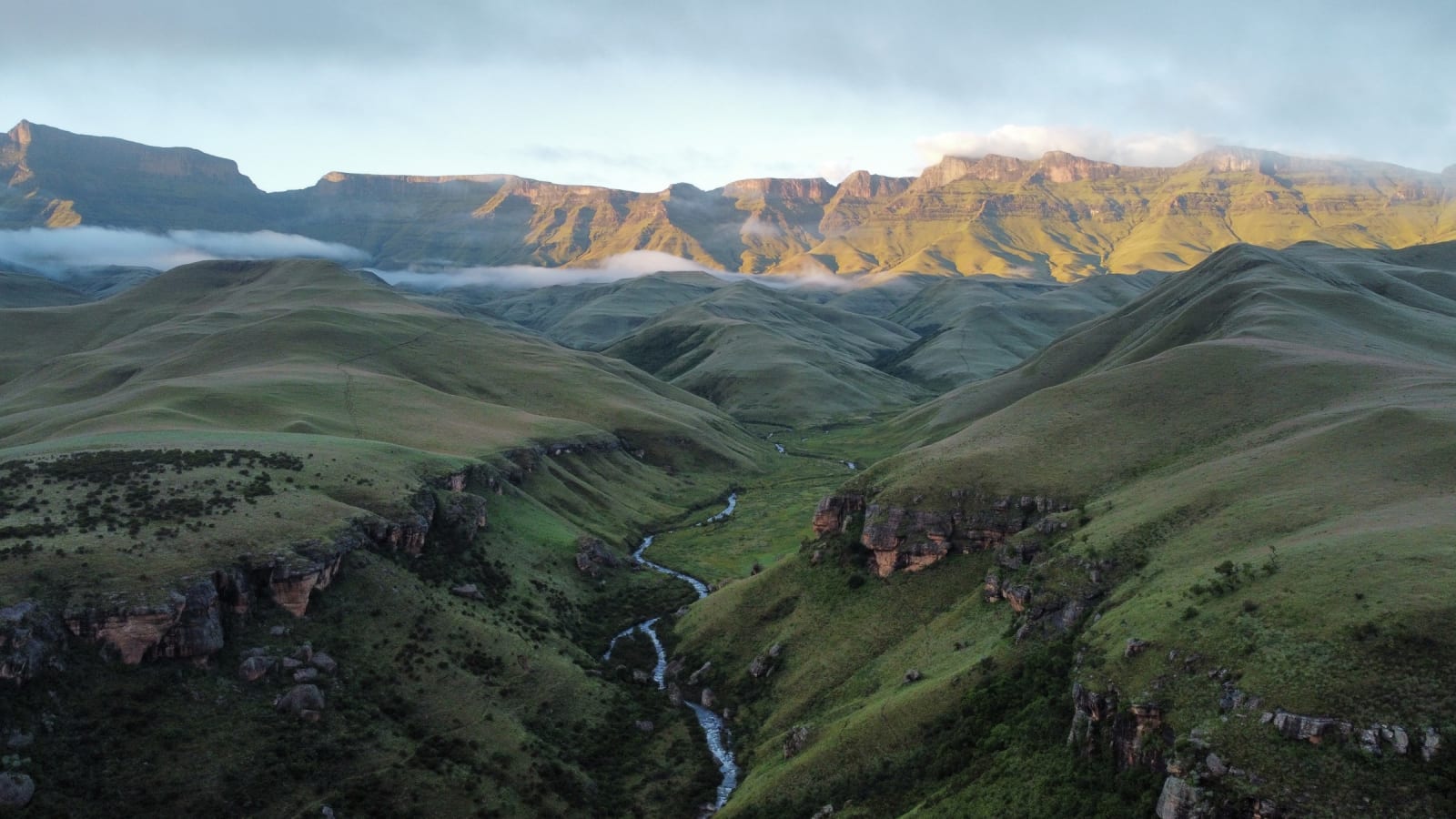
uKhahlamba-Drakensberg Park
Cape Rock Thrush recorded here · Grassland biome · Real yellowwood · Chacma baboon
From R 1,150 a night

Umdloti, Ballito
Indian Ocean Coastal Belt biome
Gives back to Isibindi Foundation
From R 13,000 a night
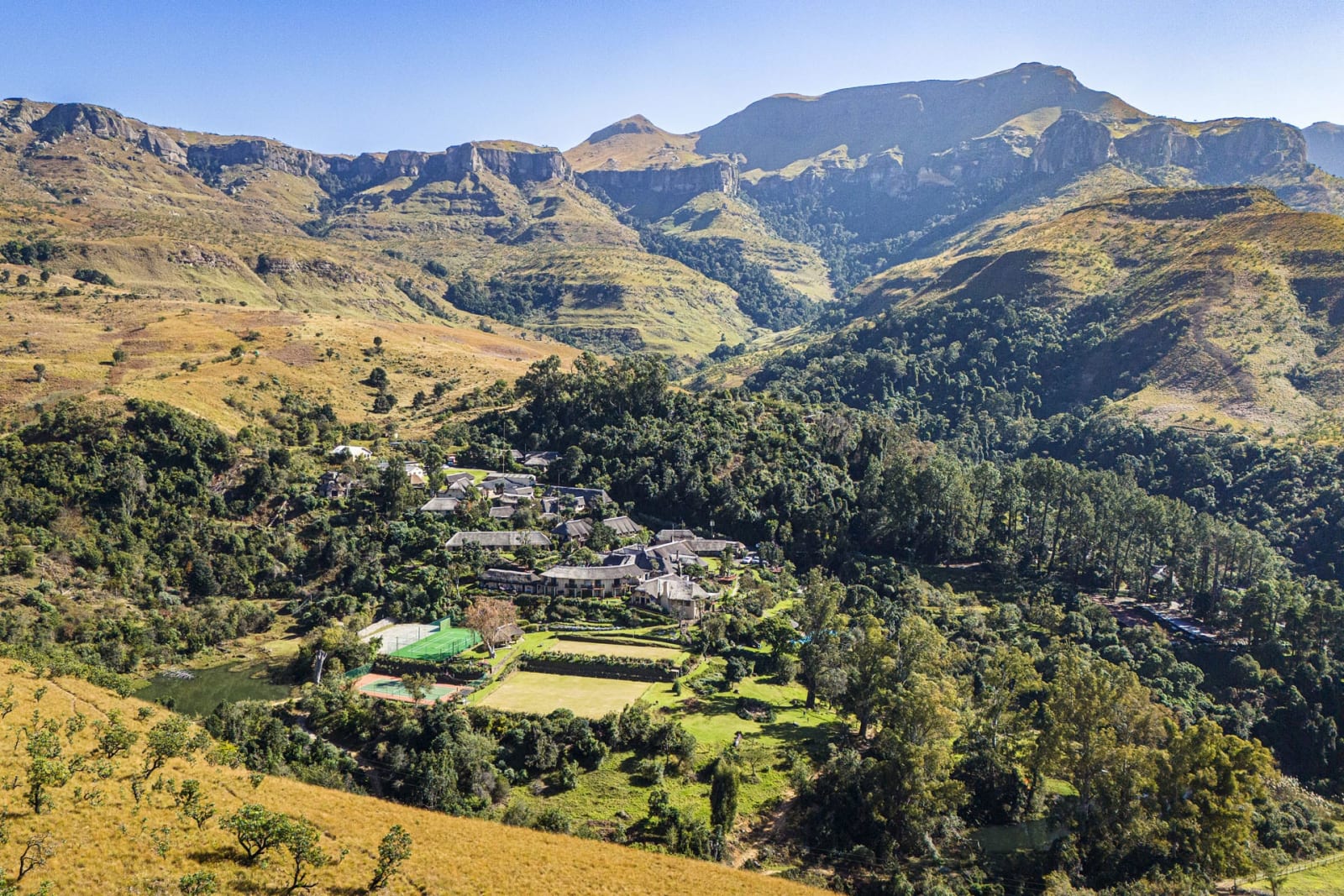
Drakensberg, Bergville
Grassland biome
Gives back to Royal Drakensberg Education Trust
From R 4,280 a night
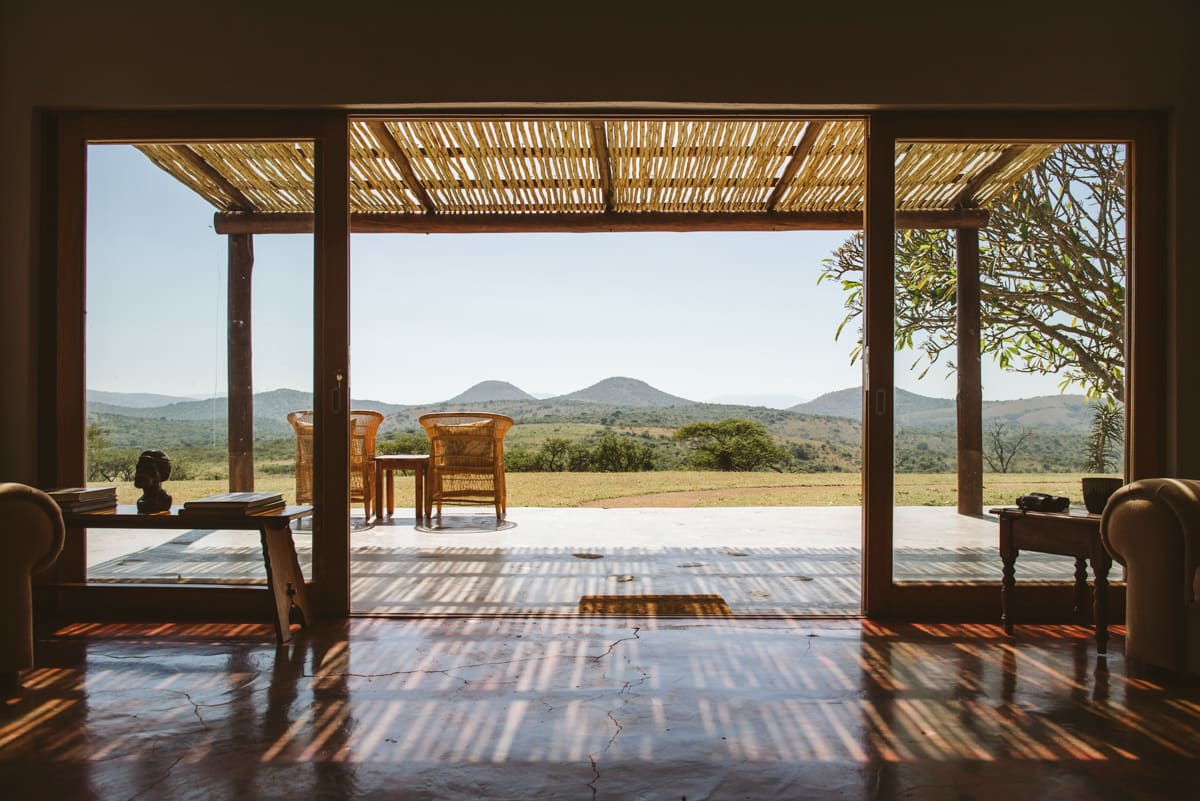
Magudu
Birder friendly · Savanna biome · Leopard · Lion
Gives back to Zululand Conservation Trust
From R 1,280 a night
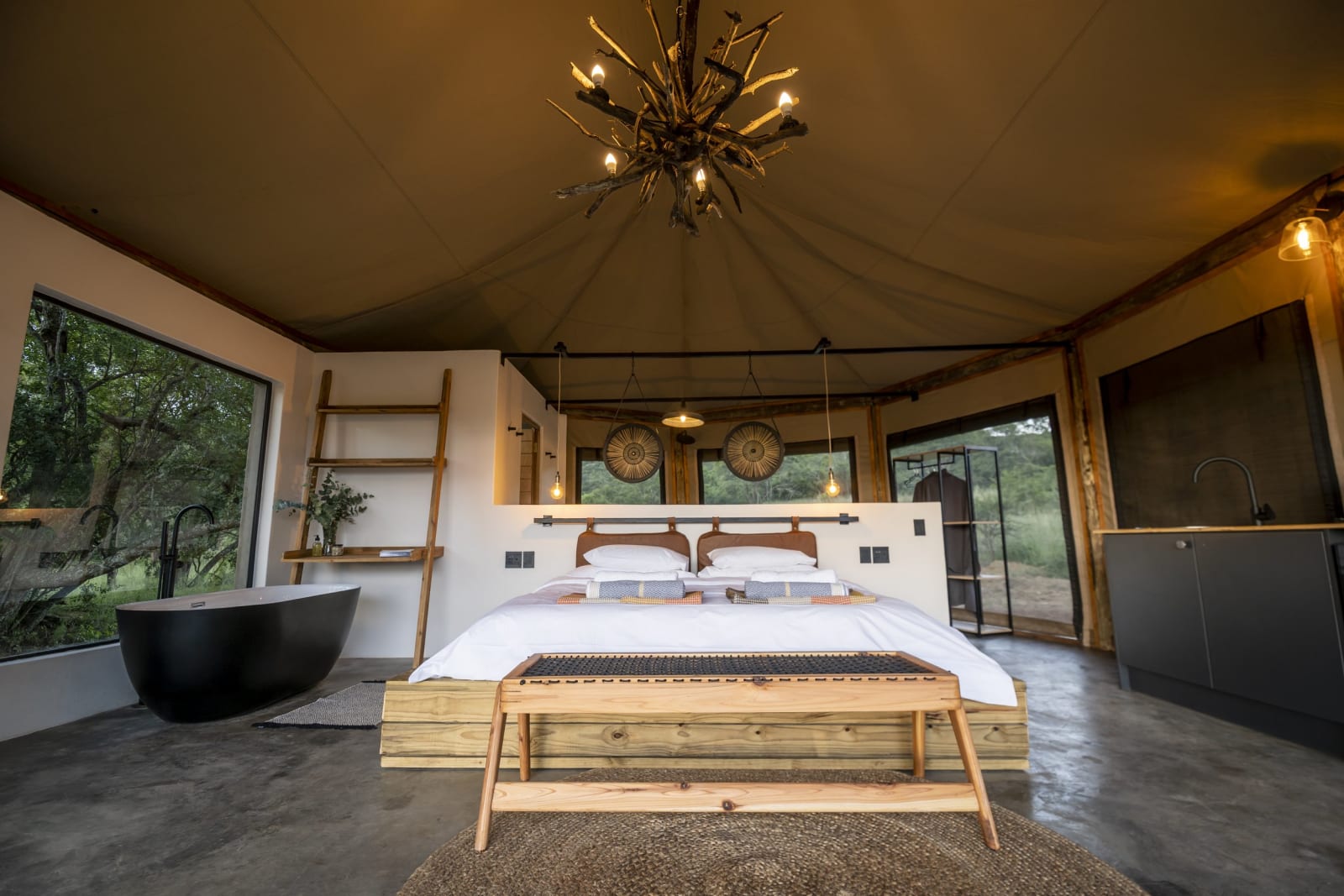
Bergville
Grassland biome
Gives back to Royal Drakensberg Education Trust and 2 others
From R 5,400 a night

Richmond
Birder friendly · Grassland biome
Gives back to Isibindi Foundation
From R 5,990 a night

Drakensberg, Bergville
Grassland biome · Spotted hyena · Leopard
Gives back to Royal Drakensberg Education Trust
From R 1,140 a night
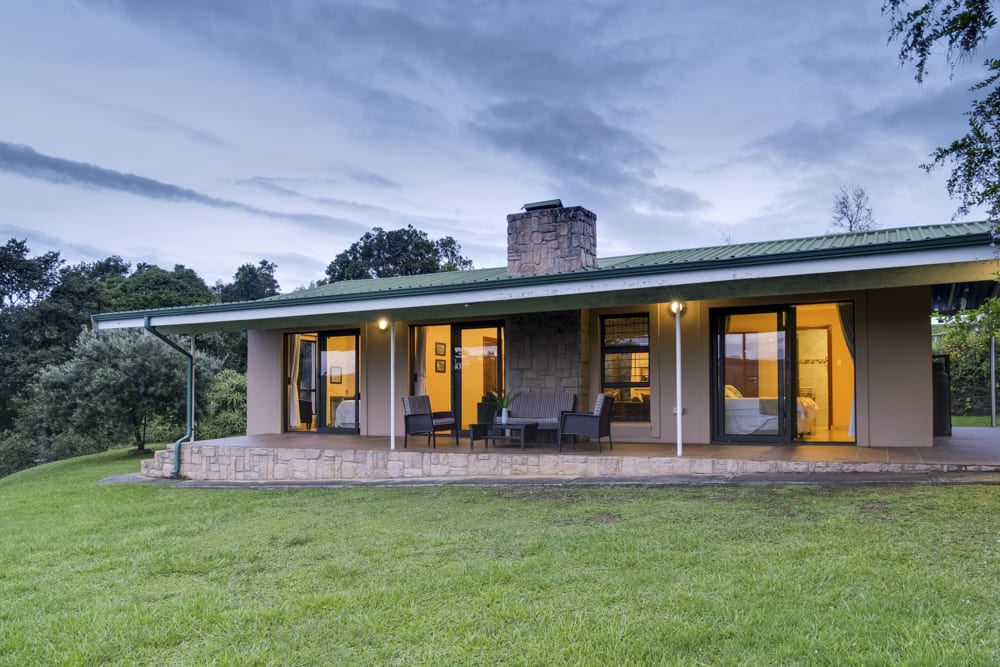
Cathkin Park
Birder friendly · Grassland biome
Gives back to Royal Drakensberg Education Trust
From R 1,691 a night

iSimangaliso Wetland Park
Forest biome · Humpback whale · Southern right whale
Gives back to Isibindi Foundation
Price on request

Underberg
Birder friendly · Grassland biome · Blesbok · Serval
Gives back to Zululand Conservation Trust and 3 others
From R 1,200 a night

Drakensberg, Bergville
Grassland biome
Gives back to Royal Drakensberg Education Trust
From R 1,950 a night

iSimangaliso Wetland Park
Birder friendly · Forest biome · Hippopotamus · Nile crocodile
Gives back to Isibindi Foundation and 1 other
Price on request
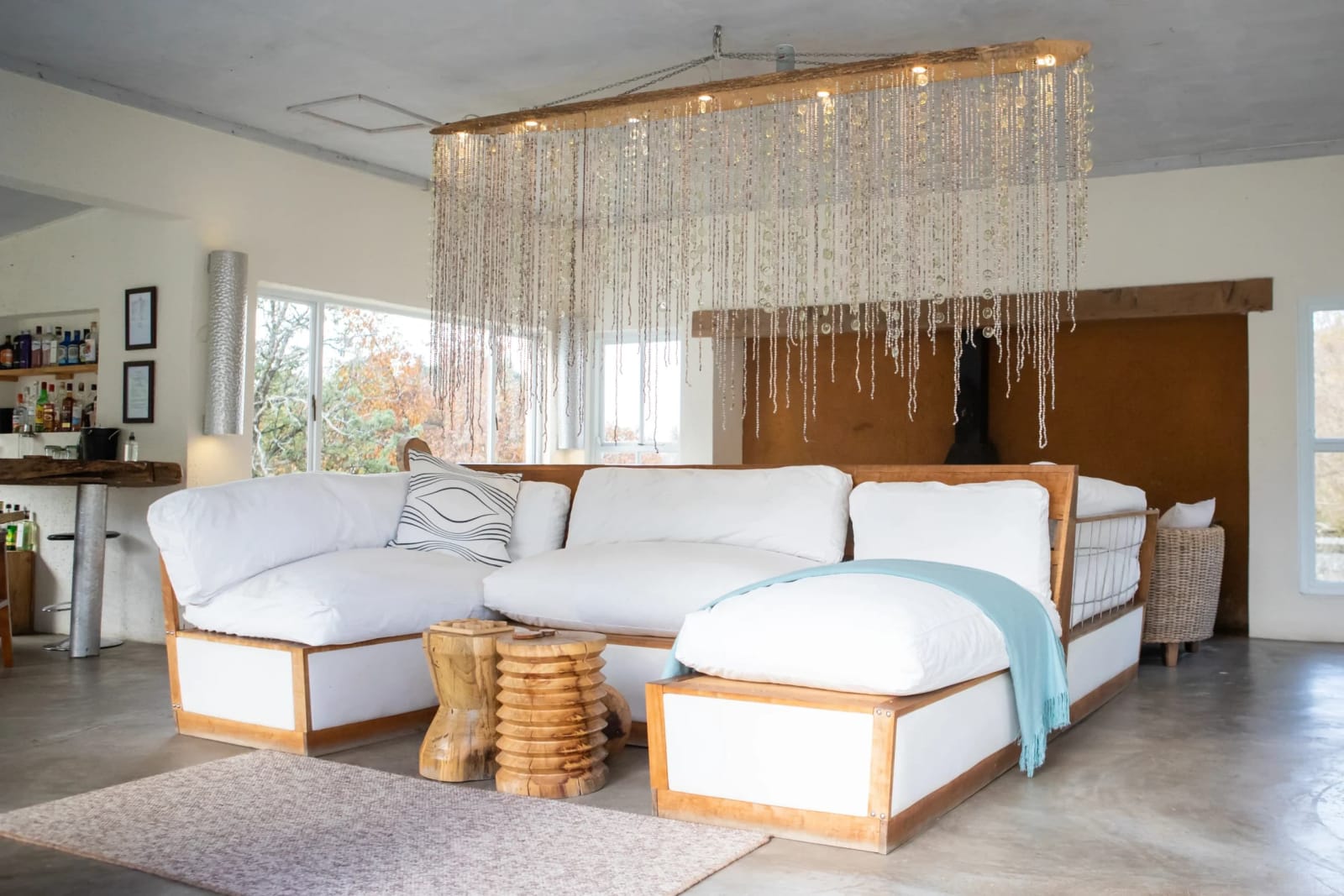
Nottingham Road
Grassland biome · Bushbuck · Serval
Gives back to Royal Drakensberg Education Trust
From R 4,100 a night

Next stop
iSimangaliso wetlands, sand forest, and Sodwana reefs
See places that give backPlanning a trip
Hosts have recorded the Cape Rock Thrush at stays in or beside uKhahlamba-Drakensberg Park, Giants Castle Game Reserve and Hluhluwe-Imfolozi Park.
Drive yourself
Your own vehicle and pace, on the park's roads.
Where hosts record it
Species
Monticola rupestris
Records
1,632
iNaturalist observations
Every booking on Spekboom supports conservation.
A record means a host has seen the Cape Rock Thrush on the property or nearby. It is never a guarantee of a sighting.
Hosts on Spekboom have recorded the Cape Rock Thrush at stays in or beside uKhahlamba-Drakensberg Park, Giants Castle Game Reserve, Hluhluwe-Imfolozi Park, Kamberg Nature Reserve and Royal Natal National Park. A record means a host has seen it on the property or nearby, which makes these the places to base yourself; it is never a guarantee of a sighting on any given day.
The Cape Rock Thrush is most recorded in Western Cape (56% of records), KwaZulu-Natal (21% of records), Eastern Cape (11% of records), based on 1,632 iNaturalist observations. 12 places to stay on Spekboom in KwaZulu-Natal have recorded the Cape Rock Thrush on site or nearby.
The Cape Rock Thrush is recorded throughout the year, so no month is the wrong month to look for it. For the parks where hosts record it most, these are the best seasons they give. uKhahlamba-Drakensberg Park: year-round, dry season May-Sep; Giants Castle Game Reserve: year-round, dry season May-Sep; Hluhluwe-Imfolozi Park: year-round, dry season May-Sep; Kamberg Nature Reserve: year-round, dry season May-Sep. In the dry months animals concentrate at water and the grass is short.
The Cape rock thrush (Monticola rupestris) is a member of the Muscicapidae family of birds. This rock thrush breeds in eastern and southern South Africa, Lesotho and Swaziland. It is a common endemic resident, non-migratory apart from seasonal altitudinal movements in some areas.


