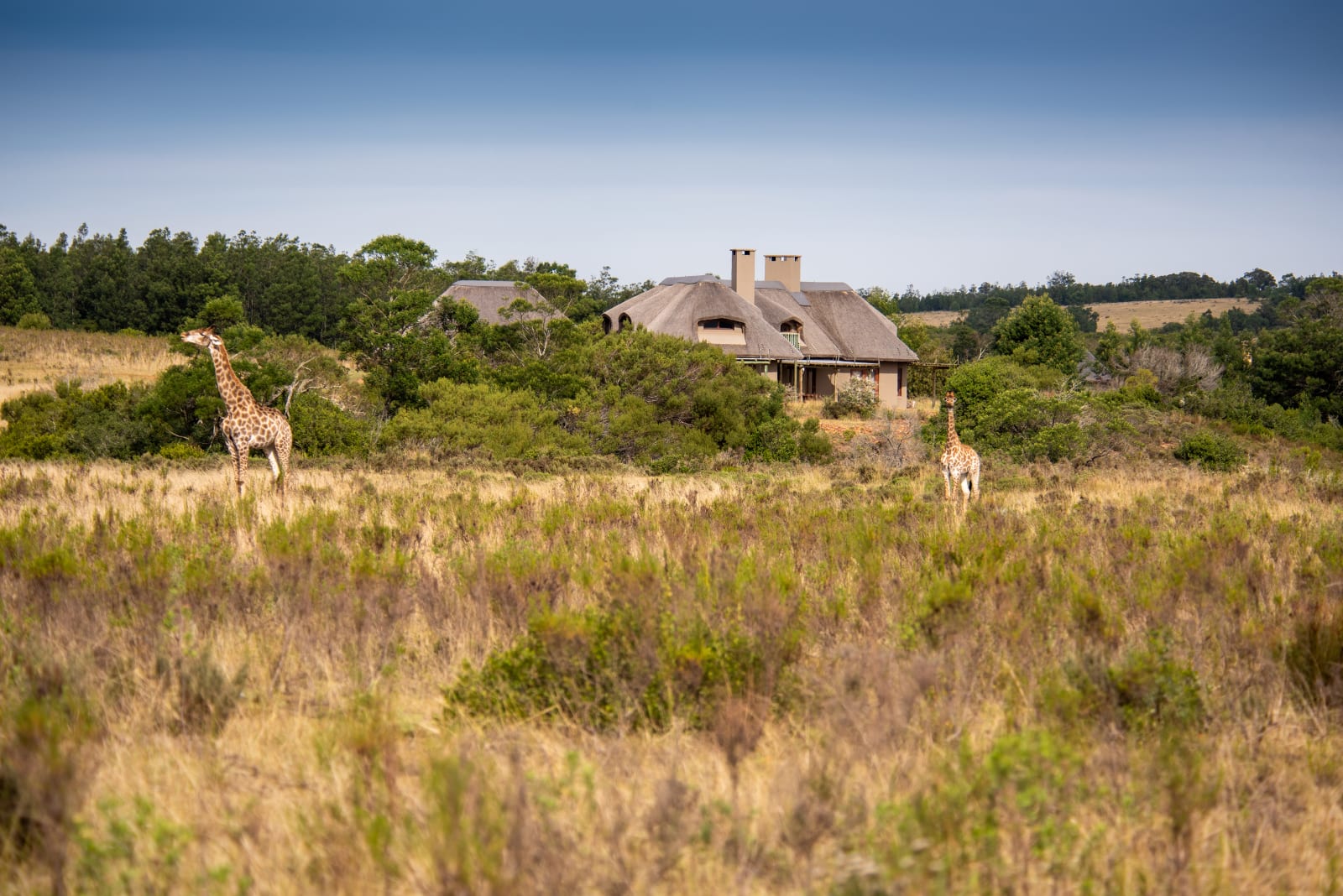
Kruger National Park
Limpopo · Best Apr to Sep
18 places

The secretarybird or secretary bird (Sagittarius serpentarius) is a large, mostly terrestrial bird of prey.
Recorded year-round
Recorded in every month, so no month is the wrong month to look. We would rather say that than invent a best time.
Curve from 1,996 national iNaturalist observations, not from one property. Single-month spikes are discarded as upload artefacts, and below 50 records we show no curve at all.
Eastern Cape and beyond
Provinces where Secretarybird is most recorded. Tap one to find places to stay.
1,993 records, iNaturalist
Across South Africa

Drakensberg, Bergville
Reliably seen · Birder friendly · Grassland biome · Bushbuck · Common eland
Gives back to Royal Drakensberg Education Trust and 1 other
From R 6,800 a night

Kruger National Park
Reliably seen · Birder friendly · Savanna biome · Makalani palm · Ana tree
Gives back to BirdLife South Africa
From R 17,120 a night

Riebeek Valley, Riebeek West
Reliably seen · Birder friendly · Fynbos biome · Black wildebeest · Bontebok
Gives back to BirdLife South Africa
From R 5,636 a night

Kruger National Park
Reliably seen · Birder friendly · Savanna biome · Makalani palm · Ana tree
Gives back to BirdLife South Africa
From R 11,820 a night

Kruger National Park
Reliably seen · Birder friendly · Savanna biome · Makalani palm · Ana tree
Gives back to BirdLife South Africa
From R 8,380 a night

Hluhluwe-Imfolozi Park
Secretarybird recorded here · Savanna biome · African wild dog · Spotted hyena
Gives back to Isibindi Foundation
Price on request

Kruger National Park
Reliably seen · Birder friendly · Savanna biome · Leopard · Spotted hyena
Gives back to BirdLife South Africa
From R 11,820 a night

Oudtshoorn
Reliably seen · Birder friendly · Fynbos biome · Gemsbok · Greater kudu
Gives back to Wolwekraal Nature Reserve
From R 5,060 a night
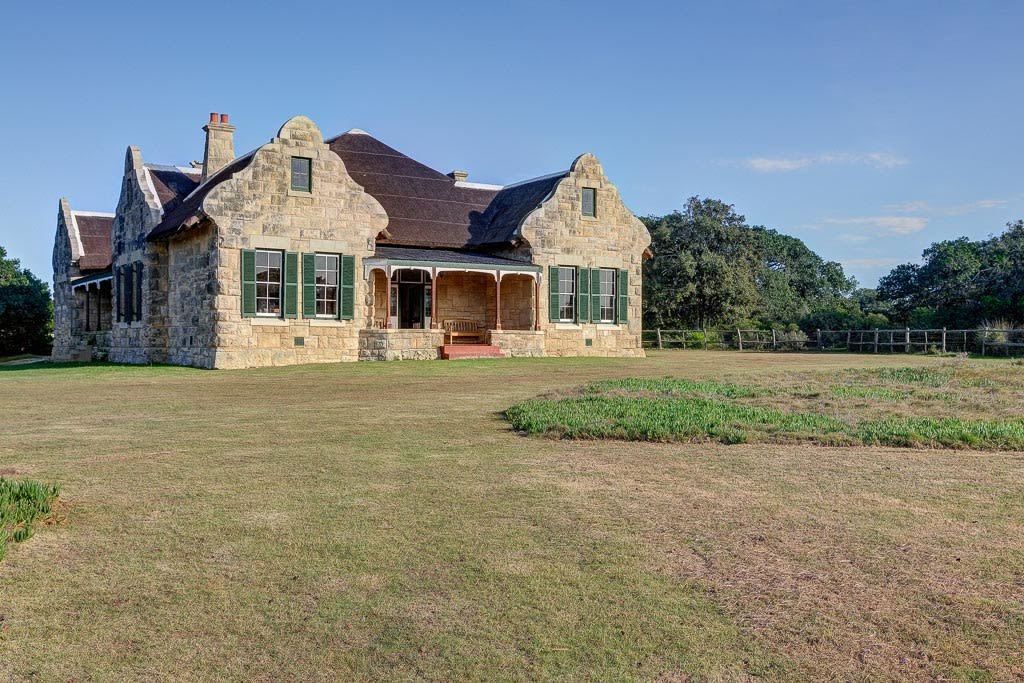
De Hoop Nature Reserve
Reliably seen · Birder friendly · Fynbos biome · Bontebok · Southern right whale
Price on request

Wakkerstroom
Reliably seen · Birder friendly · Grassland biome
Gives back to BirdLife South Africa
From R 1,500 a night

Kruger National Park
Secretarybird recorded here · Savanna biome · Leopard · Lion
From R 10,670 a night
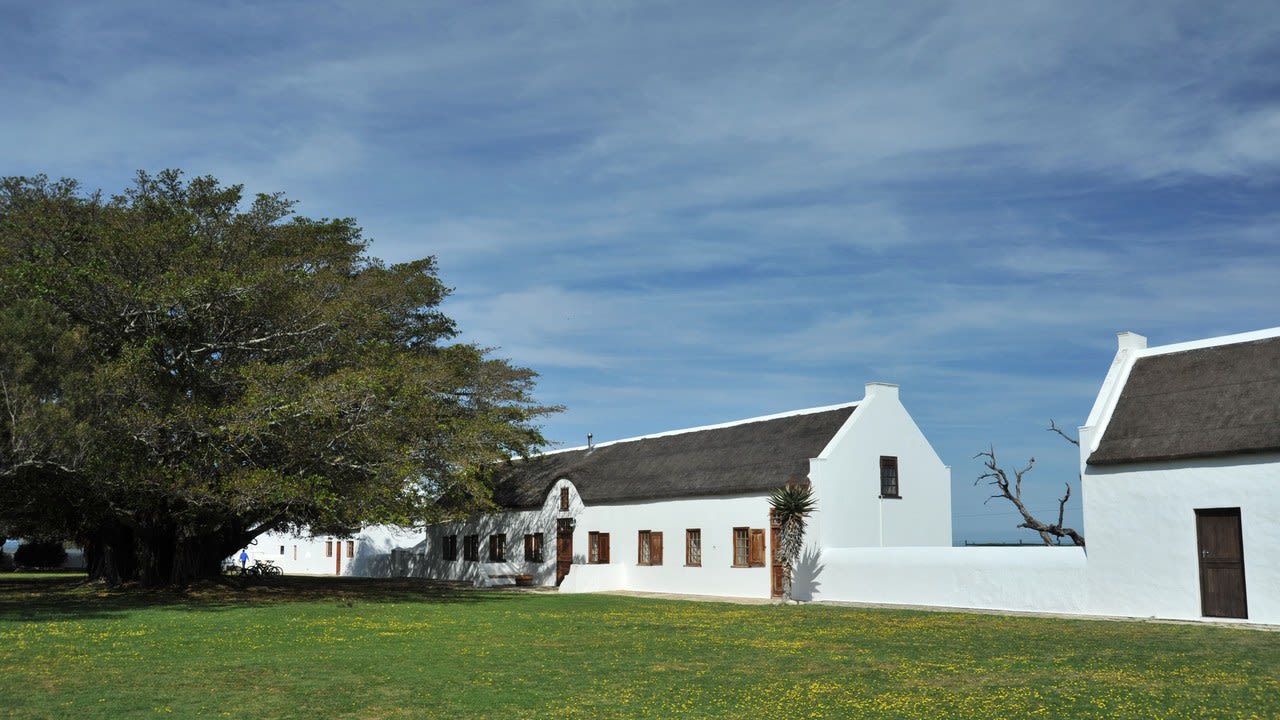
De Hoop Nature Reserve
Reliably seen · Birder friendly · Fynbos biome · Bontebok · Southern right whale
Price on request

Kruger National Park
Secretarybird recorded here · Savanna biome · Leopard · Lion
Gives back to Endangered Wildlife Trust
From R 17,400 a night

Kruger National Park
Secretarybird recorded here · Savanna biome · Impala · Spotted hyena
Gives back to Endangered Wildlife Trust
From R 11,980 a night

Kruger National Park
Secretarybird recorded here · Savanna biome · Lion · Leopard
Price on request

Kruger National Park
Secretarybird recorded here · Savanna biome · Leopard · Lion
Gives back to Endangered Wildlife Trust
From R 17,500 a night

Amakhala Game Reserve
Secretarybird recorded here · Albany Thicket biome · Lion · Spekboom
Gives back to Endangered Wildlife Trust
From R 4,000 a night

Kruger National Park
Secretarybird recorded here · Savanna biome · Lion · Leopard
Price on request

Wakkerstroom
Reliably seen · Birder friendly · Grassland biome
Gives back to BirdLife South Africa
From R 2,550 a night

Marloth Nature Reserve
Secretarybird recorded here · Fynbos biome
From R 1,180 a night

Kwandwe Private Game Reserve
Secretarybird recorded here · Albany Thicket biome · Lion · Leopard
Price on request

Aberdeen
Reliably seen · Birder friendly · Nama-Karoo biome
Gives back to BirdLife South Africa
From R 1,200 a night

Montagu
Reliably seen · Birder friendly · Succulent Karoo biome · Black backed jackal · Honey badger
Gives back to BirdLife South Africa
From R 350 a night

Kwandwe Private Game Reserve
Secretarybird recorded here · Albany Thicket biome · Lion · Leopard
Price on request

Next stop
Rolling green hills, dairy farms, and pottery studios
See places that give backPlanning a trip
Hosts have recorded the Secretarybird at stays in or beside Kruger National Park, Kgalagadi Transfrontier Park and Kwandwe Private Game Reserve.
Kruger · Welgevonden
Kwandwe · Amakhala · Addo Elephant
De Hoop · Grootvadersbosch · Gondwana

Kgalagadi
Drive yourself
Your own vehicle and pace, on the park's roads.
Where hosts record it
Guided drives from a lodge
A guide who knows where to look, with off-road and night drives in the private reserves.
Where hosts record it
IUCN Red List
Endangered
Species
Sagittarius serpentarius
Records
1,993
iNaturalist observations
Every booking on Spekboom supports conservation.
A record means a host has seen the Secretarybird on the property or nearby. It is never a guarantee of a sighting.
Hosts on Spekboom have recorded the Secretarybird at stays in or beside Kruger National Park, Kgalagadi Transfrontier Park, Kwandwe Private Game Reserve, De Hoop Nature Reserve, Grootvadersbosch Nature Reserve and Amakhala Game Reserve and other reserves. A record means a host has seen it on the property or nearby, which makes these the places to base yourself; it is never a guarantee of a sighting on any given day.
The Secretarybird is most recorded in Eastern Cape (18% of records), Mpumalanga (17% of records), KwaZulu-Natal (16% of records), based on 1,993 iNaturalist observations. 63 places to stay on Spekboom in South Africa have recorded the Secretarybird on site or nearby.
The Secretarybird is recorded throughout the year, so no month is the wrong month to look for it. For the parks where hosts record it most, these are the best seasons they give. Kruger National Park: Apr-Sep; Kgalagadi Transfrontier Park: Aug-Oct, flowers, Mar-May; Kwandwe Private Game Reserve: year-round, best Mar-May, Sep-Nov; De Hoop Nature Reserve: Sep-Apr, flowers Aug-Oct. In the dry months animals concentrate at water and the grass is short.
The Secretarybird (Sagittarius serpentarius) is listed as Endangered on the IUCN Red List.
The secretarybird or secretary bird (Sagittarius serpentarius) is a large, mostly terrestrial bird of prey. Endemic to Africa, it is usually found in the open grasslands and savanna of the sub-Saharan region. John Frederick Miller described the species in 1779.