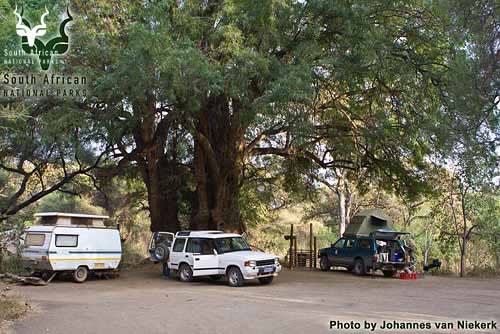
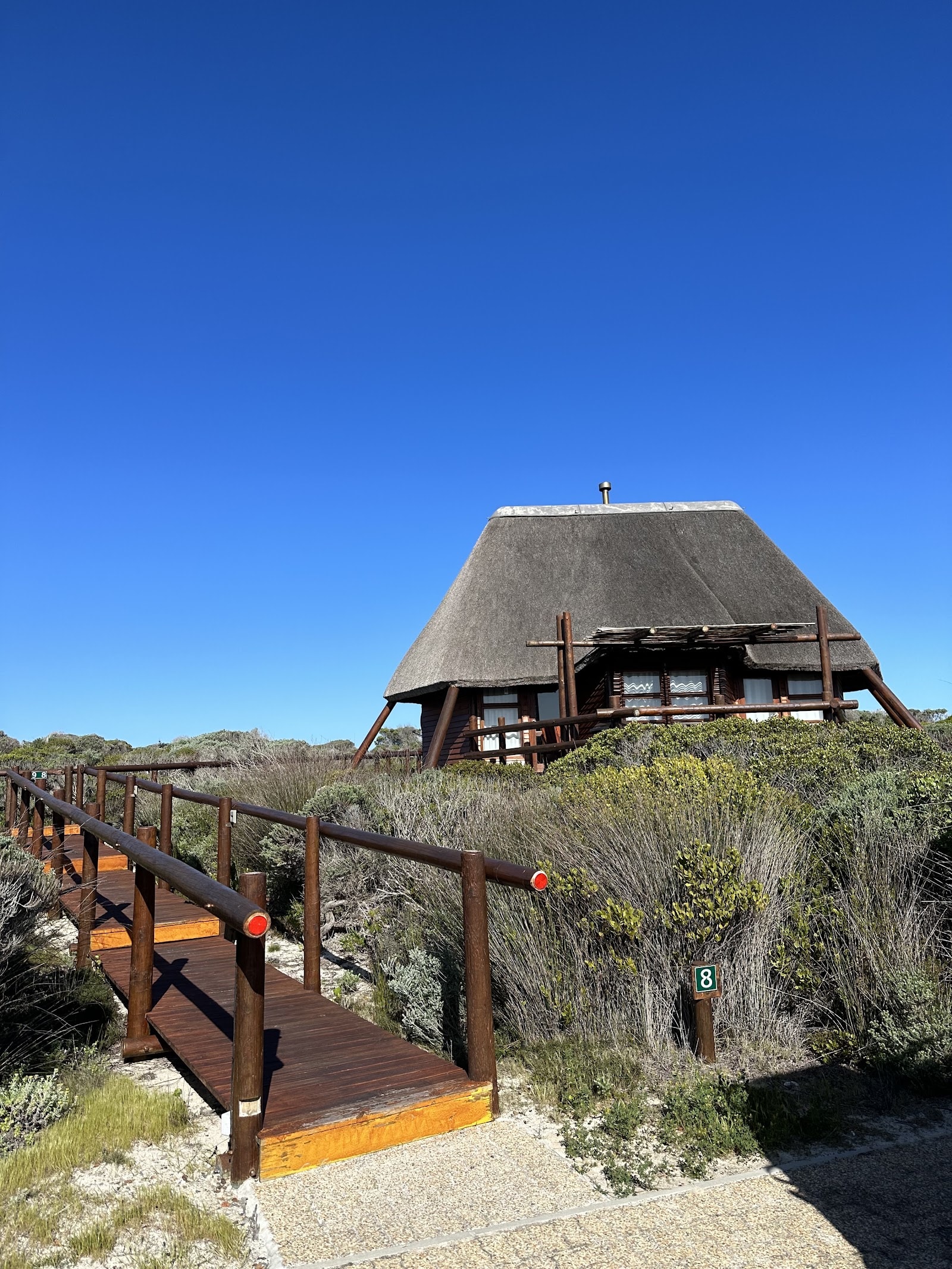
Kruger National Park
Limpopo · Best Apr to Sep
41 places

The lesser flamingo (Phoeniconaias minor) is a species of flamingo occurring in sub-Saharan Africa with another population in India.
Recorded year-round
Recorded in every month, so no month is the wrong month to look. We would rather say that than invent a best time.
Curve from 1,087 national iNaturalist observations, not from one property. Single-month spikes are discarded as upload artefacts, and below 50 records we show no curve at all.
Western Cape and beyond
Provinces where Lesser Flamingo is most recorded. Tap one to find places to stay.
1,087 records, iNaturalist
Across South Africa

Kruger National Park

Reliably seen · Birder friendly
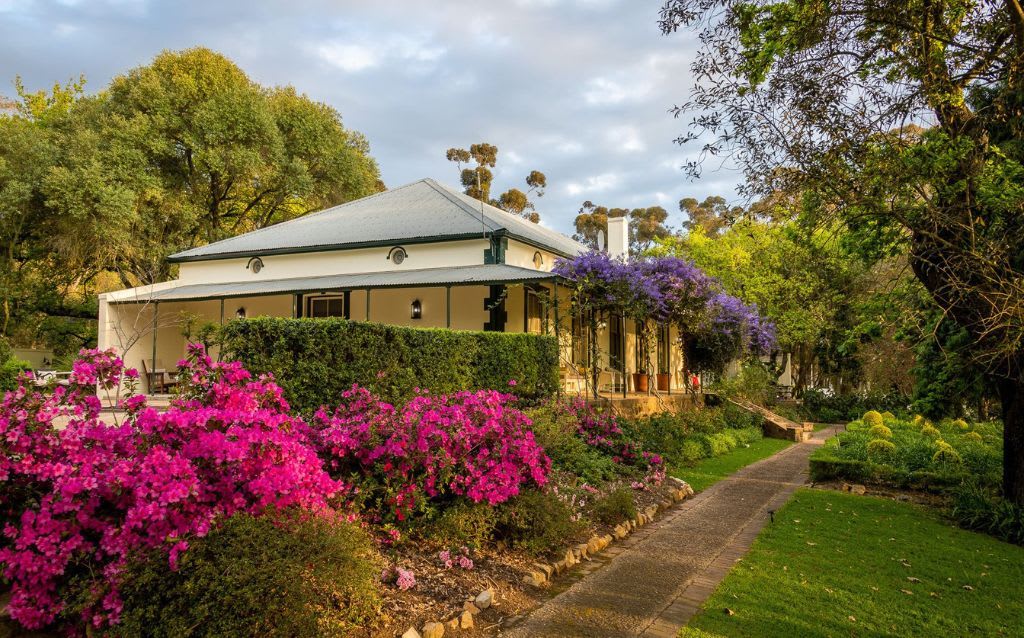
Riebeek Valley, Riebeek West
Reliably seen · Birder friendly

Wakkerstroom
Reliably seen · Birder friendly

Kruger National Park
Reliably seen · Birder friendly

Kruger National Park
Reliably seen · Birder friendly

Kruger National Park

Lesser Flamingo recorded here

Kruger National Park
Reliably seen · Birder friendly

Kruger National Park
Lesser Flamingo recorded here

Kruger National Park
Lesser Flamingo recorded here

Kruger National Park

Lesser Flamingo recorded here

Kruger National Park
Lesser Flamingo recorded here

Kruger National Park
Lesser Flamingo recorded here

Kruger National Park
Lesser Flamingo recorded here
Kruger National Park
Lesser Flamingo recorded here

Kruger National Park
Lesser Flamingo recorded here

Wakkerstroom
Reliably seen · Birder friendly

Delareyville
Reliably seen · Birder friendly

De Hoop Nature Reserve
Reliably seen · Birder friendly

Bronkhorstspruit

Reliably seen · Birder friendly

Rocherpan Nature Reserve
Lesser Flamingo recorded here
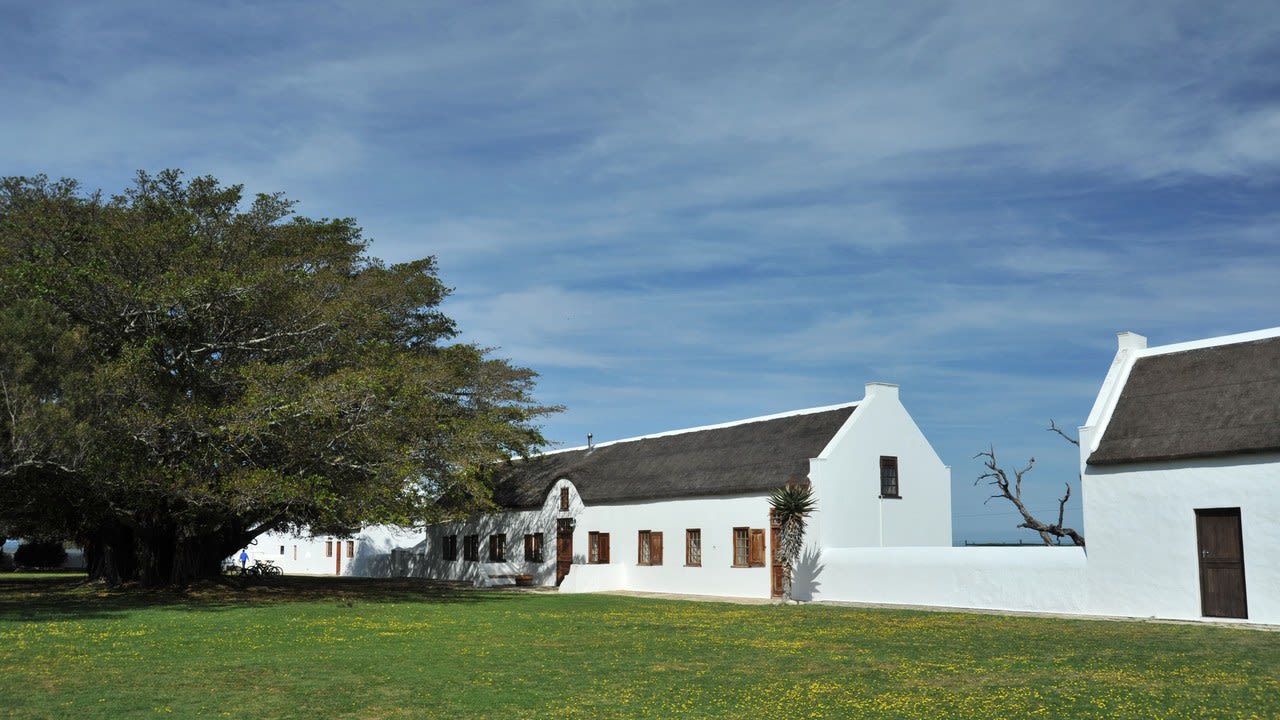
De Hoop Nature Reserve
Reliably seen · Birder friendly

Rocherpan Nature Reserve
Lesser Flamingo recorded here

Rocherpan Nature Reserve
Lesser Flamingo recorded here

Kruger National Park
Lesser Flamingo recorded here

Next stop
Sandstone amphitheatres and cool mountain air
See places that give backPlanning a trip
Hosts have recorded the Lesser Flamingo at stays in or beside Kruger National Park, Kgalagadi Transfrontier Park and Addo Elephant National Park.
Kruger · Mapungubwe

Kgalagadi · Ai-Ais/Richtersveld
Rocherpan · De Hoop · Agulhas

Addo Elephant · Tsitsikamma · Camdeboo
Drive yourself
Your own vehicle and pace, on the park's roads.
Where hosts record it
IUCN Red List
Near Threatened
Species
Phoeniconaias minor
Records
1,087
iNaturalist observations
Every booking on Spekboom supports conservation.
A record means a host has seen the Lesser Flamingo on the property or nearby. It is never a guarantee of a sighting.
Hosts on Spekboom have recorded the Lesser Flamingo at stays in or beside Kruger National Park, Kgalagadi Transfrontier Park, Addo Elephant National Park, Rocherpan Nature Reserve, De Hoop Nature Reserve and Ai-Ais/Richtersveld Transfrontier Park and other reserves. A record means a host has seen it on the property or nearby, which makes these the places to base yourself; it is never a guarantee of a sighting on any given day.
The Lesser Flamingo is most recorded in Western Cape (69% of records), Gauteng (15% of records), based on 1,087 iNaturalist observations. 89 places to stay on Spekboom in South Africa have recorded the Lesser Flamingo on site or nearby.
The Lesser Flamingo is recorded throughout the year, so no month is the wrong month to look for it. For the parks where hosts record it most, these are the best seasons they give. Kruger National Park: Apr-Sep; Kgalagadi Transfrontier Park: Aug-Oct, flowers, Mar-May; Addo Elephant National Park: year-round, best Mar-May, Sep-Nov; Rocherpan Nature Reserve: Winter and spring for birds and flowers, Jun-Oct. In the dry months animals concentrate at water and the grass is short.
The Lesser Flamingo (Phoeniconaias minor) is listed as Near Threatened on the IUCN Red List.
The lesser flamingo (Phoeniconaias minor) is a species of flamingo occurring in sub-Saharan Africa with another population in India. Birds are occasionally reported from further north, but these are generally considered vagrants. Until 2014, it was classified in genus Phoenicopterus but is now classified as the only species in the genus Phoeniconaias, the only monotypic genus of flamingo.