Marine life
The leatherback sea turtle (Dermochelys coriacea), sometimes called the lute turtle or leathery turtle or simply the luth, is the largest of all living turtles and is the fourth-heaviest modern reptile behind three crocodilians.
KwaZulu-Natal and beyond
Provinces where Leatherback Turtle is most recorded. Tap one to find places to stay.
18 records, iNaturalist
2 results in South Africa
Planning a trip
The leatherback is the largest turtle alive, up to two metres long and often over half a tonne, with a ridged, leathery shell instead of hard plates.
IUCN Red List
Vulnerable
Species
Dermochelys coriacea
Records
18
iNaturalist observations
Every booking on Spekboom supports conservation.
A record means a host has seen the Leatherback Turtle on the property or nearby. It is never a guarantee of a sighting.
The leatherback is the largest turtle alive, up to two metres long and often over half a tonne, with a ridged, leathery shell instead of hard plates. A few dozen females return each summer to nest on the beaches of the iSimangaliso Wetland Park in northern KwaZulu-Natal, the southernmost leatherback nesting site in the world, on the same coast as the far more numerous loggerheads.
Nesting runs from about November to February, with hatchlings from late December into March. Leatherbacks are roughly one in ten of the turtles nesting here, so most turtle-tracking nights find loggerheads, and a leatherback coming ashore is the night guides talk about for the rest of the season. Only licensed operators may take guests onto these beaches after dark.
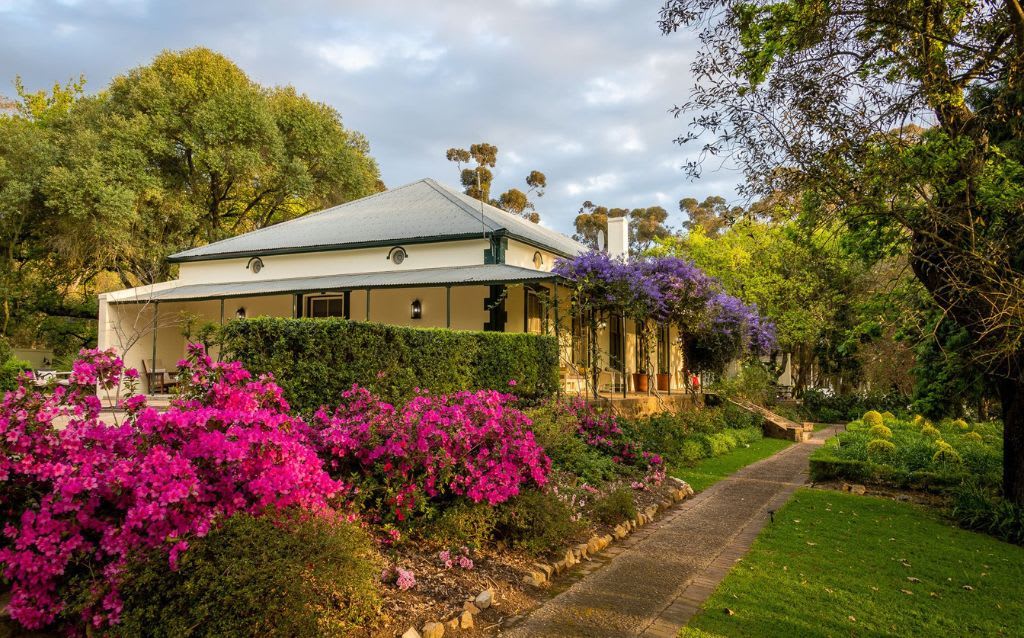
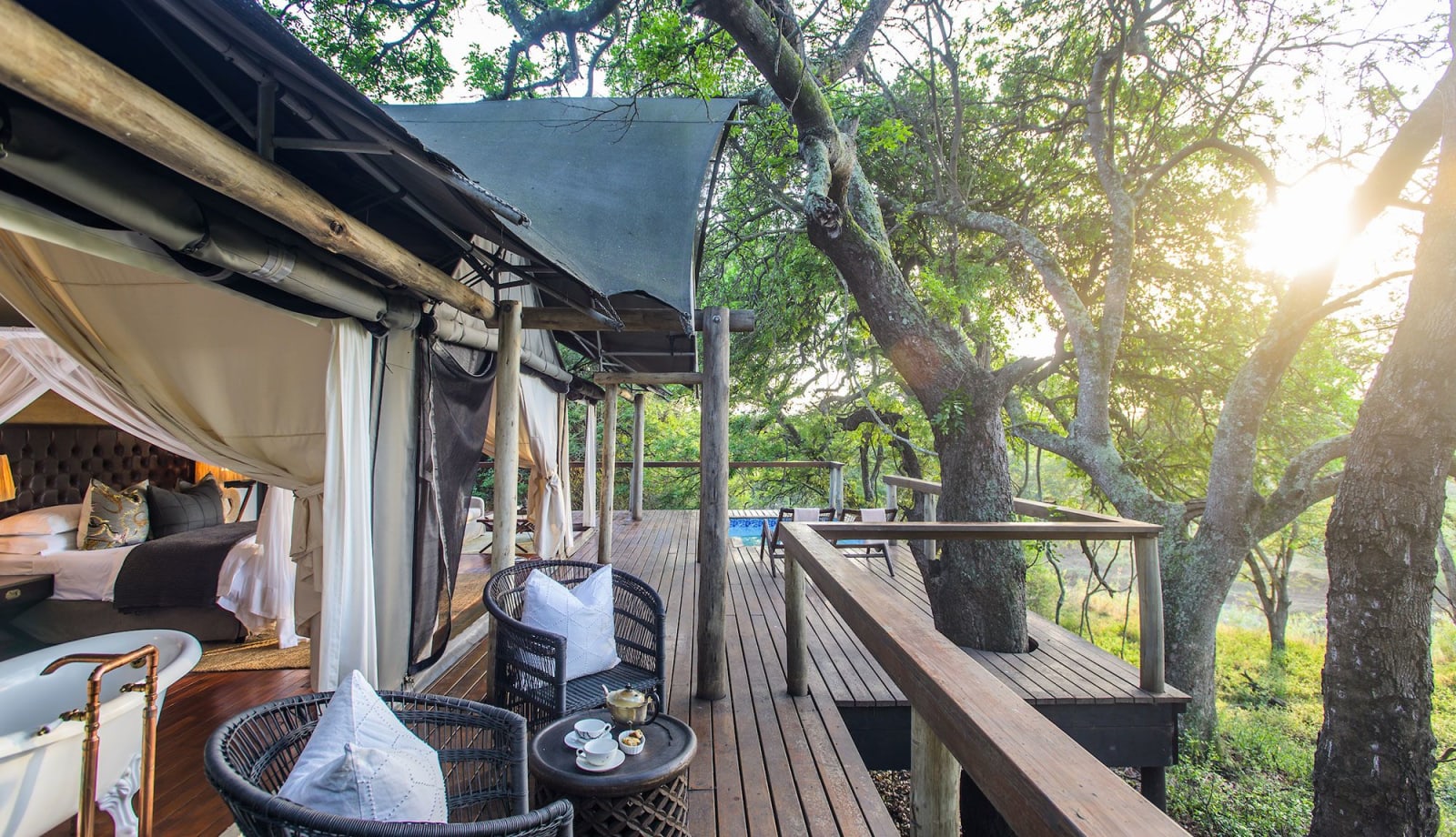
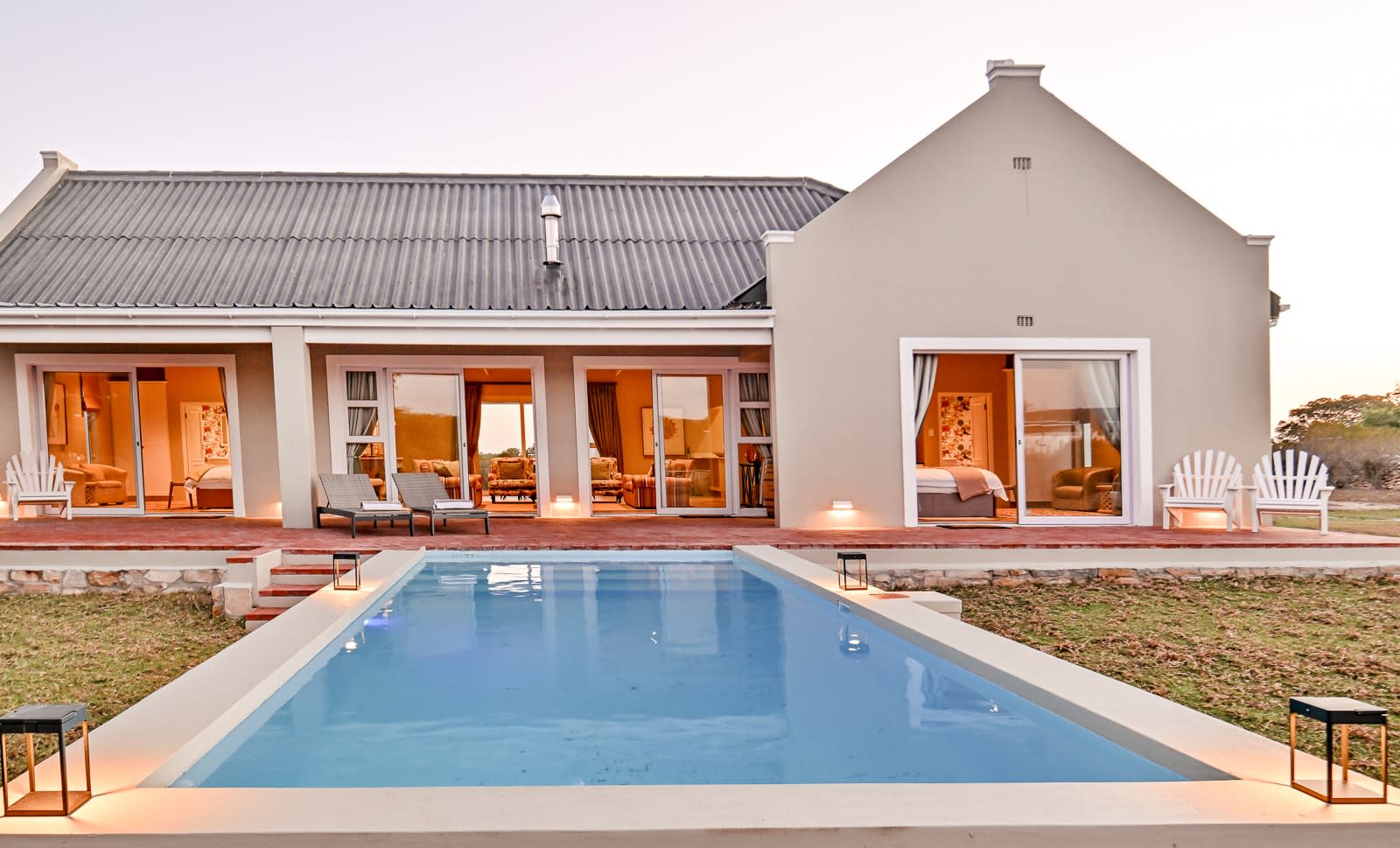
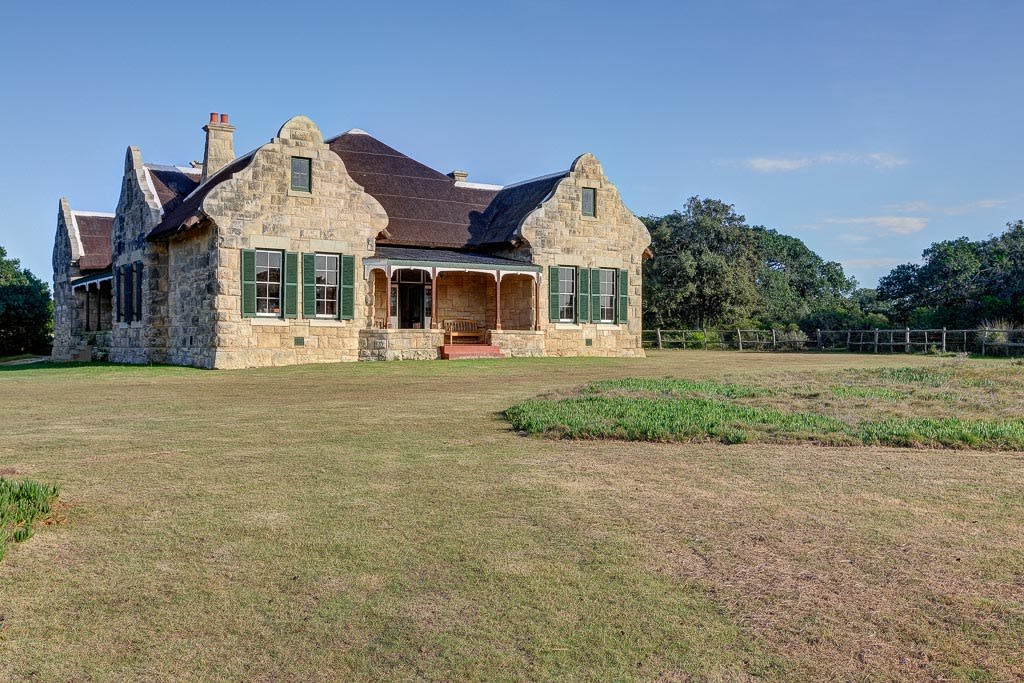
The stays on this page sit on the Maputaland coast between Kosi Bay and Mabibi, and their hosts book the tracking walks in season. A leatherback is never guaranteed, and that is part of what makes one unforgettable.
November to February, when the females come ashore to nest at night. Hatchlings emerge from late December into March. Leatherbacks are far fewer than loggerheads, so a sighting is a bonus, never a promise.
Only on the iSimangaliso coast of northern KwaZulu-Natal, between Kosi Bay and Sodwana Bay. It is the southernmost leatherback nesting beach in the world.
A leatherback is much larger, up to two metres long, with a dark, soft, ridged shell instead of the hard reddish-brown plates of a loggerhead. It dives deeper, feeds mainly on jellyfish and travels further than any other turtle.
The Leatherback Turtle (Dermochelys coriacea) is listed as Vulnerable on the IUCN Red List.
The leatherback sea turtle (Dermochelys coriacea), sometimes called the lute turtle or leathery turtle or simply the luth, is the largest of all living turtles and is the fourth-heaviest modern reptile behind three crocodilians. It is the only living species in the genus Dermochelys and family Dermochelyidae.