

iSimangaliso Wetland Park
KwaZulu-Natal · Year-round
2 Orte

Marine life
The leatherback sea turtle (Dermochelys coriacea), sometimes called the lute turtle or leathery turtle or simply the luth, is the largest of all living turtles and is the fourth-heaviest modern reptile behind three crocodilians.
KwaZulu-Natal and beyond
Provinces where Leatherback Turtle is most recorded. Tap one to find places to stay.
18 records, iNaturalist
In ganz Südafrika

Garden Route National Park
Leatherback Turtle hier erfasst

iSimangaliso Wetland Park

Leatherback Turtle hier erfasst
iSimangaliso Wetland Park
Leatherback Turtle hier erfasst

Voëlklip, Hermanus

Swellendam

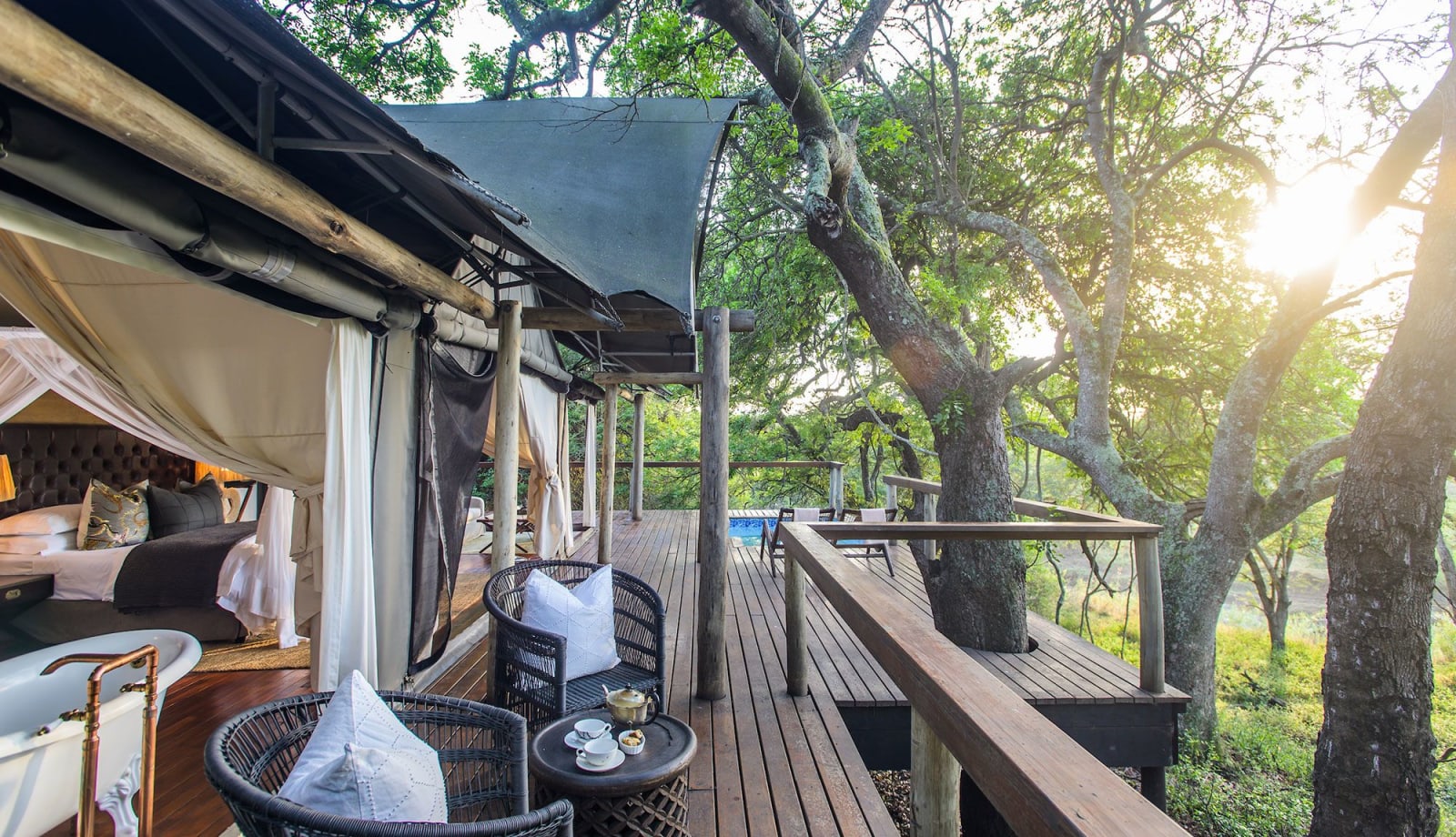
Hazyview

Riebeek Valley, Riebeek West


Gardens, Cape Town

Klapmuts, Simondium

Bakoven, Cape Town

Kruger National Park

Timbavati Private Nature Reserve

Kruger National Park

Kruger National Park

Hluhluwe-Imfolozi Park

Kruger National Park
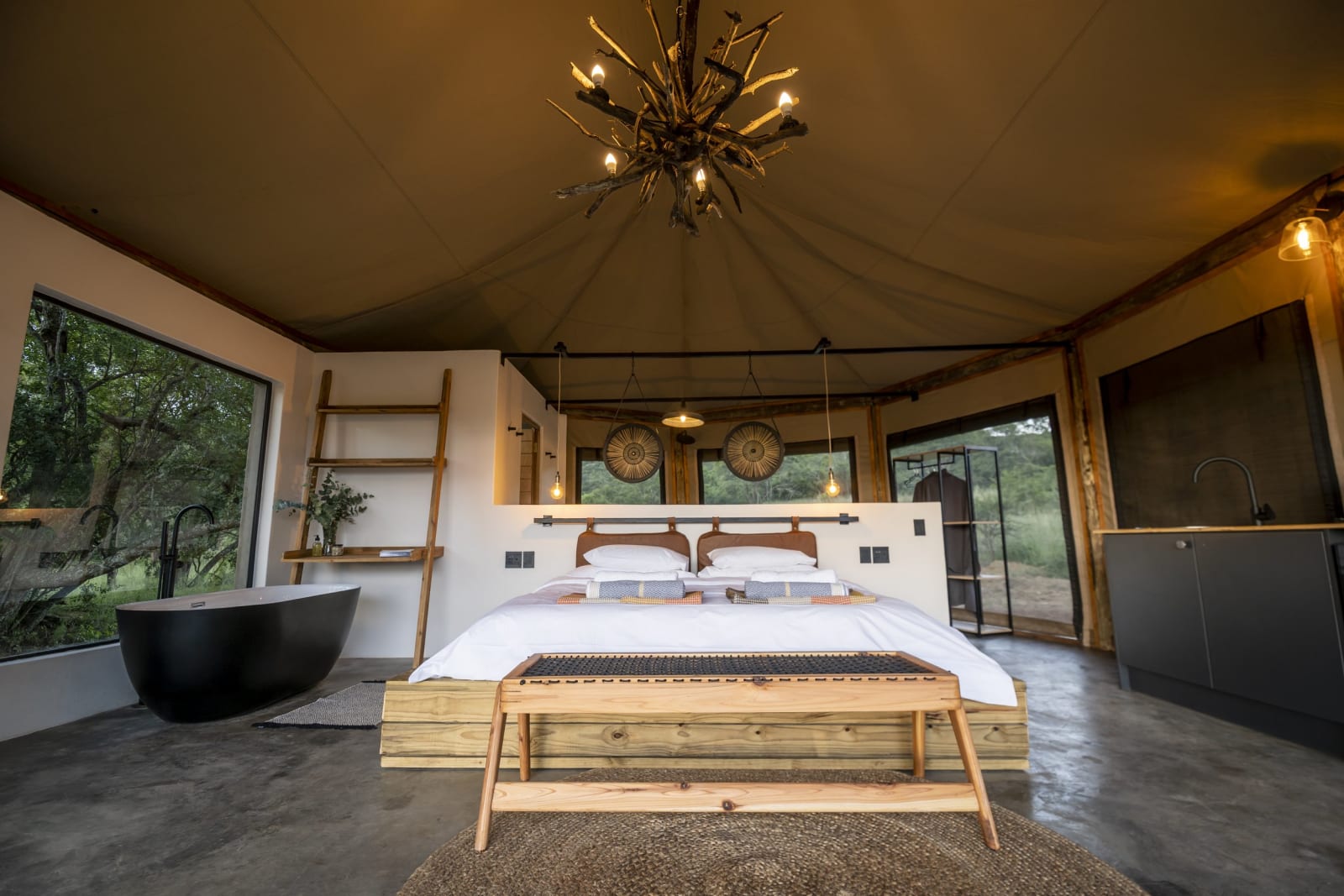
Bergville


Hoedspruit

Wittedrift, Plettenberg Bay


Franschhoek

Stanford

Stellenbosch

Stanford

The Crags, Plettenberg Bay

Nächster Halt
Sandstone amphitheatres and cool mountain air
Orte ansehen, die etwas zurückgebenEine Reise planen
Gastgeber haben die Art Leatherback Turtle in oder bei iSimangaliso Wetland Park and Garden Route National Park erfasst.
Rote Liste der IUCN
Vulnerable
Art
Dermochelys coriacea
Nachweise
18
iNaturalist-Beobachtungen
Jede Buchung auf Spekboom unterstützt den Naturschutz.
Ein Nachweis bedeutet, dass ein Gastgeber die Art Leatherback Turtle auf dem Grundstück oder in der Nähe gesehen hat. Eine Sichtung ist nie garantiert.
Hosts on Spekboom have recorded the Leatherback Turtle at stays in or beside iSimangaliso Wetland Park and Garden Route National Park. A record means a host has seen it on the property or nearby, which makes these the places to base yourself; it is never a guarantee of a sighting on any given day.
The Leatherback Turtle is most recorded in KwaZulu-Natal (78% of records), Western Cape (11% of records), Eastern Cape (11% of records), based on 18 iNaturalist observations. 3 places to stay on Spekboom in South Africa have recorded the Leatherback Turtle on site or nearby.
The Leatherback Turtle (Dermochelys coriacea) is listed as Vulnerable on the IUCN Red List.
The leatherback sea turtle (Dermochelys coriacea), sometimes called the lute turtle or leathery turtle or simply the luth, is the largest of all living turtles and is the fourth-heaviest modern reptile behind three crocodilians. It is the only living species in the genus Dermochelys and family Dermochelyidae.
