

Kgalagadi Transfrontier Park
Northern Cape · Best Aug to Oct
8 places

Trees & flora
Vachellia erioloba (camel thorn, giraffe thorn) is a tree of southern Africa in the family Fabaceae.
Most records Jul to Aug
When Camel Thorn sightings peak, from open records. Outside these months it is seen less often, not never.
Curve from 1,514 national iNaturalist observations, not from one property. Single-month spikes are discarded as upload artefacts, and below 50 records we show no curve at all.
Northern Cape and beyond
Provinces where Camel Thorn is most recorded. Tap one to find places to stay.
1,511 records, iNaturalist
Across South Africa

Kgalagadi Transfrontier Park
Camel Thorn recorded here

Kgalagadi Transfrontier Park
Camel Thorn recorded here

Kgalagadi Transfrontier Park
Camel Thorn recorded here

Kgalagadi Transfrontier Park
Camel Thorn recorded here

Marakele National Park
Camel Thorn recorded here

Mokala National Park
Camel Thorn recorded here
Kgalagadi Transfrontier Park
Camel Thorn recorded here
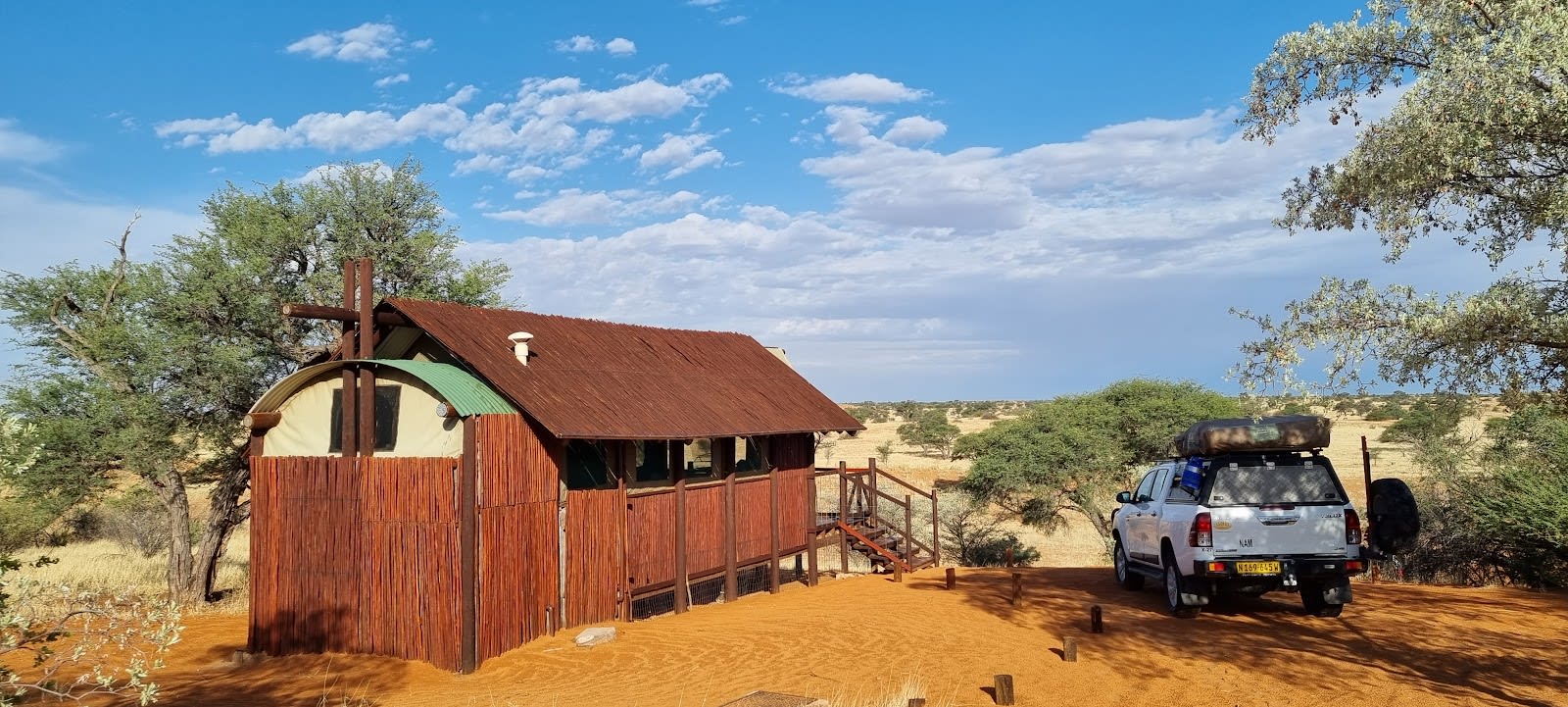
Kgalagadi Transfrontier Park
Camel Thorn recorded here
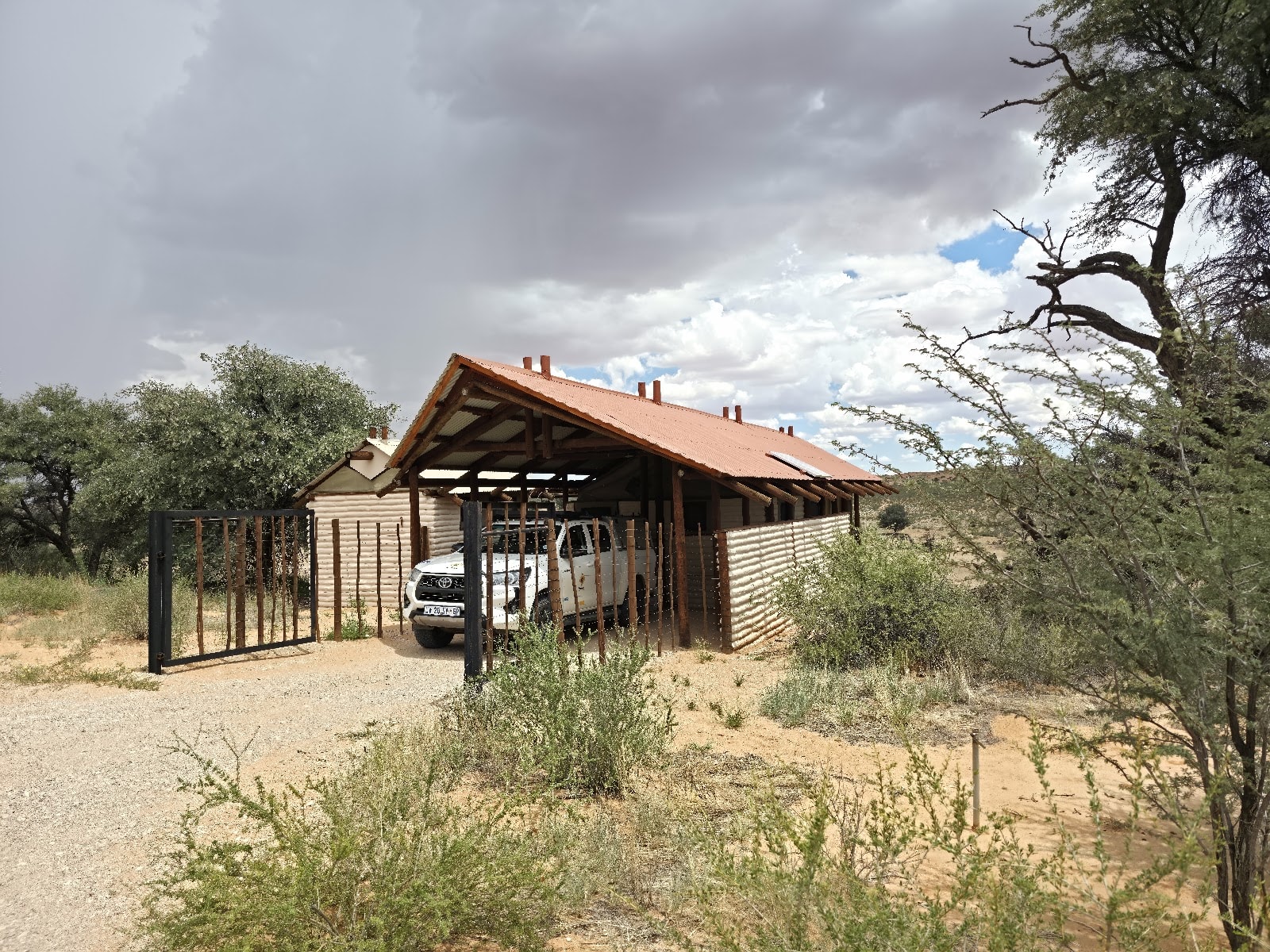
Kgalagadi Transfrontier Park
Camel Thorn recorded here

Kgalagadi Transfrontier Park
Camel Thorn recorded here

Benguela Cove, Hermanus


Oudtshoorn


Kruger National Park


Riebeek Valley, Riebeek West

Hazyview


Klapmuts, Simondium

Gardens, Cape Town

Bakoven, Cape Town

Timbavati Private Nature Reserve

Kruger National Park

Kruger National Park

Hluhluwe-Imfolozi Park


Kruger National Park

Swellendam

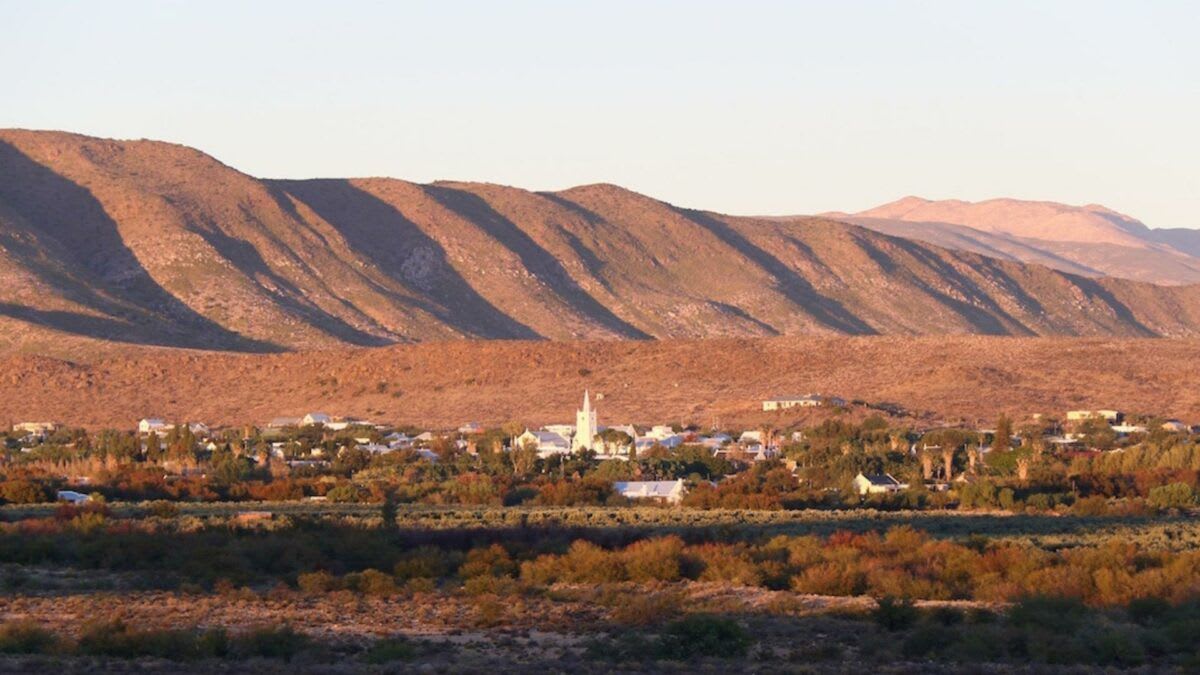
Next stop
South Africa's vast inland heart: silence, stars, and wide horizons
See places that give backPlanning a trip
The camel thorn is the tree of the Kalahari and the Namib: a wide, dark crown on red sand, often the only shade for kilometres, with sociable weaver nests the size of haystacks in its branches.
Nossob · Auob riverbeds
Camel thorns along the dry riverbeds, weaver nests in their crowns and lions in their shade.
Mokala National Park
The park named after the tree, an easy drive from Kimberley.
Living camel thorns in the dune valleys, and the dead ones of Deadvlei.
Species
Vachellia erioloba
Records
1,511
iNaturalist observations
Every booking on Spekboom supports conservation.
A record means a host has seen the Camel Thorn on the property or nearby. It is never a guarantee of a sighting.
The camel thorn is the tree of the Kalahari and the Namib: a wide, dark crown on red sand, often the only shade for kilometres, with sociable weaver nests the size of haystacks in its branches. Its roots go down further than almost any tree’s to reach water, and its grey, velvet pods feed the desert’s antelope through the dry season.
In South Africa it lines the dry riverbeds of the Kgalagadi, the Nossob and the Auob, and gives Mokala National Park near Kimberley its name, from the Setswana for the tree. In Namibia the most photographed camel thorns are dead ones: the black skeletons standing on the white clay of Deadvlei, near Sossusvlei, killed when the dunes cut off the river centuries ago and preserved by the dry air.
Deadvlei is a clay pan near Sossusvlei in Namibia’s Namib-Naukluft National Park. The trees are camel thorns that died when the dunes cut off their water centuries ago, and the dry air has kept them standing.
Along the dry Nossob and Auob riverbeds in the Kgalagadi Transfrontier Park, in Mokala National Park, which is named after the tree, and across the Kalahari of the Northern Cape.
Sightings of the Camel Thorn peak from Jul to Aug, based on 1,514 iNaturalist records. You may still see it outside those months, sightings are just less frequent.
Vachellia erioloba (camel thorn, giraffe thorn) is a tree of southern Africa in the family Fabaceae. Its preferred habitat is the deep dry sandy soils in parts of South Africa, Botswana, the western areas of Zimbabwe and Namibia. It is also native to Angola, south-west Mozambique, Zambia and Swaziland. The tree was first described by Ernst Heinrich Friedrich Meyer and Johann Franz Drège in 1836.
