
Kruger National Park
Limpopo · Best Apr to Sep
4 places

The golden-olive woodpecker (Colaptes rubiginosus) is a resident breeding bird from Mexico south and east to Guyana, northwest Argentina, Trinidad and Tobago.
Across Limpopo

Haenertsburg
Reliably seen · Birder friendly · Grassland biome · Bushbuck
Gives back to BirdLife South Africa
From R 1,500 a night

Kruger National Park
Reliably seen · Birder friendly · Savanna biome · Makalani palm · Ana tree
Gives back to BirdLife South Africa
From R 17,120 a night

Haenertsburg
Reliably seen · Birder friendly · Grassland biome · Bushbuck
Gives back to DAKTARI Bush School
From R 1,500 a night
Kruger National Park
Reliably seen · Birder friendly · Savanna biome · Makalani palm · Ana tree
Gives back to BirdLife South Africa
From R 11,820 a night

Kruger National Park
Reliably seen · Birder friendly · Savanna biome · Makalani palm · Ana tree
Gives back to BirdLife South Africa
From R 8,380 a night

Kruger National Park
Reliably seen · Birder friendly · Savanna biome · Leopard · Spotted hyena
Gives back to BirdLife South Africa
From R 11,820 a night

Louis Trichardt
Reliably seen · Birder friendly · Savanna biome
Gives back to BirdLife South Africa
From R 650 a night

Magoebaskloof
Birder friendly · Forest biome
Gives back to BirdLife South Africa
From R 1,512 a night

Timbavati Private Nature Reserve
Savanna biome · Lion · Leopard
Price on request

Hoedspruit
Savanna biome · Giraffe · Cheetah
Gives back to DAKTARI Bush School
From R 1,100 a night

Welgevonden Game Reserve
Savanna biome · Giraffe · African elephant
Gives back to DAKTARI Bush School and 1 other
Price on request

Magoebaskloof
Savanna biome
Gives back to DAKTARI Bush School
From R 2,000 a night
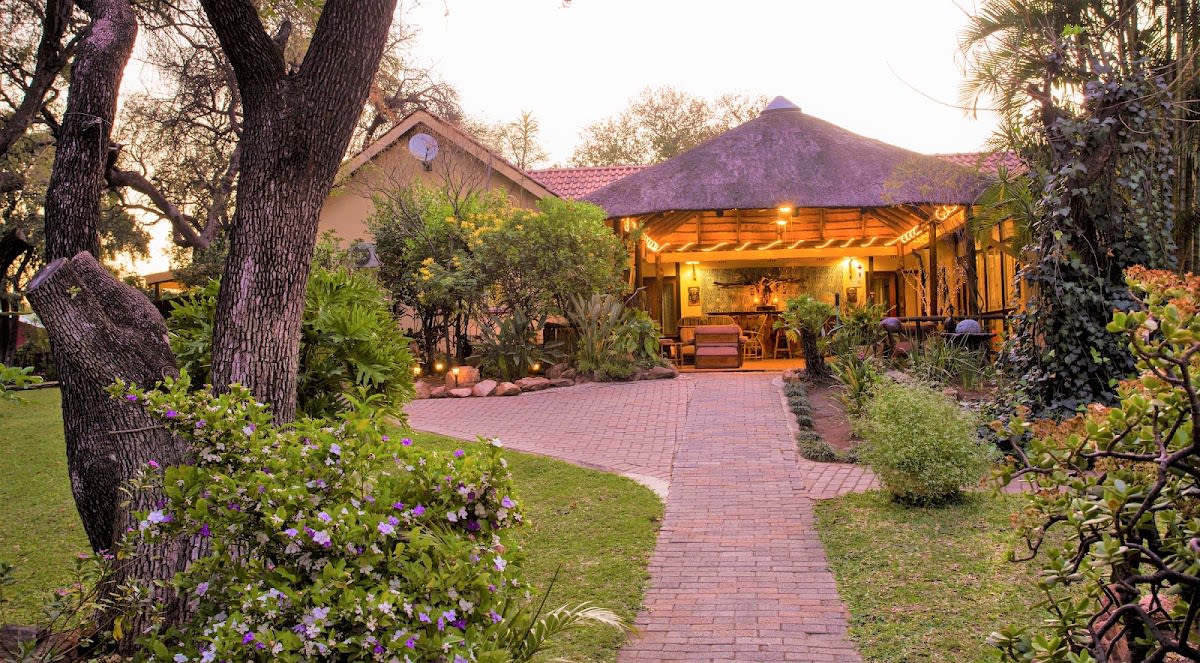
Phalaborwa
Birder friendly · Savanna biome
Gives back to DAKTARI Bush School
From R 1,500 a night

Marakele National Park
Savanna biome · Lion · Leopard
Price on request

Hoedspruit
Birder friendly · Savanna biome · Ana tree
Gives back to BirdLife South Africa
From R 4,000 a night
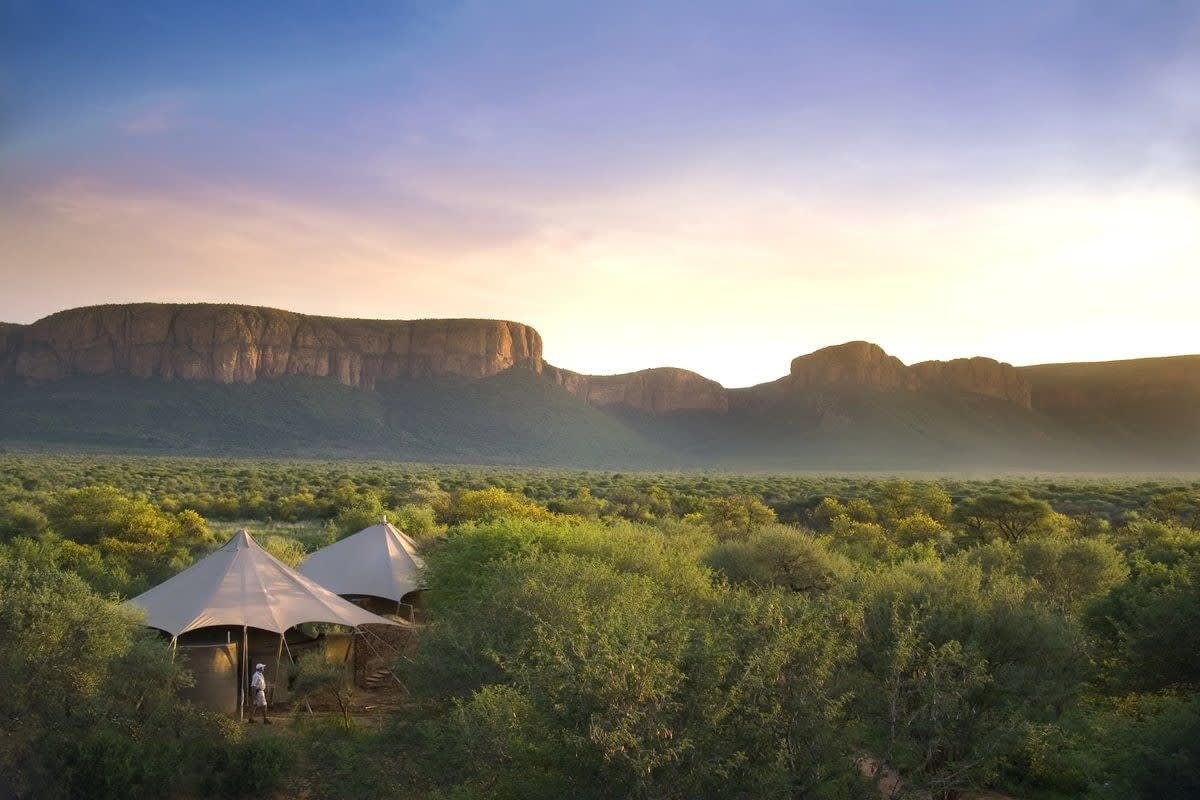
Marakele National Park
Savanna biome · Lion · Leopard
Price on request

Hoedspruit
Savanna biome
Gives back to DAKTARI Bush School
From R 6,400 a night

Hoedspruit
Savanna biome · Ana tree
Gives back to DAKTARI Bush School
From R 3,278 a night

Thornybush Game Reserve
Savanna biome · Lion · Leopard
Price on request

Kruger National Park
Savanna biome · Flaky bark thorn · Leadwood
From R 379 a night

Kruger National Park
Savanna biome · Blue wildebeest · Cheetah
From R 331 a night

Thornybush Game Reserve
Savanna biome · Lion · Leopard
Price on request

Kruger National Park
Savanna biome · Knobthorn · Leadwood
From R 1,445 a night

Kruger National Park
Savanna biome · Delagoa thorn · Knobthorn
From R 390 a night

Next stop
iSimangaliso wetlands, sand forest, and Sodwana reefs
See places that give backPlanning a trip
Hosts have recorded the Olive Woodpecker at stays in or beside Kruger National Park.
Drive yourself
Your own vehicle and pace, on the park's roads.
Where hosts record it
Species
Colaptes rubiginosus
Every booking on Spekboom supports conservation.
A record means a host has seen the Olive Woodpecker on the property or nearby. It is never a guarantee of a sighting.
Hosts on Spekboom have recorded the Olive Woodpecker at stays in or beside Kruger National Park. A record means a host has seen it on the property or nearby, which makes these the places to base yourself; it is never a guarantee of a sighting on any given day.
The golden-olive woodpecker (Colaptes rubiginosus) is a resident breeding bird from Mexico south and east to Guyana, northwest Argentina, Trinidad and Tobago. It was formerly placed in the genus Piculus. The scientific name rubiginosus means "full of rust", describing the color of the bird's wings and back.


