

Kgalagadi Transfrontier Park
Northern Cape · Best Aug to Oct
9 places

The rosy-faced lovebird (Agapornis roseicollis), also known as the rosy-collared or peach-faced lovebird, is a species of lovebird native to arid regions in southwestern Africa such as the Namib Desert.
Recorded year-round
Recorded in every month, so no month is the wrong month to look. We would rather say that than invent a best time.
Curve from 158 national iNaturalist observations, not from one property. Single-month spikes are discarded as upload artefacts, and below 50 records we show no curve at all.
Gauteng and beyond
Provinces where Rosy-faced Lovebird is most recorded. Tap one to find places to stay.
158 records, iNaturalist
Across South Africa

Kgalagadi Transfrontier Park
Rosy-faced Lovebird recorded here

Ai-Ais/Richtersveld Transfrontier Park
Rosy-faced Lovebird recorded here

Kgalagadi Transfrontier Park
Rosy-faced Lovebird recorded here

Kgalagadi Transfrontier Park
Rosy-faced Lovebird recorded here

Kgalagadi Transfrontier Park
Rosy-faced Lovebird recorded here

Ai-Ais/Richtersveld Transfrontier Park
Rosy-faced Lovebird recorded here
Kgalagadi Transfrontier Park
Rosy-faced Lovebird recorded here
Kgalagadi Transfrontier Park
Rosy-faced Lovebird recorded here
Kgalagadi Transfrontier Park
Rosy-faced Lovebird recorded here

Augrabies Falls National Park
Rosy-faced Lovebird recorded here
Kgalagadi Transfrontier Park
Rosy-faced Lovebird recorded here

Kgalagadi Transfrontier Park
Rosy-faced Lovebird recorded here
Ai-Ais/Richtersveld Transfrontier Park
Rosy-faced Lovebird recorded here

Benguela Cove, Hermanus

Birder friendly

Bergville


Kruger National Park

Birder friendly

Riebeek Valley, Riebeek West
Birder friendly

Hazyview


Klapmuts, Simondium

Gardens, Cape Town

Bakoven, Cape Town

Timbavati Private Nature Reserve

Kruger National Park
Birder friendly

Kruger National Park
Birder friendly
Next stop
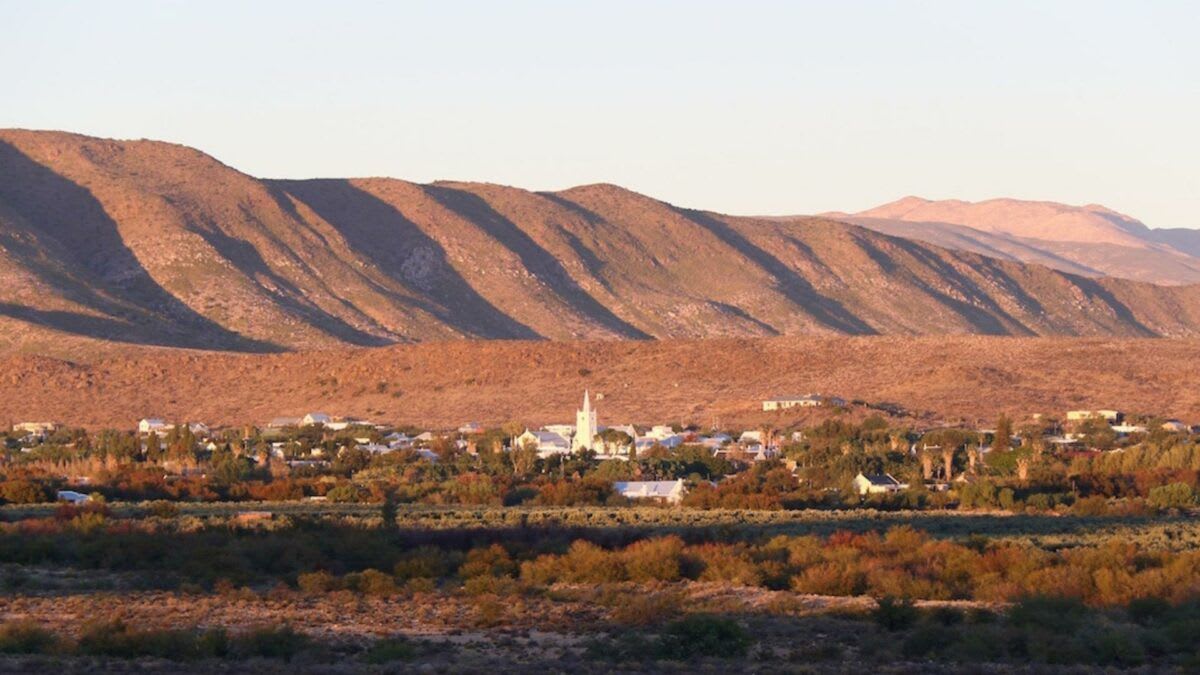
South Africa's vast inland heart: silence, stars, and wide horizons
See places that give backPlanning a trip
Hosts have recorded the Rosy-faced Lovebird at stays in or beside Kgalagadi Transfrontier Park, Ai-Ais/Richtersveld Transfrontier Park and Augrabies Falls National Park.
Drive yourself
Your own vehicle and pace, on the park's roads.
Where hosts record it
IUCN Red List
Least Concern
Species
Agapornis roseicollis
Records
158
iNaturalist observations
Every booking on Spekboom supports conservation.
A record means a host has seen the Rosy-faced Lovebird on the property or nearby. It is never a guarantee of a sighting.
Hosts on Spekboom have recorded the Rosy-faced Lovebird at stays in or beside Kgalagadi Transfrontier Park, Ai-Ais/Richtersveld Transfrontier Park and Augrabies Falls National Park. A record means a host has seen it on the property or nearby, which makes these the places to base yourself; it is never a guarantee of a sighting on any given day.
The Rosy-faced Lovebird is most recorded in Gauteng (42% of records), Western Cape (36% of records), Northern Cape (19% of records), based on 158 iNaturalist observations. 13 places to stay on Spekboom in South Africa have recorded the Rosy-faced Lovebird on site or nearby.
The Rosy-faced Lovebird is recorded throughout the year, so no month is the wrong month to look for it. For the parks where hosts record it most, these are the best seasons they give. Kgalagadi Transfrontier Park: Aug-Oct, flowers, Mar-May; Augrabies Falls National Park: Aug-Oct, flowers, Mar-May. In the dry months animals concentrate at water and the grass is short.
The Rosy-faced Lovebird (Agapornis roseicollis) is listed as Least Concern on the IUCN Red List.
The rosy-faced lovebird (Agapornis roseicollis), also known as the rosy-collared or peach-faced lovebird, is a species of lovebird native to arid regions in southwestern Africa such as the Namib Desert. A loud and constant chirper, these birds are very social animals and often congregate in small groups in the wild. They eat throughout the day and take frequent baths.