
Mbizane Escarpment Retreat
Mbombela
From R 3,800a night

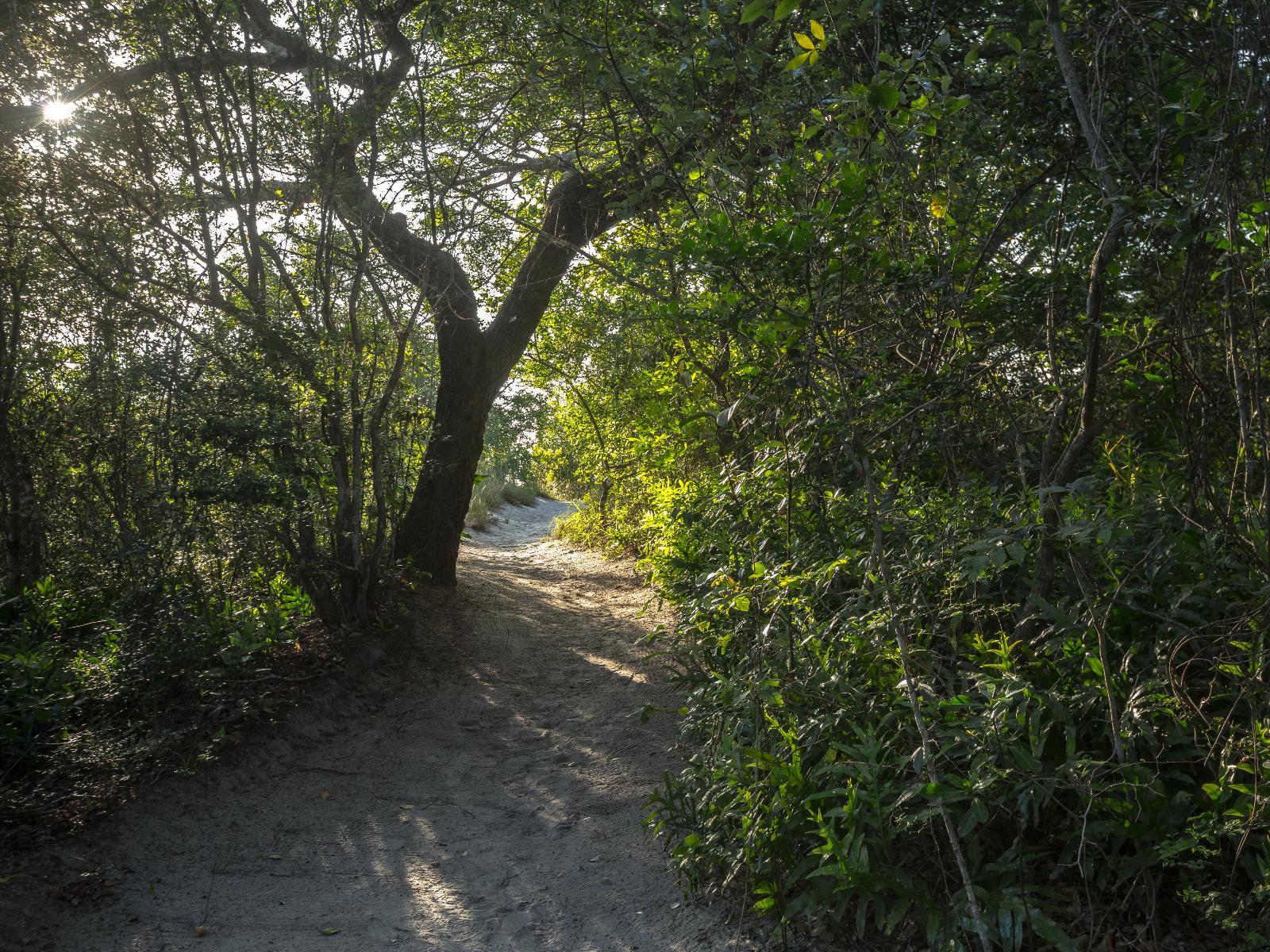
Indigenous forest under a closed canopy, cool and quiet in every season
Across Africa
Mbombela

Wittedrift, Plettenberg Bay


Magoebaskloof

Hunter's Home, Knysna

Howick

Across Africa. Rates on request.

Ngorongoro Conservation Area

Northern Province Rwanda
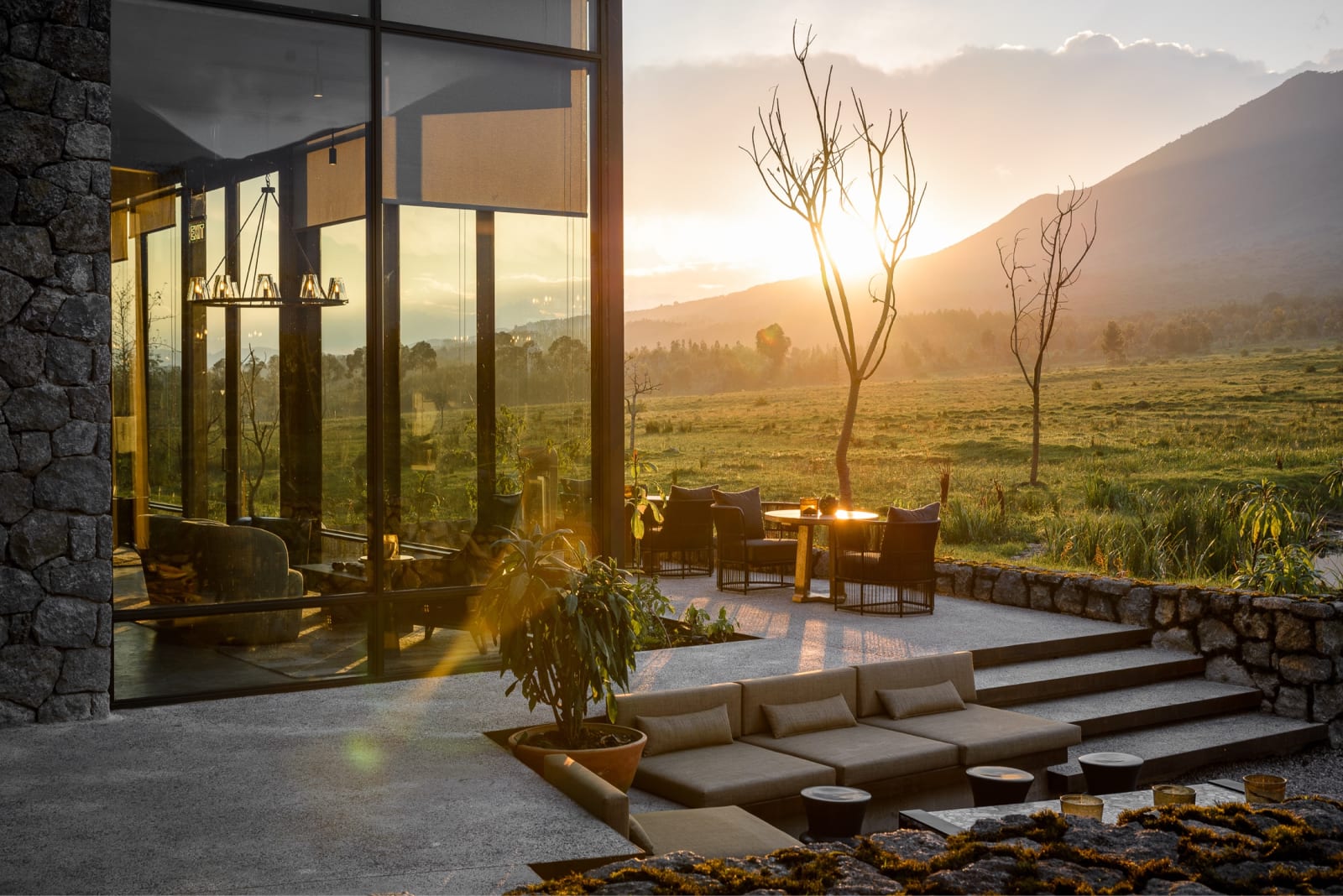
Northern Province Rwanda
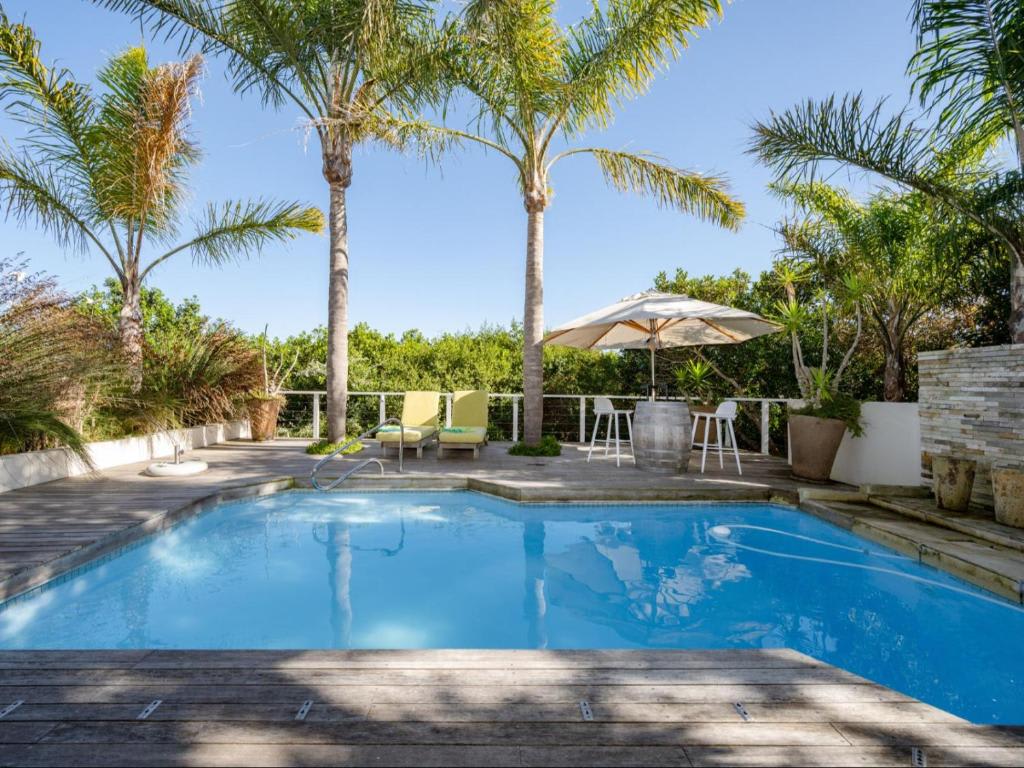
Keurbooms River Nature Reserve

Garden Route National Park

Garden Route National Park
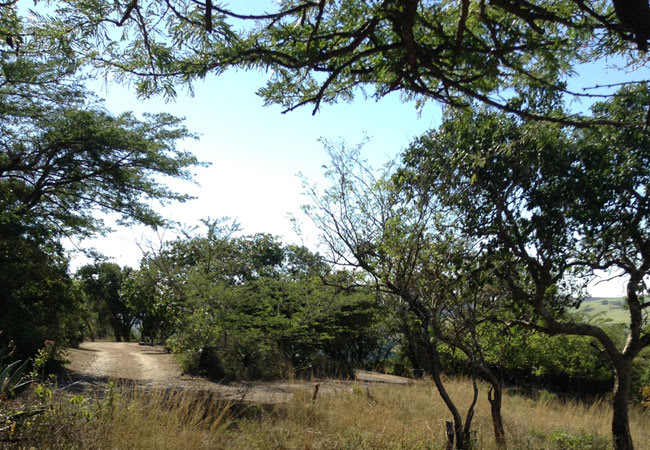
Harold Johnson Nature Reserve

iSimangaliso Wetland Park

iSimangaliso Wetland Park

Phinda Private Game Reserve


Lake Manyara National Park


Odzala-Kokoua National Park

Next stop
Bushveld game country and the southern gates of the Kruger
See places that give backIndigenous forest is the smallest biome in South Africa, well under one percent of the country, and it survives in patches where fire cannot reach: the deep kloofs of the southern Cape, the escarpment of Mpumalanga and Limpopo, and the coastal dune forests of KwaZulu-Natal. The largest continuous stretch is the Knysna and Tsitsikamma forest along the Garden Route, with yellowwoods and stinkwoods that were being felled for timber within living memory and are now protected.
Forest works in any season, which is its quiet advantage on a coast where everything else has a best month. It is cool in summer heat, sheltered in winter rain, and the light in it is best on an overcast day, which is exactly when the beach is not an option. Birding here is a specialist pleasure: the Knysna turaco, the narina trogon and the Cape parrot are forest birds heard long before they are seen.
Stays are forest cabins, lodges on the edge of the canopy at Wilderness, Knysna and Storms River, and escarpment cottages at Magoebaskloof and around Sabie. Pair a forest stay with the lagoons and beaches below it, the canopy walks and waterfalls, or the Outeniqua passes over the mountains into the Karoo.
Any month. Forest is cool through the summer heat and sheltered from winter rain, and overcast days give the best light and the most bird activity. Autumn and spring are the most comfortable for long walks on the Garden Route.
The Knysna and Tsitsikamma forests along the Garden Route are the largest, with Wilderness and the Outeniqua slopes beside them. The Mpumalanga and Limpopo escarpment holds the northern patches around Sabie, Graskop and Magoebaskloof, and dune forest runs up the KwaZulu-Natal coast into iSimangaliso.
The Knysna turaco, the narina trogon, the olive bush shrike, the Knysna woodpecker and, in the Eastern Cape and the escarpment, the Cape parrot. Forest birding is mostly listening: a slow walk with long stops at a gap in the canopy beats covering distance.