
Cape Sugarbird
The Cape sugarbird (Promerops cafer) is one of the six bird species endemic to the Fynbos biome of the Western Cape and Eastern Cape provinces of South Africa.
Recorded year-round
Recorded in every month, so no month is the wrong month to look. We would rather say that than invent a best time.
Curve from 4,698 national iNaturalist observations, not from one property. Single-month spikes are discarded as upload artefacts, and below 50 records we show no curve at all.
Western Cape
Provinces where Cape Sugarbird is most recorded. Tap one to find places to stay.
4,698 records, iNaturalist
Parcs où les hôtes ont observé l’espèce Cape Sugarbird
 Cederberg Wilderness AreaWestern Cape · Best Sep to Apr9 lieux
 Goukamma Nature ReserveWestern Cape · Year-round9 lieux
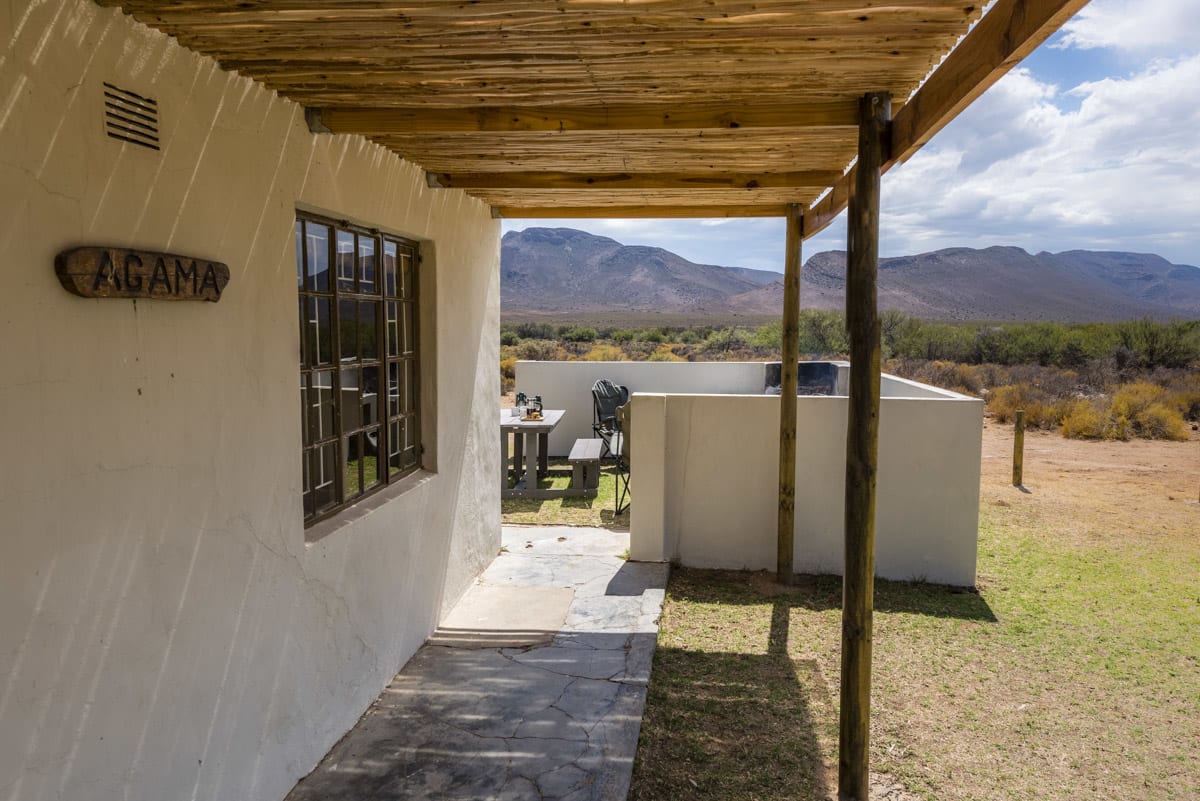 Anysberg Nature ReserveWestern Cape · Best Autumn and spring7 lieux
 Gamkaberg Nature ReserveWestern Cape · Best Autumn and spring7 lieux
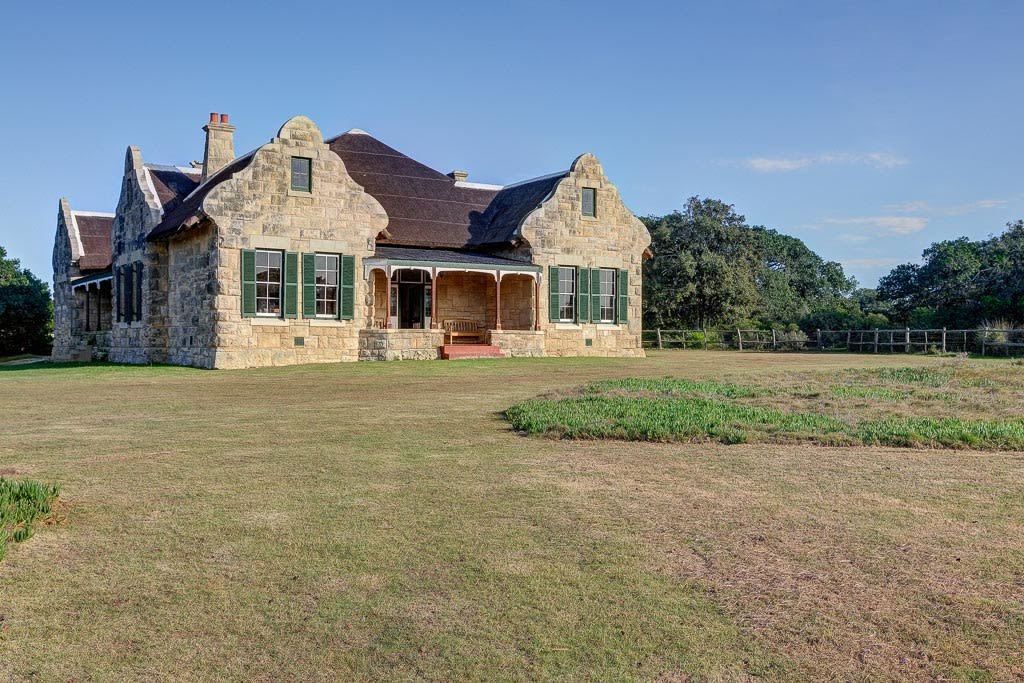 De Hoop Nature ReserveWestern Cape · Best Sep to Apr3 lieux
 Grootvadersbosch Nature ReserveWestern Cape · Best Sep to Apr3 lieux
 Kogelberg Nature ReserveWestern Cape · Best Sep to Apr3 lieux
 Vrolijkheid Nature ReserveWestern Cape · Best Autumn and spring3 lieux
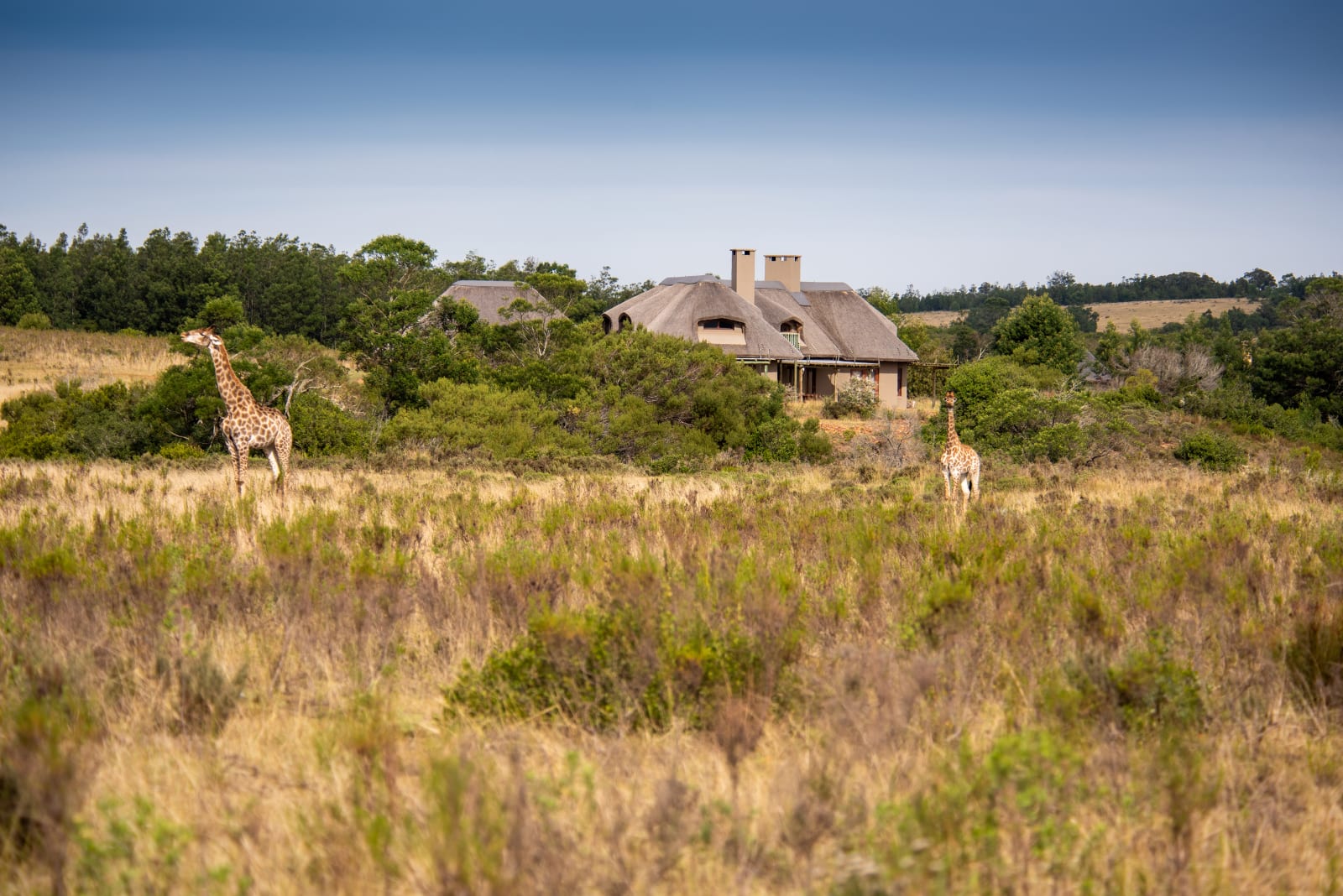 Gondwana Game ReserveWestern Cape · Best Sep to Apr2 lieux
 De Mond Nature ReserveWestern Cape · Best Summer for terns and waders1 lieu
 Groot Winterhoek Wilderness AreaWestern Cape · Best Spring and autumn1 lieu
 Hottentots Holland Nature ReserveWestern Cape · Best Sep to Apr1 lieu
Où séjourner
À travers Afrique du Sud




Préparer un voyage
Cape Sugarbird : quand et où l’observer
Cape Sugarbird : signalé par des hôtes dans ou près de Cederberg Wilderness Area, Goukamma Nature Reserve and Anysberg Nature Reserve.
Meilleures heures de la journée
- Les premières heures après le lever du soleil, et la fin d’après-midi. Les oiseaux chantent et se nourrissent surtout à la fraîche.
- Midi. Plus calme, surtout par la chaleur d’été.
Façons d’observer
Conduire soi-même
Votre véhicule et votre rythme, sur les routes du parc.
Parcs où l’espèce est signalée
Safaris guidés depuis un lodge
Un guide qui sait où chercher, avec hors-piste et safaris de nuit dans les réserves privées.
Parcs où l’espèce est signalée
Espèce
Promerops cafer
Observations
4 698
observations iNaturalist
Chaque réservation sur Spekboom soutient la conservation.
Questions des voyageurs
Une observation signifie qu’un hôte a vu l’espèce Cape Sugarbird sur place ou à proximité. Ce n’est jamais une garantie de la voir.
Which parks and reserves are best for the Cape Sugarbird in South Africa?
Hosts on Spekboom have recorded the Cape Sugarbird at stays in or beside Cederberg Wilderness Area, Goukamma Nature Reserve, Anysberg Nature Reserve, Gamkaberg Nature Reserve, De Hoop Nature Reserve and Grootvadersbosch Nature Reserve and other reserves. A record means a host has seen it on the property or nearby, which makes these the places to base yourself; it is never a guarantee of a sighting on any given day.
Where can you see the Cape Sugarbird in South Africa?
The Cape Sugarbird is most recorded in Western Cape (98% of records), based on 4 698 iNaturalist observations. 75 places to stay on Spekboom in South Africa have recorded the Cape Sugarbird on site or nearby.
When is the best time to see the Cape Sugarbird?
The Cape Sugarbird is recorded throughout the year, so no month is the wrong month to look for it. For the parks where hosts record it most, these are the best seasons they give. Cederberg Wilderness Area: Sep-Apr, flowers Aug-Oct; Goukamma Nature Reserve: year-round, warm Oct-Apr; Anysberg Nature Reserve: Autumn and spring, Mar-May, Sep-Nov; Gamkaberg Nature Reserve: Autumn and spring, Mar-May, Sep-Nov. In the dry months animals concentrate at water and the grass is short.
What is the Cape Sugarbird?
The Cape sugarbird (Promerops cafer) is one of the six bird species endemic to the Fynbos biome of the Western Cape and Eastern Cape provinces of South Africa.