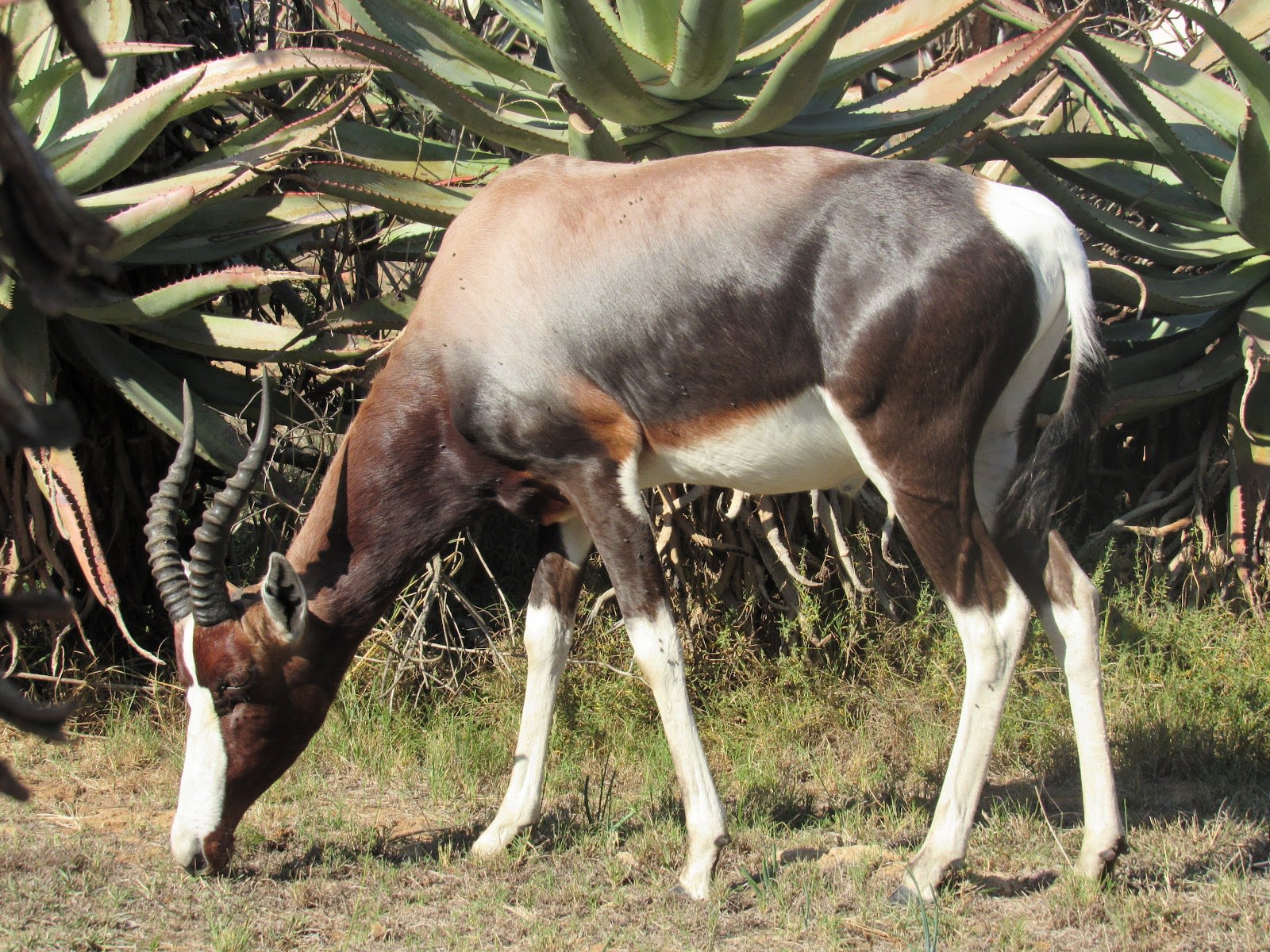
Kruger National Park
Limpopo · Best Apr to Sep
42 Orte

The Jacobin cuckoo, pied cuckoo, or pied crested cuckoo (Clamator jacobinus) is a member of the cuckoo order of birds that is found in Africa and Asia.
Most records Nov to Feb
When Jacobin Cuckoo sightings peak, from open records. Outside these months it is seen less often, not never.
Curve from 515 national iNaturalist observations, not from one property. Single-month spikes are discarded as upload artefacts, and below 50 records we show no curve at all.
Mpumalanga and beyond
Provinces where Jacobin Cuckoo is most recorded. Tap one to find places to stay.
515 records, iNaturalist
In ganz Südafrika

Oudtshoorn

Zuverlässig zu sehen · Für Vogelbeobachter

Kruger National Park

Zuverlässig zu sehen · Für Vogelbeobachter

Kruger National Park
Zuverlässig zu sehen · Für Vogelbeobachter

Kruger National Park
Zuverlässig zu sehen · Für Vogelbeobachter

Kruger National Park
Zuverlässig zu sehen · Für Vogelbeobachter

Kruger National Park

Jacobin Cuckoo hier erfasst

Drakensberg, Bergville

Zuverlässig zu sehen · Für Vogelbeobachter

Kruger National Park
Jacobin Cuckoo hier erfasst

Kruger National Park
Jacobin Cuckoo hier erfasst
Kruger National Park

Jacobin Cuckoo hier erfasst

Kruger National Park
Jacobin Cuckoo hier erfasst

Kruger National Park
Jacobin Cuckoo hier erfasst

Kruger National Park
Jacobin Cuckoo hier erfasst

Kruger National Park
Jacobin Cuckoo hier erfasst

Kruger National Park
Jacobin Cuckoo hier erfasst

Kruger National Park
Jacobin Cuckoo hier erfasst

Swartberg Nature Reserve
Jacobin Cuckoo hier erfasst

Kruger National Park
Jacobin Cuckoo hier erfasst

Marloth Nature Reserve
Jacobin Cuckoo hier erfasst

Aberdeen
Zuverlässig zu sehen · Für Vogelbeobachter

Kruger National Park
Jacobin Cuckoo hier erfasst

Bronkhorstspruit

Zuverlässig zu sehen · Für Vogelbeobachter

Mbombela
Zuverlässig zu sehen · Für Vogelbeobachter

Kruger National Park
Jacobin Cuckoo hier erfasst

Nächster Halt
Bushveld game country and the southern gates of the Kruger
Orte ansehen, die etwas zurückgebenEine Reise planen
Gastgeber haben die Art Jacobin Cuckoo in oder bei Kruger National Park, uKhahlamba-Drakensberg Park and Kgalagadi Transfrontier Park erfasst.
Kruger · Mapungubwe
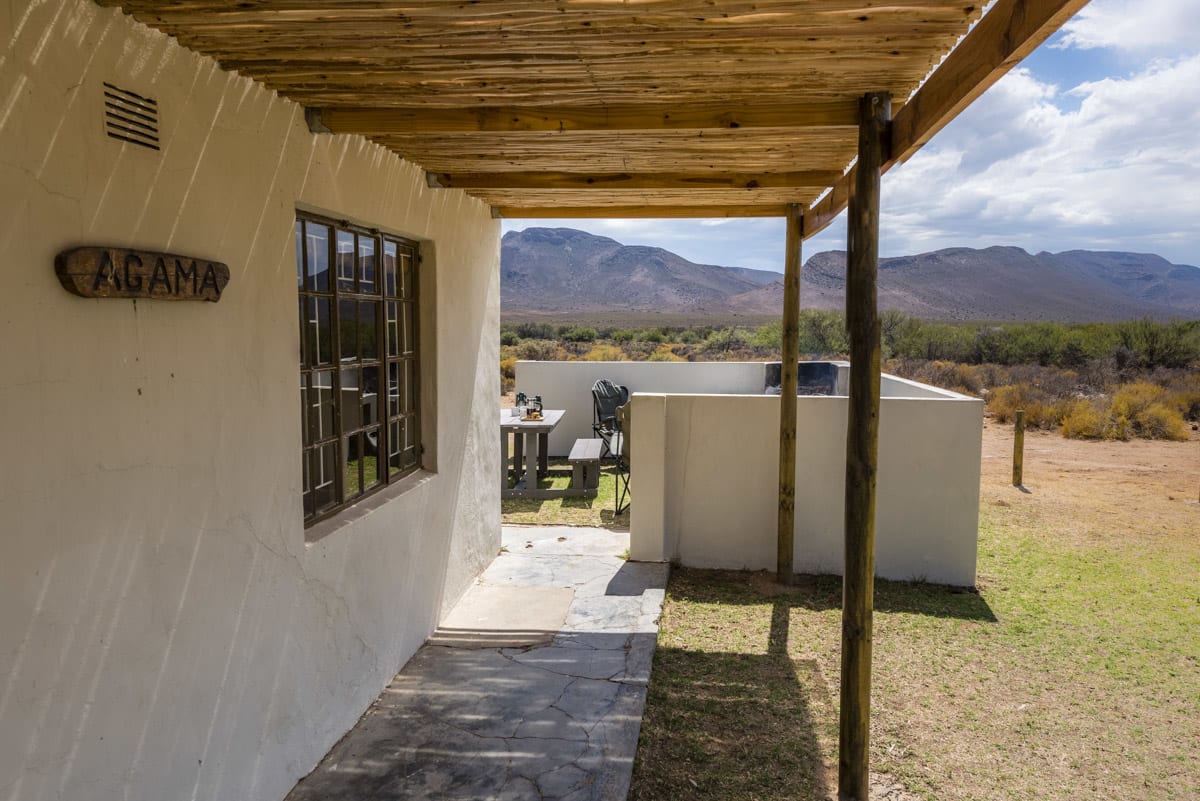
Anysberg · Gamkaberg · Bontebok

Kgalagadi · Mokala · Augrabies Falls
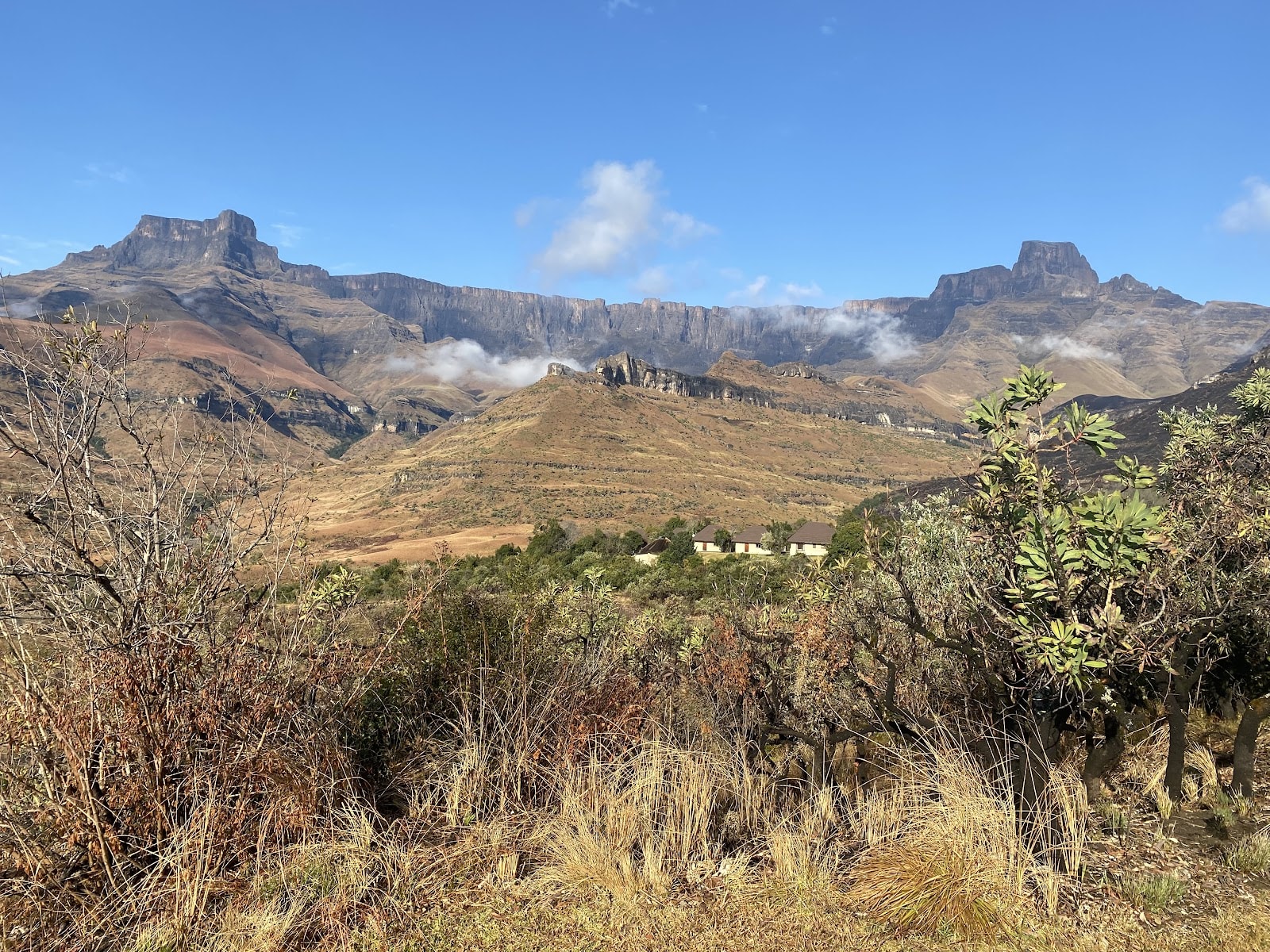
uKhahlamba-Drakensberg
Selbst fahren
Eigenes Fahrzeug, eigenes Tempo, auf den Straßen des Parks.
Wo Gastgeber die Art erfassen
Art
Clamator jacobinus
Nachweise
515
iNaturalist-Beobachtungen
Jede Buchung auf Spekboom unterstützt den Naturschutz.
Ein Nachweis bedeutet, dass ein Gastgeber die Art Jacobin Cuckoo auf dem Grundstück oder in der Nähe gesehen hat. Eine Sichtung ist nie garantiert.
Hosts on Spekboom have recorded the Jacobin Cuckoo at stays in or beside Kruger National Park, uKhahlamba-Drakensberg Park, Kgalagadi Transfrontier Park, Anysberg Nature Reserve, Gamkaberg Nature Reserve and Addo Elephant National Park and other reserves. A record means a host has seen it on the property or nearby, which makes these the places to base yourself; it is never a guarantee of a sighting on any given day.
The Jacobin Cuckoo is most recorded in Mpumalanga (38% of records), Limpopo (32% of records), KwaZulu-Natal (12% of records), based on 515 iNaturalist observations. 107 places to stay on Spekboom in South Africa have recorded the Jacobin Cuckoo on site or nearby.
Sightings of the Jacobin Cuckoo peak from Nov to Feb, based on 515 iNaturalist records. You may still see it outside those months, sightings are just less frequent.
The Jacobin cuckoo, pied cuckoo, or pied crested cuckoo (Clamator jacobinus) is a member of the cuckoo order of birds that is found in Africa and Asia. It is partially migratory and in India, it has been considered a harbinger of the monsoon rains due to the timing of its arrival.