Wildlife
Luiperd
LeopardPanthera pardusVulnerable
The leopard (Panthera pardus) /ˈlɛpərd/ is one of the five species in the genus Panthera, a member of the Felidae.
Wanneer om te gaan
Recorded year-round
Recorded in every month, so no month is the wrong month to look. We would rather say that than invent a best time.
Beste maandeEnige maand
Records3,721 records
Curve from 3,721 national iNaturalist observations, not from one property. Single-month spikes are discarded as upload artefacts, and below 50 records we show no curve at all.
Waar jy dit sal kry
Mpumalanga and beyond
Provinces where Leopard is most recorded. Tap one to find places to stay.
3,720 records, iNaturalist
Parke waar gashere die Leopard aanteken
 Kruger National ParkLimpopo · Best Apr to Sep21 plekke
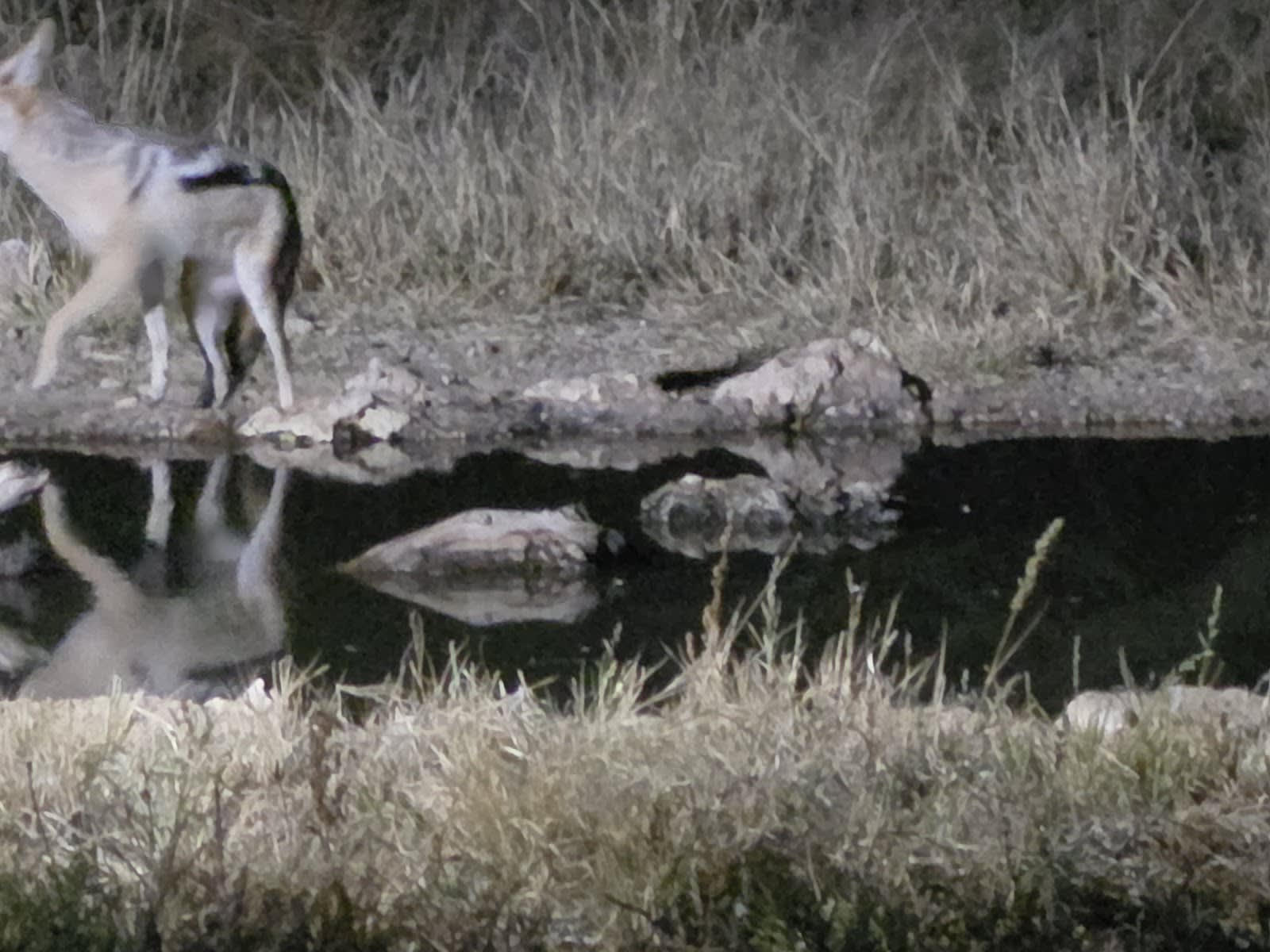 Kgalagadi Transfrontier ParkNorthern Cape · Best Aug to Oct7 plekke
 Phinda Private Game ReserveKwaZulu-Natal · Year-round6 plekke
 Sabi Sand Game ReserveMpumalanga · Year-round6 plekke
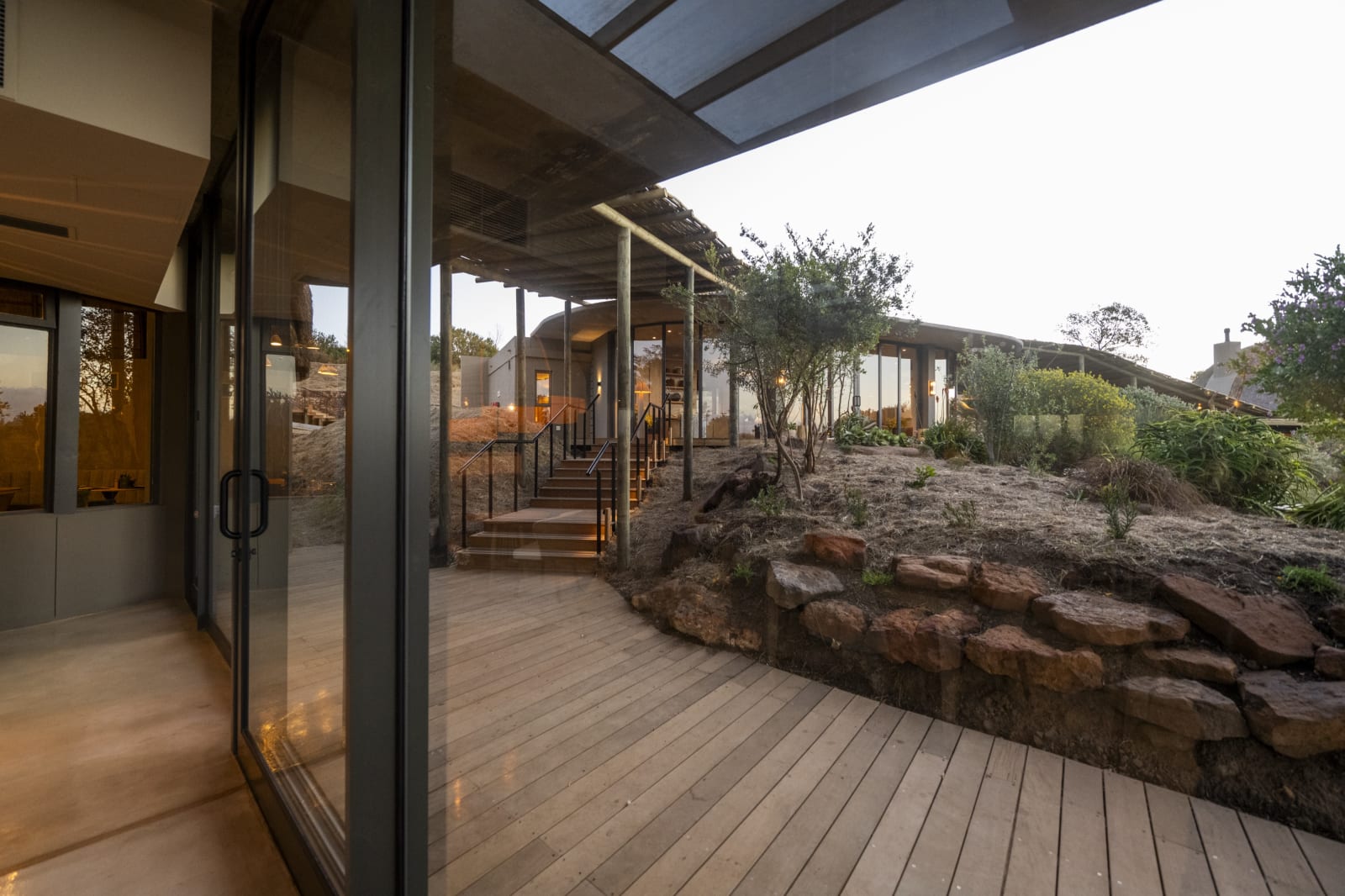 Gondwana Game ReserveWestern Cape · Best Sep to Apr5 plekke
 Kwandwe Private Game ReserveEastern Cape · Year-round5 plekke
 Hluhluwe-Imfolozi ParkKwaZulu-Natal · Year-round3 plekke
 Timbavati Private Nature ReserveLimpopo · Best May to Sep3 plekke
 Welgevonden Game ReserveLimpopo · Best May to Sep3 plekke
 Addo Elephant National ParkEastern Cape · Year-round2 plekke
 Amakhala Game ReserveEastern Cape · Year-round2 plekke
 Madikwe Game ReserveNorth West · Best Apr to Sep2 plekke
Verblyfplekke
Regoor Suid-Afrika