
Thabile Lodge
Oudtshoorn
From R 1,400a night


The dry west where the veld is fleshy-leaved and flowers after the winter rain
Across Africa
Oudtshoorn

Prince Albert


Montagu


Prince Albert

Prince Albert

Prince Albert
Across Africa. Rates on request.

Shark Island

Mont Eco Private Game Reserve
Western Cape


Prince Albert

Klaarstroom

Prince Albert

Van Wyksdorp


Swartberg Nature Reserve

Montagu

Western Cape

Vrolijkheid Nature Reserve

Vrolijkheid Nature Reserve

Western Cape

Vrolijkheid Nature Reserve
Anysberg Nature Reserve

Anysberg Nature Reserve

Anysberg Nature Reserve

Anysberg Nature Reserve
Next stop
Whale coast and rolling farm country
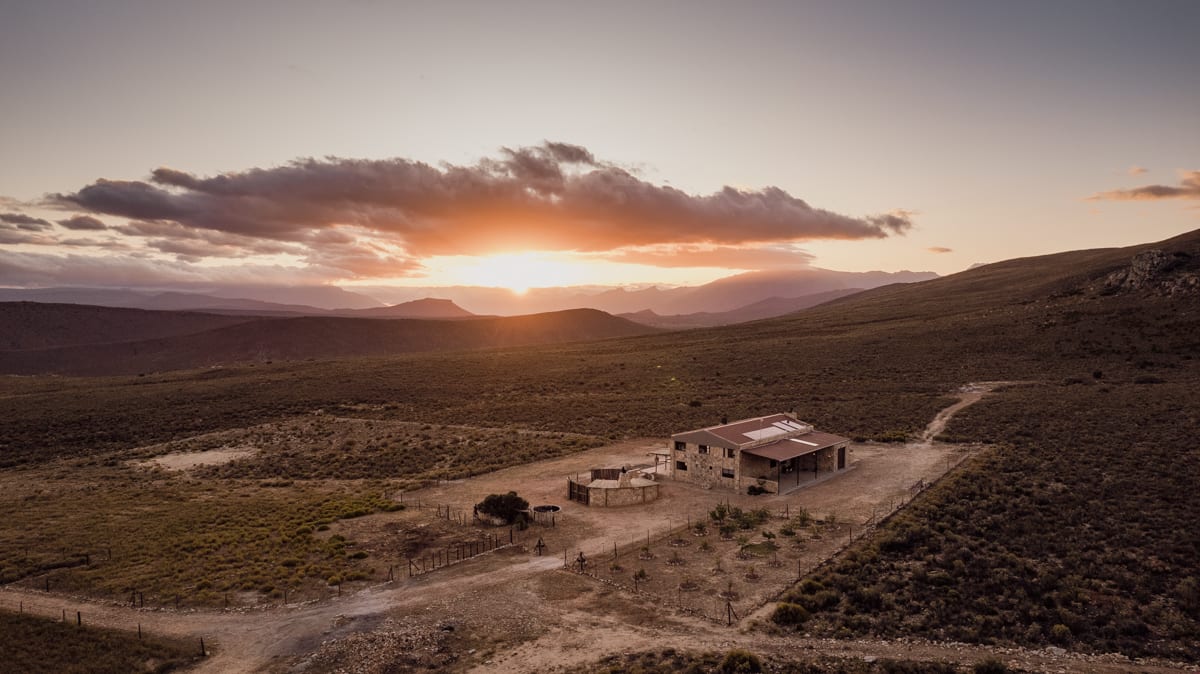
See places that give backThe Succulent Karoo is the only arid biodiversity hotspot on earth. It runs up the west of the country from the Cederberg through Namaqualand into southern Namibia, it gets almost all its rain in winter, and it is packed with succulents that survive on fog and a few good weeks a year. Roughly a third of the world's succulent species grow here and most of them grow nowhere else.
For eleven months it is grey-green stone and low scrub. Then, after the winter rains, Namaqualand does the thing it is famous for and the whole landscape flowers, usually from late August into September, in sheets of orange, white and purple that follow the sun and close by late afternoon. The timing shifts with the rain each year and cannot be booked in advance with certainty; local flower lines and the reserves publish conditions week by week.
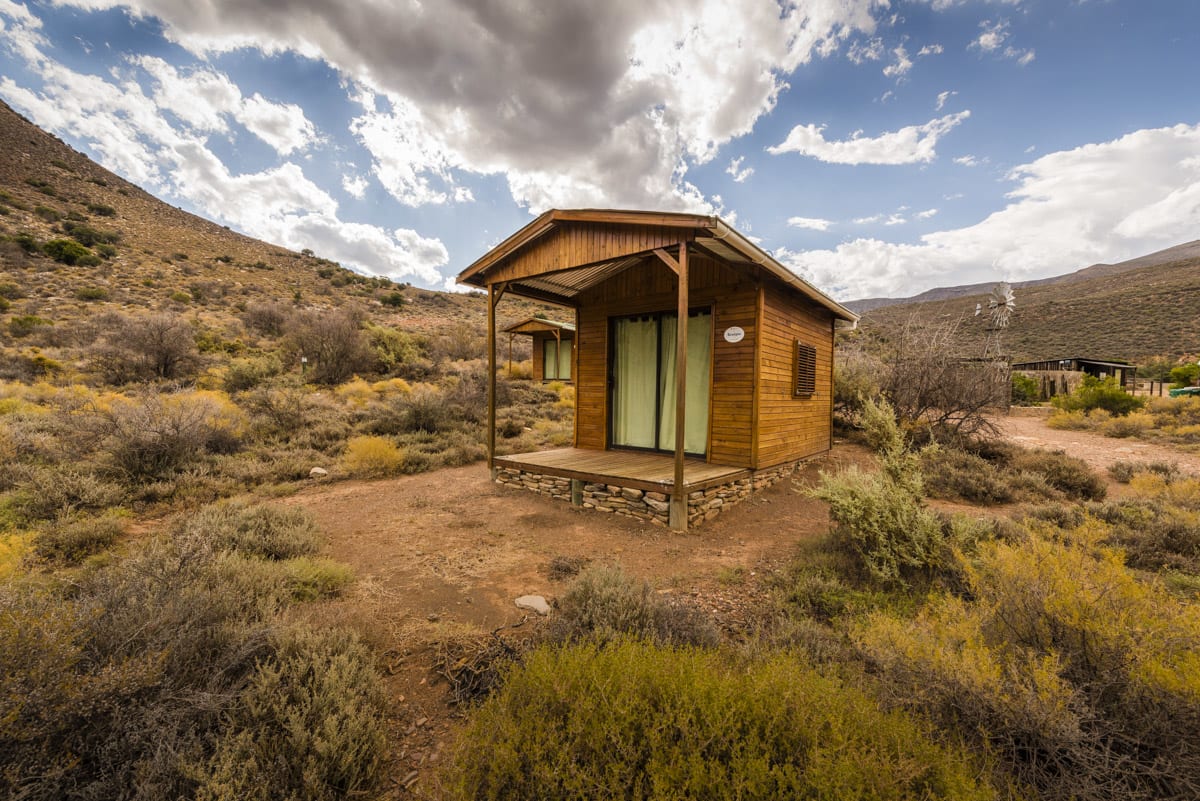
Stays are farm cottages, mission village guesthouses, the reserve camps of Namaqua and the Cederberg, and the towns along the N7. Outside flower season this is quiet, cheap, enormous country with some of the darkest night skies in the world. Pair it with quiver trees, rock art, gravel touring and the Richtersveld further north.
Late August into September for the Namaqualand flowers, though the exact weeks depend on that year's winter rain. The flowers open in sunshine and close in the late afternoon or in cloud, so plan to be out between about ten and four. Outside the flower season, autumn and winter are pleasant and summer is very hot.
Namaqua National Park and the Skilpad section near Kamieskroon, the Goegap reserve outside Springbok, the West Coast National Park at Postberg, and the farm roads around Nieuwoudtville, Clanwilliam and the Cederberg. Reserves and flower lines publish current conditions because the display moves week to week.
Reliable winter rain and coastal fog in an otherwise arid landscape let an extraordinary number of succulent plants evolve in very small ranges. Around a third of the world's succulent species occur here and a large share are found nowhere else, which also makes them vulnerable to illegal collecting and mining.