
Goukamma Nature Reserve
Western Cape · Year-round
9 places

The lesser striped swallow (Cecropis abyssinica) is a large swallow.
Most records Oct to Nov
When Lesser Striped Swallow sightings peak, from open records. Outside these months it is seen less often, not never.
Curve from 1,890 national iNaturalist observations, not from one property. Single-month spikes are discarded as upload artefacts, and below 50 records we show no curve at all.
KwaZulu-Natal and beyond
Provinces where Lesser Striped Swallow is most recorded. Tap one to find places to stay.
1,890 records, iNaturalist
Across the Western Cape
Goukamma Nature Reserve
Lesser Striped Swallow recorded here · Fynbos biome
From R 1,340 a night

Goukamma Nature Reserve
Lesser Striped Swallow recorded here · Fynbos biome
From R 1,370 a night

Goukamma Nature Reserve
Lesser Striped Swallow recorded here · Fynbos biome
From R 1,560 a night

Goukamma Nature Reserve
Lesser Striped Swallow recorded here · Fynbos biome
From R 1,560 a night

Goukamma Nature Reserve
Lesser Striped Swallow recorded here · Fynbos biome
From R 1,560 a night

Goukamma Nature Reserve
Lesser Striped Swallow recorded here · Fynbos biome · Bushbuck · Bushpig
From R 1,380 a night

Goukamma Nature Reserve
Lesser Striped Swallow recorded here · Fynbos biome · Bushbuck · Bushpig
From R 1,580 a night

Goukamma Nature Reserve
Lesser Striped Swallow recorded here · Fynbos biome · Bushbuck · Bushpig
From R 1,580 a night

Goukamma Nature Reserve
Lesser Striped Swallow recorded here · Fynbos biome · Bushbuck · Bushpig
From R 1,410 a night

Benguela Cove, Hermanus
Birder friendly · Fynbos biome
Gives back to Walker Bay Fynbos Conservancy and 1 other
From R 14,985 a night

Oudtshoorn
Succulent Karoo biome · Spekboom
Gives back to Wolwekraal Nature Reserve
From R 1,400 a night

Wittedrift, Plettenberg Bay
Forest biome
Gives back to National Sea Rescue Institute
From R 2,250 a night

Riebeek Valley, Riebeek West
Birder friendly · Fynbos biome · Black wildebeest · Bontebok
Gives back to BirdLife South Africa
From R 5,636 a night

Franschhoek
Fynbos biome · English oak
Gives back to Cape Leopard Trust
From R 6,195 a night

Klapmuts, Simondium
Angulate tortoise · Wild olive
Price on request

Gardens, Cape Town
Fynbos biome · English oak
From R 2,800 a night

Bakoven, Cape Town
Fynbos biome
From R 9,900 a night

Franschhoek
Fynbos biome · English oak
Price on request

Swellendam
Fynbos biome
Gives back to Barrydale Hospice
From R 4,355 a night

Stanford
Fynbos biome
Gives back to Walker Bay Fynbos Conservancy and 1 other
From R 2,850 a night

Stanford
Birder friendly · Fynbos biome · White milkwood · Southern right whale
Gives back to Walker Bay Fynbos Conservancy
Price on request
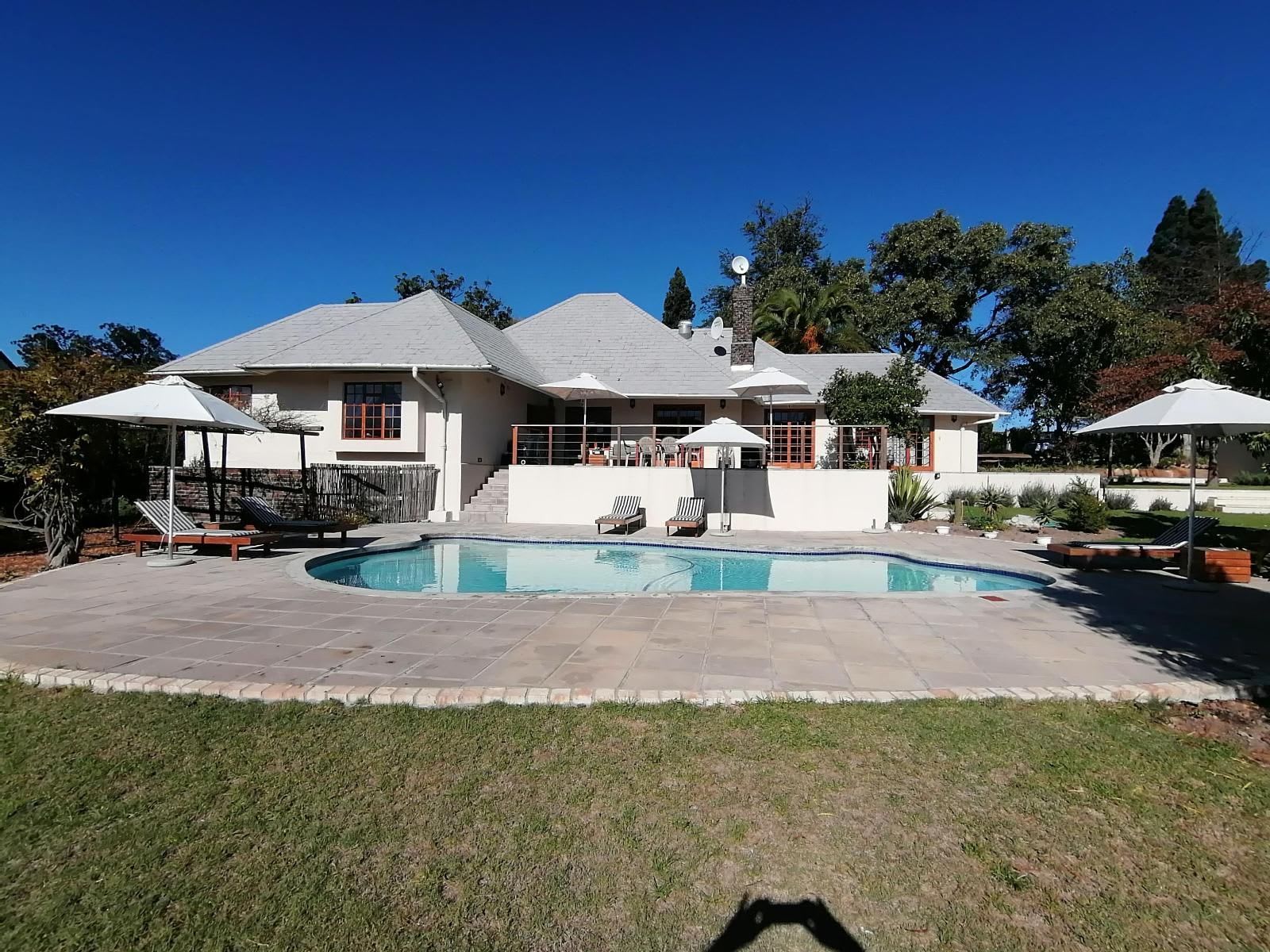
Stellenbosch
Fynbos biome · English oak
Gives back to Cape Leopard Trust
From R 1,465 a night

The Crags, Plettenberg Bay
Fynbos biome
Gives back to National Sea Rescue Institute
From R 1,950 a night

Somerset West
Fynbos biome
Gives back to Love to Give
Price on request
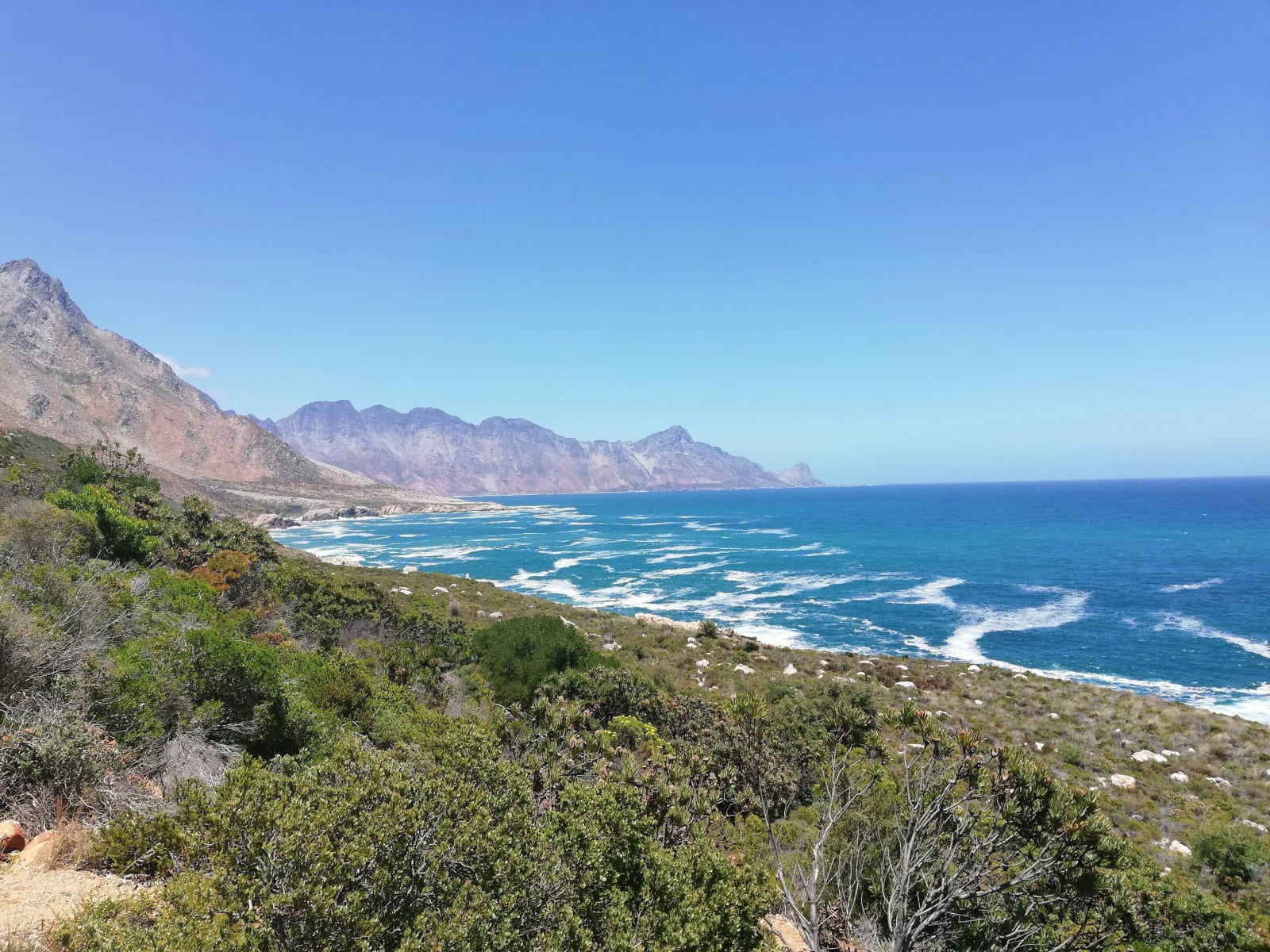
Next stop
Whale coast and rolling farm country
See places that give backPlanning a trip
Hosts have recorded the Lesser Striped Swallow at stays in or beside Goukamma Nature Reserve.
Drive yourself
Your own vehicle and pace, on the park's roads.
Where hosts record it
Species
Cecropis abyssinica
Records
1,890
iNaturalist observations
Every booking on Spekboom supports conservation.
A record means a host has seen the Lesser Striped Swallow on the property or nearby. It is never a guarantee of a sighting.
Hosts on Spekboom have recorded the Lesser Striped Swallow at stays in or beside Goukamma Nature Reserve. A record means a host has seen it on the property or nearby, which makes these the places to base yourself; it is never a guarantee of a sighting on any given day.
The Lesser Striped Swallow is most recorded in KwaZulu-Natal (37% of records), Mpumalanga (19% of records), Eastern Cape (14% of records), based on 1,890 iNaturalist observations. 9 places to stay on Spekboom in Western Cape have recorded the Lesser Striped Swallow on site or nearby.
Sightings of the Lesser Striped Swallow peak from Oct to Nov, based on 1,890 iNaturalist records. You may still see it outside those months, sightings are just less frequent.
The lesser striped swallow (Cecropis abyssinica) is a large swallow. It breeds in Sub-Saharan Africa from Sierra Leone and southern Sudan south into eastern South Africa. It is partially migratory with South African birds wintering further north. West African birds leave the north of the breeding range in the dry season.


