

Addo Elephant National Park
Eastern Cape · Year-round
5 places

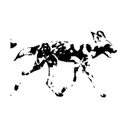
The Antarctic petrel (Thalassoica antarctica) is a boldly marked dark brown and white petrel, found in Antarctica, most commonly in the Ross and Weddell Seas.
Across South Africa

Addo Elephant National Park
Antarctic Petrel recorded here

Addo Elephant National Park
Antarctic Petrel recorded here
Addo Elephant National Park
Antarctic Petrel recorded here

Addo Elephant National Park
Antarctic Petrel recorded here

Addo Elephant National Park
Antarctic Petrel recorded here

Benguela Cove, Hermanus

Birder friendly
Bergville


Kruger National Park

Birder friendly

Riebeek Valley, Riebeek West
Birder friendly
Hazyview


Klapmuts, Simondium

Gardens, Cape Town

Bakoven, Cape Town

Timbavati Private Nature Reserve

Kruger National Park
Birder friendly

Kruger National Park
Birder friendly

Hluhluwe-Imfolozi Park


Kruger National Park
Birder friendly

Madikwe

iSimangaliso Wetland Park

Swellendam


Hoedspruit


Franschhoek

Wittedrift, Plettenberg Bay


Next stop
Sandstone amphitheatres and cool mountain air
See places that give backPlanning a trip
Hosts have recorded the Antarctic Petrel at stays in or beside Addo Elephant National Park.
Drive yourself
Your own vehicle and pace, on the park's roads.
Where hosts record it
IUCN Red List
Least Concern
Species
Thalassoica antarctica
Every booking on Spekboom supports conservation.
A record means a host has seen the Antarctic Petrel on the property or nearby. It is never a guarantee of a sighting.
Hosts on Spekboom have recorded the Antarctic Petrel at stays in or beside Addo Elephant National Park. A record means a host has seen it on the property or nearby, which makes these the places to base yourself; it is never a guarantee of a sighting on any given day.
The Antarctic Petrel (Thalassoica antarctica) is listed as Least Concern on the IUCN Red List.
The Antarctic petrel (Thalassoica antarctica) is a boldly marked dark brown and white petrel, found in Antarctica, most commonly in the Ross and Weddell Seas. They eat Antarctic krill, fish, and small squid. They feed while swimming but can dive from both the surface and the air.