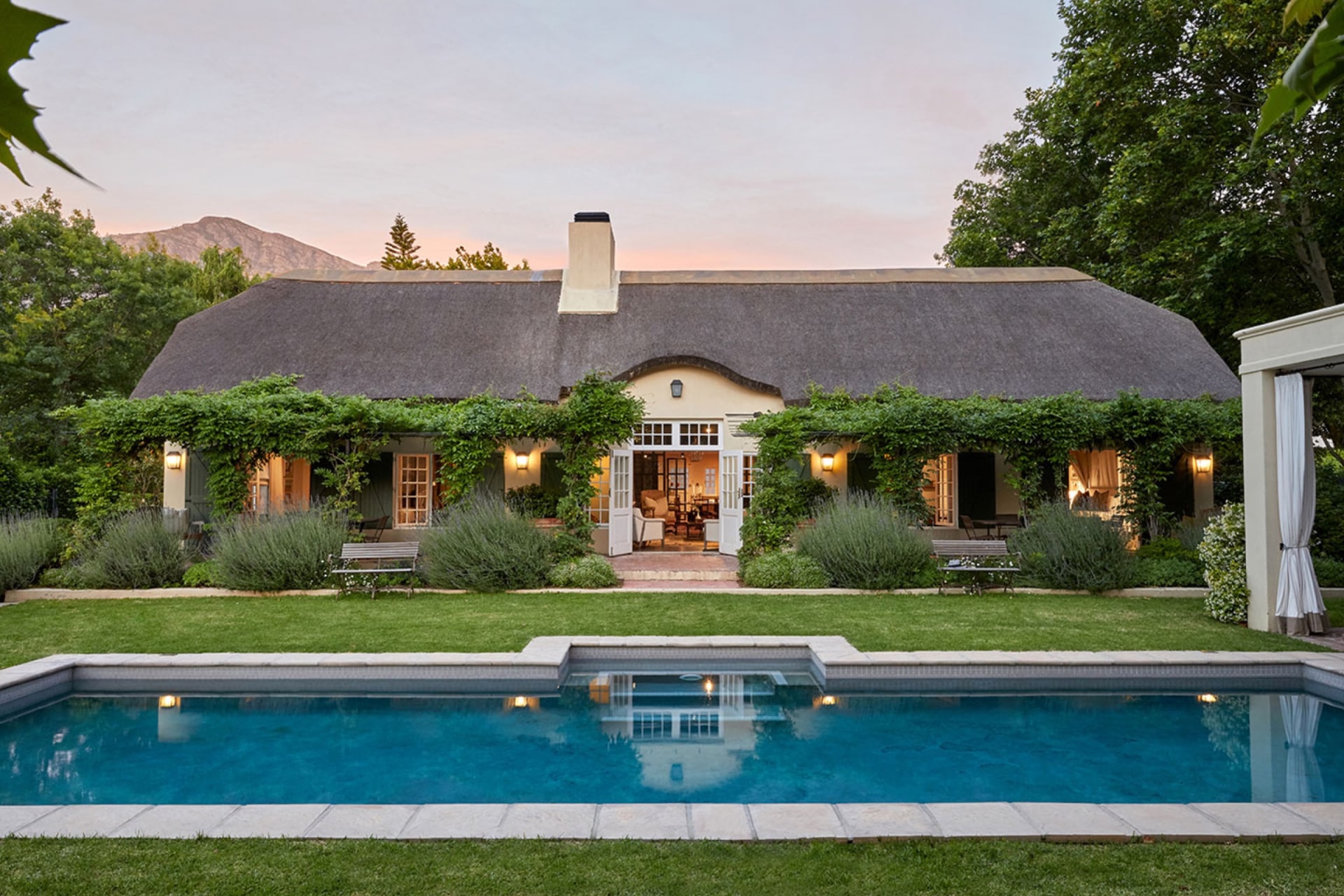

La Clé Lodge & Villas
Franschhoek
Fynbos biome · English oak
Price on request
Across Africa
Franschhoek
Fynbos biome · English oak
Price on request

Stanford
Fynbos biome · White milkwood · Southern right whale
Price on request

Somerset West
Fynbos biome
Price on request

Riebeek Valley, Riebeek West
Fynbos biome · Black wildebeest · Bontebok
Supports BirdLife South Africa
From R 5,636 a night

Franschhoek
Fynbos biome · English oak
Supports Cape Leopard Trust
From R 6,195 a night

Simon's Town, Cape Town
Fynbos biome
Supports SANCCOB and 4 others
Price on request
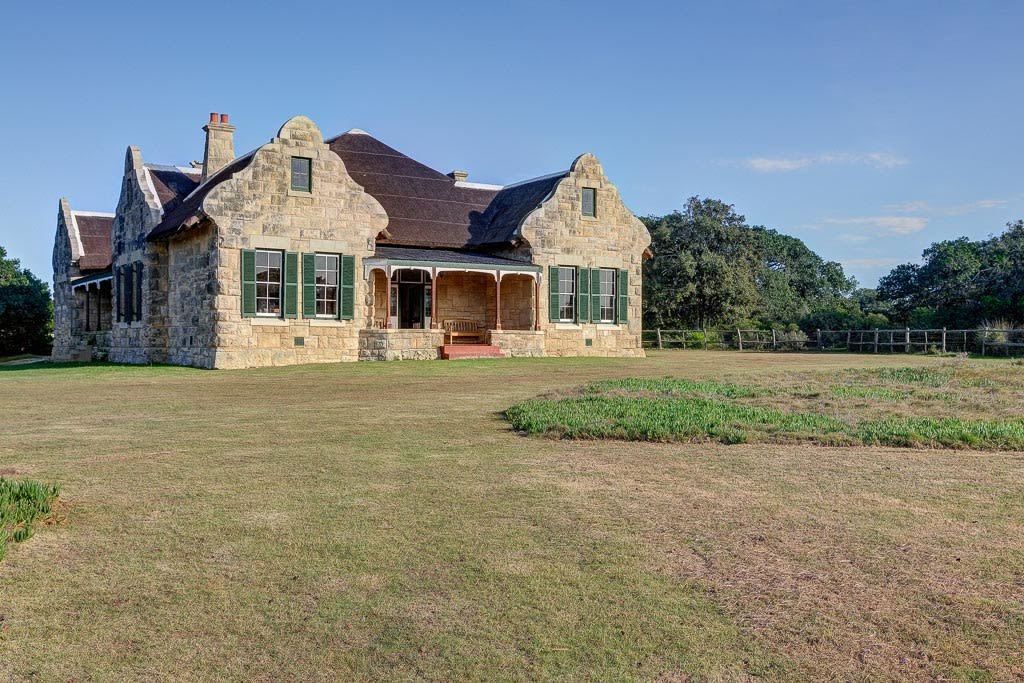
Western Cape
Fynbos biome · Bontebok · Southern right whale
Price on request
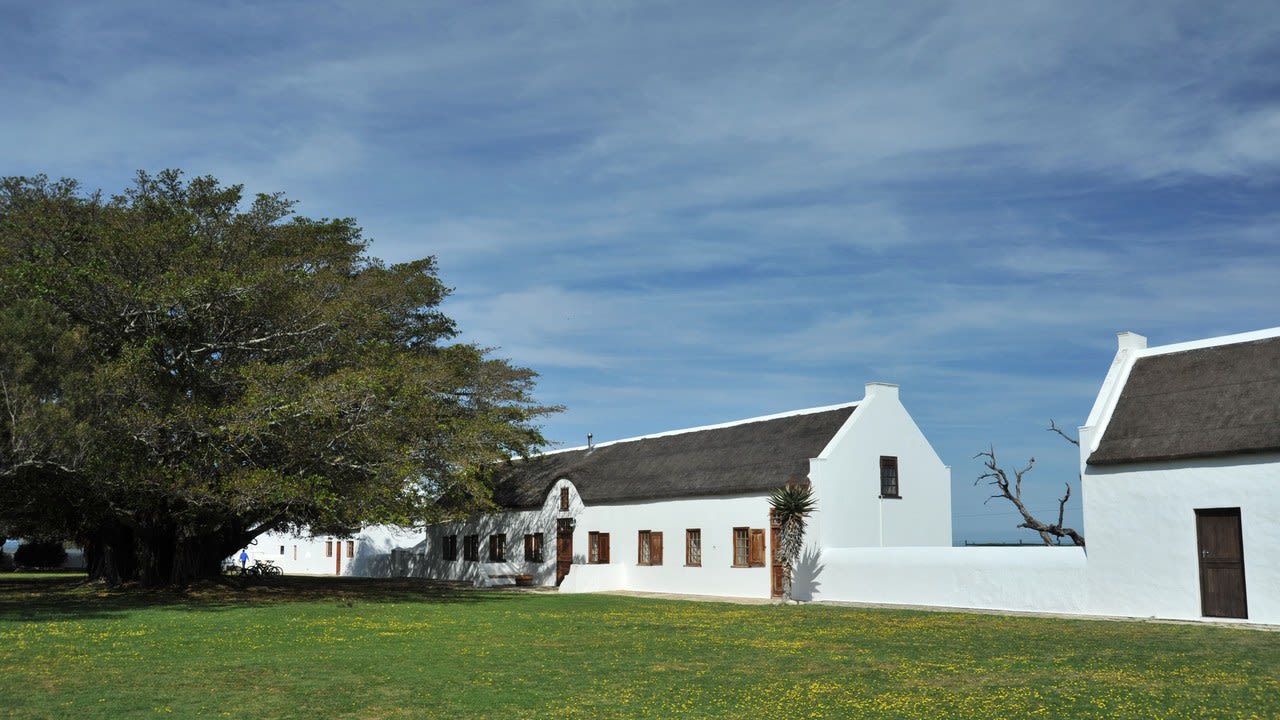
Western Cape
Fynbos biome · Bontebok · Southern right whale
Price on request
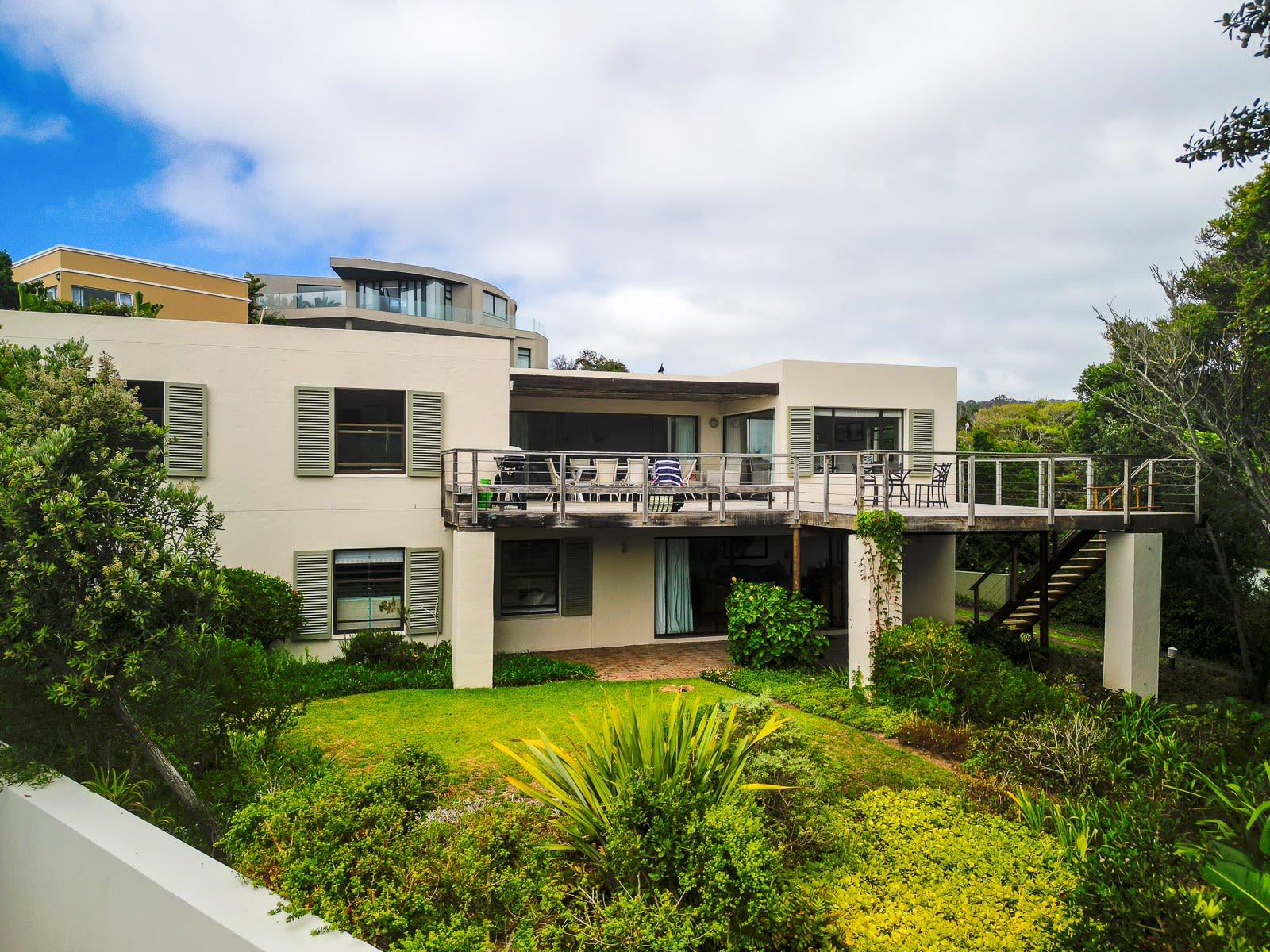
Plettenberg Bay
Fynbos biome · Southern right whale
Price on request

Gardens, Cape Town
Fynbos biome · English oak
From R 2,800 a night

Bakoven, Cape Town
Fynbos biome
From R 9,900 a night

Gardens, Cape Town
Fynbos biome · English oak
Supports Streetscapes
Price on request

Western Cape
Fynbos biome · Cape fox · Caracal
Price on request

Benguela Cove, Hermanus
Fynbos biome
Supports BirdLife South Africa
Price on request

Franschhoek
Fynbos biome · English oak
Price on request

Swellendam
Fynbos biome
From R 4,355 a night

Stanford
Fynbos biome · Southern right whale
Price on request

Ladismith
Fynbos biome · Spekboom
Price on request

Western Cape
Fynbos biome
Price on request

Tamboerskloof, Cape Town
Fynbos biome · English oak
Supports Cape Leopard Trust
Price on request

Stellenbosch
Fynbos biome · English oak
Supports Cape Leopard Trust
Price on request

Stanford
Fynbos biome
Supports National Sea Rescue Institute
From R 2,850 a night
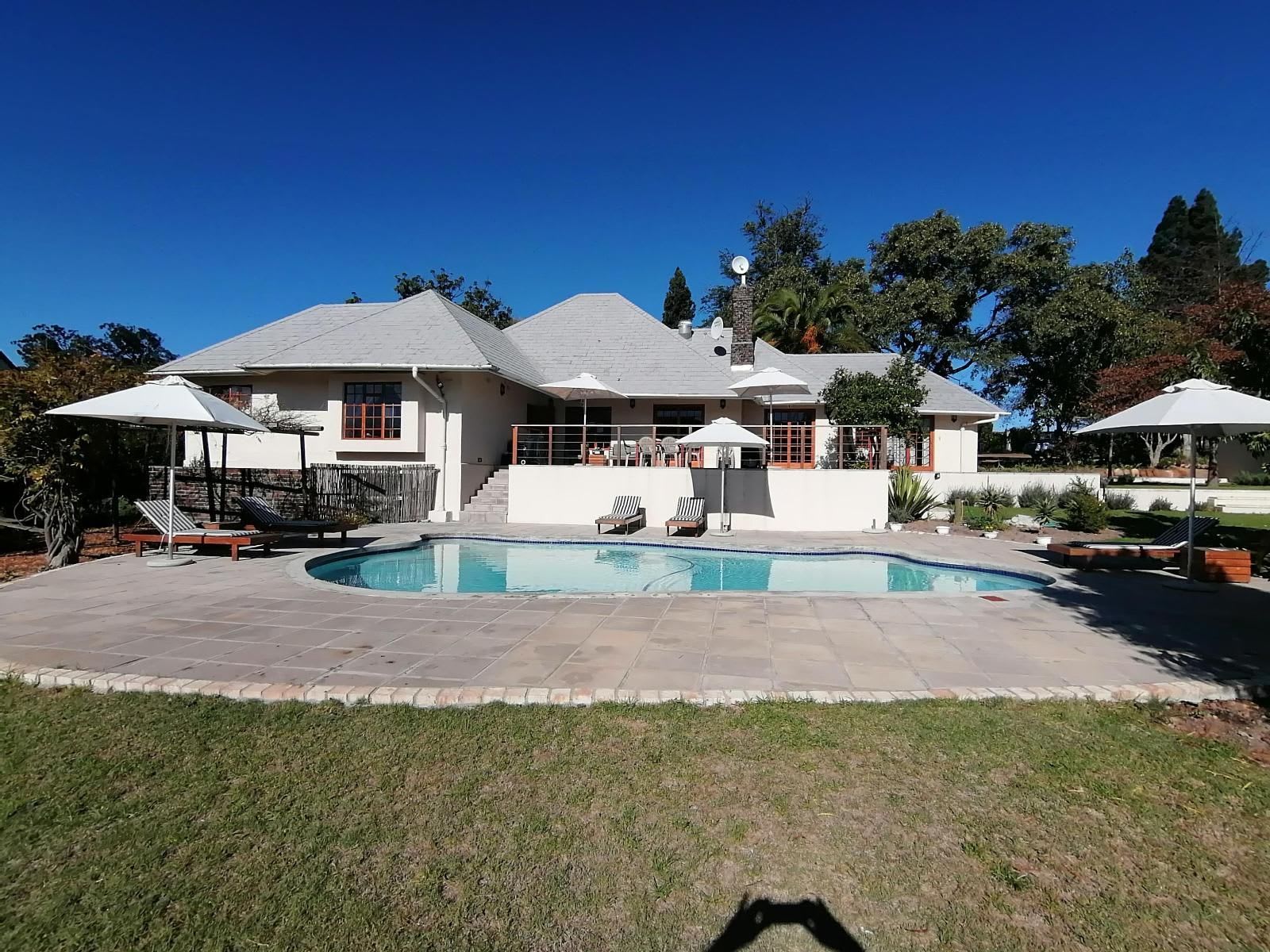
Stellenbosch
Fynbos biome · English oak
Supports Cape Leopard Trust
From R 1,465 a night

The Crags, Plettenberg Bay
Fynbos biome
Supports National Sea Rescue Institute
From R 1,950 a night
Fynbos is the vegetation of the Cape Floral Kingdom, the smallest of the world’s six floral kingdoms and the only one contained within a single country. It is hard, narrow-leaved, low scrub that looks like nothing much from a moving car and turns out, when you stop and crouch, to hold more plant species per hectare than almost anywhere on earth. Most of them grow nowhere else.
It also burns. Fynbos needs fire every fifteen years or so to release seed, which is why a recently burnt slope is not a disaster but the start of the most spectacular flowering you will see.
The stays here sit inside that system: farms with a conservancy on the boundary, cottages on a mountain reserve, guesthouses on the coast where fynbos runs down to the sea. Many of the causes their bookings support are clearing invasive alien trees, which is the single biggest threat to both the plants and the water they protect.
Something is in flower in every month, but the main show is roughly August to October, after the winter rain. Proteas and ericas carry the late winter and spring; the season shifts with rainfall, so treat those months as a guide rather than a date.
Mostly the Western Cape and the western parts of the Eastern Cape, in a belt along the mountains and the coast. It is the dominant vegetation of the Cape Peninsula, the Overberg, the Cederberg and much of the southern Cape.
It has a small number of species but a high proportion you will not see anywhere else, including the Cape Sugarbird and the Orange-breasted Sunbird, both tied to proteas and ericas. Many fynbos stays on Spekboom are also flagged bird friendly.


