
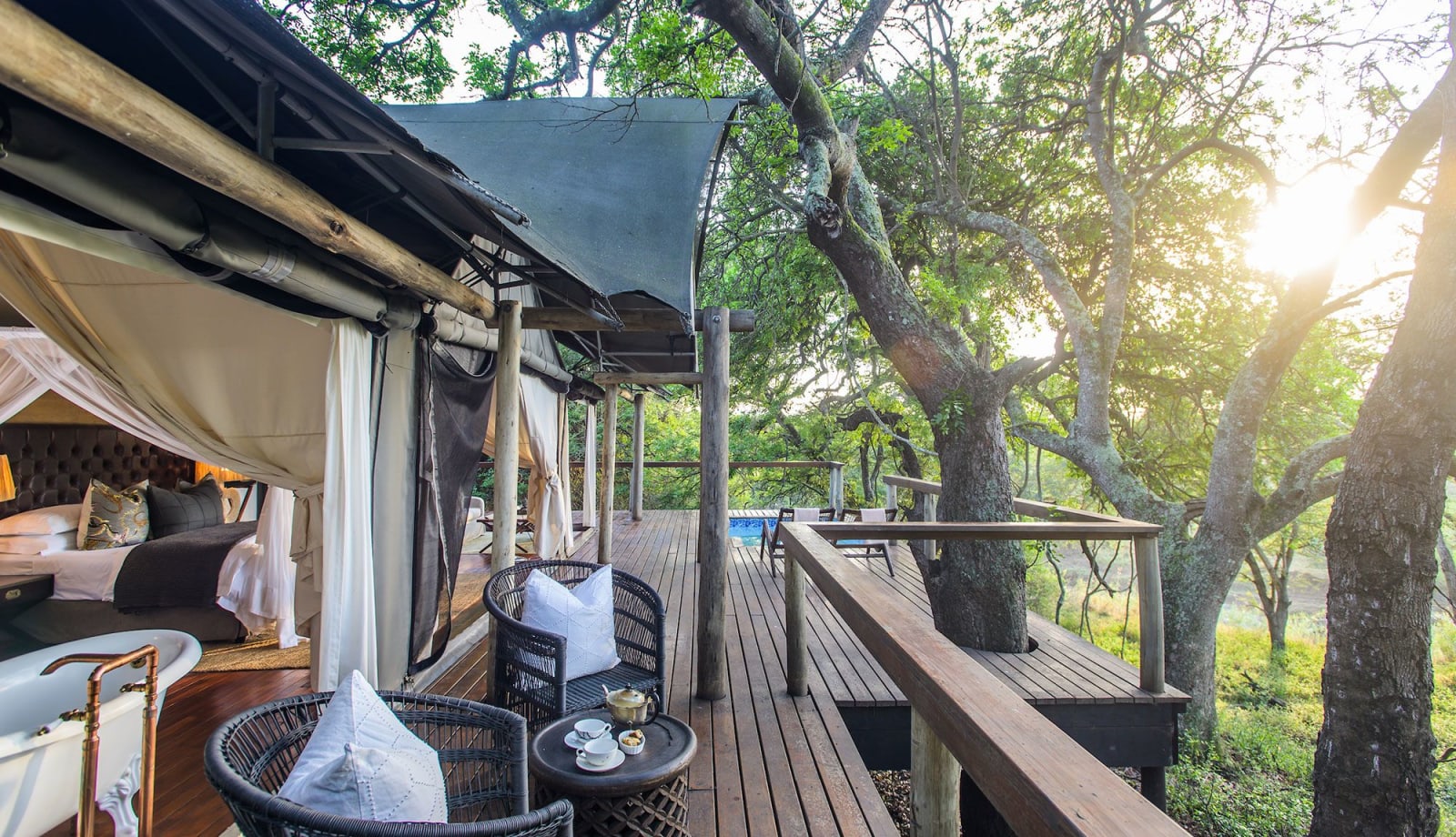
Rhino Sands Safari Camp
Hazyview
From R 22,680a night
Across Africa
Hazyview

Sundays River Valley, Addo


Hoedspruit

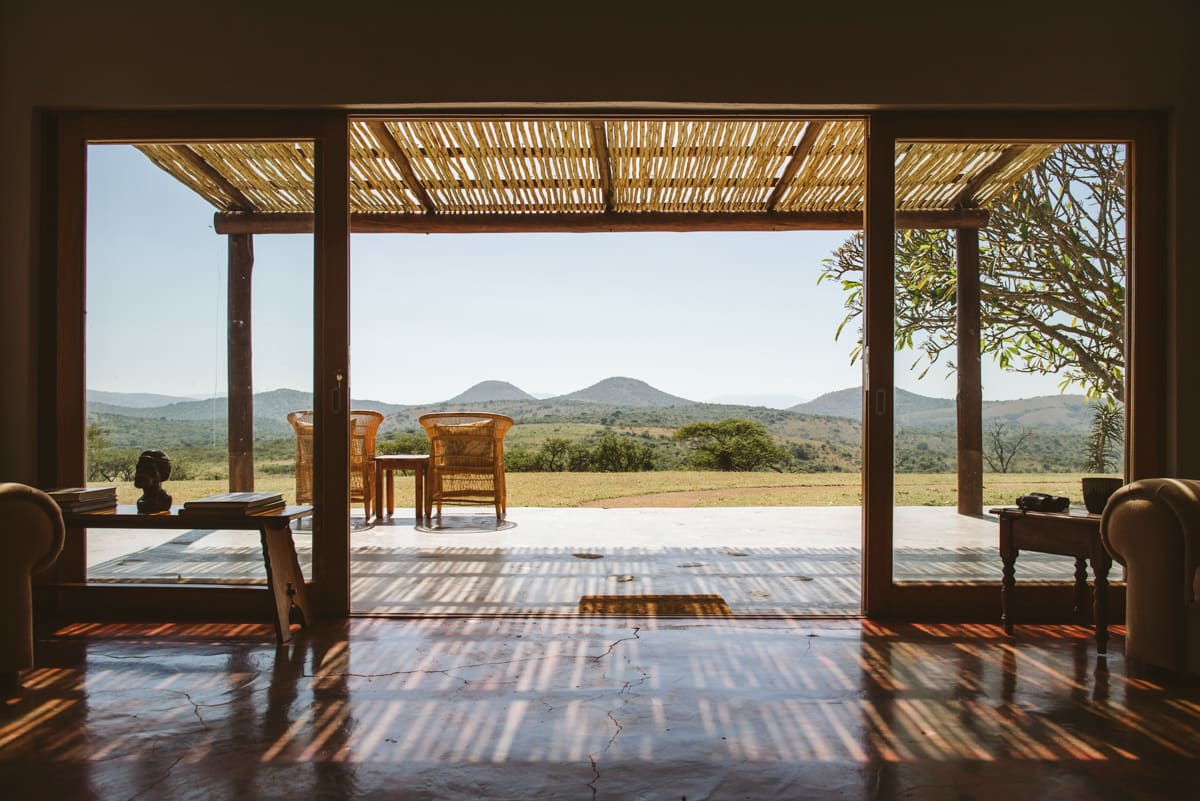
Magudu
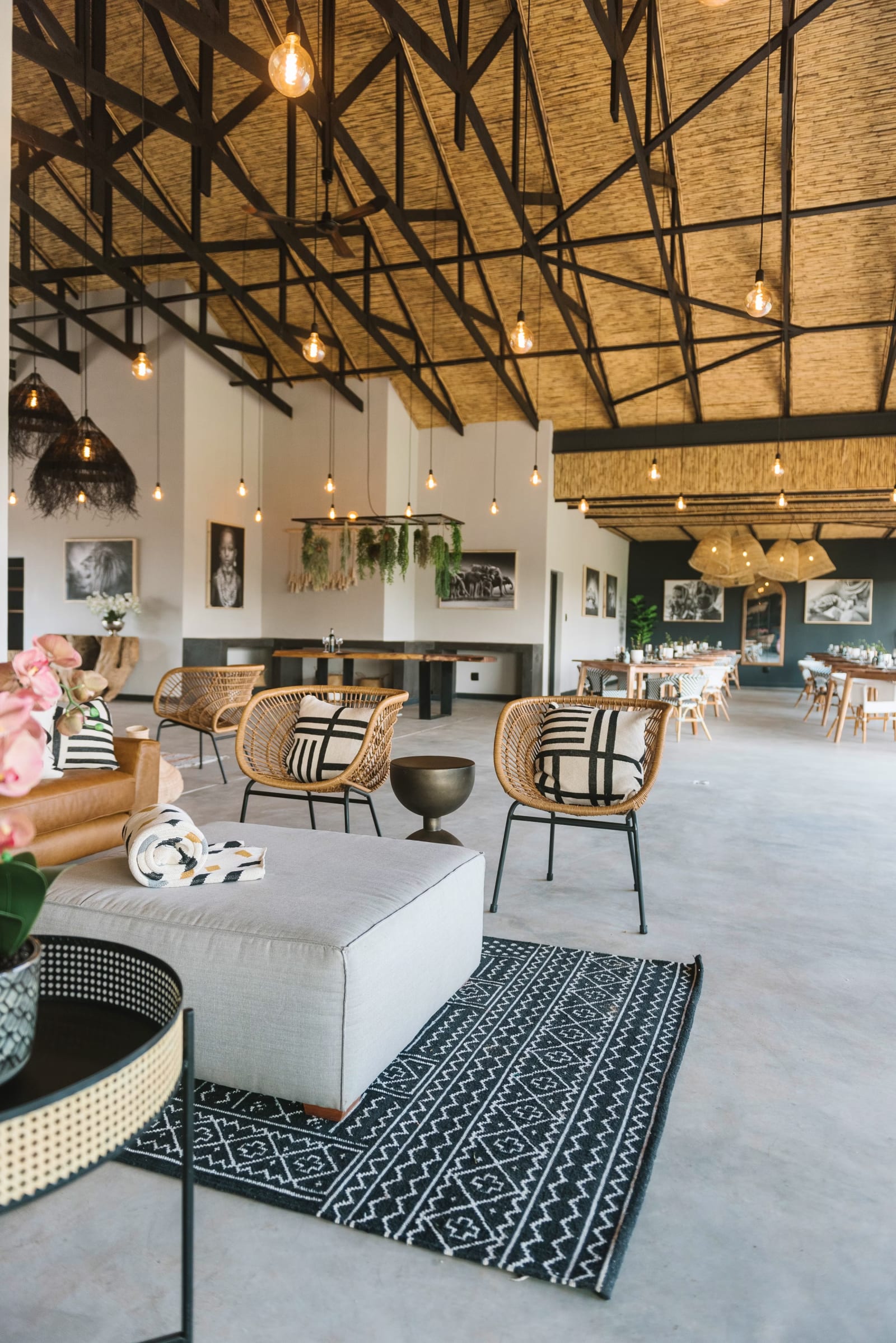
Kruger National Park

Kruger National Park
Across Africa. Rates on request.

Masai Mara National Reserve

Narok County

Kruger National Park

Kruger National Park
Sabi Sand Game Reserve
Paterson

Kruger National Park

Madikwe

Amakhala Game Reserve

Sundays River Valley, Addo

Vaalwater


Touws River


Mokala National Park

Mont Eco Private Game Reserve

Addo Elephant National Park

Kruger National Park

Hluhluwe-iMfolozi Park

Hluhluwe-iMfolozi Park

Next stop
Bushveld game country and the southern gates of the Kruger
See places that give backThe Big Five are lion, leopard, elephant, buffalo and rhino. The name comes from hunting, not from tourism: these were the five animals considered most dangerous to pursue on foot. It stuck as a checklist, and it is still the shorthand most people use when they mean a proper game reserve.
The stays here are on reserves where hosts have recorded all five. That is a statement about what lives on the land, not a promise about your three nights. Leopard in particular is nocturnal, solitary and genuinely hard to find; plenty of people leave without one, including people who paid a great deal.
Where Spekboom differs from a booking site is what happens behind the sighting. Rhino on these reserves are protected at real cost, and a share of the commission on every booking goes to the conservation cause attached to the stay. Each listing names its own.
Lion, leopard, elephant, buffalo and rhinoceros. The term comes from colonial era hunting, where it described the five most dangerous animals to hunt on foot, and it survives today as a wildlife watching checklist.
No. No reserve can promise that, in any season, at any price. Leopard is the one most people miss. These listings are reserves where hosts have recorded all five, which is a fact about the land, not a forecast of your stay.
The dry winter months, roughly May to September, are easier: the bush is thin and animals gather at the remaining water. Summer is green and hotter, with newborn animals and much better birding.
A share of the host commission goes to the conservation cause linked to the stay, and on many of these reserves that work is anti-poaching and habitat protection. The cause is named on each listing.
