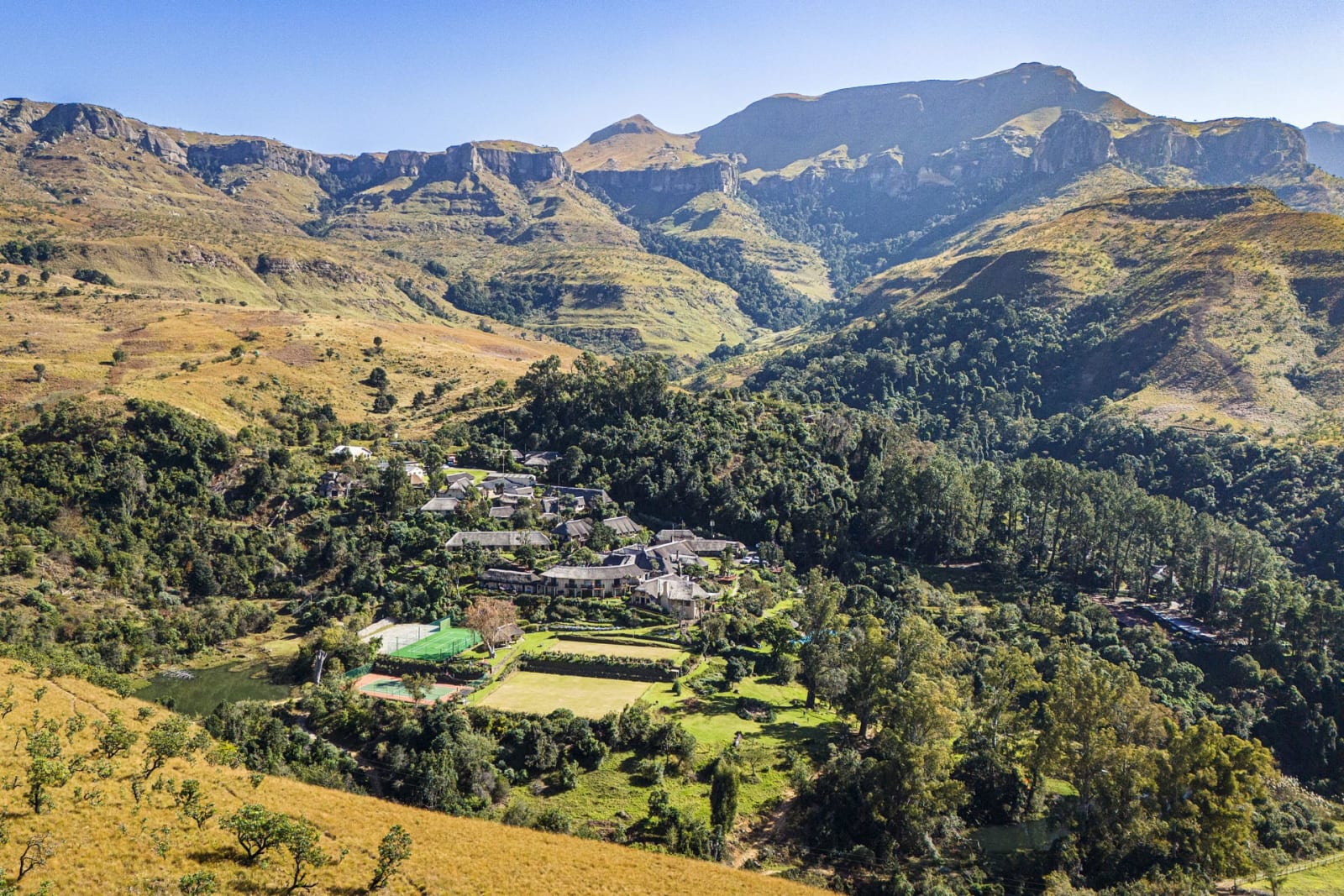
The Cape batis (Batis capensis) is a small, stout insect-eating passerine bird in the wattle-eye family.
Recorded year-round
Recorded in every month, so no month is the wrong month to look. We would rather say that than invent a best time.
Curve from 1,965 national iNaturalist observations, not from one property. Single-month spikes are discarded as upload artefacts, and below 50 records we show no curve at all.
Western Cape and beyond
Provinces where Cape Batis is most recorded. Tap one to find places to stay.
1,965 records, iNaturalist
75+ resultados em África do Sul
Planejando uma viagem
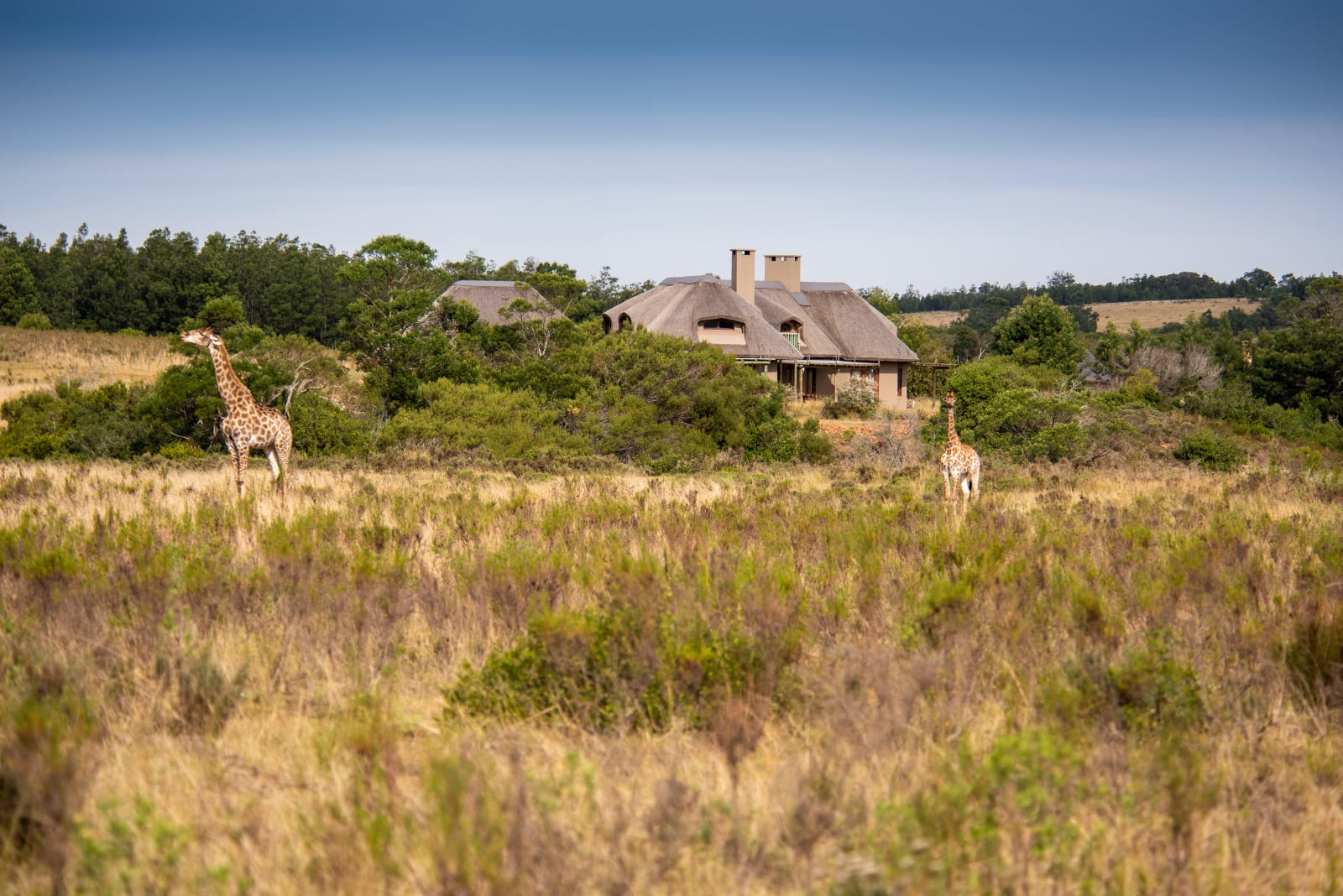
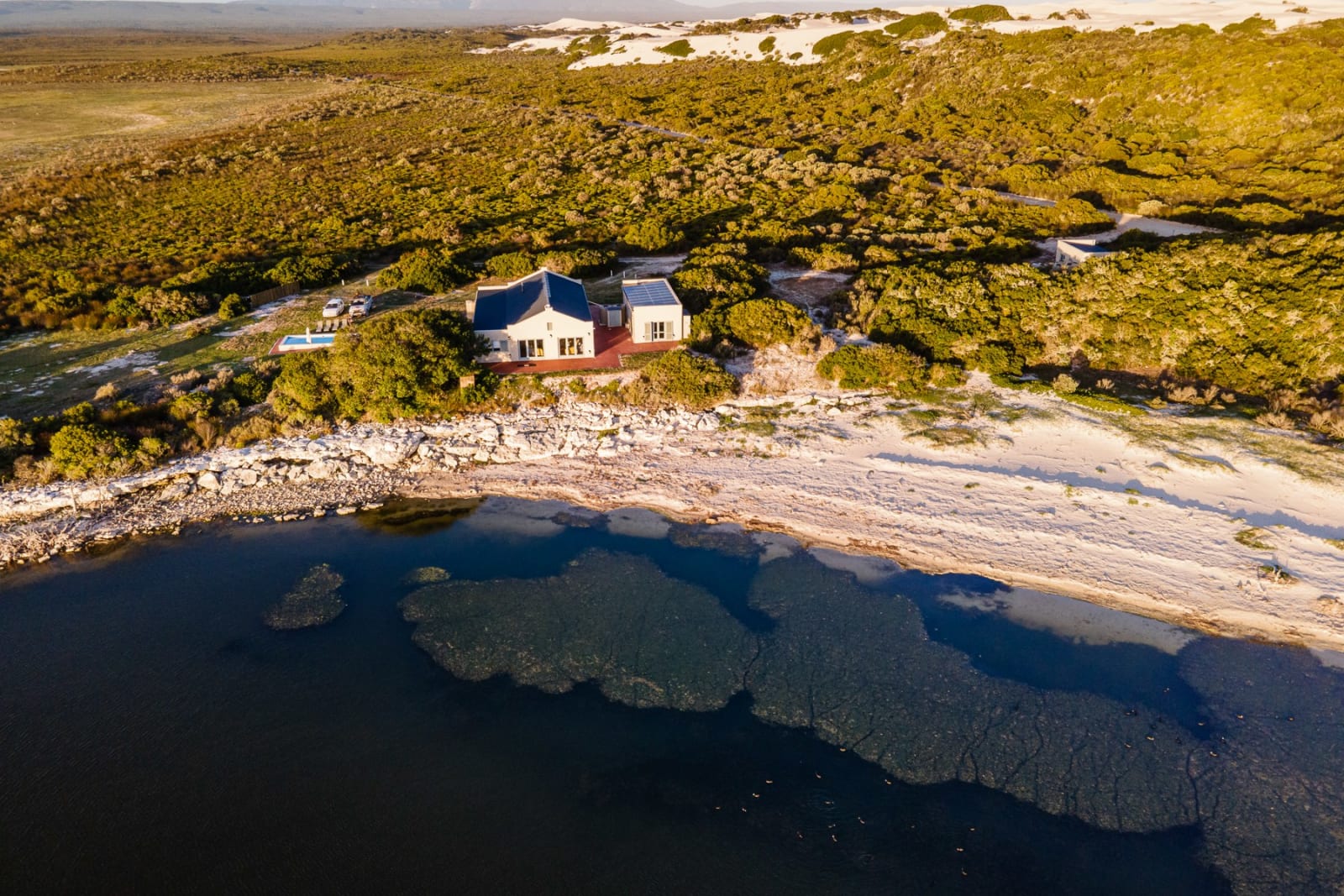
Os anfitriões registraram esta espécie (Cape Batis) em hospedagens dentro ou ao lado de Gondwana Game Reserve.
Safáris guiados a partir de um lodge
Um guia que sabe onde procurar, com saídas fora da estrada e safáris noturnos nas reservas privadas.
Onde os anfitriões registram
Espécie
Batis capensis
Registros
1 965
Observações no iNaturalist
Cada reserva no Spekboom apoia a conservação.
Um registro significa que um anfitrião avistou esta espécie (Cape Batis) na propriedade ou nas proximidades. Nunca é garantia de avistamento.
Hosts on Spekboom have recorded the Cape Batis at stays in or beside Gondwana Game Reserve. A record means a host has seen it on the property or nearby, which makes these the places to base yourself; it is never a guarantee of a sighting on any given day.
The Cape Batis is most recorded in Western Cape (74% of records), KwaZulu-Natal (11% of records), Eastern Cape (8% of records), based on 1 965 iNaturalist observations. 75 places to stay on Spekboom in South Africa have recorded the Cape Batis on site or nearby.
The Cape Batis is recorded throughout the year, so no month is the wrong month to look for it. For the parks where hosts record it most, these are the best seasons they give. Gondwana Game Reserve: Sep-Apr, flowers Aug-Oct. In the dry months animals concentrate at water and the grass is short.
The Cape batis (Batis capensis) is a small, stout insect-eating passerine bird in the wattle-eye family. It is endemic to the Afromontane forests of southern Africa.