
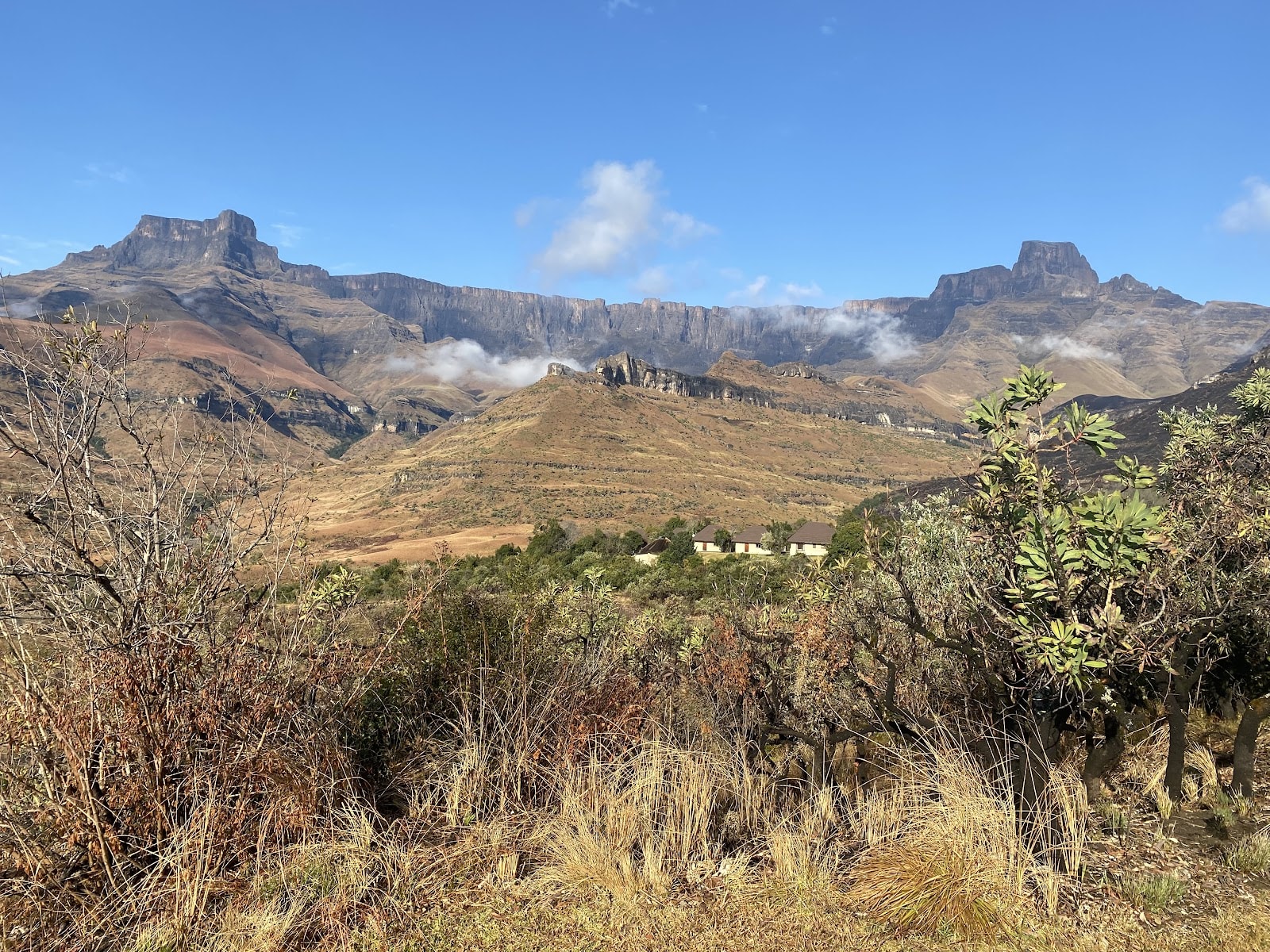
uKhahlamba-Drakensberg Park
KwaZulu-Natal · Year-round
10 lugares

The bearded vulture (Gypaetus barbatus), also known as the lammergeier or ossifrage, is a bird of prey and the only member of the genus Gypaetus.
Recorded year-round
Recorded in every month, so no month is the wrong month to look. We would rather say that than invent a best time.
Curve from 191 national iNaturalist observations, not from one property. Single-month spikes are discarded as upload artefacts, and below 50 records we show no curve at all.
KwaZulu-Natal and beyond
Provinces where Bearded Vulture is most recorded. Tap one to find places to stay.
191 records, iNaturalist
Por todo o África do Sul

Drakensberg, Bergville

Avistado com frequência · Observação de aves

Nottingham Road
Bearded Vulture: registrado aqui

Rhodes

Avistado com frequência · Observação de aves

Golden Gate Highlands National Park
Bearded Vulture: registrado aqui
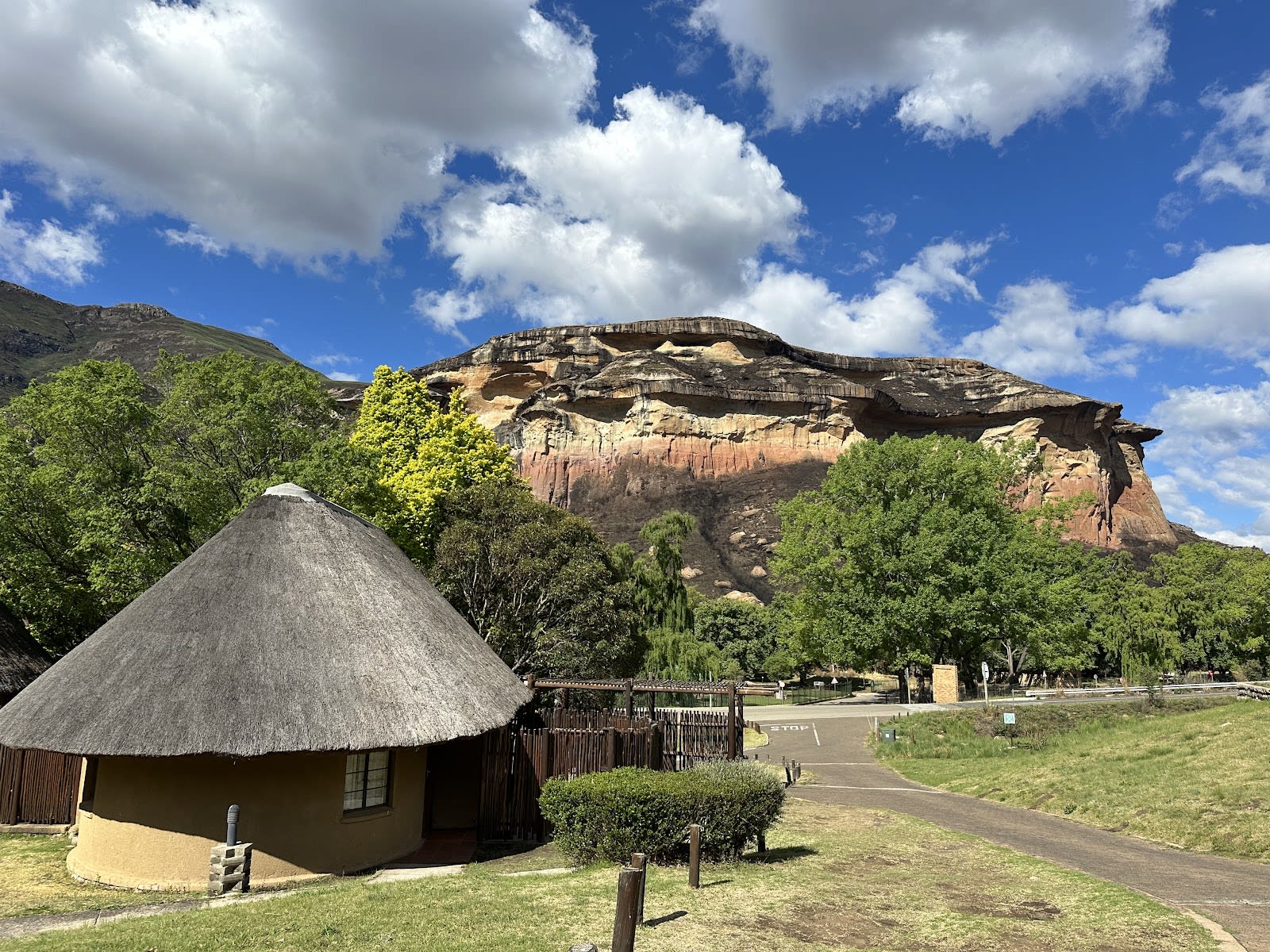
Golden Gate Highlands National Park
Bearded Vulture: registrado aqui

Golden Gate Highlands National Park
Bearded Vulture: registrado aqui
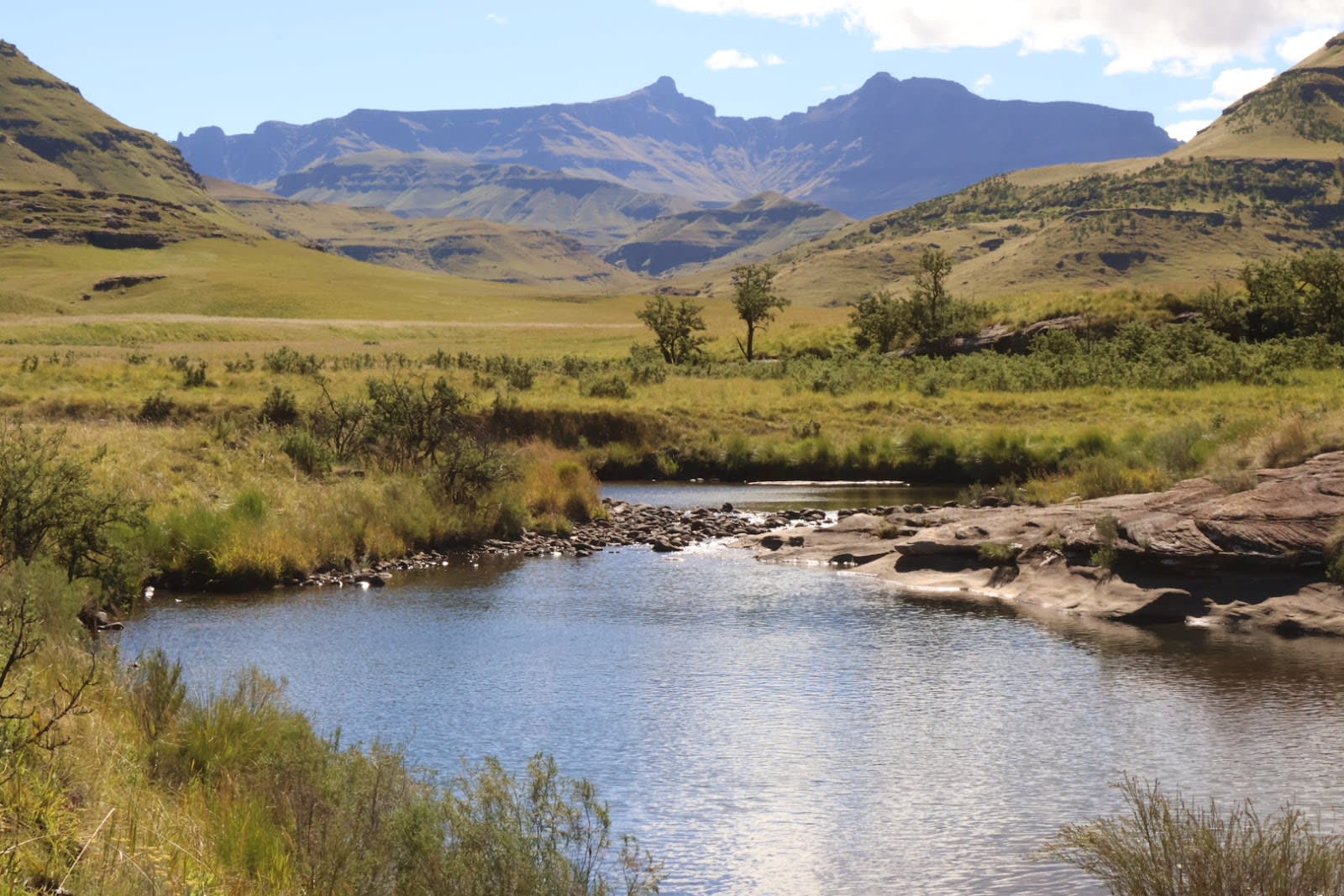
uKhahlamba-Drakensberg Park
Bearded Vulture: registrado aqui
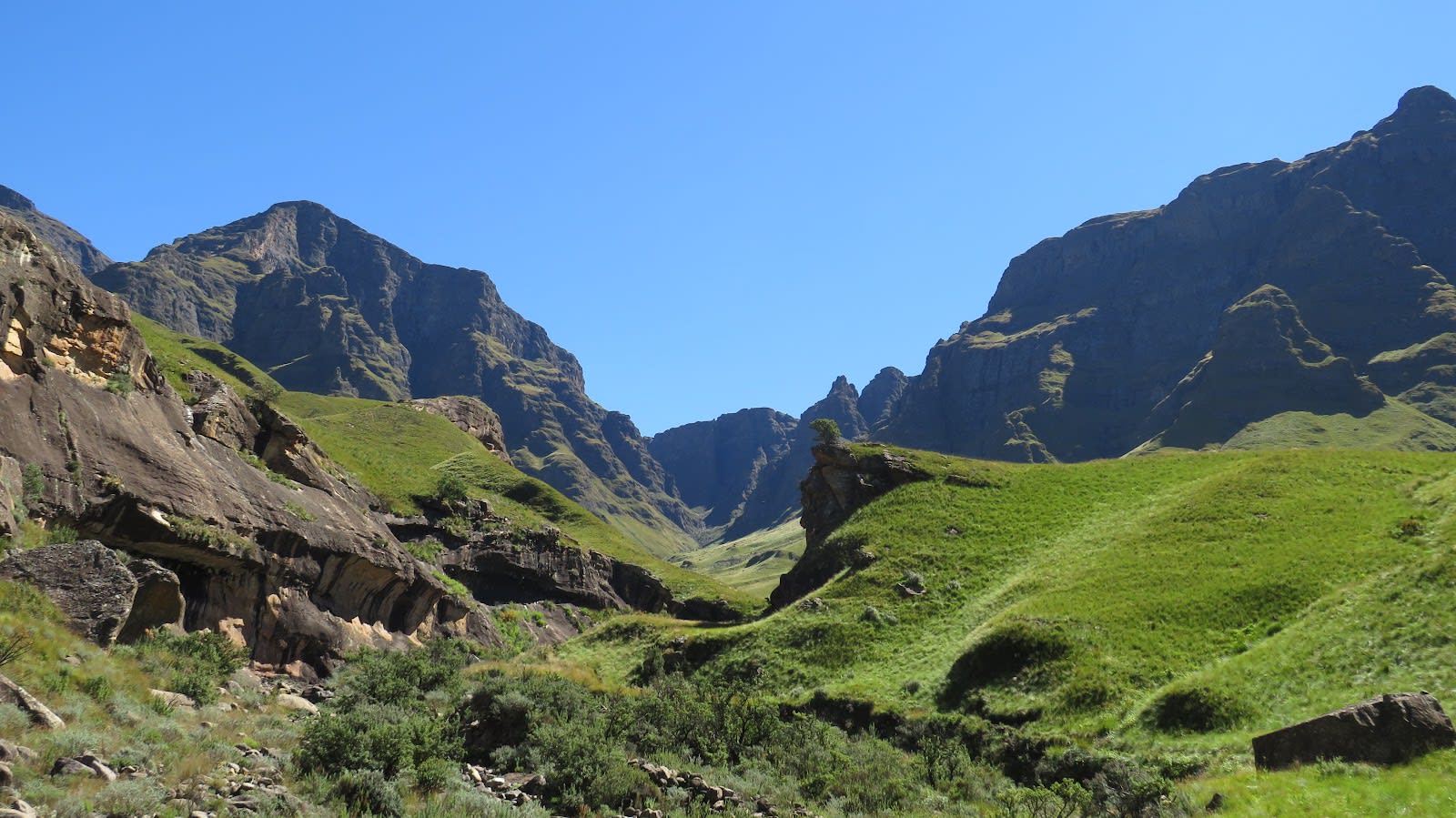
uKhahlamba-Drakensberg Park
Bearded Vulture: registrado aqui

Mount Currie Nature Reserve
Bearded Vulture: registrado aqui

uKhahlamba-Drakensberg Park
Bearded Vulture: registrado aqui

uKhahlamba-Drakensberg Park
Bearded Vulture: registrado aqui
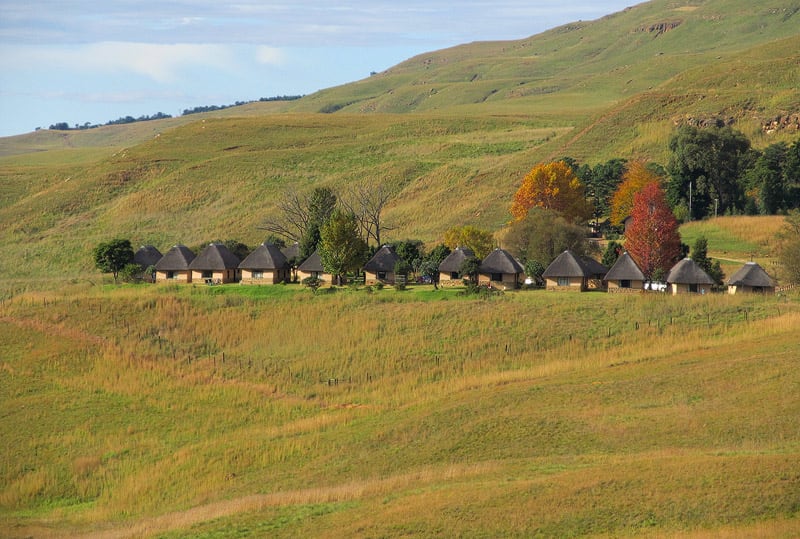
uKhahlamba-Drakensberg Park
Bearded Vulture: registrado aqui

Spioenkop Resort
Bearded Vulture: registrado aqui

uKhahlamba-Drakensberg Park
Bearded Vulture: registrado aqui
uKhahlamba-Drakensberg Park
Bearded Vulture: registrado aqui
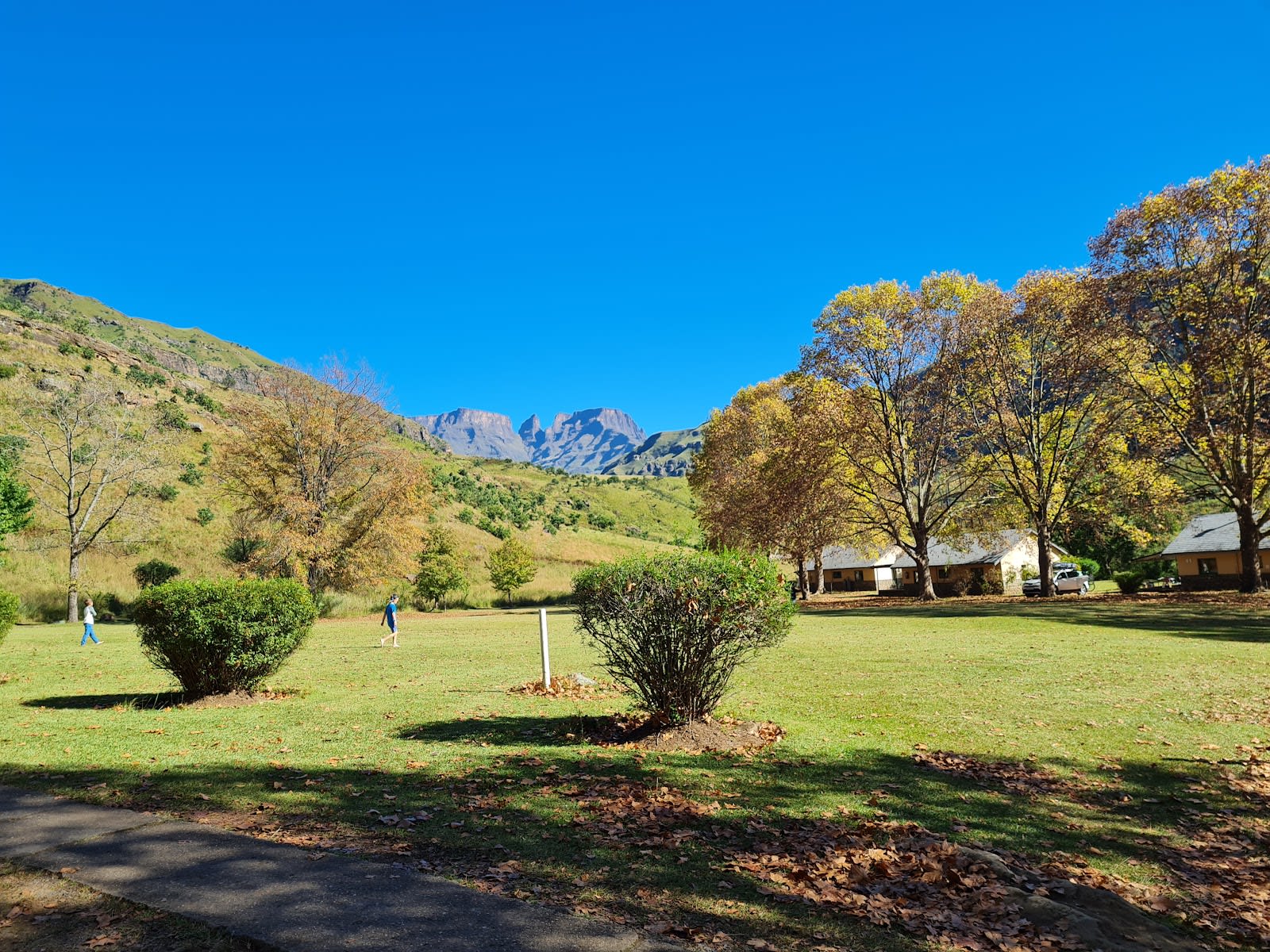
uKhahlamba-Drakensberg Park
Bearded Vulture: registrado aqui
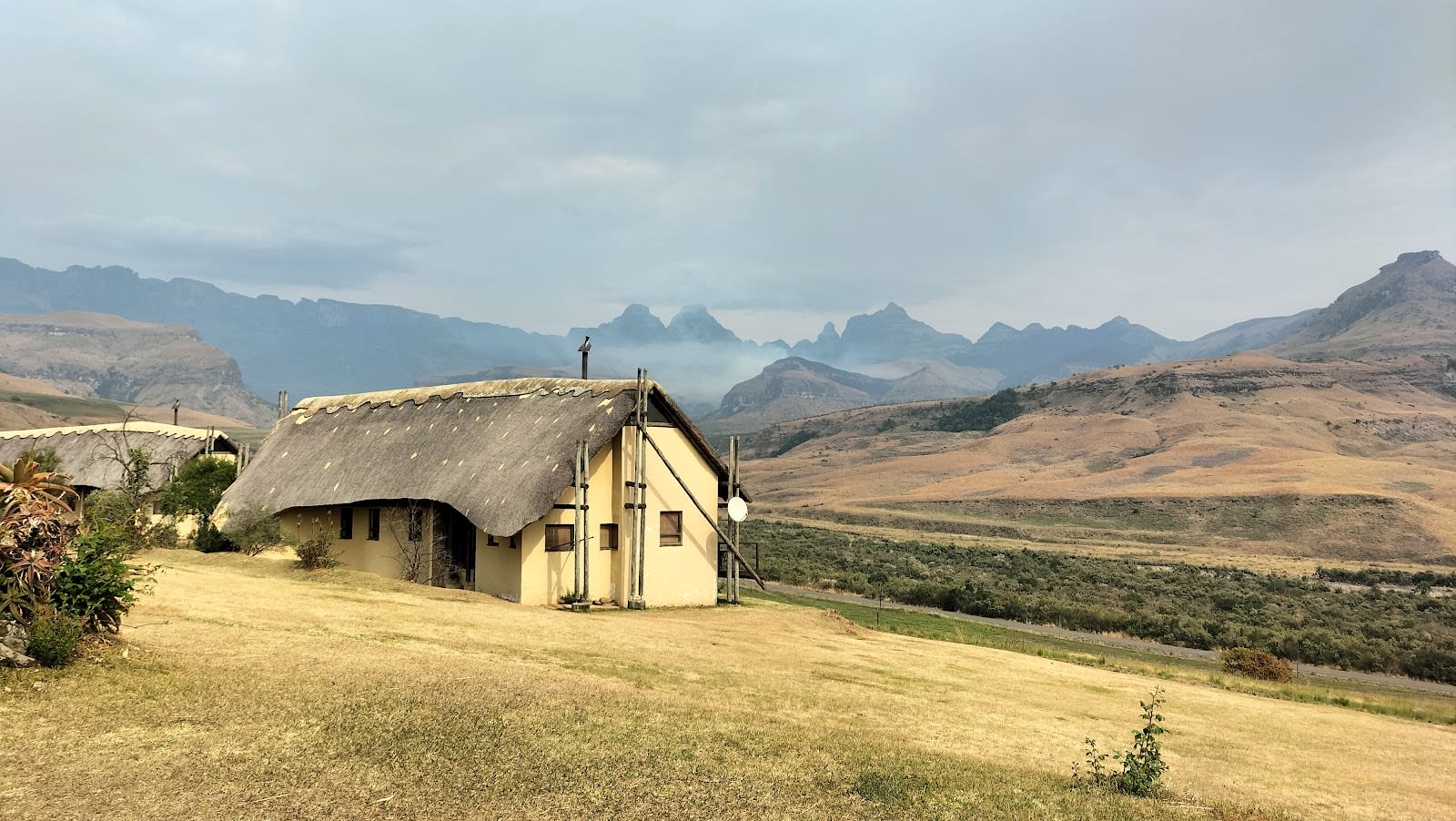
uKhahlamba-Drakensberg Park
Bearded Vulture: registrado aqui
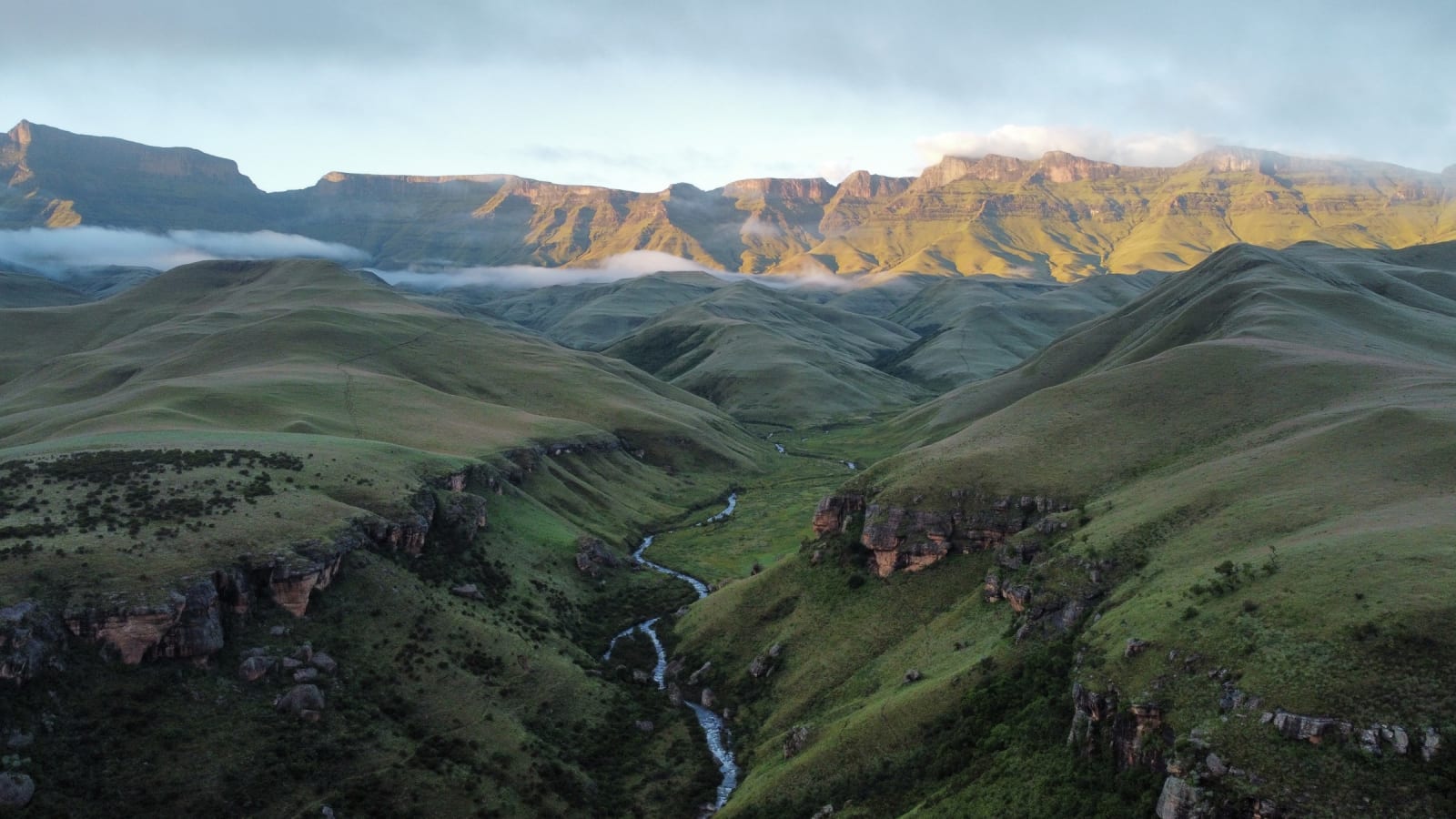
uKhahlamba-Drakensberg Park
Bearded Vulture: registrado aqui

Estcourt
Avistado com frequência · Observação de aves

Voëlklip, Hermanus

Swellendam

Hazyview


Riebeek Valley, Riebeek West
Observação de aves

Gardens, Cape Town

Próxima paragem
Rolling green hills, dairy farms, and pottery studios
Ver lugares que retribuemPlanejando uma viagem
Os anfitriões registraram esta espécie (Bearded Vulture) em hospedagens dentro ou ao lado de uKhahlamba-Drakensberg Park, Golden Gate Highlands National Park and Giants Castle Game Reserve.
uKhahlamba-Drakensberg · Giants Castle · Kamberg
Golden Gate Highlands
Dirija por conta própria
Seu próprio veículo e seu próprio ritmo, nas estradas do parque.
Onde os anfitriões registram
Lista Vermelha da IUCN
Near Threatened
Espécie
Gypaetus barbatus
Registros
191
Observações no iNaturalist
Cada reserva no Spekboom apoia a conservação.
Um registro significa que um anfitrião avistou esta espécie (Bearded Vulture) na propriedade ou nas proximidades. Nunca é garantia de avistamento.
Hosts on Spekboom have recorded the Bearded Vulture at stays in or beside uKhahlamba-Drakensberg Park, Golden Gate Highlands National Park, Giants Castle Game Reserve, Kamberg Nature Reserve, Mount Currie Nature Reserve and Royal Natal National Park and other reserves. A record means a host has seen it on the property or nearby, which makes these the places to base yourself; it is never a guarantee of a sighting on any given day.
The Bearded Vulture is most recorded in KwaZulu-Natal (63% of records), Free State (25% of records), Eastern Cape (13% of records), based on 191 iNaturalist observations. 19 places to stay on Spekboom in South Africa have recorded the Bearded Vulture on site or nearby.
The Bearded Vulture is recorded throughout the year, so no month is the wrong month to look for it. For the parks where hosts record it most, these are the best seasons they give. uKhahlamba-Drakensberg Park: year-round, dry season May-Sep; Golden Gate Highlands National Park: Mar-May, Aug-Oct; Giants Castle Game Reserve: year-round, dry season May-Sep; Kamberg Nature Reserve: year-round, dry season May-Sep. In the dry months animals concentrate at water and the grass is short.
The Bearded Vulture (Gypaetus barbatus) is listed as Near Threatened on the IUCN Red List.
The bearded vulture (Gypaetus barbatus), also known as the lammergeier or ossifrage, is a bird of prey and the only member of the genus Gypaetus. Traditionally considered an Old World vulture, it actually forms a minor lineage of Accipitridae together with the Egyptian vulture, its closest living relative.
