
Kruger National Park
Limpopo · Best Apr to Sep
42 luoghi

The yellow-bellied eremomela (Eremomela icteropygialis) is an Old World warbler.
Recorded year-round
Recorded in every month, so no month is the wrong month to look. We would rather say that than invent a best time.
Curve from 195 national iNaturalist observations, not from one property. Single-month spikes are discarded as upload artefacts, and below 50 records we show no curve at all.
Northern Cape and beyond
Provinces where Yellow-bellied Eremomela is most recorded. Tap one to find places to stay.
195 records, iNaturalist
In tutto il Sudafrica

Oudtshoorn

Avvistato spesso · Birder Friendly

Hazyview

Yellow-bellied Eremomela: segnalato qui

Kruger National Park

Avvistato spesso · Birder Friendly

Kruger National Park
Avvistato spesso · Birder Friendly

Kruger National Park
Avvistato spesso · Birder Friendly

Hluhluwe-Imfolozi Park

Yellow-bellied Eremomela: segnalato qui

Kruger National Park
Avvistato spesso · Birder Friendly

Kruger National Park
Yellow-bellied Eremomela: segnalato qui

Kruger National Park

Yellow-bellied Eremomela: segnalato qui
Kruger National Park

Yellow-bellied Eremomela: segnalato qui

Kruger National Park
Yellow-bellied Eremomela: segnalato qui

Kruger National Park
Yellow-bellied Eremomela: segnalato qui

Kruger National Park
Yellow-bellied Eremomela: segnalato qui

Kruger National Park
Yellow-bellied Eremomela: segnalato qui

Kruger National Park
Yellow-bellied Eremomela: segnalato qui

Kruger National Park
Yellow-bellied Eremomela: segnalato qui

Swartberg Nature Reserve
Yellow-bellied Eremomela: segnalato qui

Kruger National Park
Yellow-bellied Eremomela: segnalato qui

Aberdeen
Avvistato spesso · Birder Friendly

Montagu
Avvistato spesso · Birder Friendly

Kruger National Park
Yellow-bellied Eremomela: segnalato qui

Bronkhorstspruit

Avvistato spesso · Birder Friendly
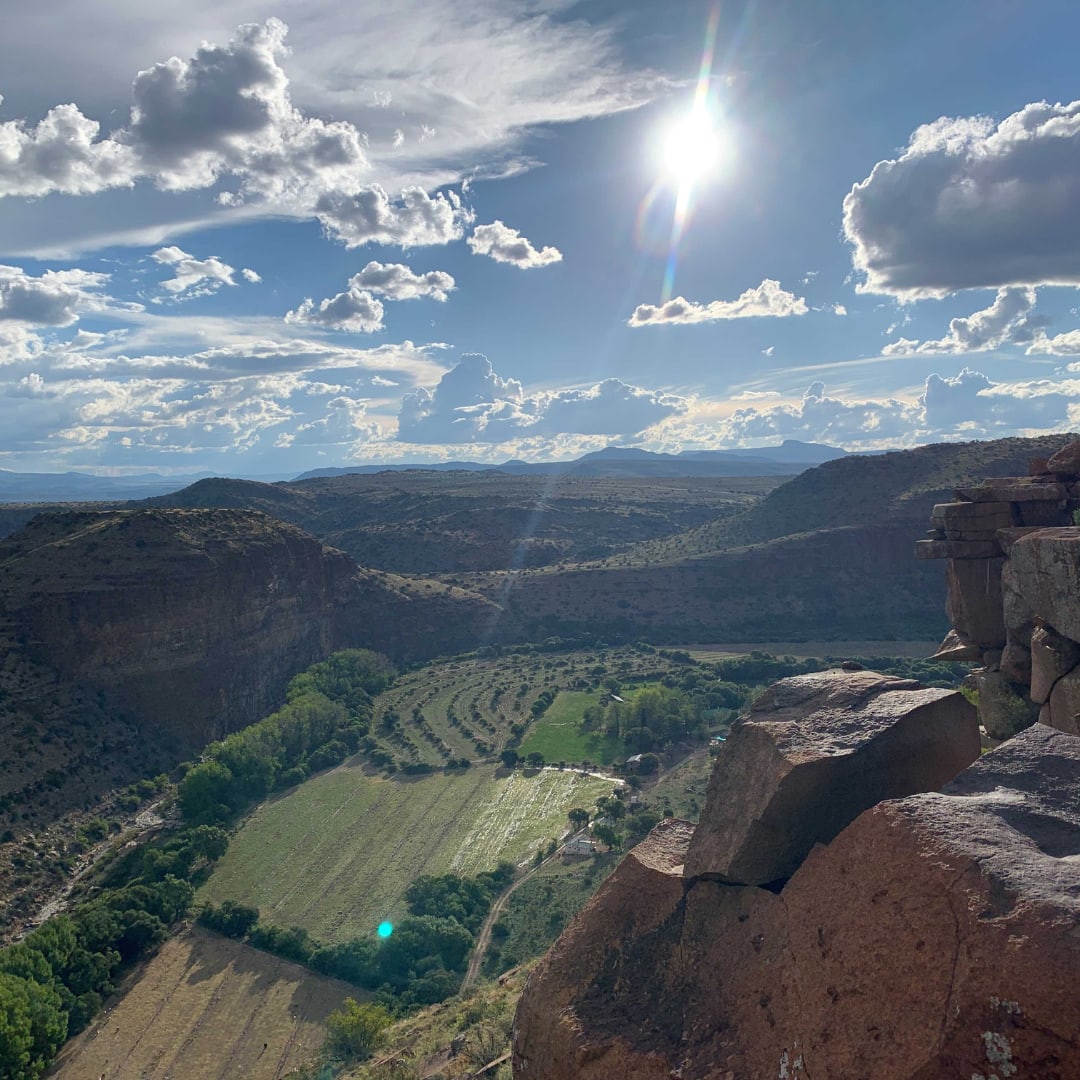
Nieu Bethesda
Avvistato spesso · Birder Friendly

Kruger National Park
Yellow-bellied Eremomela: segnalato qui

Prossima tappa
Sandstone amphitheatres and cool mountain air
Vedi le strutture che sostengono una causaPianificare un viaggio
Gli host hanno segnalato questa specie (Yellow-bellied Eremomela) in strutture dentro o accanto a Kruger National Park, Kgalagadi Transfrontier Park and Anysberg Nature Reserve.
Kruger · Mapungubwe

Kgalagadi · Ai-Ais/Richtersveld · Mokala
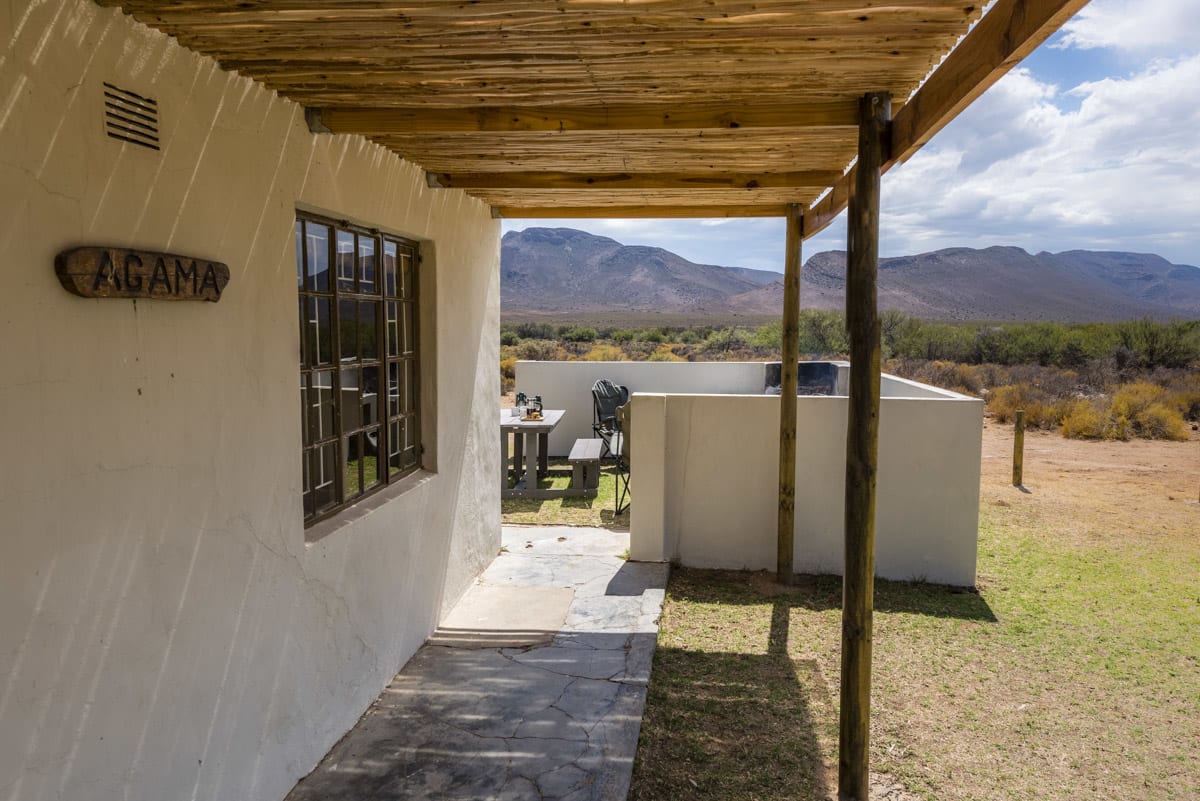
Anysberg · Gamkaberg · Vrolijkheid

Addo Elephant · Kwandwe · Tsitsikamma
Guidare in autonomia
Il Suo veicolo e il Suo ritmo, sulle strade del parco.
Dove lo segnalano gli host
Fotosafari guidati da un lodge
Una guida che sa dove guardare, con uscite fuoristrada e safari notturni nelle riserve private.
Dove lo segnalano gli host
Specie
Eremomela icteropygialis
Segnalazioni
195
Osservazioni su iNaturalist
Ogni prenotazione su Spekboom sostiene la conservazione.
Una segnalazione significa che un host ha visto questa specie (Yellow-bellied Eremomela) nella struttura o nei dintorni. Non è mai una garanzia di avvistamento.
Hosts on Spekboom have recorded the Yellow-bellied Eremomela at stays in or beside Kruger National Park, Kgalagadi Transfrontier Park, Anysberg Nature Reserve, Gamkaberg Nature Reserve, Addo Elephant National Park and Kwandwe Private Game Reserve and other reserves. A record means a host has seen it on the property or nearby, which makes these the places to base yourself; it is never a guarantee of a sighting on any given day.
The Yellow-bellied Eremomela is most recorded in Northern Cape (41% of records), Western Cape (33% of records), Limpopo (7% of records), based on 195 iNaturalist observations. 107 places to stay on Spekboom in South Africa have recorded the Yellow-bellied Eremomela on site or nearby.
The Yellow-bellied Eremomela is recorded throughout the year, so no month is the wrong month to look for it. For the parks where hosts record it most, these are the best seasons they give. Kruger National Park: Apr-Sep; Kgalagadi Transfrontier Park: Aug-Oct, flowers, Mar-May; Anysberg Nature Reserve: Autumn and spring, Mar-May, Sep-Nov; Gamkaberg Nature Reserve: Autumn and spring, Mar-May, Sep-Nov. In the dry months animals concentrate at water and the grass is short.
The yellow-bellied eremomela (Eremomela icteropygialis) is an Old World warbler. However, the taxonomy of the "African warblers", an assemblage of usually species-poor and apparently rather ancient "odd warblers" from Africa is currently in a state of flux. Today, most taxonomists consider members in this genus members of the Cisticolidae family.