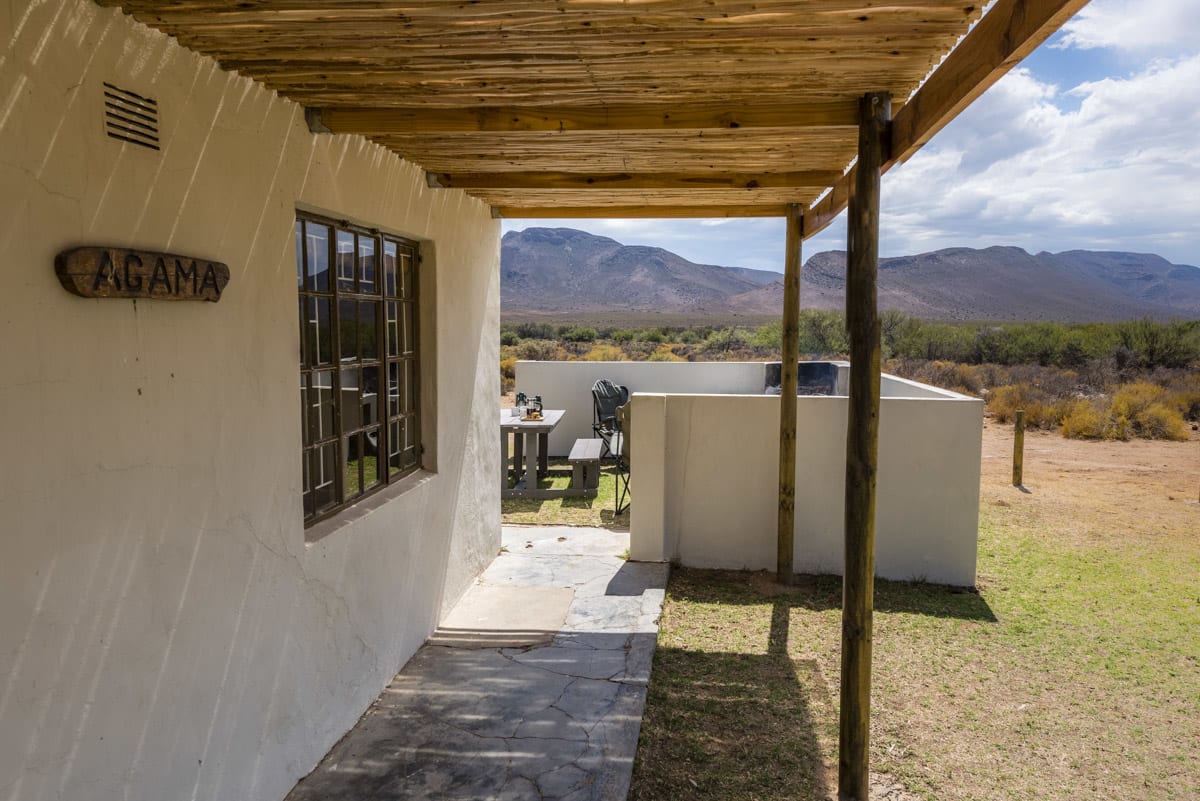
Cederberg Wilderness Area
Western Cape · Best Sep to Apr
9 lieux

The laughing dove (Spilopelia senegalensis) is a small pigeon that is a resident breeder in Africa, the Middle East, South Asia, and Western Australia where it has established itself in the wild after being released from Perth Zoo in 1898.
Recorded year-round
Recorded in every month, so no month is the wrong month to look. We would rather say that than invent a best time.
Curve from 6,768 national iNaturalist observations, not from one property and not from this province. Single-month spikes are discarded as upload artefacts, and below 50 records we show no curve at all.
Western Cape and beyond
Provinces where Laughing Dove is most recorded. Tap one to find places to stay.
6,766 records, iNaturalist
À travers Cap-Occidental

Montagu · À partir de R 350 la nuit

Laughing Dove : espèce observée ici

Robertson · À partir de R 1,155 la nuit
Observé régulièrement · Accueillant pour les ornithologues

Riebeek Valley, Riebeek West · À partir de R 5,636 la nuit

Observé régulièrement · Accueillant pour les ornithologues

Oudtshoorn · À partir de R 5,060 la nuit

Observé régulièrement · Accueillant pour les ornithologues

Hunter's Home, Knysna · À partir de R 2,310 la nuit
Observé régulièrement · Accueillant pour les ornithologues
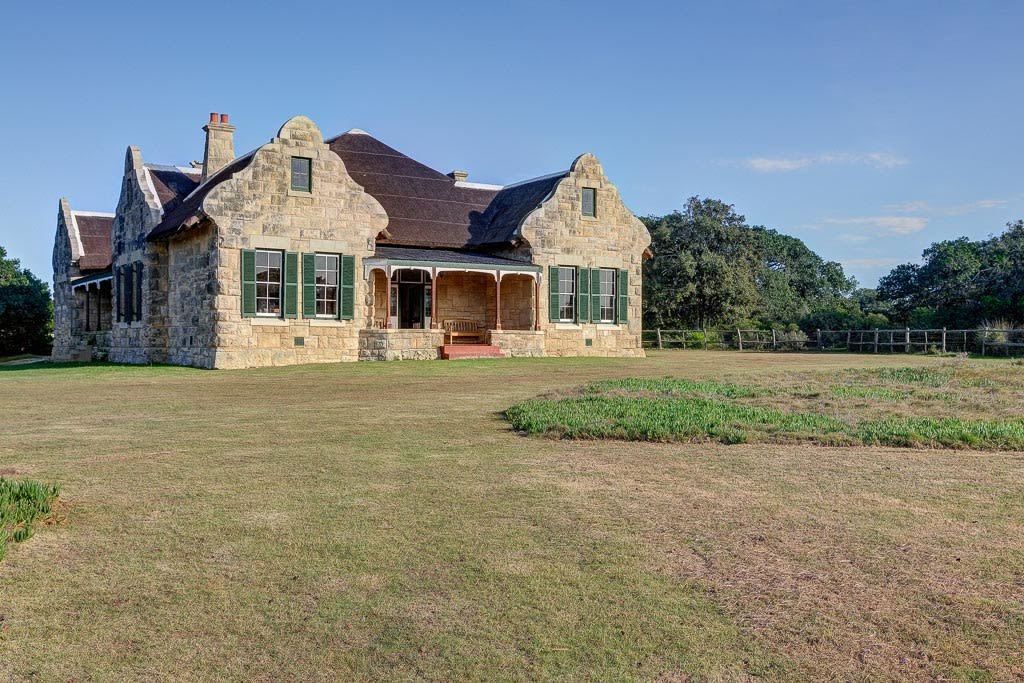
De Hoop Nature Reserve · Prix sur demande
Observé régulièrement · Accueillant pour les ornithologues

Swartberg Nature Reserve · À partir de R 630 la nuit
Laughing Dove : espèce observée ici

Pringle Bay · À partir de R 4,640 la nuit
Laughing Dove : espèce observée ici
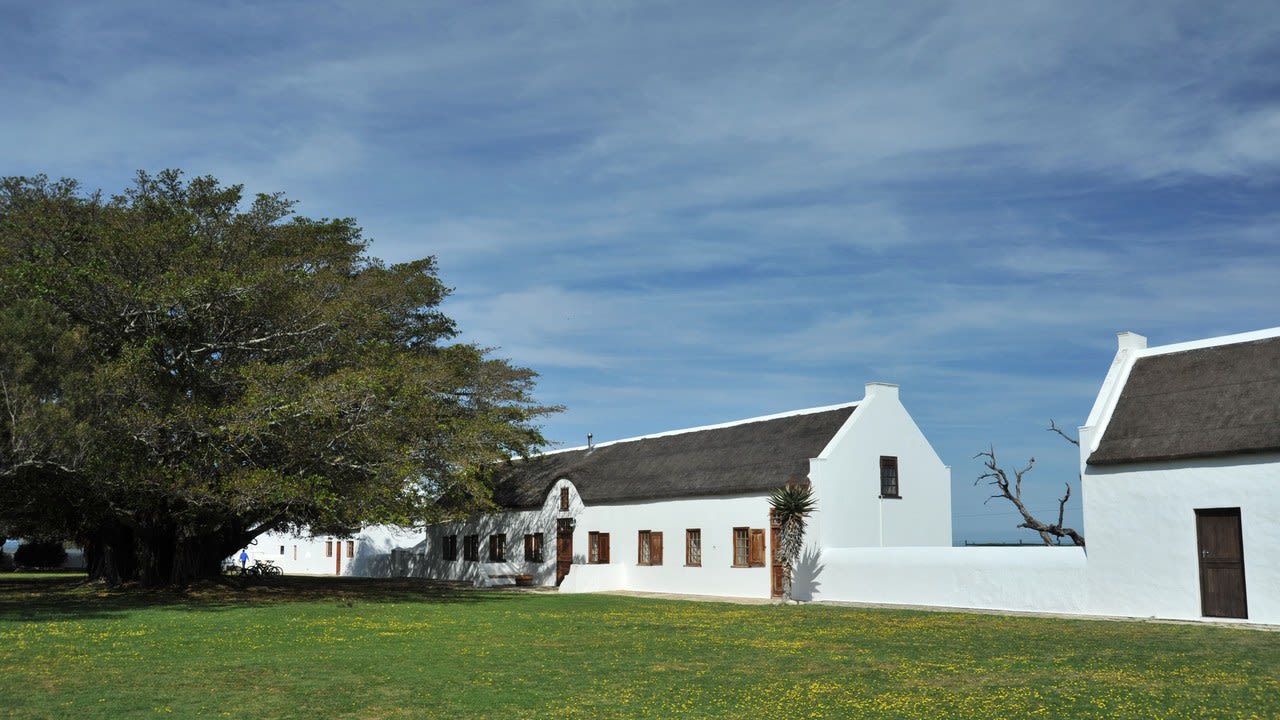
De Hoop Nature Reserve · Prix sur demande
Observé régulièrement · Accueillant pour les ornithologues

Marloth Nature Reserve · À partir de R 1,180 la nuit
Laughing Dove : espèce observée ici
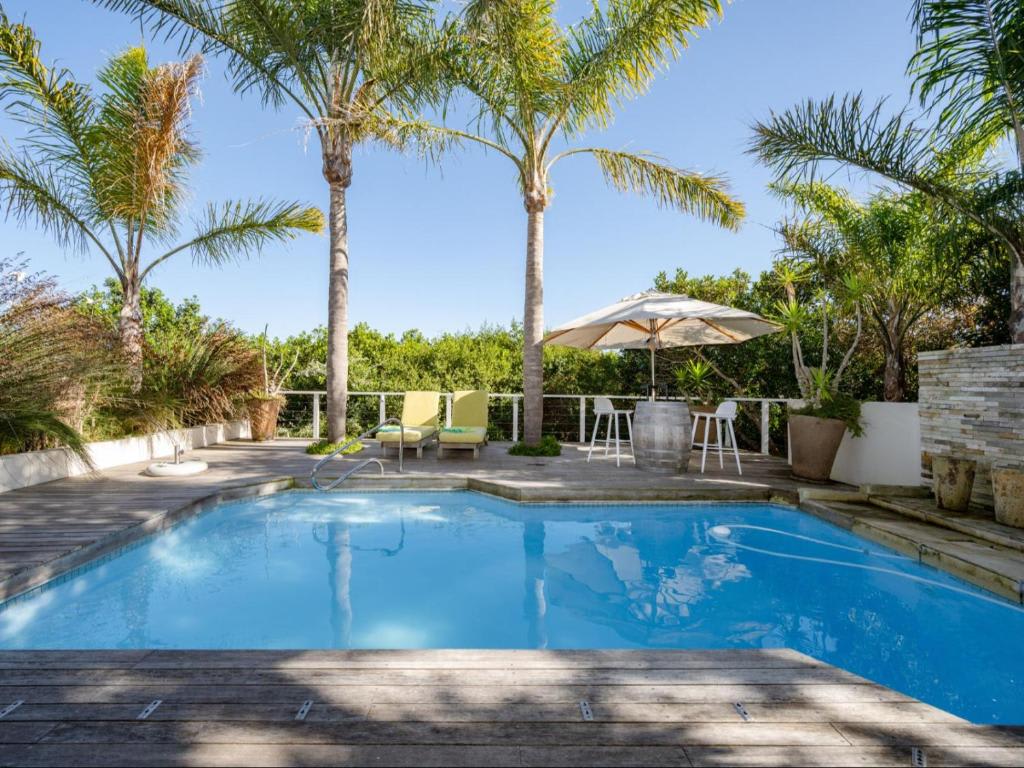
Keurbooms River Nature Reserve · À partir de R 2,170 la nuit
Laughing Dove : espèce observée ici

Glencairn, Cape Town · Prix sur demande
Observé régulièrement · Accueillant pour les ornithologues

Hottentots Holland Nature Reserve · À partir de R 680 la nuit
Laughing Dove : espèce observée ici

Robberg Nature Reserve · À partir de R 1,560 la nuit
Laughing Dove : espèce observée ici

Montagu · À partir de R 350 la nuit
Observé régulièrement · Accueillant pour les ornithologues

Montagu · À partir de R 1,500 la nuit
Observé régulièrement · Accueillant pour les ornithologues

Cederberg Wilderness Area · À partir de R 180 la nuit
Laughing Dove : espèce observée ici

Gamkaberg Nature Reserve · À partir de R 230 la nuit
Laughing Dove : espèce observée ici

Grootvadersbosch Nature Reserve · À partir de R 300 la nuit
Laughing Dove : espèce observée ici

Grootvadersbosch Nature Reserve · À partir de R 1,460 la nuit
Laughing Dove : espèce observée ici

Kogelberg Nature Reserve · À partir de R 1,590 la nuit
Laughing Dove : espèce observée ici

Kogelberg Nature Reserve · À partir de R 1,730 la nuit
Laughing Dove : espèce observée ici

Vrolijkheid Nature Reserve · À partir de R 1,750 la nuit
Laughing Dove : espèce observée ici

Vrolijkheid Nature Reserve · À partir de R 1,750 la nuit
Laughing Dove : espèce observée ici

Prochaine étape
Southern right whales, sea cliffs, and Hermanus's harbour town
Voir les hébergements engagésPréparer un voyage
Laughing Dove : signalé par des hôtes dans ou près de Cederberg Wilderness Area, Goukamma Nature Reserve and Anysberg Nature Reserve.
Conduire soi-même
Votre véhicule et votre rythme, sur les routes du parc.
Parcs où l’espèce est signalée
Espèce
Spilopelia senegalensis
Observations
6,766
observations iNaturalist
Chaque réservation sur Spekboom soutient la conservation.
Une observation signifie qu’un hôte a vu l’espèce Laughing Dove sur place ou à proximité. Ce n’est jamais une garantie de la voir.
Hosts on Spekboom have recorded the Laughing Dove at stays in or beside Cederberg Wilderness Area, Goukamma Nature Reserve, Anysberg Nature Reserve, Gamkaberg Nature Reserve, Rocherpan Nature Reserve and De Hoop Nature Reserve and other reserves. A record means a host has seen it on the property or nearby, which makes these the places to base yourself; it is never a guarantee of a sighting on any given day.
The Laughing Dove is most recorded in Western Cape (41% of records), Gauteng (23% of records), Eastern Cape (9% of records), based on 6,766 iNaturalist observations. 64 places to stay on Spekboom in Western Cape have recorded the Laughing Dove on site or nearby.
The Laughing Dove is recorded throughout the year, so no month is the wrong month to look for it. For the parks where hosts record it most, these are the best seasons they give. Cederberg Wilderness Area: Sep-Apr, flowers Aug-Oct; Goukamma Nature Reserve: year-round, warm Oct-Apr; Anysberg Nature Reserve: Autumn and spring, Mar-May, Sep-Nov; Gamkaberg Nature Reserve: Autumn and spring, Mar-May, Sep-Nov. In the dry months animals concentrate at water and the grass is short.
The laughing dove (Spilopelia senegalensis) is a small pigeon that is a resident breeder in Africa, the Middle East, South Asia, and Western Australia where it has established itself in the wild after being released from Perth Zoo in 1898. This small long-tailed dove is found in dry scrub and semi-desert habitats where pairs can often be seen feeding on the ground.