Kruger National Park
Limpopo · Best Apr to Sep
10 lieux

The barn swallow (Hirundo rustica) is the most widespread species of swallow in the world.
Most records Nov to Mar
When Barn Swallow sightings peak, from open records. Outside these months it is seen less often, not never.
Curve from 2,243 national iNaturalist observations, not from one property. Single-month spikes are discarded as upload artefacts, and below 50 records we show no curve at all.
Western Cape and beyond
Provinces where Barn Swallow is most recorded. Tap one to find places to stay.
2,243 records, iNaturalist
À travers Afrique du Sud

Oudtshoorn

Observé régulièrement · Accueillant pour les ornithologues
Kruger National Park

Observé régulièrement · Accueillant pour les ornithologues

Riebeek Valley, Riebeek West
Observé régulièrement · Accueillant pour les ornithologues

Kruger National Park
Observé régulièrement · Accueillant pour les ornithologues

Kruger National Park
Observé régulièrement · Accueillant pour les ornithologues

Timbavati Private Nature Reserve
Barn Swallow : espèce observée ici

Kruger National Park
Observé régulièrement · Accueillant pour les ornithologues

Madikwe
Barn Swallow : espèce observée ici

Hluhluwe-Imfolozi Park

Barn Swallow : espèce observée ici

Robertson

Observé régulièrement · Accueillant pour les ornithologues

Hunter's Home, Knysna

Observé régulièrement · Accueillant pour les ornithologues

De Hoop Nature Reserve
Observé régulièrement · Accueillant pour les ornithologues

Wakkerstroom
Observé régulièrement · Accueillant pour les ornithologues

Drakensberg, Bergville

Observé régulièrement · Accueillant pour les ornithologues
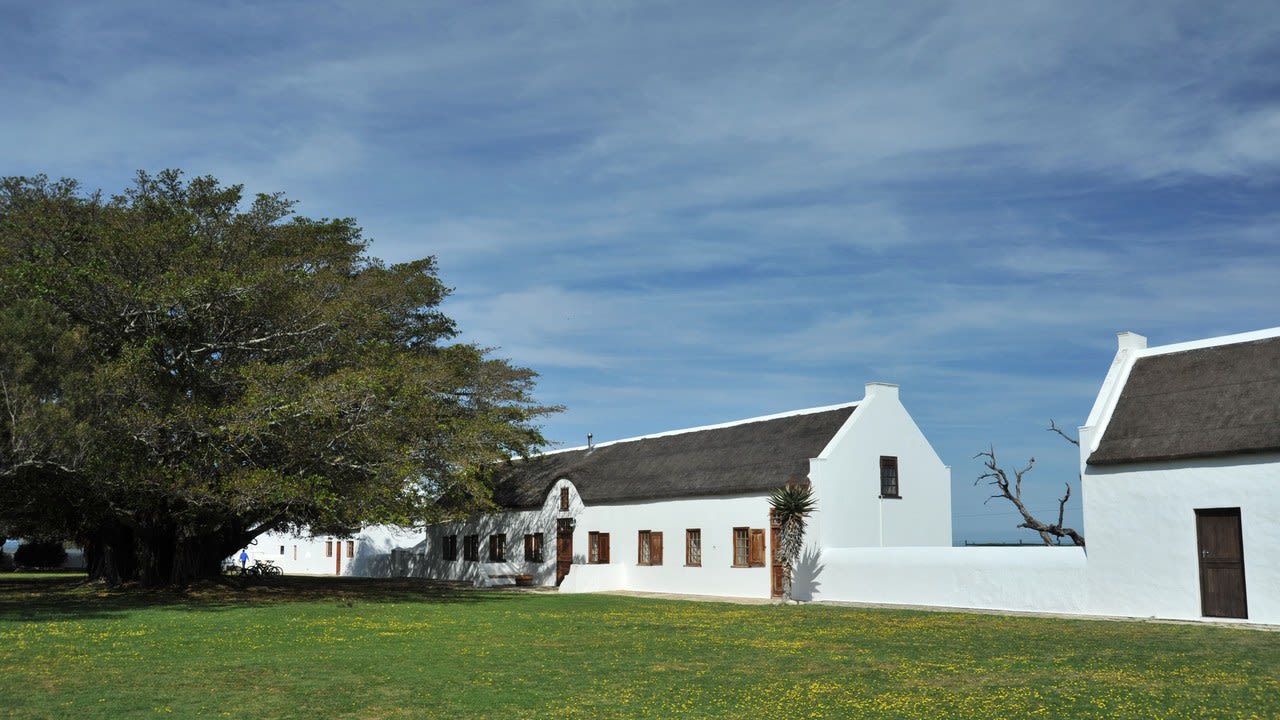
De Hoop Nature Reserve
Observé régulièrement · Accueillant pour les ornithologues

Kruger National Park
Barn Swallow : espèce observée ici

Kruger National Park

Barn Swallow : espèce observée ici

Kruger National Park
Barn Swallow : espèce observée ici

Kruger National Park
Barn Swallow : espèce observée ici

Kruger National Park
Barn Swallow : espèce observée ici

Kruger National Park
Barn Swallow : espèce observée ici

Wakkerstroom
Observé régulièrement · Accueillant pour les ornithologues

Swartberg Nature Reserve
Barn Swallow : espèce observée ici

Kwandwe Private Game Reserve
Barn Swallow : espèce observée ici

Prochaine étape
Rolling green hills, dairy farms, and pottery studios
Voir les hébergements engagésPréparer un voyage
Barn Swallow : signalé par des hôtes dans ou près de Kruger National Park, Cederberg Wilderness Area and Goukamma Nature Reserve.

Cederberg Wilderness Area · Goukamma · Anysberg
Kruger · Timbavati

Kgalagadi
Kwandwe
Conduire soi-même
Votre véhicule et votre rythme, sur les routes du parc.
Parcs où l’espèce est signalée
Espèce
Hirundo rustica
Observations
2,243
observations iNaturalist
Chaque réservation sur Spekboom soutient la conservation.
Une observation signifie qu’un hôte a vu l’espèce Barn Swallow sur place ou à proximité. Ce n’est jamais une garantie de la voir.
Hosts on Spekboom have recorded the Barn Swallow at stays in or beside Kruger National Park, Cederberg Wilderness Area, Goukamma Nature Reserve, Anysberg Nature Reserve, Gamkaberg Nature Reserve and Kgalagadi Transfrontier Park and other reserves. A record means a host has seen it on the property or nearby, which makes these the places to base yourself; it is never a guarantee of a sighting on any given day.
The Barn Swallow is most recorded in Western Cape (34% of records), KwaZulu-Natal (24% of records), Mpumalanga (11% of records), based on 2,243 iNaturalist observations. 100 places to stay on Spekboom in South Africa have recorded the Barn Swallow on site or nearby.
Sightings of the Barn Swallow peak from Nov to Mar, based on 2,243 iNaturalist records. You may still see it outside those months, sightings are just less frequent.
The barn swallow (Hirundo rustica) is the most widespread species of swallow in the world. It is a distinctive passerine bird with blue upperparts, a long, deeply forked tail and curved, pointed wings. It is found in Europe, Asia, Africa and the Americas. In Anglophone Europe it is just called the swallow; in Northern Europe it is the only common species called a "swallow" rather than a "martin".