
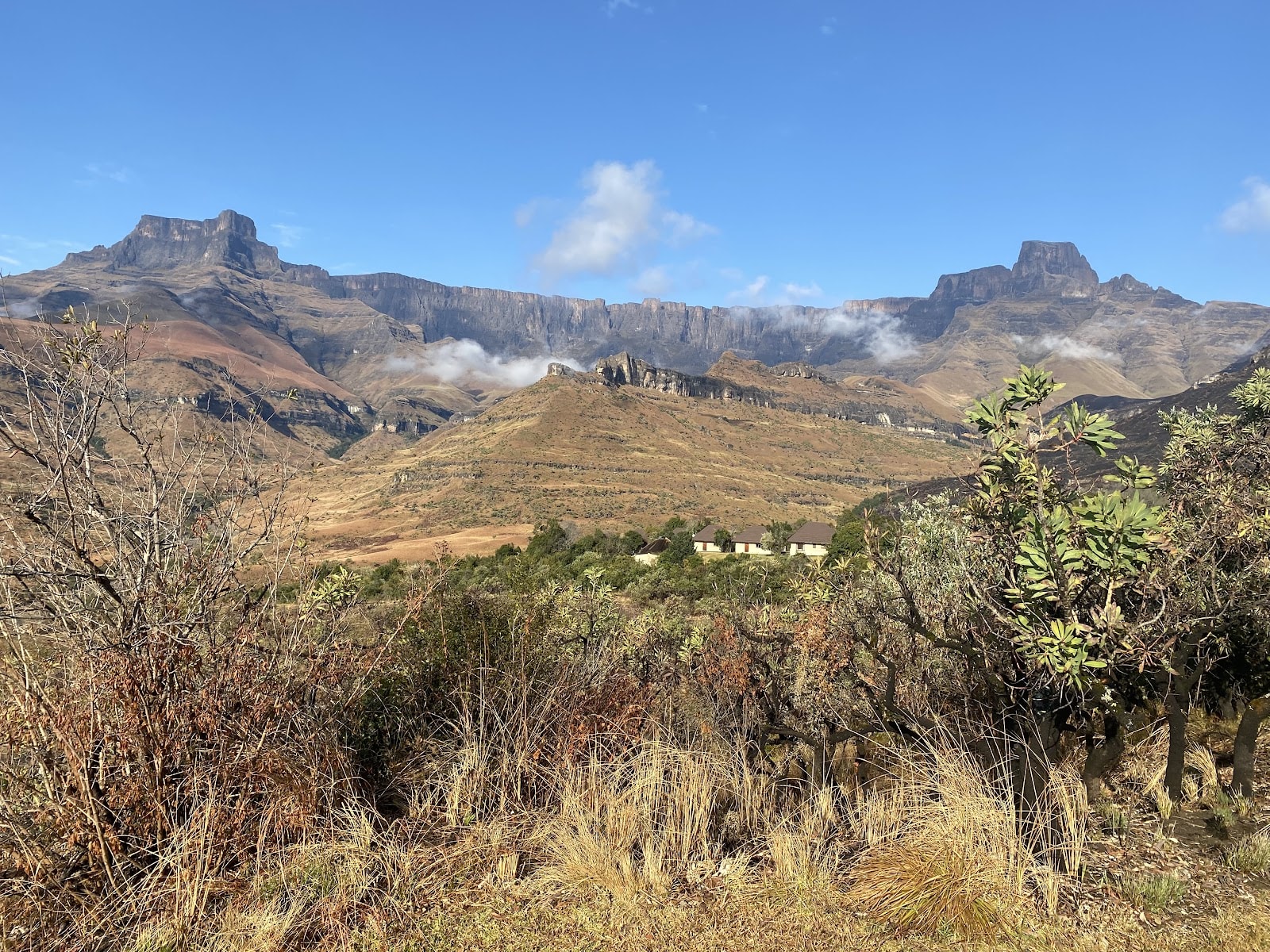
uKhahlamba-Drakensberg Park
KwaZulu-Natal · Year-round
10 Orte

Wildlife
The Oribi is a small antelope found in eastern, southern and western Africa.
Recorded year-round
Recorded in every month, so no month is the wrong month to look. We would rather say that than invent a best time.
Curve from 149 national iNaturalist observations, not from one property and not from this province. Single-month spikes are discarded as upload artefacts, and below 50 records we show no curve at all.
KwaZulu-Natal and beyond
Provinces where Oribi is most recorded. Tap one to find places to stay.
149 records, iNaturalist
In ganz KwaZulu-Natal
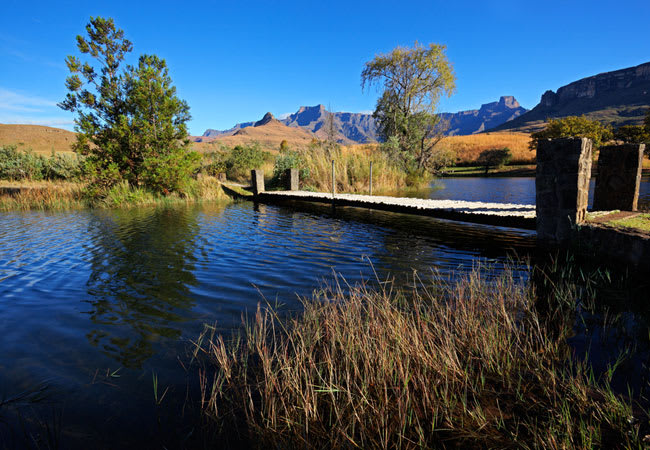
uKhahlamba-Drakensberg Park
Oribi hier erfasst
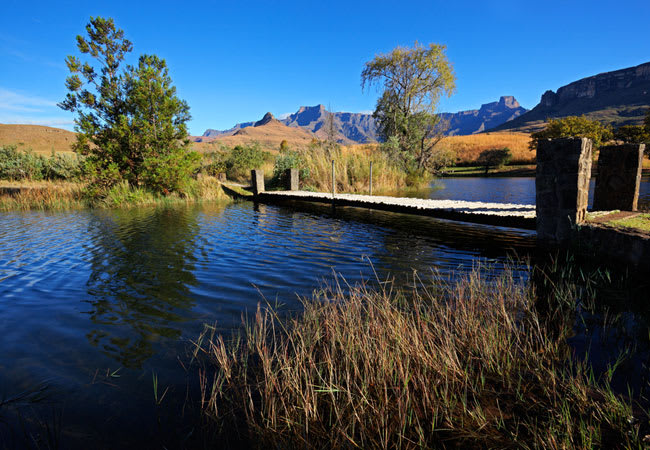
uKhahlamba-Drakensberg Park
Oribi hier erfasst
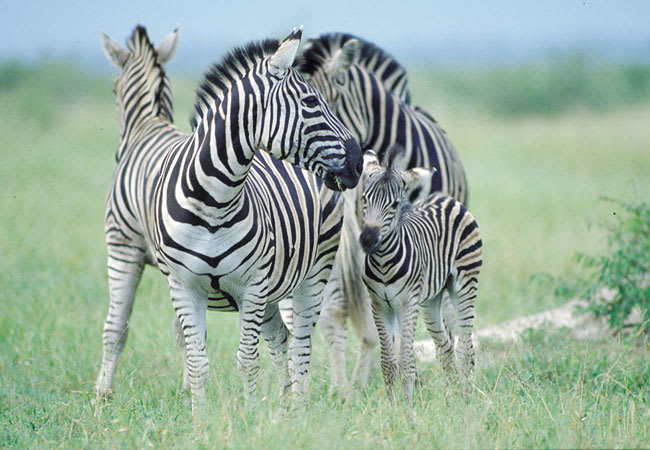
Vernon Crookes Nature Reserve
Oribi hier erfasst
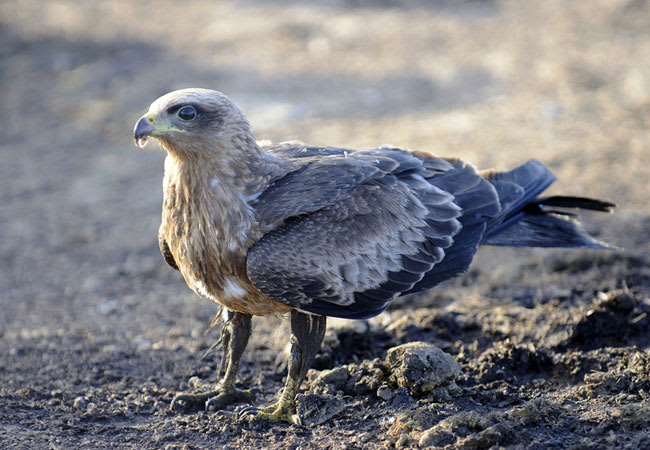
Mount Currie Nature Reserve
Oribi hier erfasst
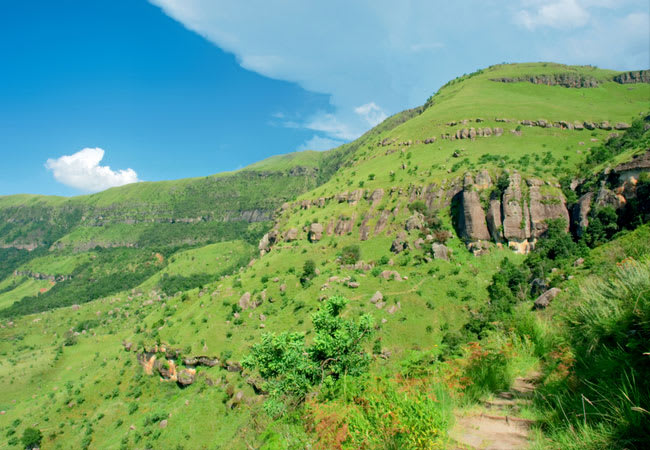
uKhahlamba-Drakensberg Park
Oribi hier erfasst
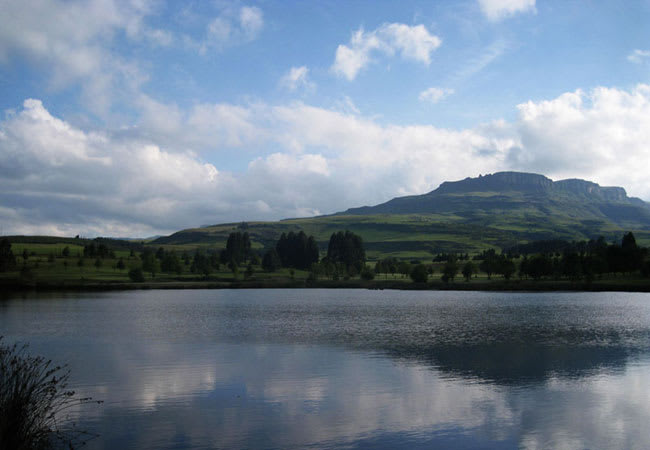
uKhahlamba-Drakensberg Park
Oribi hier erfasst
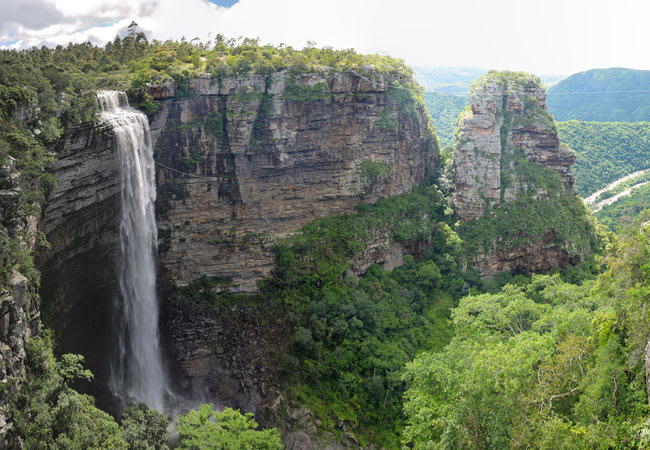
Oribi Gorge Nature Reserve
Oribi hier erfasst
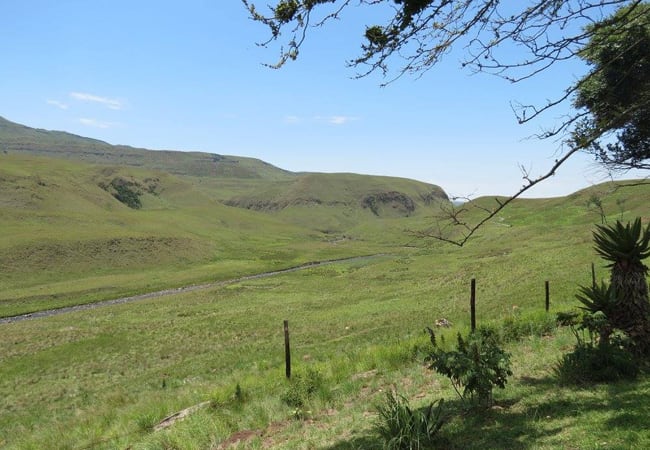
uKhahlamba-Drakensberg Park
Oribi hier erfasst
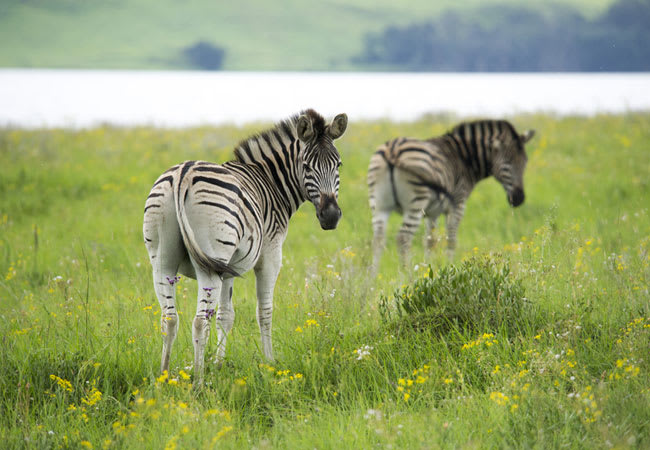
Midmar Resort
Oribi hier erfasst
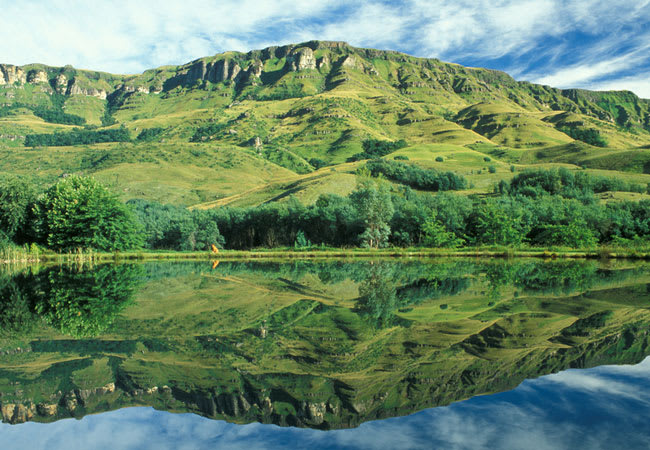
uKhahlamba-Drakensberg Park
Oribi hier erfasst
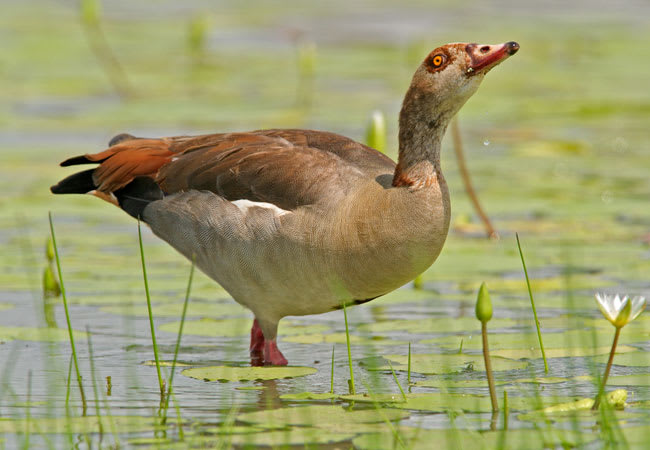
Chelmsford Resort
Oribi hier erfasst
uKhahlamba-Drakensberg Park
Oribi hier erfasst

Ithala Game Reserve
Oribi hier erfasst
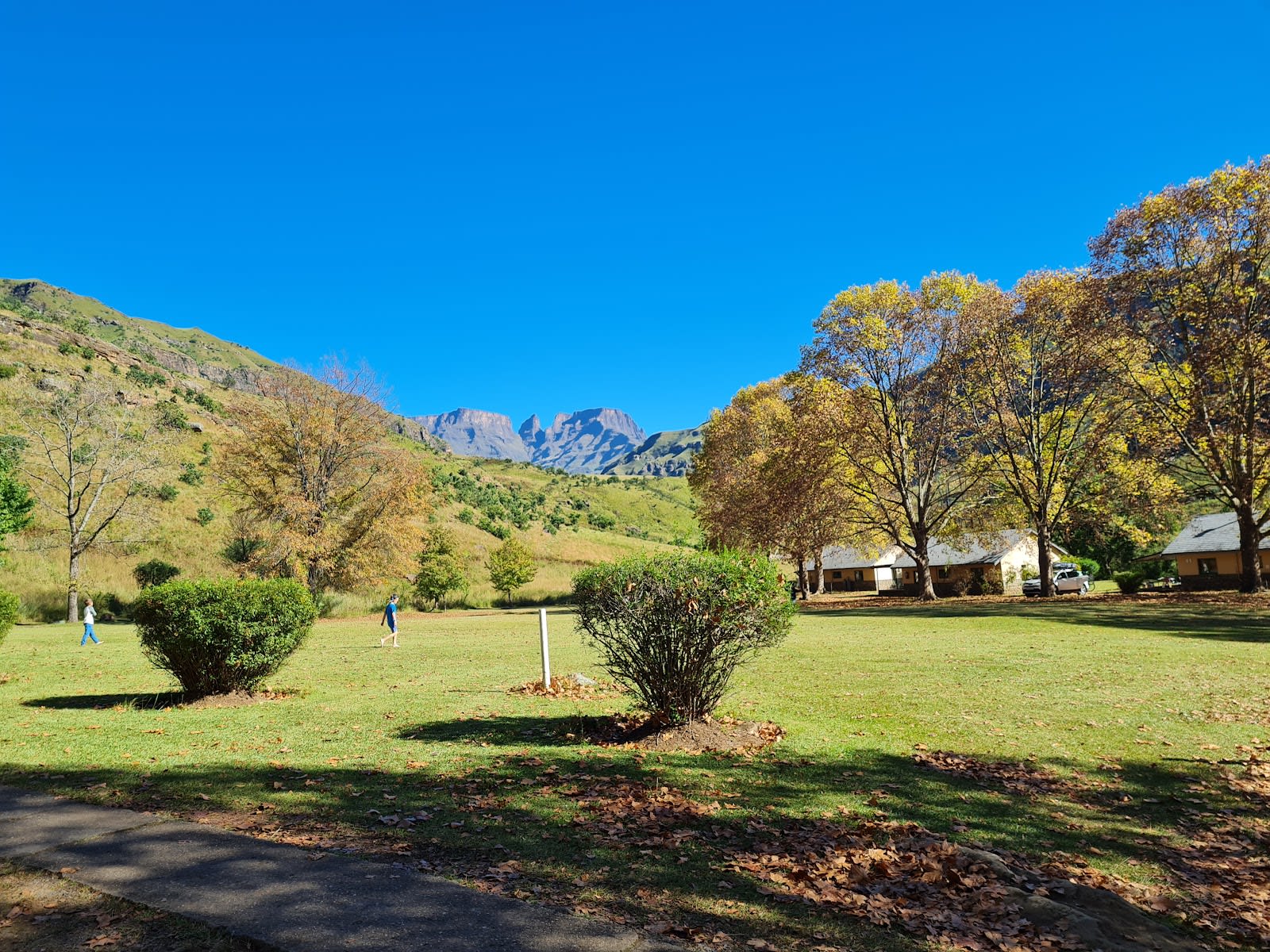
uKhahlamba-Drakensberg Park
Oribi hier erfasst
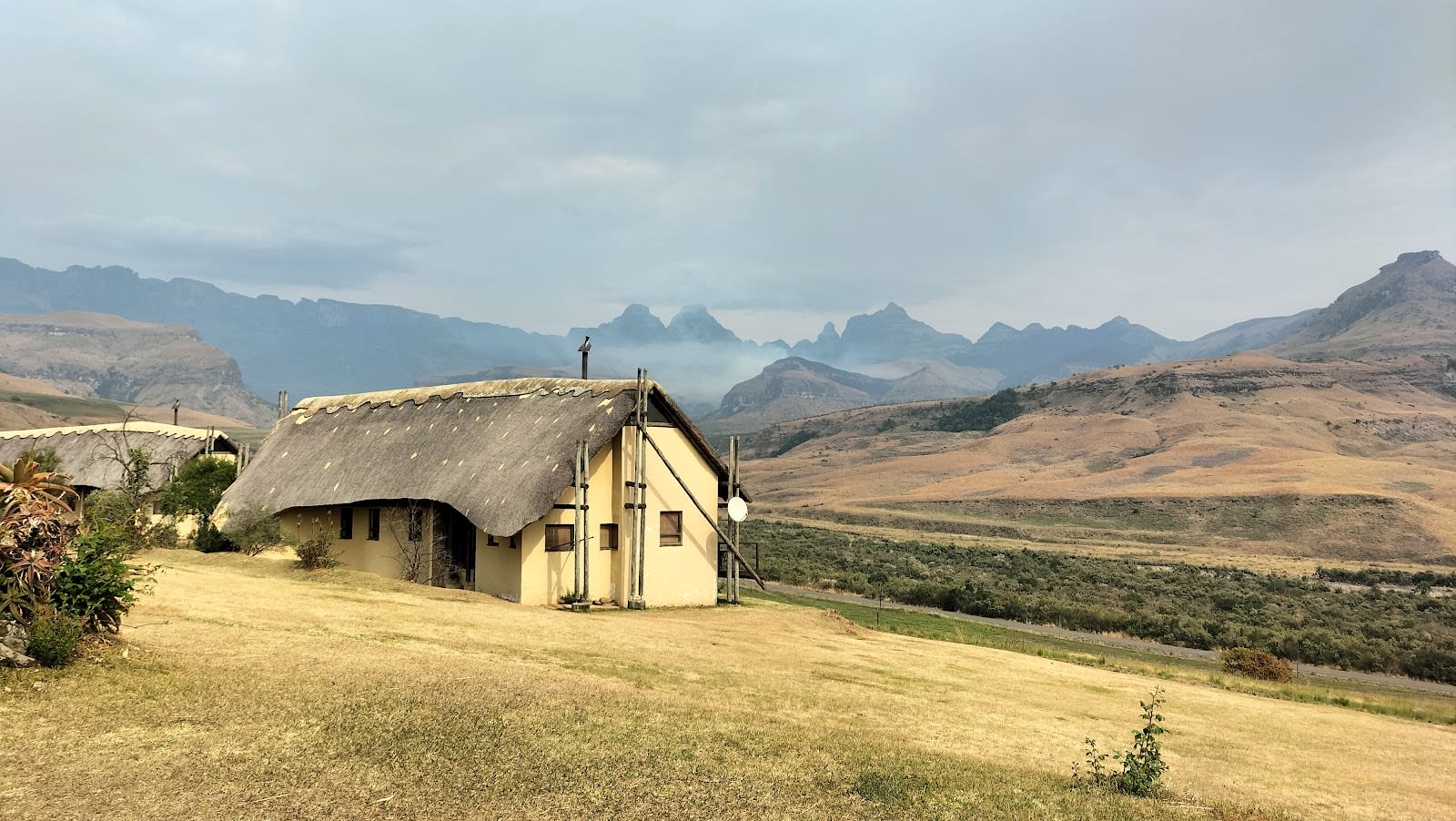
uKhahlamba-Drakensberg Park
Oribi hier erfasst
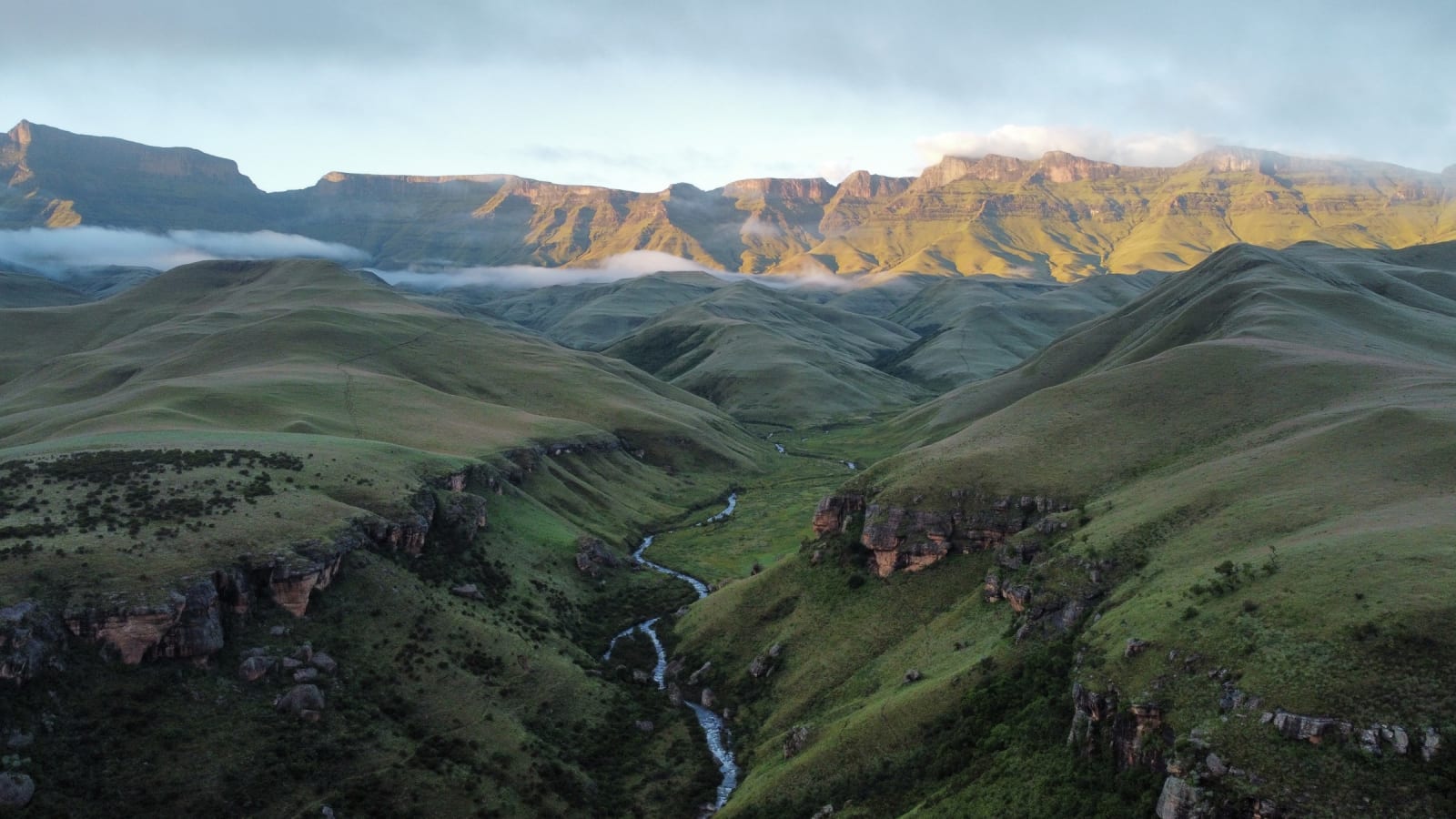
uKhahlamba-Drakensberg Park
Oribi hier erfasst

Ballito


Bergville


Richmond

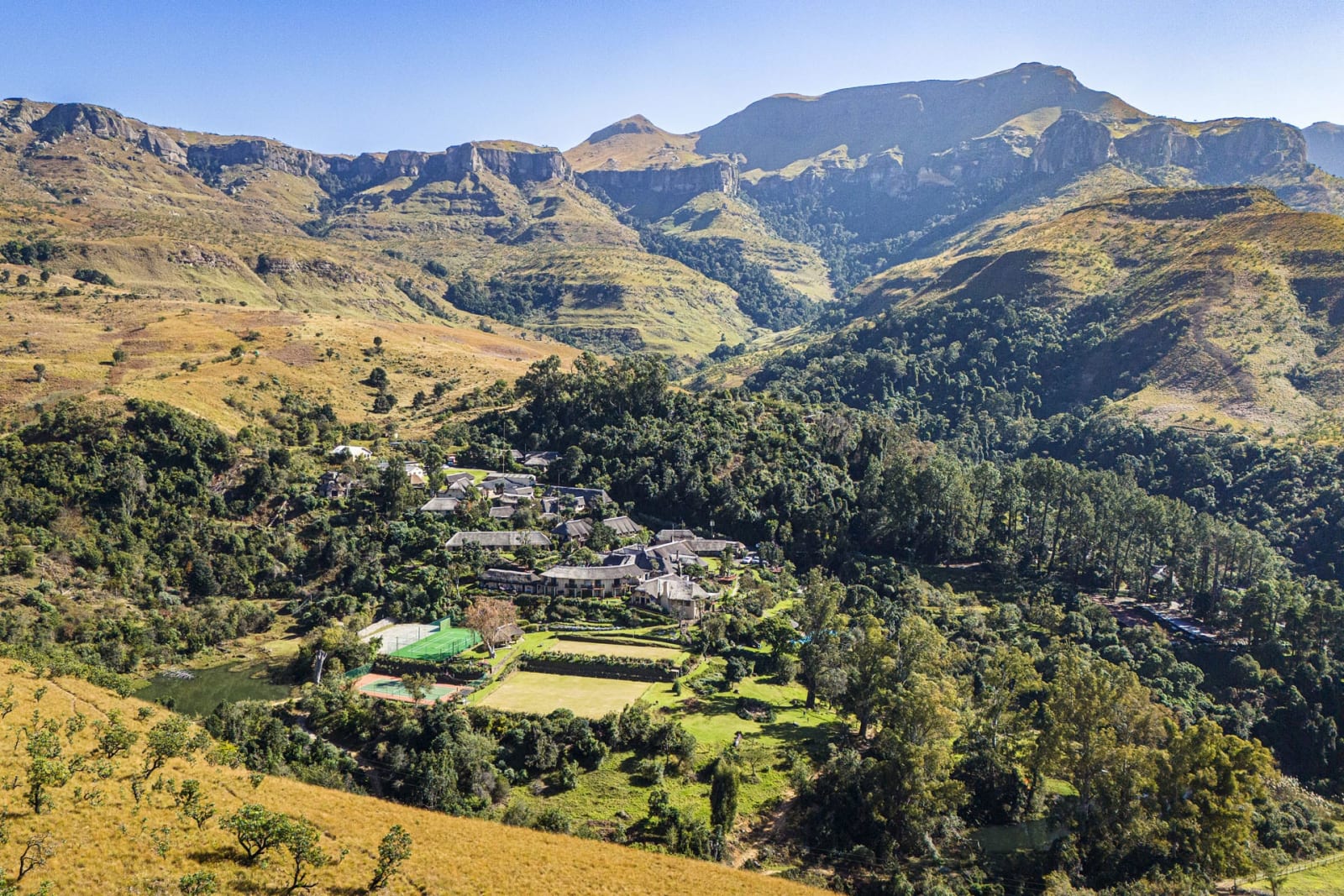
Drakensberg, Bergville

Drakensberg, Bergville

Hluhluwe-Imfolozi Park
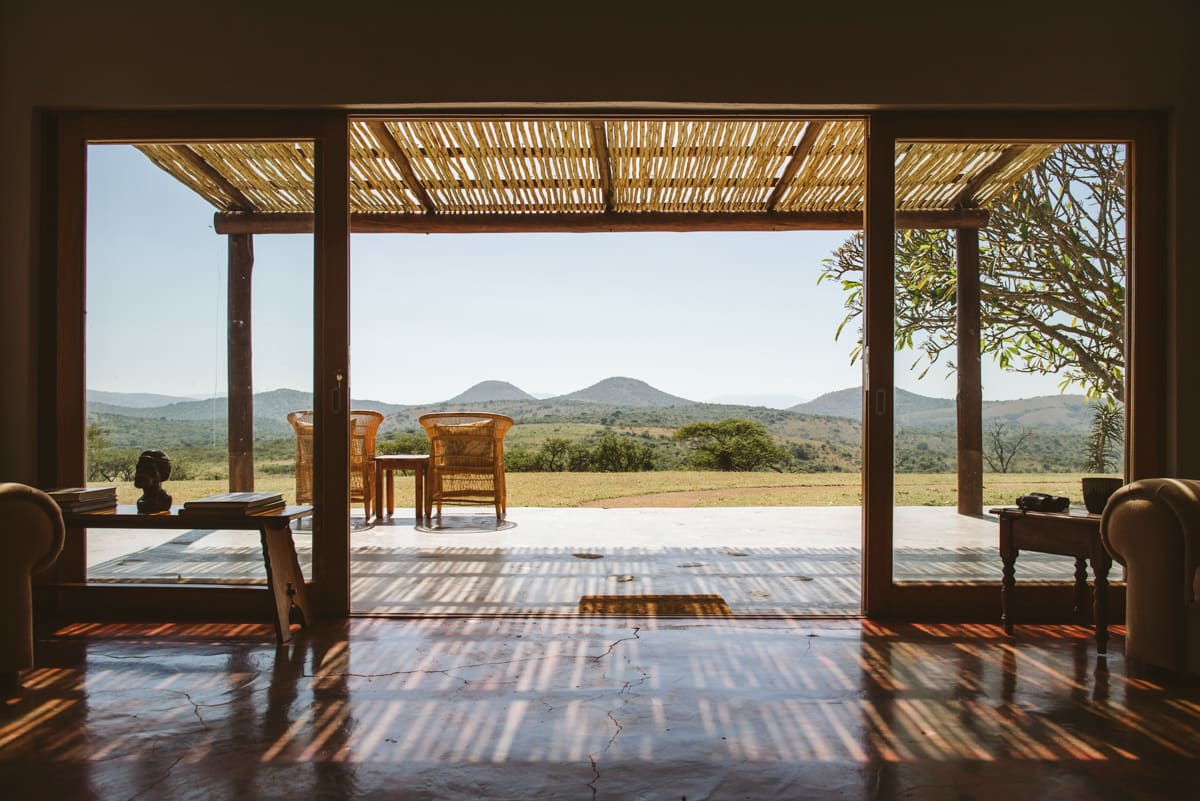
Magudu

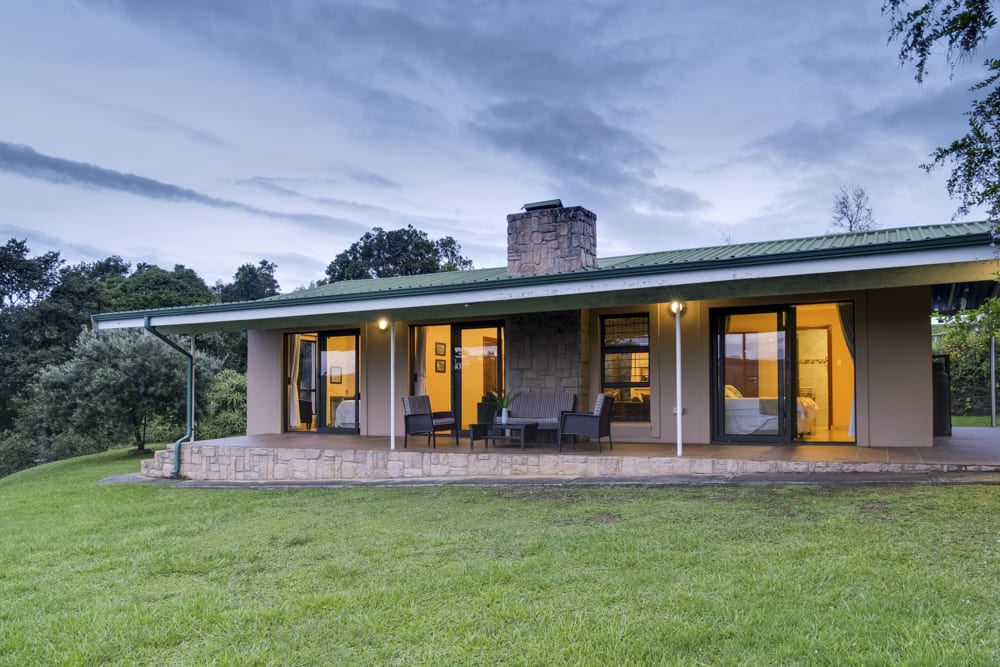
Cathkin Park

Nächster Halt
iSimangaliso wetlands, sand forest, and Sodwana reefs
Orte ansehen, die etwas zurückgebenEine Reise planen
Gastgeber haben die Art Oribi in oder bei uKhahlamba-Drakensberg Park, Chelmsford Nature Reserve (Ntshingwayo Dam) and Giants Castle Game Reserve erfasst.
| Park | Jan | Feb | Mär | Apr | Mai | Jun | Jul | Aug | Sep | Okt | Nov | Dez |
|---|---|---|---|---|---|---|---|---|---|---|---|---|
| uKhahlamba-Drakensberg | Hier | Hier | Hier | Hier | Beste Beobachtungszeit | Beste Beobachtungszeit | Beste Beobachtungszeit | Beste Beobachtungszeit | Beste Beobachtungszeit | Hier | Hier | Hier |
| Chelmsford Nature Reserve (Ntshingwayo Dam) | Hier | Hier | Hier | Hier |
Dunklere Monate sind die beste Saison des jeweiligen Parks, wenn lichter Busch oder knappes Wasser die Beobachtung erleichtert. Eine Sichtung ist nie garantiert.
Selbst fahren
Eigenes Fahrzeug, eigenes Tempo, auf den Straßen des Parks.
Wo Gastgeber die Art erfassen
Rote Liste der IUCN
Least Concern
Art
Ourebia ourebi
Nachweise
149
iNaturalist-Beobachtungen
Jede Buchung auf Spekboom unterstützt den Naturschutz.
Ein Nachweis bedeutet, dass ein Gastgeber die Art Oribi auf dem Grundstück oder in der Nähe gesehen hat. Eine Sichtung ist nie garantiert.
Hosts on Spekboom have recorded the Oribi at stays in or beside uKhahlamba-Drakensberg Park, Chelmsford Nature Reserve (Ntshingwayo Dam), Giants Castle Game Reserve, Ithala Game Reserve, Kamberg Nature Reserve and Midmar Dam Nature Reserve and other reserves. A record means a host has seen it on the property or nearby, which makes these the places to base yourself; it is never a guarantee of a sighting on any given day.
The Oribi is most recorded in KwaZulu-Natal (46% of records), Eastern Cape (32% of records), Mpumalanga (21% of records), based on 149 iNaturalist observations. 16 places to stay on Spekboom in KwaZulu-Natal have recorded the Oribi on site or nearby.
The Oribi is recorded throughout the year, so no month is the wrong month to look for it. For the parks where hosts record it most, these are the best seasons they give. uKhahlamba-Drakensberg Park: year-round, dry season May-Sep; Chelmsford Nature Reserve (Ntshingwayo Dam): year-round; Giants Castle Game Reserve: year-round, dry season May-Sep; Ithala Game Reserve: year-round, dry season May-Sep. In the dry months animals concentrate at water and the grass is short.
The Oribi (Ourebia ourebi) is listed as Least Concern on the IUCN Red List.
The Oribi is a small antelope found in eastern, southern and western Africa. The sole member of its genus, the oribi was first described by the German zoologist Eberhard August Wilhelm von Zimmermann in 1782. Eight subspecies are identified. The oribi reaches nearly 50, 67 centimetres (20, 26 in) at the shoulder and weighs 12, 22 kilograms (26, 49 lb).
| Hier |
| Hier |
| Hier |
| Hier |
| Hier |
| Hier |
| Hier |
| Hier |
| Giants Castle | Hier | Hier | Hier | Hier | Beste Beobachtungszeit | Beste Beobachtungszeit | Beste Beobachtungszeit | Beste Beobachtungszeit | Beste Beobachtungszeit | Hier | Hier | Hier |
|---|
| Ithala | Hier | Hier | Hier | Hier | Beste Beobachtungszeit | Beste Beobachtungszeit | Beste Beobachtungszeit | Beste Beobachtungszeit | Beste Beobachtungszeit | Hier | Hier | Hier |
|---|
| Kamberg | Hier | Hier | Hier | Hier | Beste Beobachtungszeit | Beste Beobachtungszeit | Beste Beobachtungszeit | Beste Beobachtungszeit | Beste Beobachtungszeit | Hier | Hier | Hier |
|---|
| Midmar Dam | Hier | Hier | Hier | Hier | Hier | Hier | Hier | Hier | Hier | Hier | Hier | Hier |
|---|
| Mount Currie | Hier | Hier | Hier | Hier | Hier | Hier | Hier | Hier | Hier | Hier | Hier | Hier |
|---|