
Swartberg Nature Reserve
Western Cape · Best Sep to Apr
1 place

The willow warbler (Phylloscopus trochilus) is a very common and widespread leaf warbler which breeds throughout northern and temperate Europe and the Palearctic, from Ireland east to the Anadyr River basin in eastern Siberia.
Recorded year-round
Recorded in every month, so no month is the wrong month to look. We would rather say that than invent a best time.
Curve from 292 national iNaturalist observations, not from one property. Single-month spikes are discarded as upload artefacts, and below 50 records we show no curve at all.
Limpopo and beyond
Provinces where Willow Warbler is most recorded. Tap one to find places to stay.
292 records, iNaturalist
Across the Western Cape

Oudtshoorn
Reliably seen · Birder friendly · Fynbos biome · Gemsbok · Greater kudu
Gives back to Wolwekraal Nature Reserve
From R 5,060 a night
Swartberg Nature Reserve
Willow Warbler recorded here · Succulent Karoo biome
From R 630 a night

Benguela Cove, Hermanus
Birder friendly · Fynbos biome
Gives back to Walker Bay Fynbos Conservancy and 1 other
From R 14,985 a night

Oudtshoorn
Succulent Karoo biome · Spekboom
Gives back to Wolwekraal Nature Reserve
From R 1,400 a night

Wittedrift, Plettenberg Bay
Forest biome
Gives back to National Sea Rescue Institute
From R 2,250 a night

Riebeek Valley, Riebeek West
Birder friendly · Fynbos biome · Black wildebeest · Bontebok
Gives back to BirdLife South Africa
From R 5,636 a night

Franschhoek
Fynbos biome · English oak
Gives back to Cape Leopard Trust
From R 6,195 a night

Klapmuts, Simondium
Angulate tortoise · Wild olive
Price on request

Gardens, Cape Town
Fynbos biome · English oak
From R 2,800 a night

Bakoven, Cape Town
Fynbos biome
From R 9,900 a night

Franschhoek
Fynbos biome · English oak
Price on request

Swellendam
Fynbos biome
Gives back to Barrydale Hospice
From R 4,355 a night

Stanford
Fynbos biome
Gives back to Walker Bay Fynbos Conservancy and 1 other
From R 2,850 a night

Stanford
Birder friendly · Fynbos biome · White milkwood · Southern right whale
Gives back to Walker Bay Fynbos Conservancy
Price on request
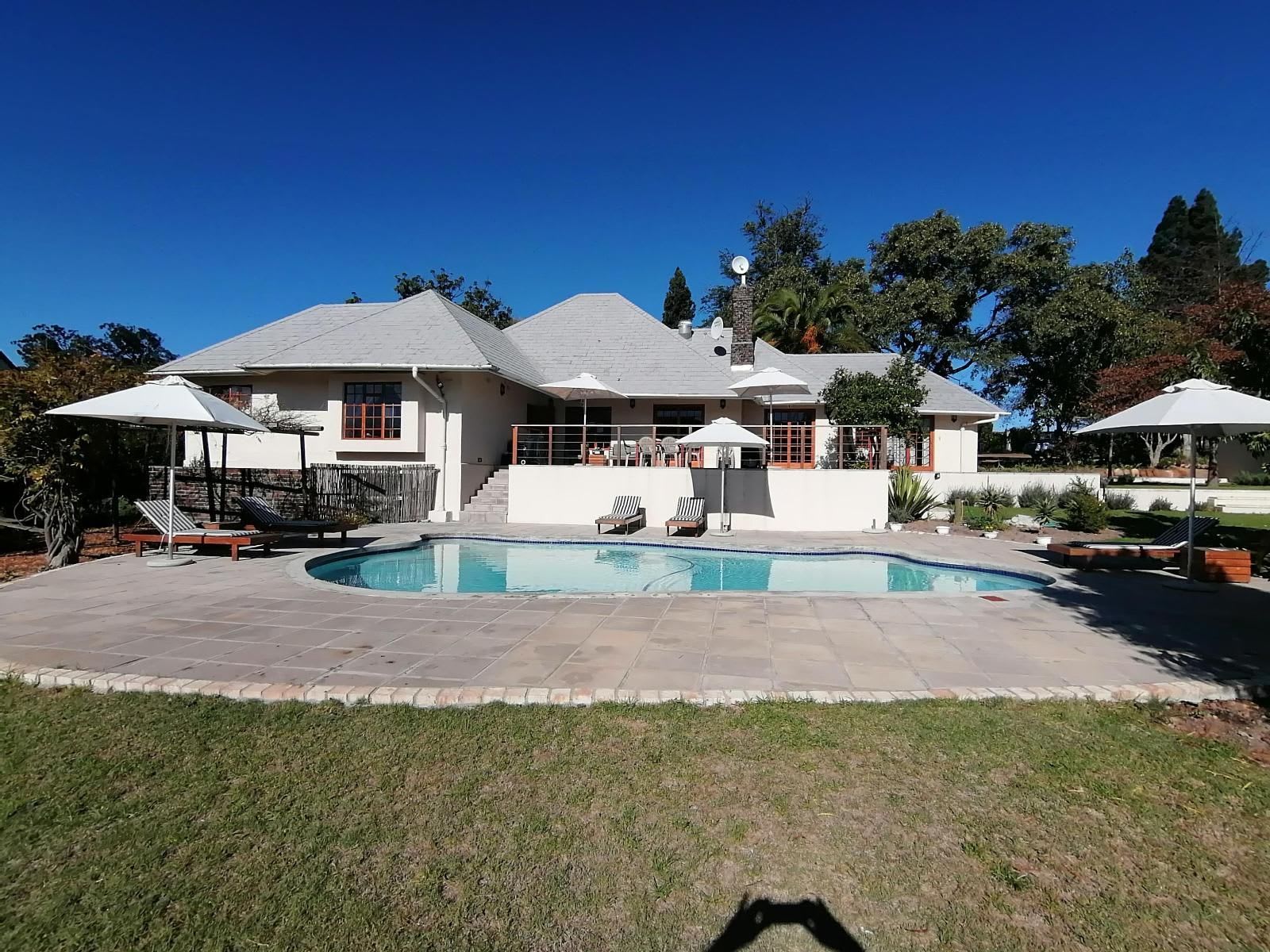
Stellenbosch
Fynbos biome · English oak
Gives back to Cape Leopard Trust
From R 1,465 a night

The Crags, Plettenberg Bay
Fynbos biome
Gives back to National Sea Rescue Institute
From R 1,950 a night

Somerset West
Fynbos biome
Gives back to Love to Give
Price on request

Voëlklip, Hermanus
Fynbos biome · Southern right whale
Gives back to Stanford Animal Welfare Society and 1 other
From R 2,235 a night

Prince Albert
Nama-Karoo biome · Spekboom
Gives back to Wolwekraal Nature Reserve
From R 1,200 a night

Simon's Town, Cape Town
Fynbos biome
Gives back to SANCCOB and 4 others
Price on request

Franschhoek
Fynbos biome · English oak
Gives back to Cape Leopard Trust
From R 3,425 a night

Constantia, Cape Town
Fynbos biome · English oak
Gives back to Cape Leopard Trust and 5 others
From R 3,500 a night

Paarl
Fynbos biome
Price on request

Calitzdorp
Albany Thicket biome · Leopard · Spekboom
Gives back to Wolwekraal Nature Reserve
From R 2,500 a night

Next stop
Southern right whales, sea cliffs, and Hermanus's harbour town
See places that give backPlanning a trip
Hosts have recorded the Willow Warbler at stays in or beside Swartberg Nature Reserve.
Drive yourself
Your own vehicle and pace, on the park's roads.
Where hosts record it
Species
Phylloscopus trochilus
Records
292
iNaturalist observations
Every booking on Spekboom supports conservation.
A record means a host has seen the Willow Warbler on the property or nearby. It is never a guarantee of a sighting.
Hosts on Spekboom have recorded the Willow Warbler at stays in or beside Swartberg Nature Reserve. A record means a host has seen it on the property or nearby, which makes these the places to base yourself; it is never a guarantee of a sighting on any given day.
The Willow Warbler is most recorded in Limpopo (24% of records), KwaZulu-Natal (18% of records), Gauteng (15% of records), based on 292 iNaturalist observations. 2 places to stay on Spekboom in Western Cape have recorded the Willow Warbler on site or nearby.
The Willow Warbler is recorded throughout the year, so no month is the wrong month to look for it. For the parks where hosts record it most, these are the best seasons they give. Swartberg Nature Reserve: Sep-Apr, flowers Aug-Oct. In the dry months animals concentrate at water and the grass is short.
The willow warbler (Phylloscopus trochilus) is a very common and widespread leaf warbler which breeds throughout northern and temperate Europe and the Palearctic, from Ireland east to the Anadyr River basin in eastern Siberia. It is strongly migratory, with almost all of the population wintering in Sub-Saharan Africa.


