
Kruger National Park
Limpopo · Best Apr to Sep
23 places

Wildlife
The waterbuck (Kobus ellipsiprymnus) is a large antelope found widely in sub-Saharan Africa.
Recorded year-round
Recorded in every month, so no month is the wrong month to look. We would rather say that than invent a best time.
Curve from 4,057 national iNaturalist observations, not from one property and not from this province. Single-month spikes are discarded as upload artefacts, and below 50 records we show no curve at all.
Mpumalanga and beyond
Provinces where Waterbuck is most recorded. Tap one to find places to stay.
4,057 records, iNaturalist
Across Mpumalanga
Kruger National Park

Waterbuck recorded here

Kruger National Park
Waterbuck recorded here
Sabi Sand Game Reserve

Waterbuck recorded here

Kruger National Park
Waterbuck recorded here

Kruger National Park
Waterbuck recorded here

Kruger National Park
Waterbuck recorded here

Kruger National Park
Waterbuck recorded here

Kruger National Park
Waterbuck recorded here

Sabi Sand Game Reserve
Waterbuck recorded here

Kruger National Park
Waterbuck recorded here

Kruger National Park
Waterbuck recorded here
Kruger National Park
Waterbuck recorded here

Kruger National Park
Waterbuck recorded here

Kruger National Park
Waterbuck recorded here

Kruger National Park
Waterbuck recorded here

Kruger National Park
Waterbuck recorded here

Kruger National Park
Waterbuck recorded here

Kruger National Park
Waterbuck recorded here
Kruger National Park
Waterbuck recorded here

Kruger National Park
Waterbuck recorded here

Sabi Sand Game Reserve
Waterbuck recorded here
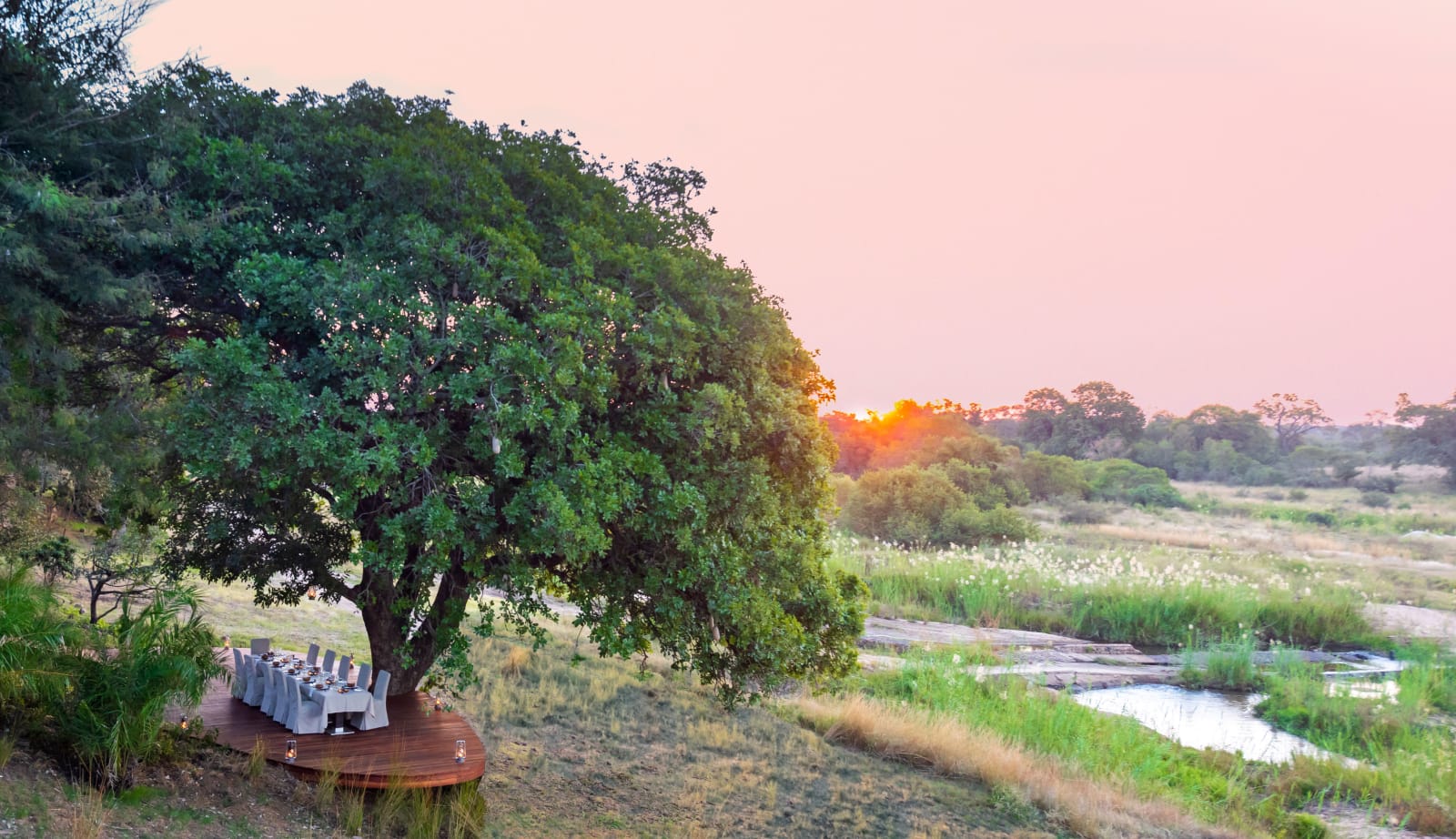
Sabi Sand Game Reserve
Waterbuck recorded here

Sabi Sand Game Reserve
Waterbuck recorded here
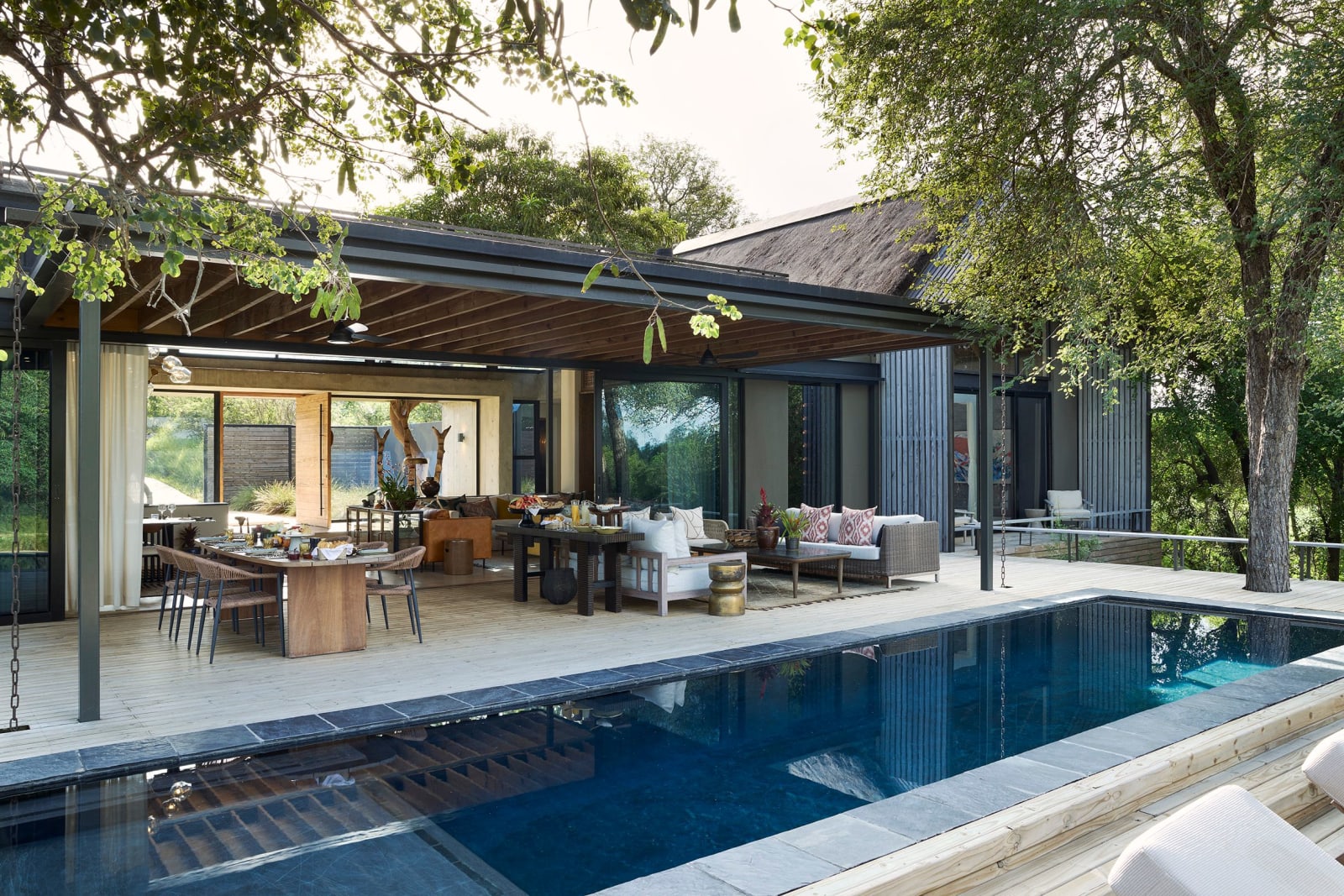
Sabi Sand Game Reserve
Waterbuck recorded here

Next stop
iSimangaliso wetlands, sand forest, and Sodwana reefs
See places that give backPlanning a trip
Hosts have recorded the Waterbuck at stays in or beside Kruger National Park, Sabi Sand Game Reserve and Timbavati Private Nature Reserve.
| Park | Jan | Feb | Mar | Apr | May | Jun | Jul | Aug | Sep | Oct | Nov | Dec |
|---|---|---|---|---|---|---|---|---|---|---|---|---|
| Kruger | Here | Here | Here | Easiest viewing | Easiest viewing | Easiest viewing | Easiest viewing | Easiest viewing | Easiest viewing | Here | Here | Here |
| Sabi Sand | Here | Here | Here | Here | Easiest viewing |
Darker months are each park's own best season, when thinner bush or scarce water makes viewing easier. A sighting is never guaranteed.
Kruger · Timbavati
Sabi Sand
Species
Kobus ellipsiprymnus
Records
4,057
iNaturalist observations
Every booking on Spekboom supports conservation.
A record means a host has seen the Waterbuck on the property or nearby. It is never a guarantee of a sighting.
Hosts on Spekboom have recorded the Waterbuck at stays in or beside Kruger National Park, Sabi Sand Game Reserve and Timbavati Private Nature Reserve. A record means a host has seen it on the property or nearby, which makes these the places to base yourself; it is never a guarantee of a sighting on any given day.
The Waterbuck is most recorded in Mpumalanga (38% of records), Limpopo (27% of records), KwaZulu-Natal (14% of records), based on 4,057 iNaturalist observations. 33 places to stay on Spekboom in Mpumalanga have recorded the Waterbuck on site or nearby.
The Waterbuck is recorded throughout the year, so no month is the wrong month to look for it. For the parks where hosts record it most, these are the best seasons they give. Kruger National Park: Apr-Sep; Sabi Sand Game Reserve: year-round, dry season May-Sep optimal; Timbavati Private Nature Reserve: May-Sep, dry season. In the dry months animals concentrate at water and the grass is short.
The waterbuck (Kobus ellipsiprymnus) is a large antelope found widely in sub-Saharan Africa. It is placed in the genus Kobus of the family Bovidae. It was first described by Irish naturalist William Ogilby in 1833. The thirteen subspecies are grouped under two varieties: the common or ellipsen waterbuck and the defassa waterbuck.
| Easiest viewing |
| Easiest viewing |
| Easiest viewing |
| Easiest viewing |
| Here |
| Here |
| Here |
| Timbavati | Here | Here | Here | Here | Easiest viewing | Easiest viewing | Easiest viewing | Easiest viewing | Easiest viewing | Here | Here | Here |
|---|

