

Addo Elephant National Park
Eastern Cape · Year-round
5 places

Wildlife
The black wildebeest or white-tailed gnu (Connochaetes gnou) is one of the two closely related wildebeest species.
Recorded year-round
Recorded in every month, so no month is the wrong month to look. We would rather say that than invent a best time.
Curve from 1,115 national iNaturalist observations, not from one property and not from this province. Single-month spikes are discarded as upload artefacts, and below 50 records we show no curve at all.
Gauteng and beyond
Provinces where Black Wildebeest is most recorded. Tap one to find places to stay.
1,115 records, iNaturalist
Across the Eastern Cape

Amakhala Game Reserve

Black Wildebeest recorded here

Sundays River Valley, Addo
Black Wildebeest recorded here
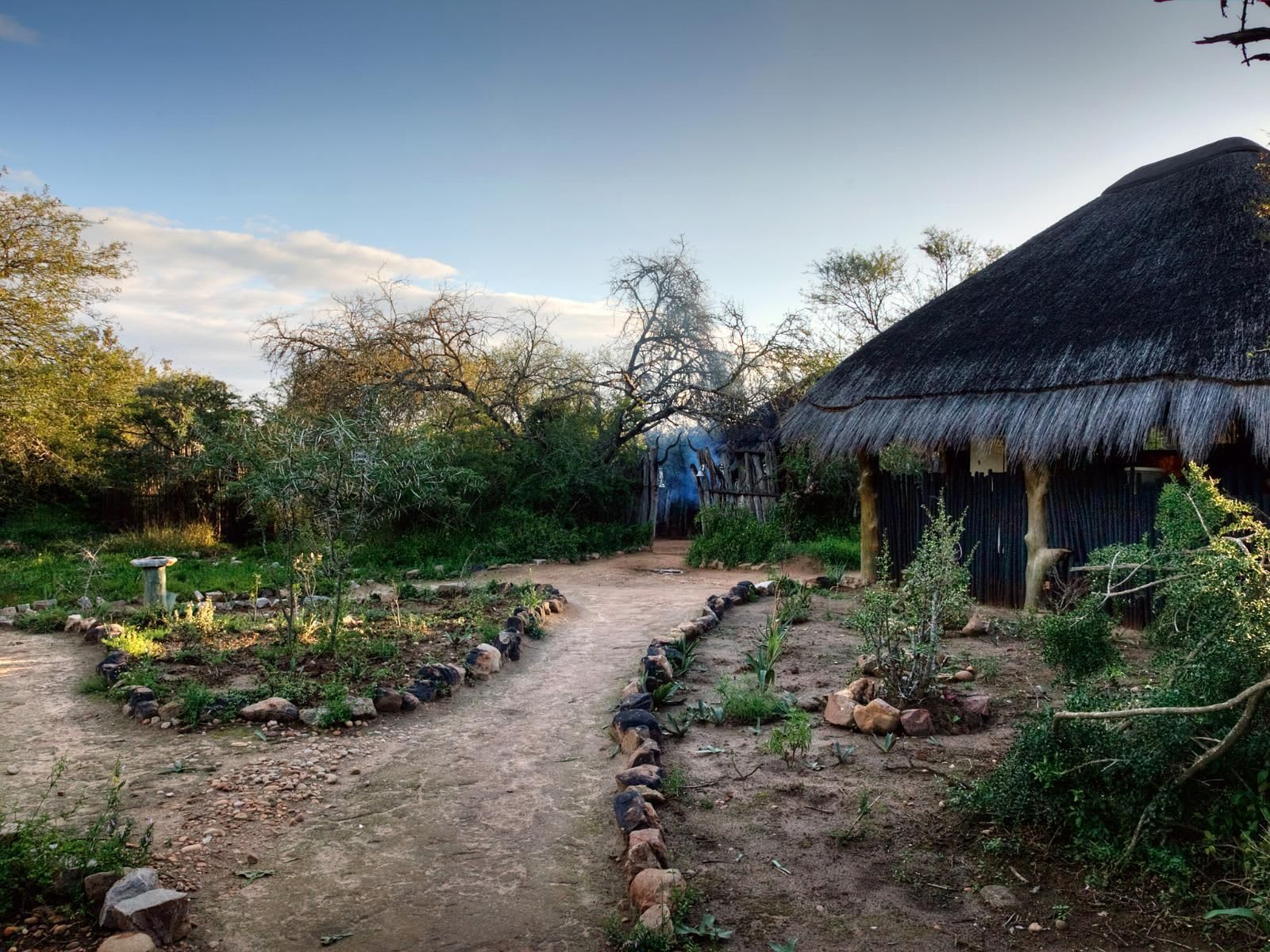
Paterson
Black Wildebeest recorded here

Mountain Zebra National Park
Black Wildebeest recorded here

Addo Elephant National Park
Black Wildebeest recorded here

Kwandwe Private Game Reserve
Black Wildebeest recorded here

Addo Elephant National Park
Black Wildebeest recorded here

Camdeboo National Park
Black Wildebeest recorded here

Kwandwe Private Game Reserve
Black Wildebeest recorded here
Addo Elephant National Park
Black Wildebeest recorded here

Addo Elephant National Park
Black Wildebeest recorded here

Kwandwe Private Game Reserve
Black Wildebeest recorded here

Addo Elephant National Park
Black Wildebeest recorded here

Kwandwe Private Game Reserve
Black Wildebeest recorded here

Kwandwe Private Game Reserve
Black Wildebeest recorded here

Amakhala Game Reserve
Black Wildebeest recorded here

St Francis Bay


Sneeuberg Nature Reserve, Nieu Bethesda

Sundays River Valley, Addo


Walmer, Port Elizabeth

Mkambati Nature Reserve

Sundays River Valley, Addo

Aberdeen

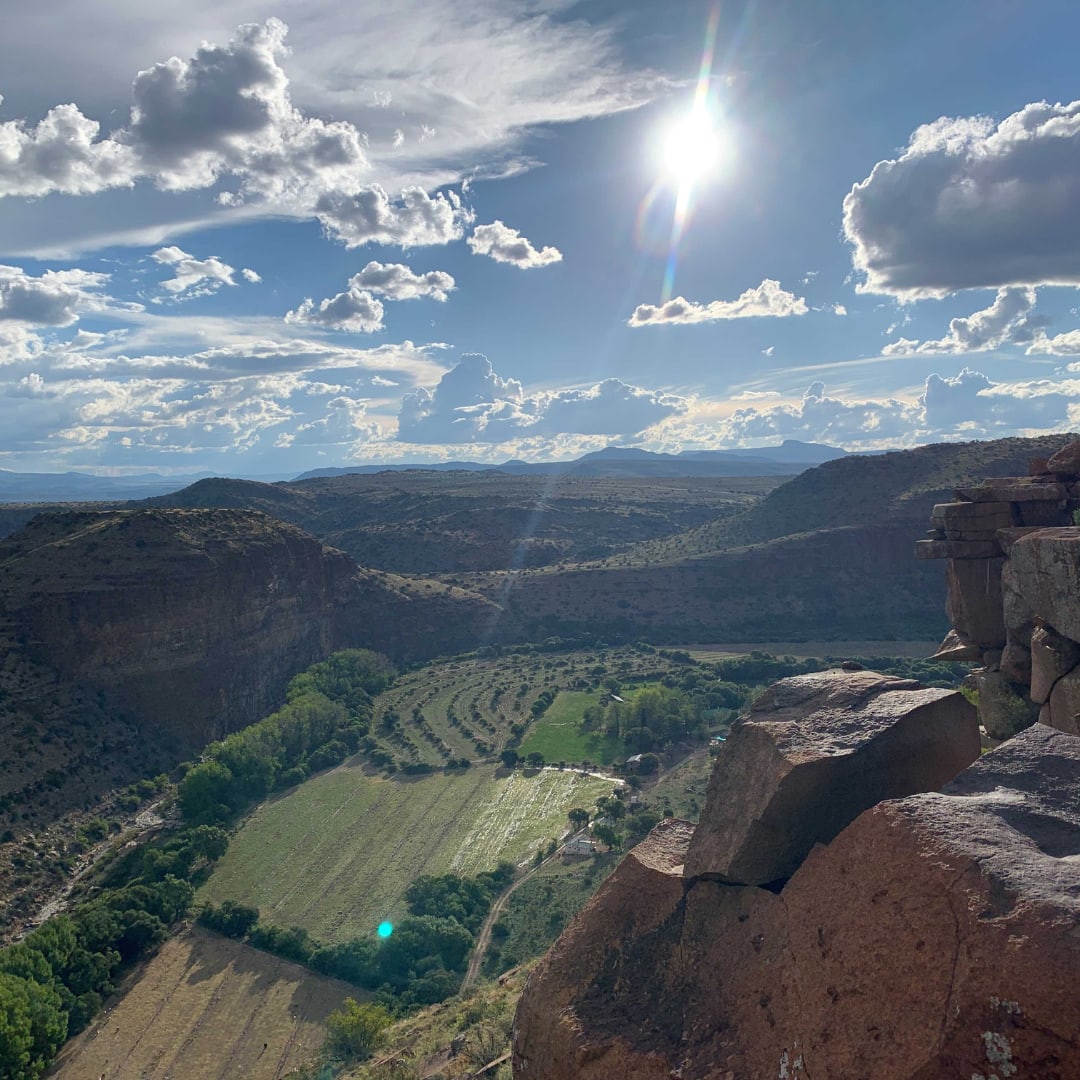
Nieu Bethesda

Next stop
Forests, lagoons, and Knysna's sheltered bay
See places that give backPlanning a trip
Hosts have recorded the Black Wildebeest at stays in or beside Addo Elephant National Park, Kwandwe Private Game Reserve and Amakhala Game Reserve.
| Park | Jan | Feb | Mar | Apr | May | Jun | Jul | Aug | Sep | Oct | Nov | Dec |
|---|---|---|---|---|---|---|---|---|---|---|---|---|
| Addo Elephant | Here | Here | Easiest viewing | Easiest viewing | Easiest viewing | Here | Here | Here | Easiest viewing | Easiest viewing | Easiest viewing | Here |
| Kwandwe | Here | Here | Easiest viewing | Easiest viewing | Easiest viewing |
Darker months are each park's own best season, when thinner bush or scarce water makes viewing easier. A sighting is never guaranteed.
Drive yourself
Your own vehicle and pace, on the park's roads.
Where hosts record it
Species
Connochaetes gnou
Records
1,115
iNaturalist observations
Every booking on Spekboom supports conservation.
A record means a host has seen the Black Wildebeest on the property or nearby. It is never a guarantee of a sighting.
Hosts on Spekboom have recorded the Black Wildebeest at stays in or beside Addo Elephant National Park, Kwandwe Private Game Reserve, Amakhala Game Reserve, Camdeboo National Park and Mountain Zebra National Park. A record means a host has seen it on the property or nearby, which makes these the places to base yourself; it is never a guarantee of a sighting on any given day.
The Black Wildebeest is most recorded in Gauteng (33% of records), Eastern Cape (24% of records), Free State (18% of records), based on 1,115 iNaturalist observations. 16 places to stay on Spekboom in Eastern Cape have recorded the Black Wildebeest on site or nearby.
The Black Wildebeest is recorded throughout the year, so no month is the wrong month to look for it. For the parks where hosts record it most, these are the best seasons they give. Addo Elephant National Park: year-round, best Mar-May, Sep-Nov; Kwandwe Private Game Reserve: year-round, best Mar-May, Sep-Nov; Amakhala Game Reserve: year-round, best Mar-May, Sep-Nov; Camdeboo National Park: year-round, best Mar-May, Sep-Nov. In the dry months animals concentrate at water and the grass is short.
The black wildebeest or white-tailed gnu (Connochaetes gnou) is one of the two closely related wildebeest species. It is a member of the genus Connochaetes and family Bovidae. It was first described in 1780 by Eberhard August Wilhelm von Zimmermann. The black wildebeest is typically between 170-220 cm (67-87 in) in head-and-body length, and the average weight is 110-180 kg (240-400 lb).
| Here |
| Here |
| Here |
| Easiest viewing |
| Easiest viewing |
| Easiest viewing |
| Here |
| Amakhala | Here | Here | Easiest viewing | Easiest viewing | Easiest viewing | Here | Here | Here | Easiest viewing | Easiest viewing | Easiest viewing | Here |
|---|
| Camdeboo | Here | Here | Easiest viewing | Easiest viewing | Easiest viewing | Here | Here | Here | Easiest viewing | Easiest viewing | Easiest viewing | Here |
|---|
| Mountain Zebra | Here | Here | Easiest viewing | Easiest viewing | Easiest viewing | Here | Here | Here | Easiest viewing | Easiest viewing | Easiest viewing | Here |
|---|
